50 Metre Junk Food Rule India: Will Chips and Cola Be Banned?
The proposal is not a nationwide ban yet, but it could reshape what school canteens and nearby shops sell to children.

A proposed 50 metre junk food rule India is moving through the food-regulation system—not yet operating as a nationwide ban. Under the proposal, foods high in fat, sugar or salt (HFSS) could not be sold or advertised on school premises or within 50 metres of school gates, subject to the outcome of public consultation.
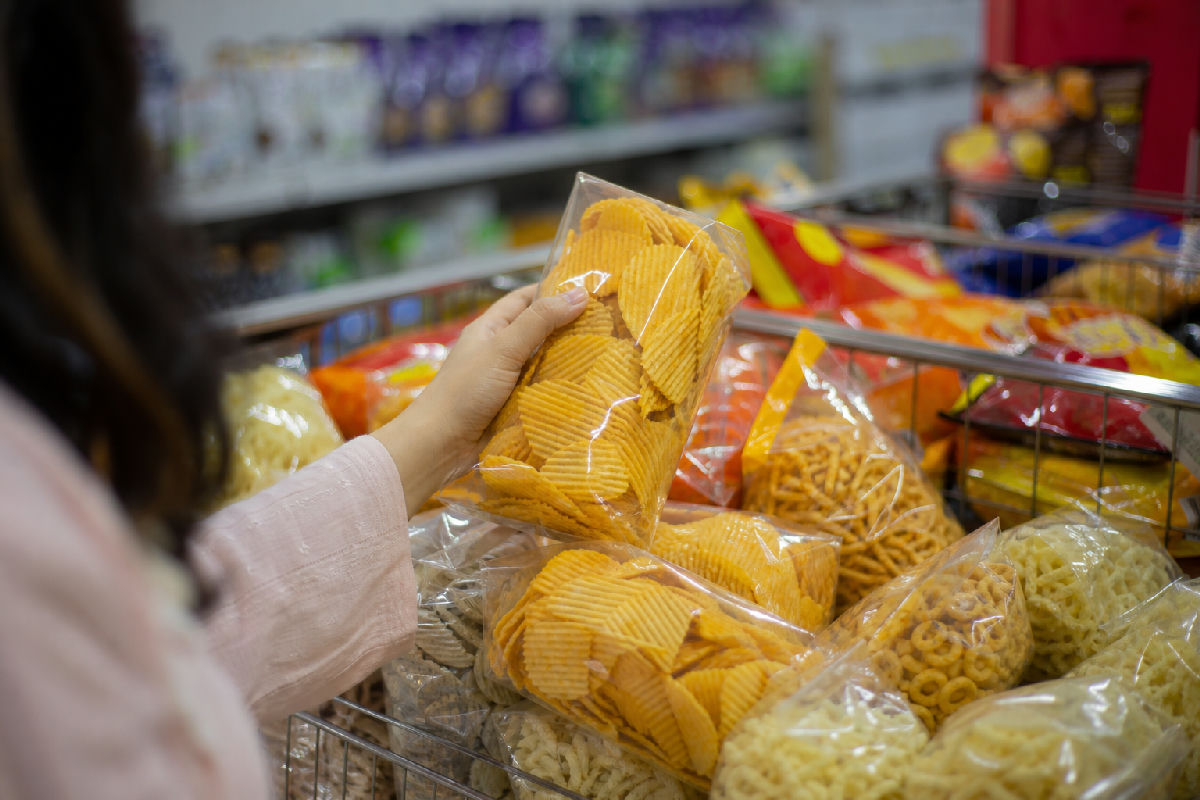
The proposal matters because the affected zone would extend beyond school canteens to neighbourhood kirana shops, restaurants and food stalls. Chips, cola, sweetened drinks, samosas, pizzas and burgers could all face scrutiny, but the final list will depend on the notified thresholds and the product’s nutrition panel.
50 metre junk food rule India: what has been proposed
The Food Safety and Standards Authority of India (FSSAI) published a draft notification on August 7, 2026, proposing amendments to the Food Safety and Standards (Safe Food and Balanced Diets for Children in School) Regulations, 2020. The consultation deadline is October 6, 2026, meaning the proposal remains open to objections and suggestions.
FSSAI chief executive Rajit Punhani said on September 3 that the draft seeks to curb HFSS food sales on campuses and within a 50-metre radius. He also said the proposal had been submitted before the Supreme Court, which would take a decision on the matter.
The proposal is part of a wider anti-junk-food push linked to rising concern about obesity and diabetes among children. Reuters reported that India has about 1.47 million schools, so even a narrowly drawn restriction could affect a large number of local food businesses and families.
What the proposed thresholds mean
The draft’s reported thresholds identify a product as high in a nutrient when it exceeds any of these levels:
- Added fat: more than 4.2 grams per 100 grams in solid food, or more than 1.5 grams per 100 millilitres in liquid food.
- Added sugar: more than 3 grams per 100 grams in solid food, or more than 2 grams per 100 millilitres in liquid food.
- Salt: more than 0.625 grams per 100 grams in solid food, or more than 0.175 grams per 100 millilitres in liquid food.
These are screening thresholds, not a declaration that every product above them is poisonous or illegal everywhere. The proposed restrictions concern sales and promotion in the specified school environment.
Junk food ban near schools India: which products could be affected
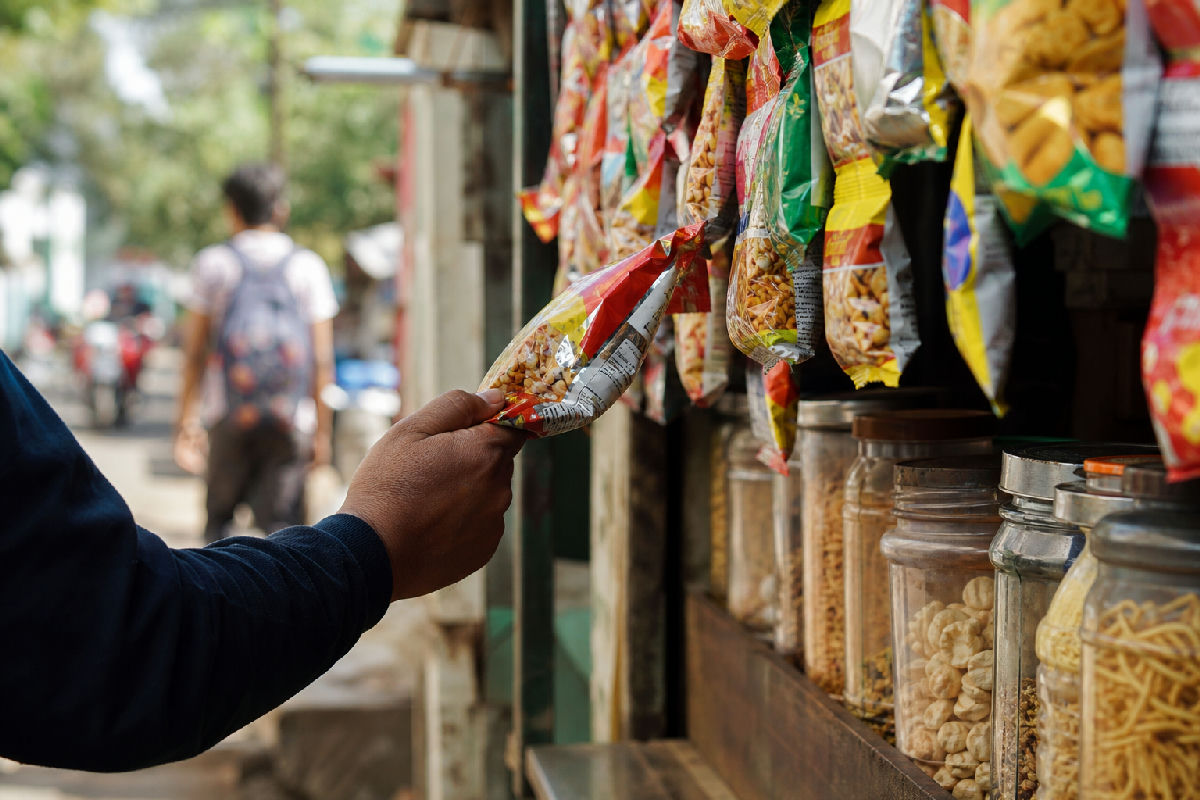
The phrase “junk food ban” is shorthand for a proposed location-based restriction, not a national prohibition on buying or eating these foods. Based on the reported HFSS criteria, the categories most likely to attract attention include:
- Sugary soft drinks and sweetened beverages: Colas and other drinks may cross the proposed added-sugar threshold, although the label and formulation would determine the result.
- Chips and savoury packaged snacks: Potato chips, extruded snacks and similar products may be affected if their fat, salt or both exceed the relevant limit.
- Confectionery and sweet snacks: Chocolate, candy, sweet biscuits, cakes and pastries could be assessed against added-sugar and fat thresholds.
- Fast food sold near schools: Samosas, pizzas, burgers and other prepared foods were specifically identified in reporting as examples of products that could fall within the policy’s scope.
- Flavoured and sweetened dairy or cereal products: These cannot be classified from marketing language alone; the nutrition information and applicable definition would matter.
A brand name is not enough to decide whether a product is covered. Two products in the same category can have different formulations, serving sizes and nutrition declarations.
The proposal could affect more than manufacturers. Reuters reported that family-run shops, restaurants and food stands near schools may have to change what they sell or how they advertise it to schoolchildren.
Chips cola school ban India: what parents and students need to know
The immediate answer is that chips and cola have not been banned nationwide. The proposal is not the same as a final rule, and it does not mean households cannot purchase these products outside the restricted area.
For parents, the practical issue is access around schools. If adopted in its current direction, a shop within 50 metres could be prevented from selling or advertising qualifying HFSS products to schoolchildren, while a product sold elsewhere would not automatically become illegal.
For students, availability may change unevenly. A school beside a market, food stall or large commercial area could face different enforcement challenges from a school with a single canteen, particularly because the draft’s implementation details and enforcement responsibilities still need clarification.
For small retailers, the rule could create compliance costs. They may need to identify qualifying products, review promotional displays and distinguish between food sold to students and food sold to other customers if the final framework retains that distinction.
The proposal also raises a measurement question: a 50-metre radius must be applied consistently. Authorities would need to clarify whether the distance is measured from the main gate, the school boundary or another reference point.
FSSAI school zone food restrictions: what consumers should do now
Until the consultation closes and a final notification is issued, consumers should treat social-media claims of an immediate ban with caution. Use this checklist:
- Check whether the rule is final. Look for a final FSSAI notification, not only headlines saying “ban” or “50-metre rule.” The reported consultation remains open until October 6, 2026.
- Read the nutrition panel. Compare fat, added sugar and salt with the relevant per-100-gram or per-100-millilitre thresholds. Do not rely only on claims such as “energy,” “natural,” “light” or “baked.”
- Separate school-zone rules from household safety. A product restricted near a school is not automatically banned across India. The policy is designed to change the food environment around children, not to prohibit every purchase.
- Ask the school for its current policy. Schools may already restrict canteen sales under existing guidance, regardless of what happens to the proposed 50-metre rule.
- Keep evidence of misleading notices. If a retailer claims that all chips, all colas or an entire brand is illegal, photograph the notice and retain the bill. Enforcement should follow the final legal text and product criteria.
- Submit informed feedback before the deadline. Parents, students, retailers and manufacturers can review the draft and send objections or suggestions through the process specified by FSSAI.
The most important distinction is between a proposed nutrient-based restriction and a blanket junk-food ban. The final framework may change after public feedback, legal consideration and further clarification of definitions, distances and enforcement.
Frequently Asked Questions
Are chips and cola banned near schools in India?
Not yet. FSSAI has proposed restrictions on the sale and advertising of foods high in fat, sugar or salt on school premises and within 50 metres, but the proposal remained open for public feedback until October 6, 2026.
What is the 50 metre junk food rule India?
It is a proposed restriction on selling or promoting qualifying HFSS foods on school campuses and within a 50-metre radius. It is not a nationwide ban on buying, possessing or eating chips, cola or other packaged foods.
What did FSSAI say about food restrictions near schools?
FSSAI chief executive Rajit Punhani said the authority had drafted a measure to curb high-fat, sugar and salt foods on campuses and within 50 metres of schools. FSSAI published the draft on August 7, 2026, and invited public objections and suggestions.
Which foods could be restricted under the school-zone proposal?
Potentially affected categories include sugary drinks, salty chips, sweet snacks and prepared foods such as samosas, pizzas and burgers if they exceed the proposed nutrient thresholds. The final decision would depend on the legal definitions and each product’s nutrition information.
Should parents stop buying packaged snacks?
The proposal does not require families to stop buying all packaged snacks. Parents can use the nutrition panel to compare fat, added sugar and salt, while remembering that the proposed rule concerns sales and advertising around schools.