Blinkit rat ice cream video: what the Kalyan clip reveals about quick commerce food safety
A viral clip of a rat in a Blinkit ice cream crate has collided with a wider crackdown on dark-store hygiene, raising urgent questions about quick-commerce food safety.
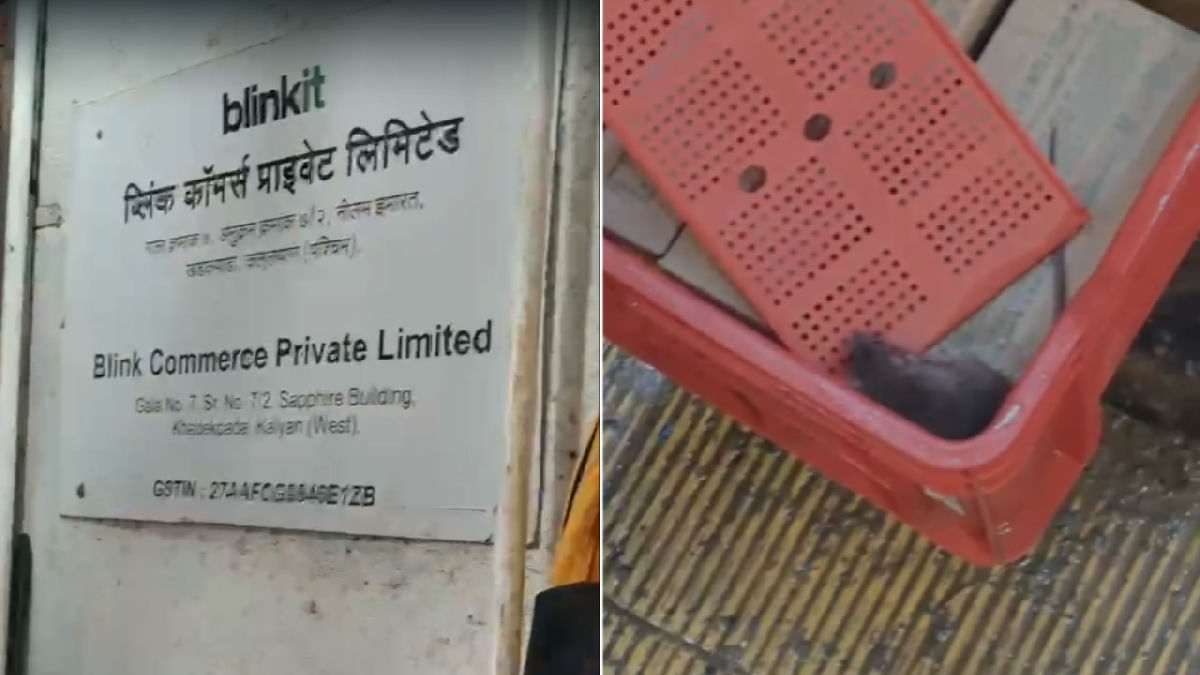
A tiny movement in a freezer in Kalyan’s Godrej Hill area has turned into a nationwide food-safety reckoning.
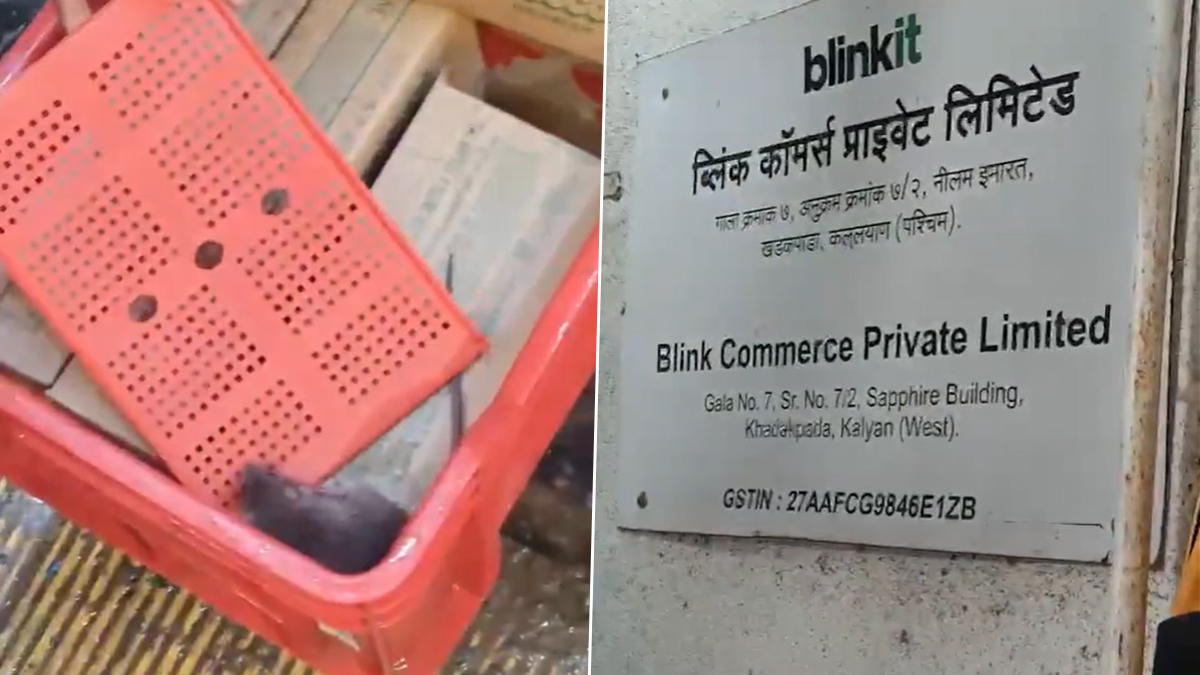
In a video shot on a mobile phone and shared widely on August 16, 2026, a live rat can be seen moving inside an ice cream crate at a Blinkit quick-commerce outlet, inches away from sealed tubs and cones. Within hours, the “Blinkit rat ice cream video” was being forwarded across WhatsApp groups, dissected on YouTube explainers, and cited in TV debates about quick commerce food safety.

This is not just another viral scare. It lands at a moment when regulators are already cracking down on hygiene lapses in dark stores and delivery hubs across Mumbai and Thane. For crores of Indians who now treat 10-minute delivery apps as their neighbourhood kirana, the Kalyan video poses a blunt question: how safe is the food sitting inside these invisible warehouses?
Blinkit rat ice cream video: what the Kalyan clip shows
According to multiple news reports, the incident took place at a Blinkit fulfilment store in the Godrej Hill area of Kalyan West (Thane district, Maharashtra) on or around August 16, 2026.[1][8][9][10][13]
Young customers reportedly walked into the outlet to buy ice cream and noticed movement inside a freezer compartment that holds plastic crates filled with packaged ice cream.[1][9][10][13] When they looked closer, they saw a live rat moving across the crate and among the frozen products. One of them began recording.
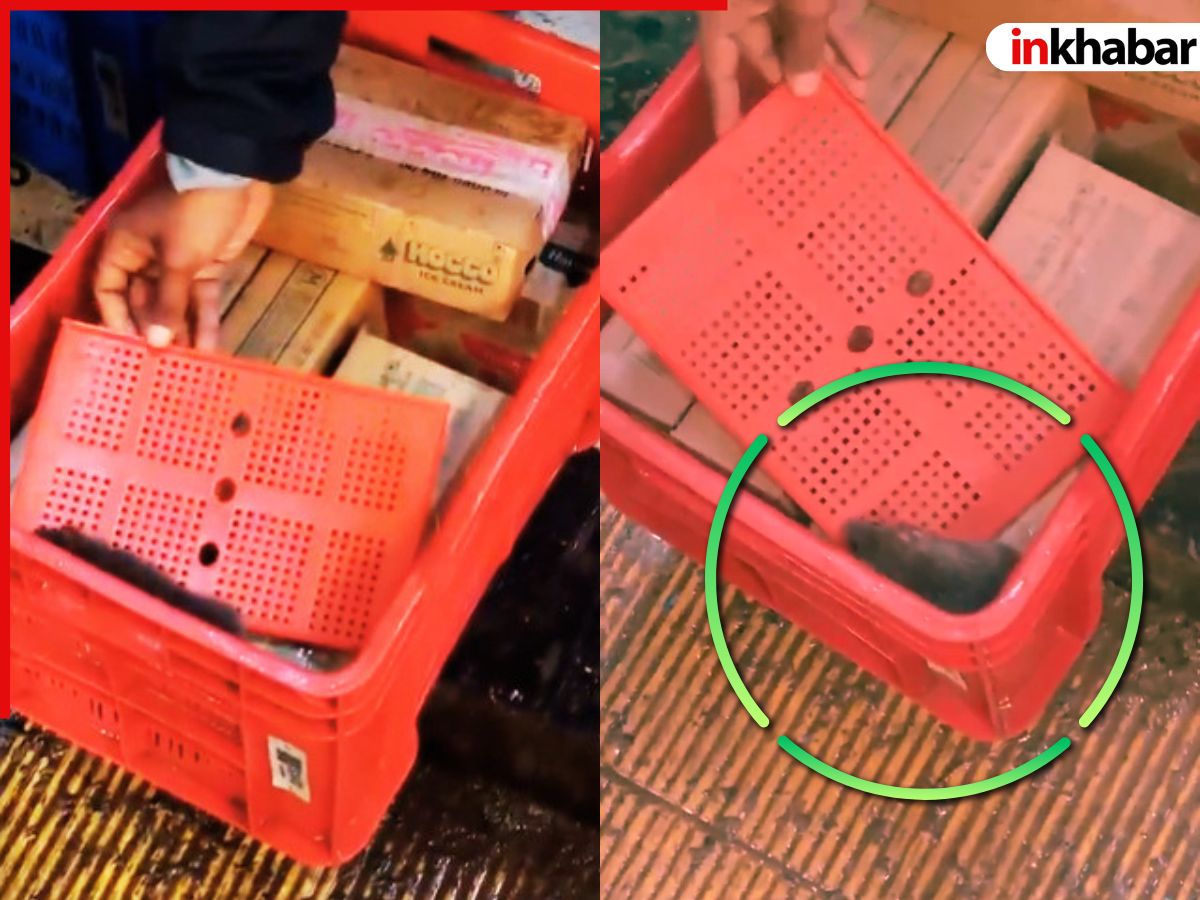
The viral “Kalyan Blinkit rat viral video” shows:
- A standard commercial ice cream freezer, with open-top crates holding branded packaged ice cream.
- A small rat moving within one such crate, climbing over or between the products.
- No visible staff intervention during the short clip; the focus is on the animal and the proximity to food.
The video was uploaded to social media and quickly amplified by local pages, Hindi news portals, and YouTube news channels. It was soon carried by national media under headlines like “Rat allegedly spotted inside ice cream freezer at Blinkit store in Kalyan” and included in broader coverage of hygiene lapses at quick-commerce outlets.[2][3][6][8][9][10][11][13]
Blinkit had not issued a public detailed clarification at the time of early coverage, beyond generic statements on cooperating with authorities and taking hygiene seriously, and Maharashtra’s Food and Drug Administration (FDA) had not yet published an inspection report specifically about the Kalyan store.[9]
This leaves the Kalyan incident in a familiar grey zone of Indian food-safety scandals: a vivid viral video, widespread outrage, and limited official detail about what happened next inside that particular outlet.
Ice cream crate rat quick commerce: how dark stores really work
To understand what the ice cream crate rat quick commerce story means, we need to look at how platforms like Blinkit, Zepto, Instamart and others actually store food.
Quick-commerce companies run “dark stores” or fulfilment centres: small warehouses that are not open to the general public but are stacked with groceries, snacks, frozen foods, and fresh produce.[12][14][15] Delivery workers pick orders from these racks and freezers and hand them to riders, who bring them to consumers’ homes in minutes.
In theory, the cold chain for products like ice cream should look like this:
- Manufacturer’s cold storage and transport under controlled temperature.
- Distributor or platform warehouse with sealed freezers, pest control, and temperature monitoring.
- Last-mile dark store or hub with closed freezer units, minimal open storage, and strict hygiene protocols.
In practice, recent inspections in Mumbai suggest that this chain is not always maintained.
- At a Blinkit dark store in Malad West, the Maharashtra FDA suspended the food licence after an August 7 inspection found “extremely unhygienic conditions”, heavy cockroach infestation, expired and tampered packaged food, improper cold storage, and poor record-keeping.[7][12][14]
- Inspectors flagged inadequate pest and rodent control, rusted racks, products stored directly on the floor, and non-compliance with FIFO/FEFO (first-in-first-out, first-expired-first-out) inventory practices.[7][12][14]
- Licences for facilities of Blinkit, Instamart and Zepto were suspended in other parts of Mumbai over issues like cockroaches, lizards, poor drainage, and temperature control problems for frozen products.[15]
Against this backdrop, the Kalyan Blinkit rat ice cream video looks less like an isolated freak incident and more like a symptom of systemic problems in Blinkit dark store hygiene and quick commerce food safety.
What we know – and don’t know – about contamination risk
The key consumer fear is simple: does a rat in an ice cream crate make that ice cream unsafe to eat?
From a food safety standpoint, several factors matter:
- Rodent presence itself is a red flag. Rats can carry pathogens such as Salmonella, Leptospira (causing leptospirosis), and various parasites. Their urine and faeces can contaminate surfaces, packaging, and, in worst cases, food.
- Packaging integrity matters. If all the ice cream products remained fully sealed, with intact wrappers and lids, the immediate risk of direct contamination is lower. However, exterior contamination (on the pack) can still be an issue if handling is unsafe.
- Hygiene protocols after detection are critical. A responsible outlet should:
- Deep clean and disinfect the freezer compartment.
- Intensify pest control and seal entry points.
- Examine stock for chewed packaging or contamination.
Because no detailed official inspection note for Kalyan has yet been made public, we do not have verified information on whether stock was discarded, the freezer was deep-cleaned, or the store was temporarily shut.[9]
Regulators and consumers are therefore working with visual proof of a hygiene breach, but limited transparency about subsequent corrective action.
Quick commerce food safety: why regulators are suddenly aggressive
India’s Food Safety and Standards Authority of India (FSSAI) sets overarching rules for hygiene, pest control, storage conditions, and temperature maintenance for any “food business operator” – including quick-commerce platforms.
Under the Food Safety and Standards Act, 2006 and related regulations, companies like Blinkit must:
- Maintain clean premises, safe waste disposal, and pest & rodent control.
- Keep frozen products like ice cream at appropriate temperatures.
- Ensure expiry dates are respected and tampered packs are removed.
- Train food handlers and maintain health records.
The Maharashtra FDA, acting under FSSAI’s framework, has in August 2026 clearly signalled that dark stores are no longer invisible to inspectors.[7][12][14][15]
Key actions around the time of the Kalyan video include:
- August 7, 2026: FDA inspection of Blinkit’s Malad West dark store finds extensive violations and leads to immediate suspension of its food licence.[7][12][14]
- August 10–14, 2026: Public disclosures of cockroach infestation and expired stocks at Blinkit Malad; licences of other quick-commerce facilities (including Instamart and Zepto) suspended over hygiene lapses.[7][12][15]
- August 16–17, 2026: The Kalyan Blinkit rat viral video spreads, adding pressure on regulators to expand inspections to suburban outlets.[1][8][9][10][13]
Television debates and explainers have framed the Kalyan rat as part of a pattern: cockroaches in one dark store, rats in an ice cream crate in another, and more surprises possibly lurking in a system built for speed rather than transparent safety.[5][6][11]
Consumer impact: what this means for the average Indian shopper
For most urban consumers, Blinkit, Zepto, Instamart and similar apps have quietly replaced the physical grocery shop for everyday needs.
This shift has three implications:
- Out of sight, out of scrutiny. Traditional kirana shops are visible; customers see fridges, floors, and basic hygiene. Dark stores are inaccessible back-end hubs. The Kalyan video breaks that invisibility.
- Dependence on brand trust. Consumers rely on platforms’ claims of “fresh” and “safe” without seeing the warehouse. Incidents like a rat in an ice cream crate or cockroaches in a vegetable section directly undermine that trust.[7][12][14][15]
- Confusion over responsibility. When something goes wrong, who is accountable – the quick-commerce platform, the manufacturer, the regulator, or all of the above?
The current crackdown and the Kalyan clip together send a clear message: quick commerce deserves the same scrutiny as any restaurant or supermarket, and consumers should start acting accordingly.
Blinkit dark store hygiene: what the Malad case tells us
Even though we lack an official report for the Kalyan outlet, regulators have spelled out in detail what they found inside a Blinkit dark store in Malad West – and that paints a worrying picture.[7][12][14]
According to Maharashtra FDA disclosures and investigative reporting:
- The Malad facility was in an “extremely unhygienic” condition.
- Inspectors found extensive cockroach infestation in areas storing fruits and vegetables.
- Food products were stored on rusted racks and sometimes directly on the floor.
- Expired, damaged and tampered packaged food was discovered, including in cold-storage areas.
- The store failed to comply with FIFO/FEFO stock rotation, risking older and near-expiry items staying in circulation.[7][12][14]
- There were inadequate pest and rodent controls, poor waste management, lack of medical examinations for food handlers, and insufficient personal hygiene and protective equipment.[7][12][14]
The FDA reacted by suspending the Malad facility’s food business licence with immediate effect, banning it from selling or distributing food until further orders.[7][12][14]
For consumers, this case shows that regulatory inspections can and do uncover serious issues behind the app interface, and that licence suspension is a real consequence when hygiene collapses.
What to check before ordering ice cream or chilled packaged foods
You cannot walk into a dark store to inspect it, but you can change how you order and what you accept.
Here are practical steps:
1. Inspect packaging on delivery
When your ice cream, frozen peas, paneer or meat arrives:
- Check that seals, lids and wrappers are intact.
- Look for teeth marks, small holes, or crushed corners that could indicate mishandling or pests.
- Reject any item with torn packaging, stains, or sticky residue on the outside.
2. Check temperature and texture
For ice cream specifically:
- It should arrive firm and frozen, not semi-liquid.
- Repeated thawing and refreezing can cause ice crystals and texture changes, and may indicate poor cold chain management.
If multiple frozen items in a single order feel partially thawed, consider raising a complaint through the app.
3. Use the app’s complaint and refund systems
Most quick-commerce platforms allow you to:
- Report a “damaged” or “not fresh” item.
- Attach photos showing torn packs, unhygienic product condition, or foreign objects.
- Seek a refund or replacement.
Doing this consistently builds a record of complaints that can push platforms to tighten their Blinkit dark store hygiene and similar practices.
4. Watch for patterns, not one-offs
One stray hair or dented carton can happen anywhere. But if you notice:
- Repeated near-expiry products.
- Multiple orders with poorly frozen ice cream.
- Strange smells from frozen or chilled items.
…you may be dealing with a store that has broader hygiene or storage issues. Consider switching platforms or temporarily using local stores.
5. Pay attention to regulatory news
Maharashtra’s FDA has begun publishing more information about inspections of quick-commerce hubs. When you see headlines about licence suspensions or pest infestations at a specific location, and you’re in that catchment area, treat that as a serious prompt to re-evaluate where your food is coming from.
6. Don’t assume “sealed = safe” in all contexts
A rat in an ice cream crate may not always lead to direct contamination of what’s inside sealed tubs, but it does signal weak pest control and cleaning. Over time, those weaknesses can show up elsewhere – on open foods, in repacking, in handling.
If an outlet can allow a rat into a freezer, it is reasonable to question what else might be happening when cameras are not rolling.
How donteat.in looks at incidents like the Kalyan Blinkit rat video
At donteat.in, we treat visual evidence seriously, but we also look for official documents, inspection reports, and patterns over time.
In the Blinkit rat ice cream video case, the available facts suggest:
- There is real video footage showing a rat inside an ice cream crate at a Blinkit outlet in Kalyan’s Godrej Hill area.
- Multiple reputable news organisations have verified the location and timing, though they still describe the rat presence as “alleged” pending formal regulatory confirmation.[1][3][8][9][10][13]
- Regulators have not yet published a detailed site-specific report on what was found and what action was taken in Kalyan.[9]
- Separate inspections of other Blinkit dark stores (notably Malad West) have exposed serious hygiene lapses, indicating that food-safety risks in quick commerce are real and documented.[7][12][14][15]
For now, we recommend consumers treat the Kalyan video as a credible warning about systemic weaknesses, not as a reason for panic about every single tub of ice cream. But the burden of proof is on platforms and regulators to show that rats in ice cream crates and cockroaches in vegetable racks are the exception, not the norm.
Frequently Asked Questions
What is the Blinkit rat ice cream video from Kalyan about?
In mid-August 2026, a viral video shot at a Blinkit fulfilment store in Kalyan’s Godrej Hill area shows a live rat moving inside an ice cream crate in a freezer, close to packaged ice cream products. News outlets picked up the clip, describing it as an alleged rat sighting and linking it to wider concerns about quick commerce food safety.
Is Blinkit ice cream safe to eat after the Kalyan rat incident?
A rat inside an ice cream crate is a serious hygiene breach, but the direct risk depends on whether individual packs were still fully sealed and what corrective action the store took. Because regulators have not yet published a detailed report on the Kalyan outlet, consumers should inspect packaging carefully on delivery, reject damaged or suspect items, and rely on complaint channels when they see problems.
Did Maharashtra FDA take action on the Kalyan Blinkit store?
As of the earliest media coverage, Maharashtra’s FDA had not released an official inspection note specifically confirming findings or actions at the Kalyan Blinkit outlet, even though the video triggered calls for investigation. However, the same regulator has recently suspended licences of other Blinkit dark stores, including a Malad West facility, over documented hygiene and pest-control failures.
What did inspections find at other Blinkit dark stores in Mumbai?
An August 7 inspection of Blinkit’s Malad West dark store found extremely unhygienic conditions, heavy cockroach infestation, expired and tampered packaged food, rusted racks, poor cold-storage practices, and inadequate pest and rodent control. The Maharashtra FDA suspended the store’s food licence, and similar issues have been reported at other quick-commerce facilities.
How can I protect myself when ordering ice cream or frozen foods from quick-commerce apps?
Check that all packs are sealed and undamaged, ensure ice cream arrives properly frozen, and reject or complain about items that look contaminated, thawed, or near expiry. Use in-app complaint tools to document problems, follow regulatory news about local dark stores, and be ready to switch platforms or stores if hygiene concerns persist.