Butter Chicken Stuffed Idli: What the Swish Viral Debate Reveals
Swish’s ₹179 menu experiment triggered an X backlash, but the real consumer questions concern ingredients, allergens, nutrition and delivery expectations.
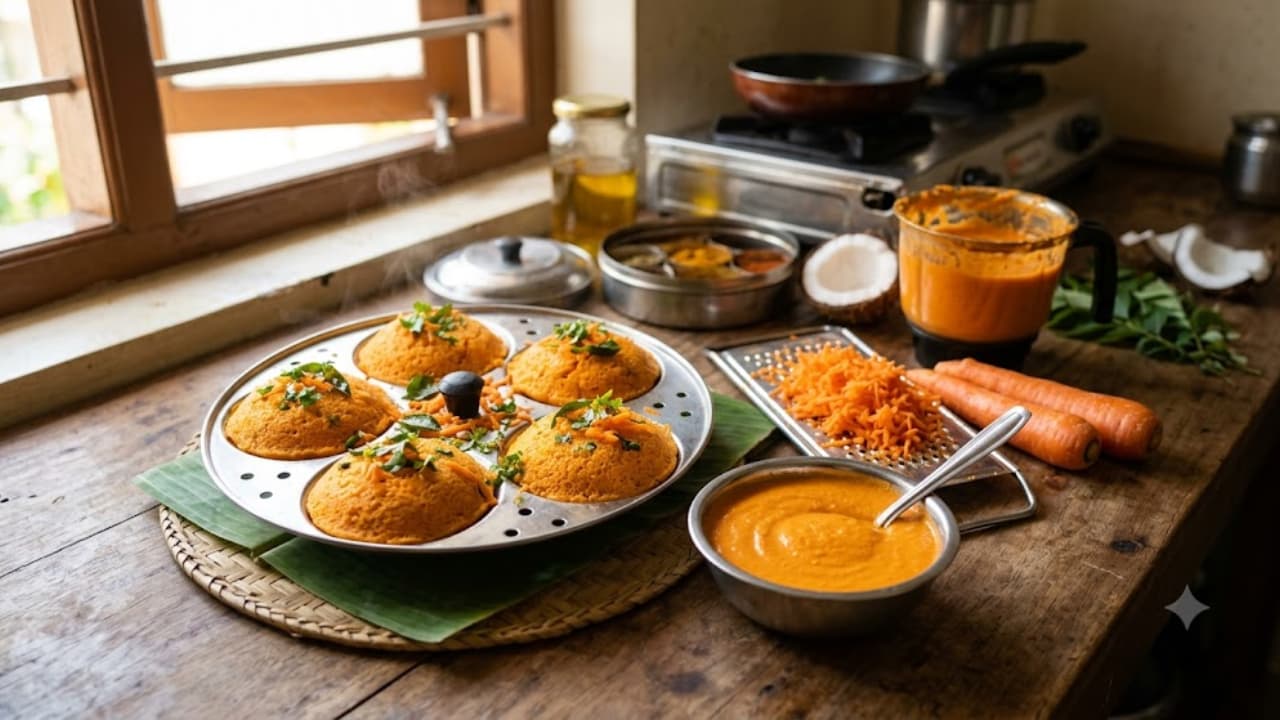
A plate of six idlis, two cut open to reveal orange butter-chicken filling, has turned a familiar South Indian breakfast into a national food argument. The butter chicken stuffed idli was listed by food-delivery startup Swish at ₹179, then drew attention after an X user named Vansh posted its photograph and joked that whoever created it deserved “minimum 20 years jail.” [1][2]
The reaction is real, but the label “viral” needs care: news reports confirm discussion on X and pickup by multiple publications, while no verified engagement total, view count, hashtag ranking or Google Trends spike has been published. For consumers, the more useful questions are less theatrical: what exactly is in a Swish stuffed idli, how is it described, and what should a buyer check before ordering?
Butter Chicken Stuffed Idli: What Happened and What the Evidence Shows
The dish appeared on Swish’s menu as Butter Chicken Stuffed Idli, priced at ₹179. Reports describe six idlis served with chutney, with two pieces cut open in the image to show a cooked orange-coloured filling. [1][2][3]
Here are the five facts established by the available coverage:
- Swish is the named food-delivery brand. The startup markets fresh meals, snacks and drinks with a stated 10-minute delivery promise. [2][7]
- The listed price was ₹179. The price appears consistently in reports covering the dish. [1][2][7]
- The filling was presented as butter chicken. The menu concept combines steamed idli with a rich North Indian curry filling. [1][5]
- The X post triggered the discussion. Vansh tagged Swish and used the “minimum 20 years jail” line as a joke, prompting criticism, humour and some defence of fusion food. [2][5]
- The image is the central evidence. It shows the plated product and visible filling, but does not establish the recipe, portion weight, chicken quantity, calorie count, preparation time or nutritional composition. [1][7]
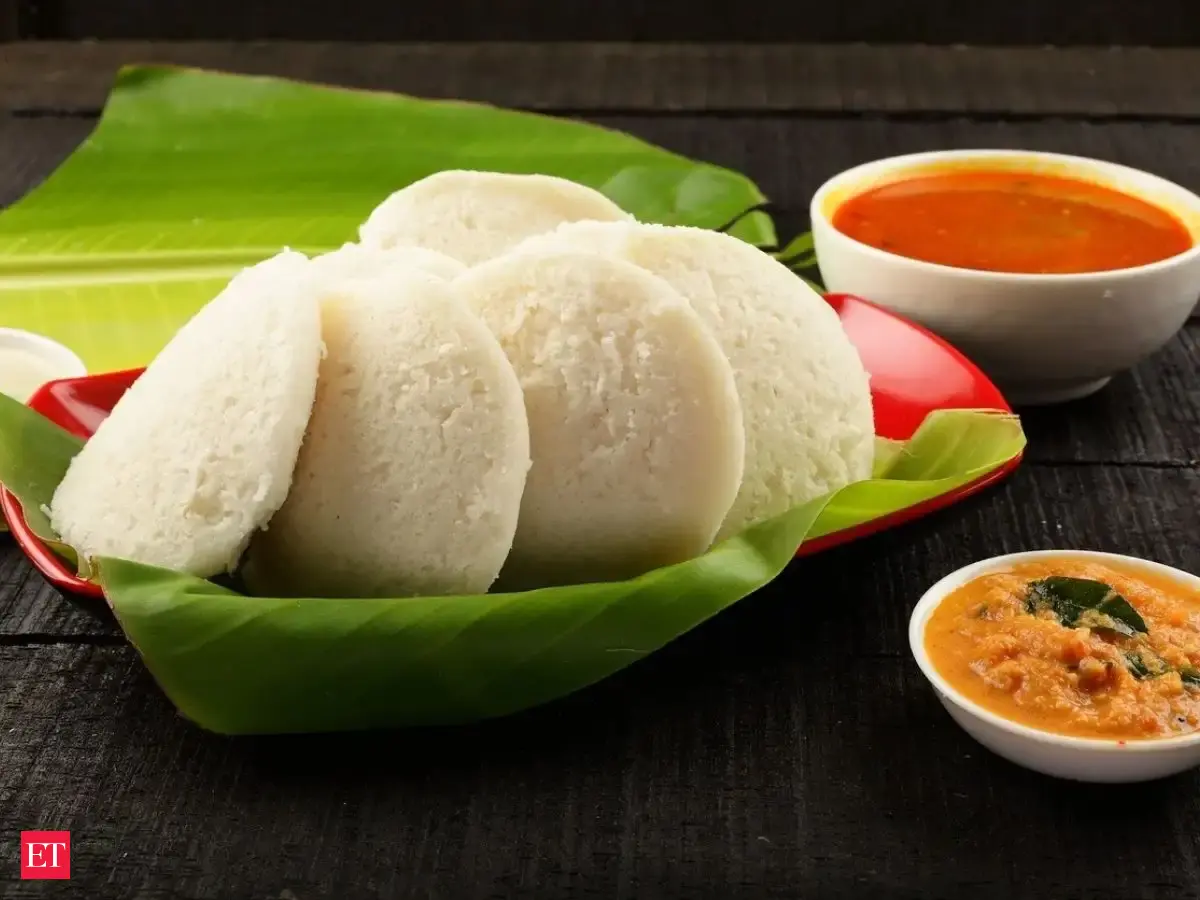
The debate is therefore partly cultural and partly commercial. Traditional idli is made from fermented rice-and-lentil batter, steamed and commonly served with sambar and coconut chutney; Swish’s version uses the idli as a casing for a heavier, creamy curry-style filling. [4][6]
That does not make the product unsafe, illegal or nutritionally equivalent to plain idli. It does mean that a buyer should not infer healthfulness from the word “idli” alone.
Swish Stuffed Idli: What Consumers Still Do Not Know
The reports identify the product and price, but they do not publish a full ingredient list, allergen declaration, serving weight or nutrition panel. No independent laboratory test, FSSAI action or confirmed consumer complaint is cited in the available coverage.
That evidence gap matters because “butter chicken” can describe a recipe style rather than a standardised nutritional formula. Cream, butter, oil, cashew, dairy-based ingredients, spice blends and chicken may vary by kitchen; the photograph cannot tell a consumer how much of each is present.
What the ₹179 listing does—and does not—promise
- It identifies the dish by name. That gives the buyer a basic description, not a complete ingredient disclosure.
- It shows a portion visually. Six pieces are visible in published photographs, but the edible weight is not stated in the reports.
- It signals a non-traditional combination. A customer ordering plain idli should not assume the product has the same ingredients or nutritional profile.
- It does not provide a calorie claim. No calorie, protein, fat, sodium or carbohydrate number is established by the available reports.
- It does not prove a safety problem. Online outrage is not evidence of contamination, adulteration or regulatory non-compliance.
Butter Chicken Idli Viral Debate: What It Means for Shoppers
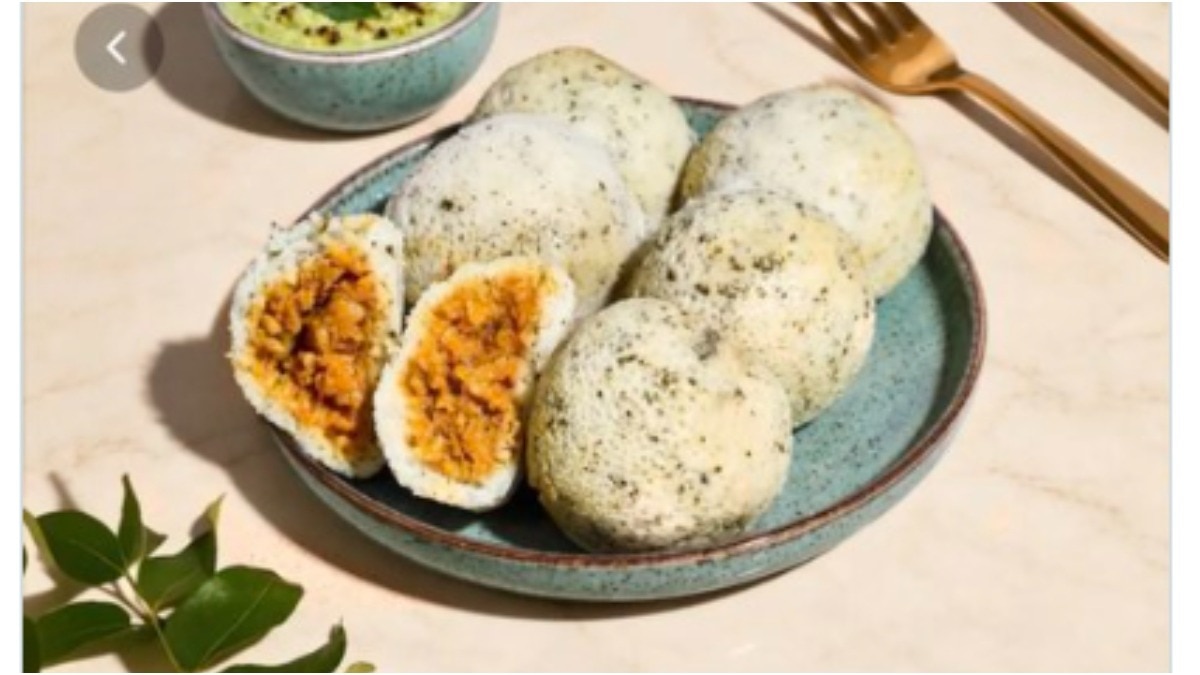
The butter chicken idli viral conversation is useful only if it moves beyond “food crime” jokes. A delivery-menu photograph can create strong expectations, particularly when a dish is visibly cut open and directly tied to a brand.
- Expectation becomes part of the purchase. The customer reasonably expects the delivered item to resemble the listing in appearance, count and filling.
- The name is not a nutrition label. Idli suggests a steamed product, but the filling may add dairy, fat, sodium and calories.
- Dietary restrictions need active checking. A chicken filling excludes vegetarians, while butter- chicken recipes may involve milk, cream, butter or cashew. Cross-contact is also possible in shared kitchens.
- Allergy information is more important than the joke. People with milk, nut or other food allergies should seek the ingredient and allergen information before ordering.
- Fusion is not automatically deceptive. Combining cuisines is a creative choice; the consumer issue is whether the menu describes the product clearly and delivers what it depicts.
For restaurants and delivery platforms, written allergen information is the practical safeguard. Industry guidance says packaged foods use a “Contains” declaration, while restaurants and food-service operators should make allergen information available through menus, charts, counters or trained staff. [10]
Swish Idli Review: A Consumer Checklist Before Ordering
There is no independent Swish idli review or lab-tested nutritional analysis in the coverage reviewed. Until one is available, use this checklist rather than treating social-media reactions as a product verdict.
- Read the complete menu description. Check whether the listing specifies chicken, dairy, nuts, egg, sauces or possible allergens.
- Ask customer support about allergens. Get a written answer where possible, especially for milk, cashew, peanut or gluten concerns.
- Check the delivered portion. Compare the number of pieces, visible filling and major features with the listing photograph.
- Inspect temperature and packaging. Do not eat food that arrives unusually cold, leaking, damaged or with an unexplained odour.
- Do not rely on “steamed” as a health claim. The idli may be steamed while the filling remains rich in fat, salt or dairy.
- Photograph discrepancies immediately. Keep the order receipt, listing screenshot, packaging and delivery time if the product differs materially.
- Report serious issues through the platform. Suspected spoilage, foreign material, allergic reaction or illness should be reported promptly to the platform and relevant food-safety authorities.
The fair conclusion is narrower than the internet’s verdict. Swish’s butter chicken stuffed idli is a documented ₹179 menu item that prompted online debate; the available evidence does not establish that it is unsafe, fraudulent or nutritionally healthy. Consumers should judge it on disclosure, delivery quality and personal dietary needs—not on whether traditionalists approve of the combination.
Frequently Asked Questions
What is butter chicken stuffed idli?
It is a Swish menu item combining steamed idli with a butter-chicken filling. Reports described six pieces served with chutney and listed the price at ₹179. [1][2]
Why did Swish stuffed idli go viral?
An X user named Vansh shared a photograph, tagged Swish and jokingly called for “minimum 20 years jail.” The post was then covered by several news outlets and prompted criticism, humour and support for food fusion. [2][5]
Is butter chicken idli safe to eat?
The available reports do not cite contamination, a recall, an FSSAI finding or independent laboratory testing. Safety depends on preparation, storage, delivery temperature and the consumer’s allergies, so check the listing and ask the platform about ingredients before ordering.
Does butter chicken stuffed idli contain dairy or nuts?
The reports reviewed do not provide a verified full ingredient list or allergen declaration. Because butter-chicken recipes commonly vary, consumers with milk or nut allergies should obtain confirmation from Swish before purchase.
Should people stop buying Swish idli?
There is no evidence in the available coverage that warrants a blanket boycott or establishes the dish as unsafe. Decide based on the ingredient disclosure, allergen information, delivered condition and whether the product matches its listing.