Cerelac Gelato Chennai: Is Ciacco’s Viral Dessert Safe to Eat?
Ciacco’s nostalgia dessert drew crowds and criticism over its baby-bottle presentation, but the food-safety evidence is narrower than the online debate.
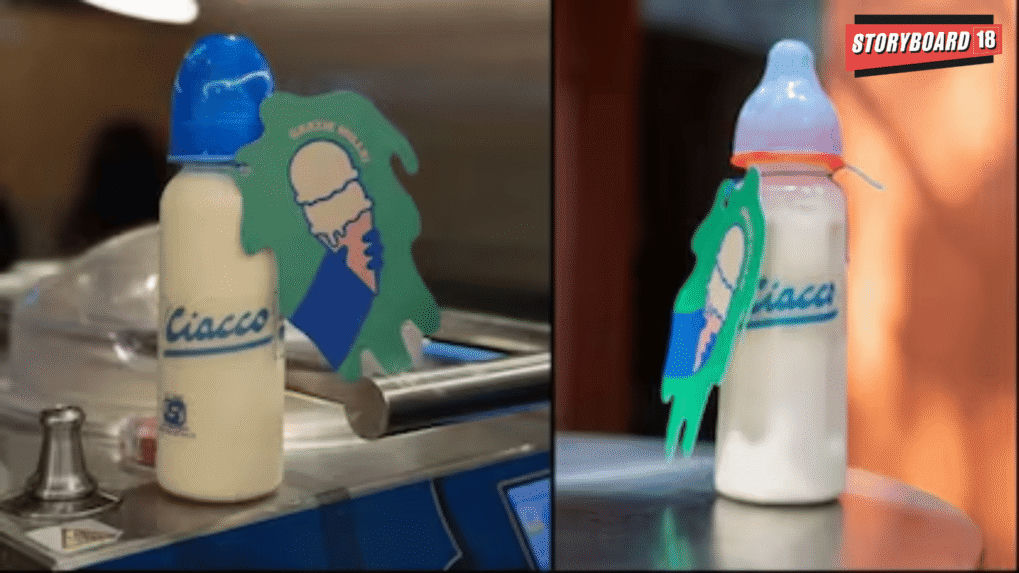
A feeding bottle filled with Cerelac gelato turned a Chennai dessert launch into a city-wide argument. Gelateria Ciacco introduced its “Grown-Up Cerelac Gelato” and cold Cerelac milk at its Teynampet outlet on November 14 for Children’s Day; influencer posts reportedly brought crowds and traffic congestion on Anna Salai. [1][5]
The viral Cerelac gelato Chennai story has two separate questions: is the dessert safe for an adult to eat, and is serving it in a baby bottle an appropriate marketing choice? The available reporting supports broad social attention and public criticism, but does not independently verify claims of 100,000-plus views, a hashtag ranking or a specific Google Trends spike.
Cerelac gelato Chennai: what happened at Ciacco
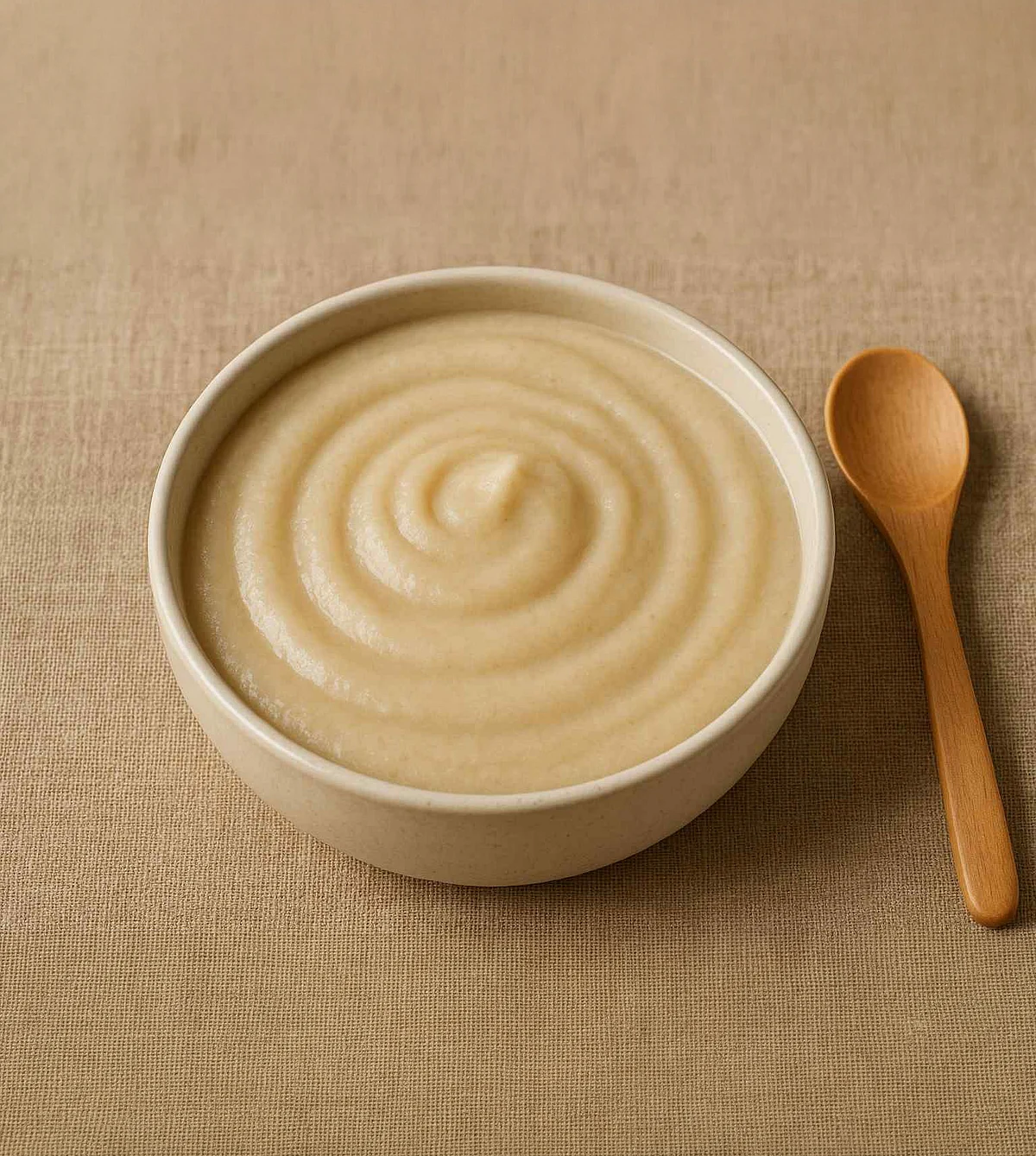
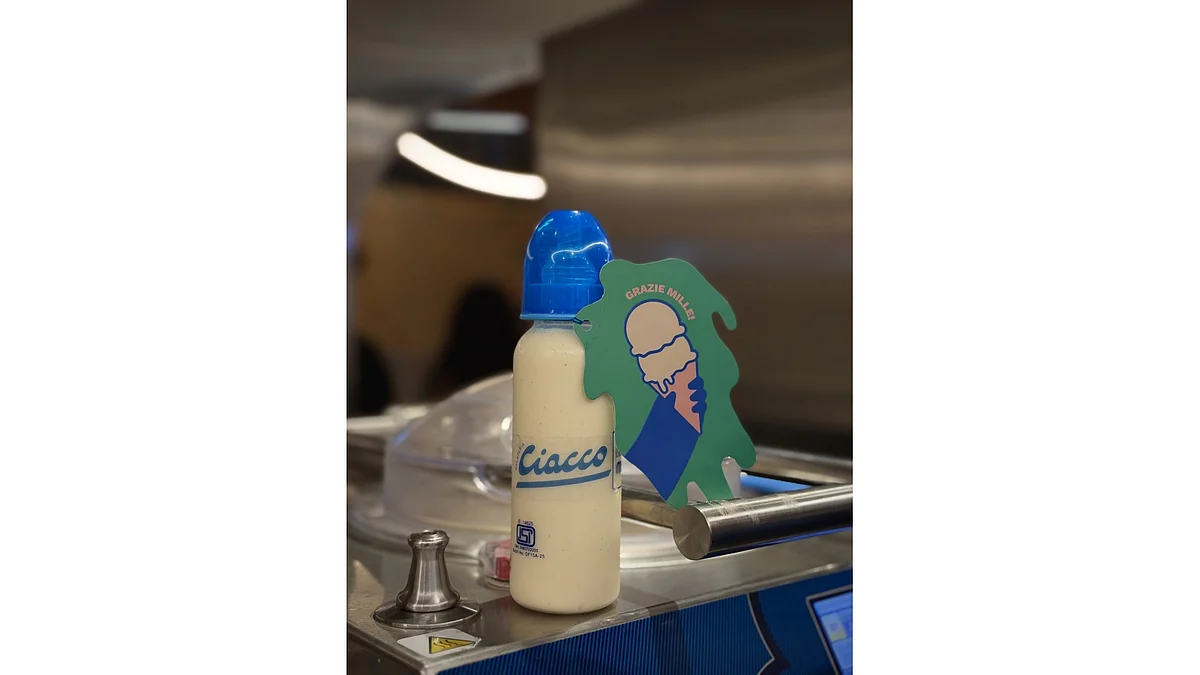
Ciacco’s concept combined a familiar childhood flavour with an adult-only nostalgia pitch. Reports say the outlet offered Cerelac-flavoured gelato, hot or cold Cerelac milk, and a plastic feeding-bottle presentation limited to about 100 bottles a day. Customers could also choose a cup. [6]
Five facts behind the Ciacco Cerelac gelato controversy
- The launch date was November 14. Ciacco introduced the products around Children’s Day, describing them as intended for adults seeking nostalgia rather than as baby food. [1][5]
- The bottle became the story. The drink was reportedly served in a plastic bottle with a soft silicone nipple designed for children transitioning from breastfeeding. That presentation, rather than the gelato’s recipe alone, drove criticism. [6]
- Influencers amplified the launch. Storyboard18 reported that social-media posts helped draw large crowds to the Teynampet outlet and contributed to congestion on Anna Salai. [1]
- Ciacco said the idea came from customer interaction. Culinary director and co-founder Cheruba Nelson told DT Next that the drink began as a cup-served dessert, before a customer jokingly suggested using a feeding bottle. [8]
- The backlash focused on age-appropriateness and symbolism. Doctors and creators questioned the use of an infant-feeding object for adult consumption, while online commentary included concerns about sexualisation and the contrast between baby imagery and adult marketing. [5][8]
The reporting does not establish that the product is contaminated, adulterated or inherently dangerous because of its name. It does establish a marketing choice that many consumers found uncomfortable, particularly because the bottle is visually and functionally associated with infant feeding.
Is Cerelac ice cream viral product safe to eat?
For a healthy adult, the central safety issue is not the word “Cerelac” but the full ingredient and handling chain. A dessert made with commercially packaged cereal, milk, sugar and flavouring is not automatically unsafe; the risk depends on the formulation, allergens, cold-chain control, hygiene and serving equipment.
Ciacco’s precise recipe, batch details, ingredient quantities and laboratory test results were not provided in the available reports. That means consumers should not treat the viral product as nutritionally equivalent to a bowl of infant cereal, or assume that the presence of Cerelac makes a gelato suitable for babies.
What the evidence does and does not show
- No reported contamination finding: The available coverage reports controversy and crowds, not a laboratory-confirmed safety failure. [1][5][6]
- No evidence it is baby food: The product was marketed as a grown-up nostalgia dessert, not as infant nutrition. [1][5]
- Possible allergen exposure: Milk and cereal ingredients can matter to people with milk, wheat or other declared-ingredient allergies. The outlet’s current allergen statement should be checked before ordering.
- Cold-chain dependence: Gelato and milk drinks require proper refrigeration, clean equipment and controlled holding temperatures. A viral queue increases the importance of turnover and handling discipline, but crowd size alone does not prove unsafe food.
- Bottle hygiene matters: A feeding bottle and silicone nipple must be food-safe, clean, sanitised and replaced when damaged. Customers should ask for a cup if the bottle appears reused, cracked, visibly dirty or poorly stored.
The Cerelac sugar question is relevant—but easy to misuse
The Ciacco product has been pulled into a wider debate about packaged Cerelac sold in India. In April 2024, Public Eye and the International Baby Food Action Network reported that Nestlé’s Cerelac products in India contained added sugar, while comparable products in some European markets did not. The report cited an average of nearly 3 grams of sugar per serving in India; another report described 2.2 grams per serving. [7]
FSSAI sought an explanation from Nestlé after those allegations, and later reporting said the regulator formed a committee to review sugar use in infant foods. Nestlé’s position, as reported by The Economic Times, was that its products complied with Indian limits. [7][10]
FSSAI’s 2026 draft amendment proposed prohibiting added sucrose and fructose in products intended for infants up to six months. It is a proposal, not proof that Ciacco’s gelato violates infant-food rules. [2][3]
The practical distinction is crucial: regulations for foods intended for infants do not automatically classify an adult dessert as infant food. But using infant packaging and the Cerelac name can blur that distinction for consumers, especially parents.
What Ciacco Chennai controversy means for consumers
- Do not feed it to babies. An adult dessert is not a substitute for age-appropriate complementary feeding, and a viral serving format does not change that.
- Treat it as a dessert, not a health food. Cerelac branding or flavour does not make gelato nutritionally balanced. Expect sugar, dairy and calories unless the outlet publishes a verified nutrition panel.
- Ask about ingredients before ordering. Consumers with milk, wheat or other allergies should request the complete ingredient and allergen information rather than relying on the product name.
- Choose a cup if the bottle feels inappropriate. The cup option removes the feeding-bottle concern without changing the basic dessert experience.
- Separate criticism from proof. Discomfort with the presentation is a legitimate consumer response, but it is not evidence of contamination. Conversely, popularity is not evidence of safety.
- Avoid sharing feeding equipment. If a bottle is used, it should be individually cleaned and sanitised. Do not allow children to share a nipple or use a bottle that appears intended for repeated public service without clear hygiene controls.
A practical checklist before trying Grown-Up Cerelac Gelato
- Check the outlet’s ingredient list. Look for milk, wheat, nuts, soy and any other allergens relevant to you.
- Ask whether the Cerelac is a retail product. If it is, check the original pack, batch number, expiry date and storage instructions.
- Confirm the serving choice. Request a cup rather than a feeding bottle if you do not want the infant-feeding presentation.
- Inspect temperature and cleanliness. Skip the order if the gelato is visibly melted and refrozen, the counter is unclean, or equipment is handled without basic hygiene.
- Do not infer nutrition from nostalgia. Ask for sugar or calorie information if you are managing diabetes, weight, allergies or another dietary condition.
- Report a genuine safety problem. Preserve the bill, packaging and photographs, then contact the outlet and report suspected food-safety violations to the relevant local authority or FSSAI channel.
The strongest evidence currently supports a viral marketing controversy, not a confirmed food-safety incident. The fairest verdict on the Ciacco Cerelac gelato is therefore narrow: adults can assess it as an ordinary dessert, but the outlet should make ingredients, allergens, hygiene practices and the bottle’s intended use unmistakably clear.
Frequently Asked Questions
Is Ciacco’s Grown-Up Cerelac Gelato safe to eat?
There is no reported laboratory finding showing that Ciacco’s gelato is contaminated or inherently unsafe. Safety depends on its actual ingredients, allergen controls, refrigeration, preparation hygiene and the cleanliness of the serving bottle or cup.
Is the viral Cerelac ice cream meant for babies?
No. Reports describe it as an adult nostalgia dessert, not infant food or a substitute for complementary feeding. Babies should not be given the product merely because it uses the Cerelac name or a feeding bottle.
Why is Ciacco’s Cerelac gelato controversial?
The main criticism concerns serving the drink in plastic baby feeding bottles with silicone nipples. Doctors and social-media creators questioned whether that presentation is age-appropriate and whether it turns infant-feeding imagery into adult marketing.
Does the Cerelac sugar controversy prove Ciacco’s gelato is unsafe?
No. The separate debate concerns added sugar reported in some packaged Cerelac products sold in India and FSSAI’s response. It does not establish that Ciacco’s dessert is contaminated or violates infant-food regulations.
Can customers order Ciacco Cerelac gelato in a cup?
Reports say the drink was also available in a cup. Consumers who dislike the bottle presentation can request that option, while still checking ingredients and allergen information.