CTR Cockroach Dosa Video: What Bengaluru Diners Should Know
The viral allegation is serious, but the available evidence separates a customer’s video and CTR’s apology from an official contamination finding.
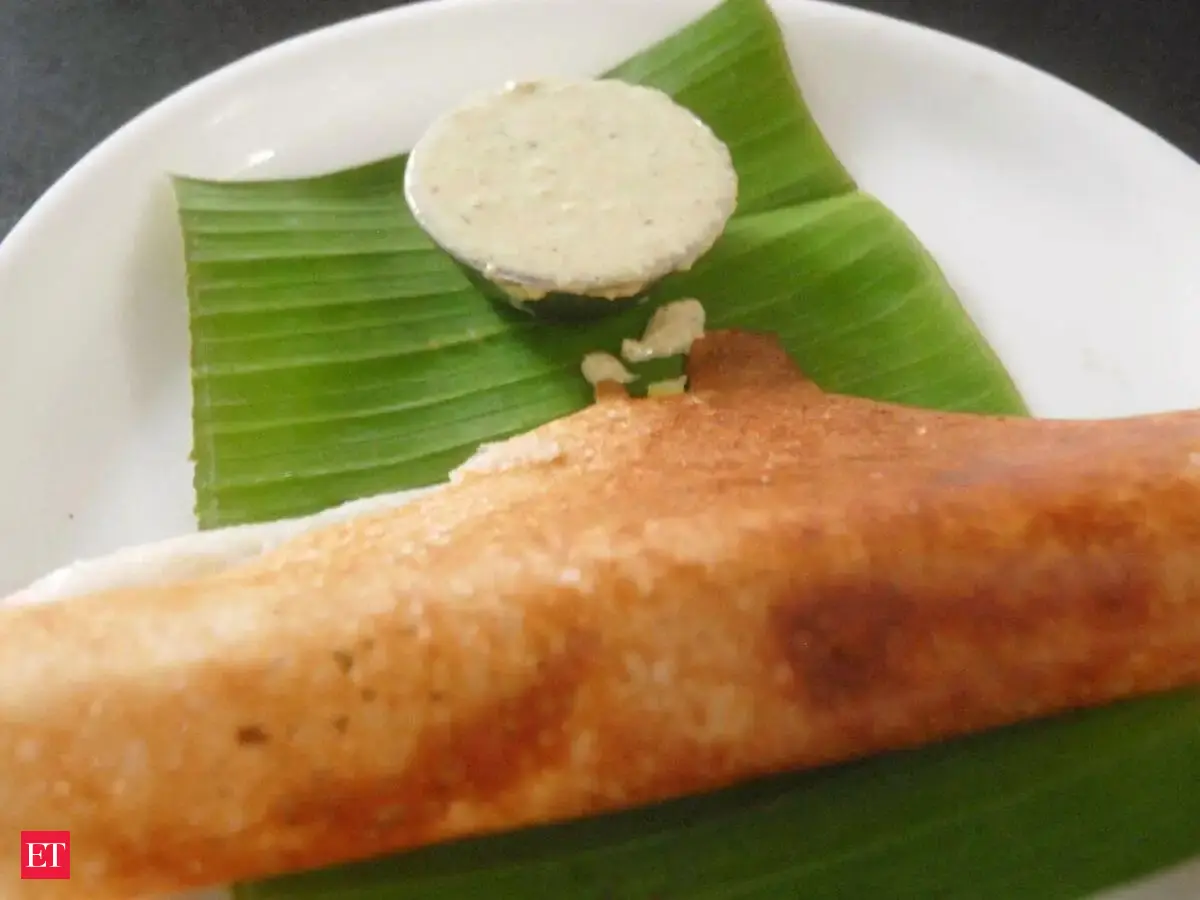
A customer’s video alleging a cockroach in a CTR masala dosa crossed 6.6 lakh Instagram views in two days, turning a single diner complaint into a wider debate about restaurant hygiene. Central Tiffin Room, Bengaluru’s much-loved eatery, has apologised—but the public evidence currently establishes an allegation, a viral video and the restaurant’s response, not an independently verified finding by a food-safety authority.[1][2]
CTR cockroach dosa: What the viral video shows
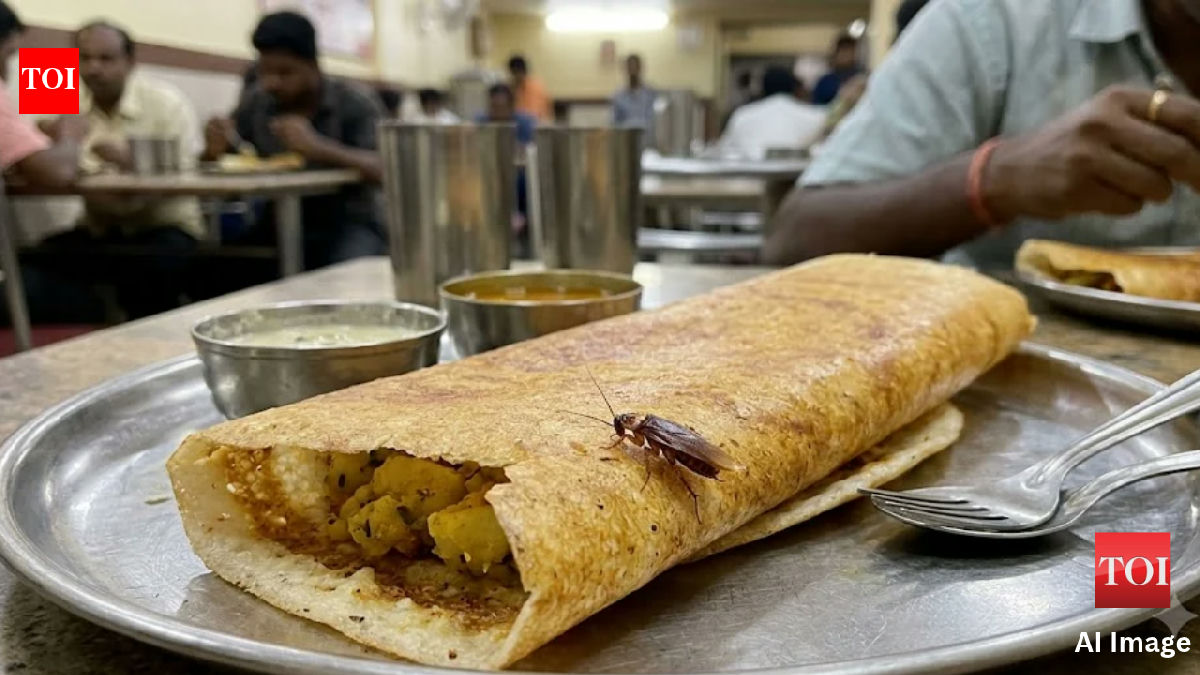
The video, posted by Instagram account trustedcircleblr, reportedly shows a cockroach inside a masala dosa ordered at CTR’s Malleswaram outlet. It also includes the customer’s interaction with restaurant staff.[1][2]
Here is what can be separated from what remains unverified:
- The video is real and widely viewed: News reports said it crossed 6.6 lakh views in two days, with other users adding complaints in the comments.[1][2]
- The alleged location is CTR’s Malleswaram outlet: Reports identify the eatery as Central Tiffin Room, commonly called CTR.[1][2]
- The customer says the insect was inside the dosa: That is the central allegation shown in the video, but no publicly reported laboratory examination or official inspection report has established when or how the contamination occurred.[1][2]
- Staff allegedly offered another dosa: The customer said a replacement was offered after the complaint, according to media coverage.[2]
- Other complaints appeared online: Similar accounts in comments may be useful leads, but social-media comments are not equivalent to verified complaints or regulatory findings.[1][2]
The distinction matters. A photograph or video can document what a customer says was found, but it cannot by itself establish the restaurant’s wider hygiene conditions, the source of the insect or whether every outlet faces the same risk.
CTR later posted an apology. Its statement said there were “no excuses”, that food safety and hygiene were “non-negotiable”, and that it had taken immediate steps to inspect its kitchen and prevent a recurrence.[1][2]
That is a confirmed response—not confirmation that the allegation was independently proven. As of the latest reports available, there was no publicly cited inspection order, laboratory report or enforcement finding tied to this incident.
CTR restaurant apology: What it means for diners
An apology is significant because it acknowledges the seriousness of the complaint and promises corrective action. It does not answer several questions diners may reasonably ask:

- Was the food retained for examination?
- Was the outlet inspected by Bengaluru’s food-safety authorities?
- Were pest-control records and kitchen-cleaning logs reviewed?
- Did the restaurant identify a point where contamination could have occurred?
- Were staff instructed to preserve evidence and record the complaint?
Those answers would provide stronger reassurance than a general promise to inspect. Consumers should also avoid treating unrelated comments as proof that a restaurant is routinely unsafe: individual experiences require corroboration.
The story has particular reach because CTR is an iconic Bengaluru dosa restaurant and is frequently associated in coverage with cricketer Virat Kohli.[1][2] Reputation, however, cannot substitute for a current inspection record.
What cockroach in CTR dosa means for the average shopper
A visible insect in ready-to-eat food is a food-safety red flag even when nobody becomes ill. It signals a possible failure in pest exclusion, storage, handling or inspection, although the video alone cannot identify which control failed.
The practical consumer impact is straightforward:
- Do not eat more of the dish: Stop immediately and keep the remaining food, insect and packaging or serving material intact if possible.
- Record the facts: Photograph the food from several angles, note the date, time, outlet, table or order number and preserve the payment receipt.
- Ask for a written response: Request the manager’s name, the complaint reference and what action the outlet will take.
- Watch for symptoms: Nausea, vomiting, diarrhoea, abdominal pain or fever after suspected contaminated food warrant medical advice, particularly for children, older adults and people with chronic illness.
- Do not overclaim online: Describe what was observed and when. Avoid claiming that an entire chain is contaminated unless an official finding supports it.
If a person becomes ill, medical records and receipts can help connect the illness to the meal, although proving causation may require clinical and public-health investigation.
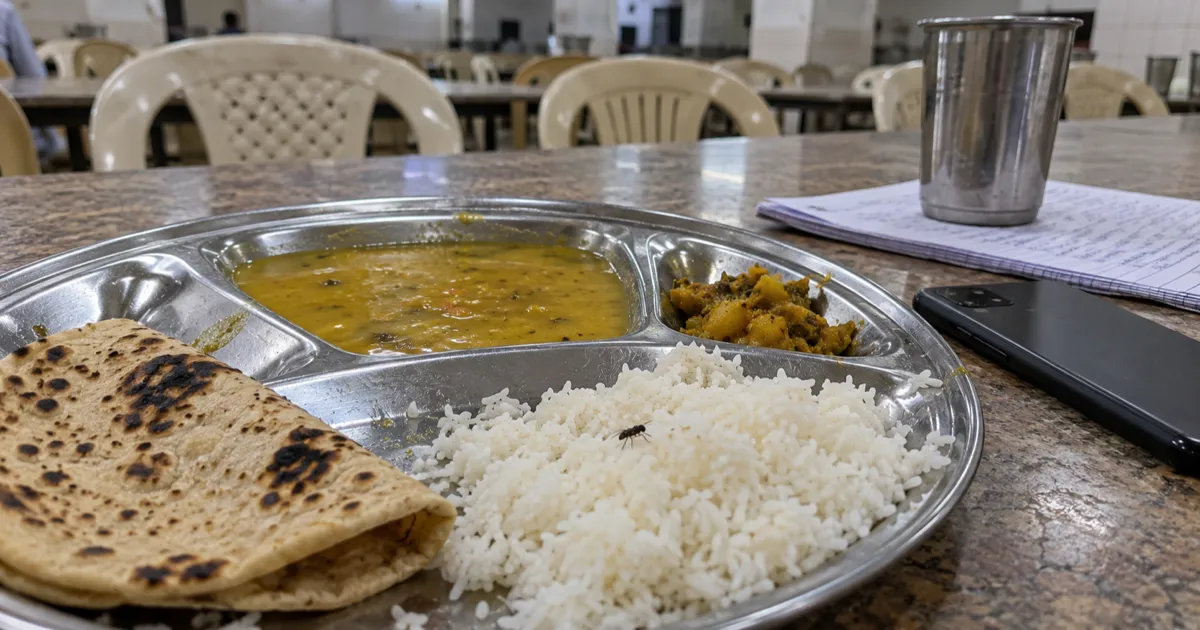
What to do if restaurant food appears contaminated
- Stop eating and preserve the evidence. Do not throw away the dish, insect, bill or delivery packaging before photographing them. If safe, place the food in a sealed container and refrigerate it briefly while seeking advice.
- Document the outlet precisely. Capture the restaurant name, complete address, outlet branch, order details, time of purchase, payment record and names of staff who handled the complaint.
- Report it directly, but do not stop there. Ask the restaurant for a written acknowledgement and a refund if appropriate. A private refund does not replace a regulatory complaint when food appears contaminated.
- Use FSSAI’s complaint route. Consumers can report unsafe or unhygienic food through the Food Safety Connect consumer-grievance system or app, providing the premises details, description, photographs and supporting documents.[6]
- Escalate when there is illness or non-response. Contact the relevant State Food Safety Commissioner or local food-safety officer, and retain medical records. Consumers may also consider the National Consumer Helpline or a consumer commission for a service dispute.[5][9]
- Share responsibly. A factual post can alert other diners, but do not publish private phone numbers, accuse staff of criminal conduct without evidence or present unverified comments as established cases.
The CTR episode is a reminder that viral visibility and official verification are different things. Diners are entitled to ask for clean preparation, prompt incident handling and transparent corrective action—while restaurants and authorities must provide evidence that those safeguards are working.
Frequently Asked Questions
Is the cockroach in CTR dosa allegation confirmed?
The customer’s video and the restaurant’s apology have been reported by multiple news outlets. However, the publicly available reports do not cite an independent laboratory result or official inspection finding confirming the source or cause of the contamination.[1][2]
What did CTR say about the cockroach dosa video?
CTR apologised and said there were no excuses, that food safety and hygiene were non-negotiable, and that it had taken immediate steps to inspect its kitchen and prevent a repeat.[1][2]
Where can I complain about unhygienic restaurant food in India?
A complaint can be filed through FSSAI’s Food Safety Connect consumer-grievance system or app, with the outlet’s details, photographs and supporting documents. Consumers can also contact the relevant state food-safety authority.[6]
Should I stop buying food from CTR?
The viral allegation alone does not establish that every CTR outlet or every dish is unsafe. Diners should consider the restaurant’s documented corrective action and any official inspection findings, while reporting any fresh incident with evidence.