Dead Rat in Food Parcel Viral: What the Khandwa Video Shows
A family says a mutton kolhapuri parcel from Bismillah Hotel contained a dead rat; officials have seized samples and opened a probe.
# Dead rat found in food parcel viral: what the Khandwa hotel food video shows
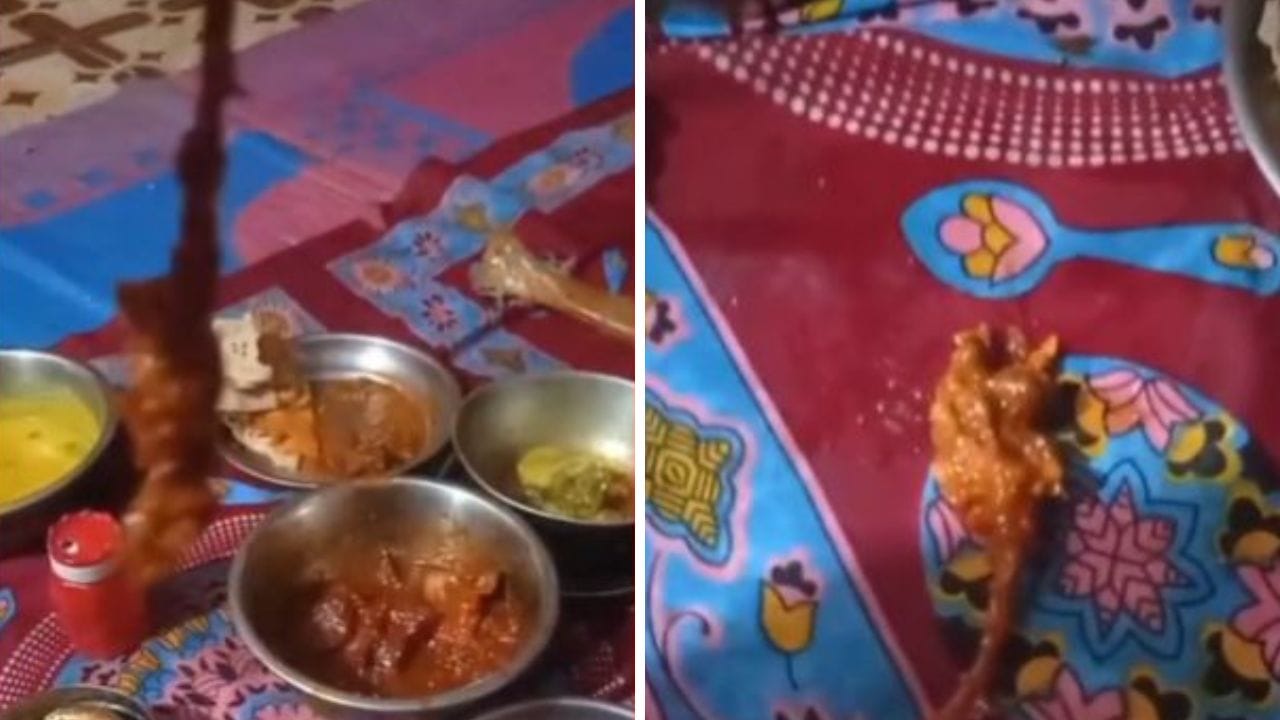
A parcel of mutton kolhapuri from a Khandwa hotel has become the kind of food-safety image that spreads fastest on Indian social media: a close-up video, a family’s shock, and the accusation that a dead rat in food parcel viral clip shows a serious hygiene failure. Local reports say the family found the animal partway through eating, one child fell ill, and the food department collected samples and began action after the video circulated online.[1][2][3][6][9]
Dead rat in food parcel viral: what happened in Khandwa
According to multiple local reports, the incident took place in Kaharwadi area of Khandwa, Madhya Pradesh, where a family says it bought a packed mutton kolhapuri parcel from Bismillah Hotel on a Friday night.[1][3][7][9] The family’s account is consistent across reports: they started eating at home, a child noticed something unusual in the curry, and a half-dead or dead rat was then seen in the parcel.[1][3][6][9]
Reports also say two children had already eaten part of the food before the contamination was noticed, and at least one child developed vomiting or illness soon after.[1][2][3][6][9] One outlet says the family recorded the incident on video, which then spread quickly across social platforms and messaging apps.[2][3][6]
What matters for consumers is that the video is being treated by officials as a complaint-triggering piece of evidence, not as a final laboratory finding. The food department has taken samples and sent them for testing, which means the exact cause, source, and responsibility still depend on the inspection and lab report.[1][3][5][7][9]
What the viral Khandwa hotel food video shows, and what it does not
The viral clip appears to show a rat or rat remains inside a non-veg parcel, which is why it has travelled so rapidly under searches like hotel food contamination video India and nonveg parcel rat video.[1][2][3][6][9] Local reports describe the item as a rat found in the mutton gravy or mixed with the food pieces, with the family asserting that the parcel came sealed from the hotel.[1][2][3][7][8][9]
But a viral video is not the same as a forensic conclusion. From the published reports, we can say the following is documented: a complaint was made, a video was shared, food samples were seized, and the department began an inspection.[1][3][6][7][9] We cannot say from the reports alone whether the rodent was introduced during cooking, packing, transport, or by some other cause until the lab and inspection findings are published.[1][3][7][9]
What officials have done so far
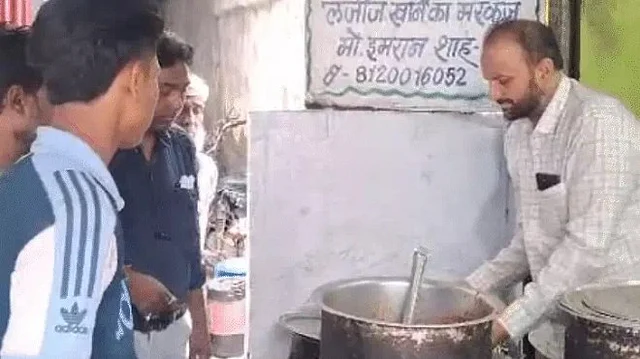
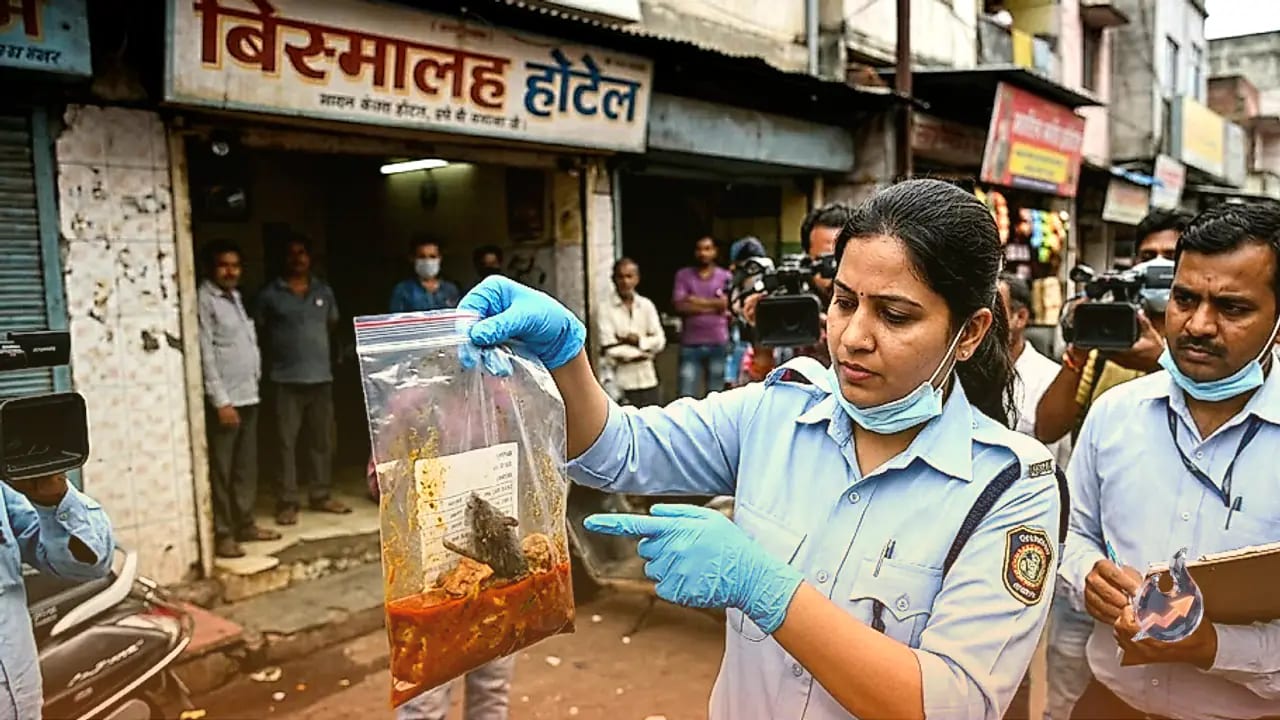
Food safety officials in Khandwa have already moved the case out of the category of a mere viral post and into a regulatory probe. Reports say Food Inspector Radheshyam Gole collected samples of the mutton and biryani or related food items from the establishment and sent them to a laboratory for testing.[1][5][7][9]
The Free Press Journal reported that the hotel was sealed after the complaint and that officials found the food licence had not been renewed since 2025.[3] That is a crucial detail because licence validity, hygiene compliance, and inspection records are part of the legal framework used to assess whether a food business is operating lawfully.
Other reports say the family also filed a complaint through the CM Helpline, which helped escalate the matter.[4][6][12] In practical terms, that means the case is now part of both the public record and the enforcement record, rather than staying limited to local gossip.
Why this dead rat in food parcel viral story spread so fast
The visual power of a rodent inside a takeaway parcel is obvious, but the reason this particular clip gained traction is structural. It combines three elements that reliably drive sharing on WhatsApp, Twitter/X, and Instagram: disgust, fear of hidden contamination, and the suspicion that packaged food can look normal while being unsafe underneath.[1][2][3][6]
The story also maps onto a broader anxiety in India about restaurant hygiene and packaged food oversight. A parcel is supposed to feel more controlled than loose street food because it is sealed, carry-home, and often associated with a branded establishment. When a consumer believes a seal or takeaway container did not protect them, trust erodes fast.
Regulatory background: what food law expects
India’s food business regulation is built around the Food Safety and Standards Act, 2006, and the licensing and inspection rules implemented by food safety authorities. In everyday terms, restaurants and takeaway kitchens are expected to maintain premises that are clean, pest-controlled, and fit for handling food safely; licences must also be current.[3][7]
If a complaint involves contamination, officials typically inspect the outlet, seize samples, and send them for laboratory analysis before deciding on further action. That is the process reflected in the Khandwa reports: inspection first, samples second, and final legal or administrative action after the report.[1][3][5][7][9]
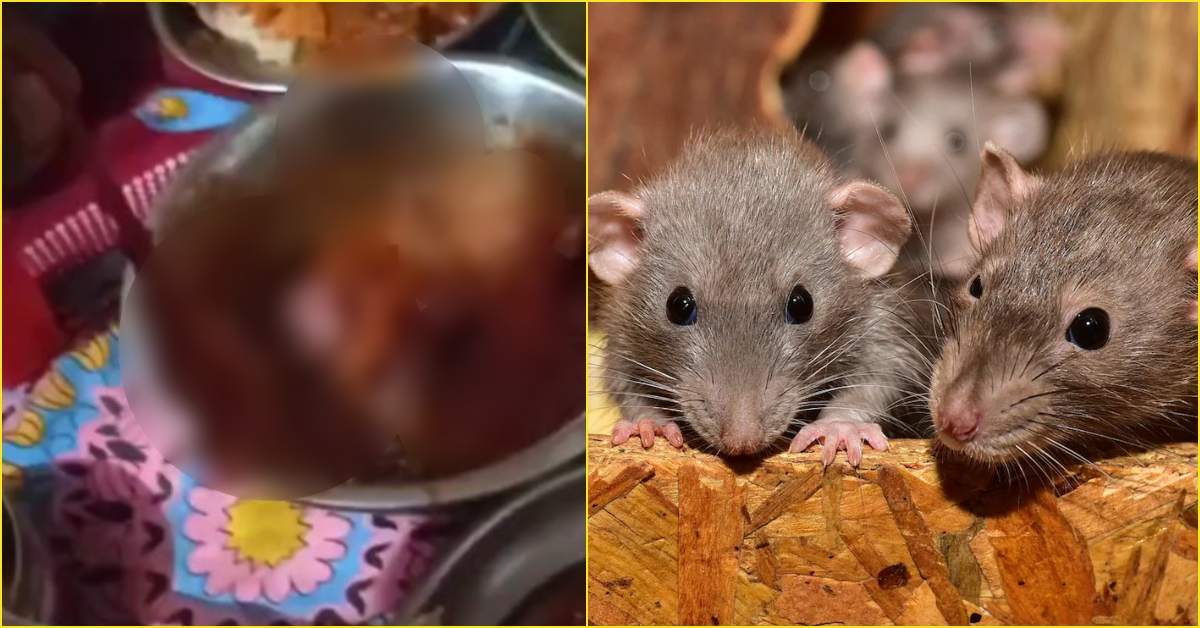
The scientific concern is straightforward. Rodents can carry pathogens and contaminate food through droppings, urine, saliva, and direct contact. Even if the visible rat remains were not fully eaten, a parcel contaminated by rodent exposure can still present a health risk depending on the extent and timing of contamination.
Consumer impact: should you worry if you ate food from a similar parcel?
If you ate food from a parcel and later discovered visible contamination, the immediate concern is symptoms such as vomiting, diarrhoea, abdominal pain, fever, or dehydration. In the Khandwa case, reports say a child fell ill after eating part of the food, which is why the family sought medical care and complained to authorities.[2][3][6][10][11]
For most consumers, the key lesson is not panic but documentation. If there is visible contamination, take clear photos or video, keep the bill or order details, preserve the parcel, and report it quickly to local food safety authorities or the platform if ordered through an app. Fast reporting helps officials verify whether the problem is isolated, systemic, or linked to one outlet.
If anyone who ate the food develops vomiting, persistent diarrhoea, high fever, or signs of dehydration, medical evaluation matters more than online debate. The health response should be based on symptoms, not on whether the video is trending.
What the Khandwa case means for restaurant hygiene in India
This story sits at the intersection of a single restaurant complaint and a wider confidence problem in Indian food delivery. One alleged contamination event does not prove that every takeaway parcel is unsafe, but it does show why pest control, storage practices, and licence renewal are not administrative details; they are frontline consumer protections.[3][7]
The case also shows why social-media evidence increasingly acts as an enforcement trigger. Local outlets repeatedly note that the family’s video circulated rapidly and prompted official attention.[1][3][6][9][12] In that sense, the viral clip is not just content; it is evidence that moved a complaint into the regulatory system.
What consumers should do if they suspect contamination
- Stop eating the food immediately if you see anything unusual.
- Record a clear video before discarding the parcel.
- Keep the invoice, delivery slip, or order screenshot.
- Photograph the packaging, batch details, and any seal.
- Report the incident to local food safety officials and, if relevant, the restaurant platform.
- Seek medical help if anyone has vomiting, diarrhoea, fever, or weakness.
These steps matter because contamination claims are strongest when there is traceable evidence. They also help officials compare a consumer complaint with outlet records, storage conditions, and laboratory findings.
What remains unconfirmed
Several details in the public reports still depend on official verification. The exact point at which the rat entered the food system is unknown, the final lab result has not been published in the material provided, and the full enforcement outcome has not yet been publicly detailed.[1][3][5][7][9]
There is also variation in reporting on the age of the child who fell ill and on whether the item was described as a dead rat, half-dead rat, or rat remains in gravy.[1][2][3][8][9][11] That inconsistency is common in fast-moving viral food stories, and it is exactly why consumers should separate the viral clip from the eventual regulatory finding.
Frequently Asked Questions
Was a dead rat actually found in the Khandwa hotel food parcel?
Multiple local reports say the family found a dead or half-dead rat in a packed mutton kolhapuri parcel from Bismillah Hotel in Khandwa.[1][3][6][9] The food department has taken samples and started an investigation, so the complaint is being treated as a formal food-safety case.[1][3][7][9]
Did officials seal the hotel after the viral video?
The Free Press Journal reported that the hotel was sealed after the complaint and that its food licence had not been renewed since 2025.[3] Other reports say inspectors collected samples and launched a probe, with further action depending on the lab report.[1][5][7][9]
Is it safe to eat food from the restaurant if only one parcel was contaminated?
A single complaint does not prove every item from the restaurant is unsafe, but it does raise serious hygiene concerns that need official verification.[1][3][7] Consumers should wait for the inspection and lab findings before drawing conclusions about the outlet’s overall food safety.
What should I do if I ate food from a parcel and then found contamination?
Stop eating immediately, keep the packaging, record the evidence, and report the case to food safety officials or the delivery platform if one was used. If anyone feels sick, seek medical care promptly, especially for vomiting, diarrhoea, fever, or dehydration.
Why is the Khandwa case going viral as a food safety video?
The video combines a highly shocking visual with a takeaway parcel from a hotel, which makes it easy to share and hard to ignore.[1][2][3][6] Reports say the family’s clip spread rapidly, which helped trigger official attention and public discussion.[13]