Delhi Ghee Samples Unsafe: How to Check Your Diwali Ghee
A Delhi festive inspection found 19 unsafe samples, but the result calls for batch-level checks—not blanket panic about every ghee product.

Delhi’s festive food-safety drive has put a precise number on a familiar Diwali fear: 19 of 59 desi ghee samples collected across the capital were declared unsafe for human consumption, while four more failed prescribed standards. The findings, cited by the Delhi Chief Minister’s Office on October 17 and reported in coverage dated October 17–21, do not show that all ghee is contaminated—but they do make batch-level checking essential before buying sweets or cooking oil for Diwali.
Delhi ghee samples unsafe: what the inspection actually found
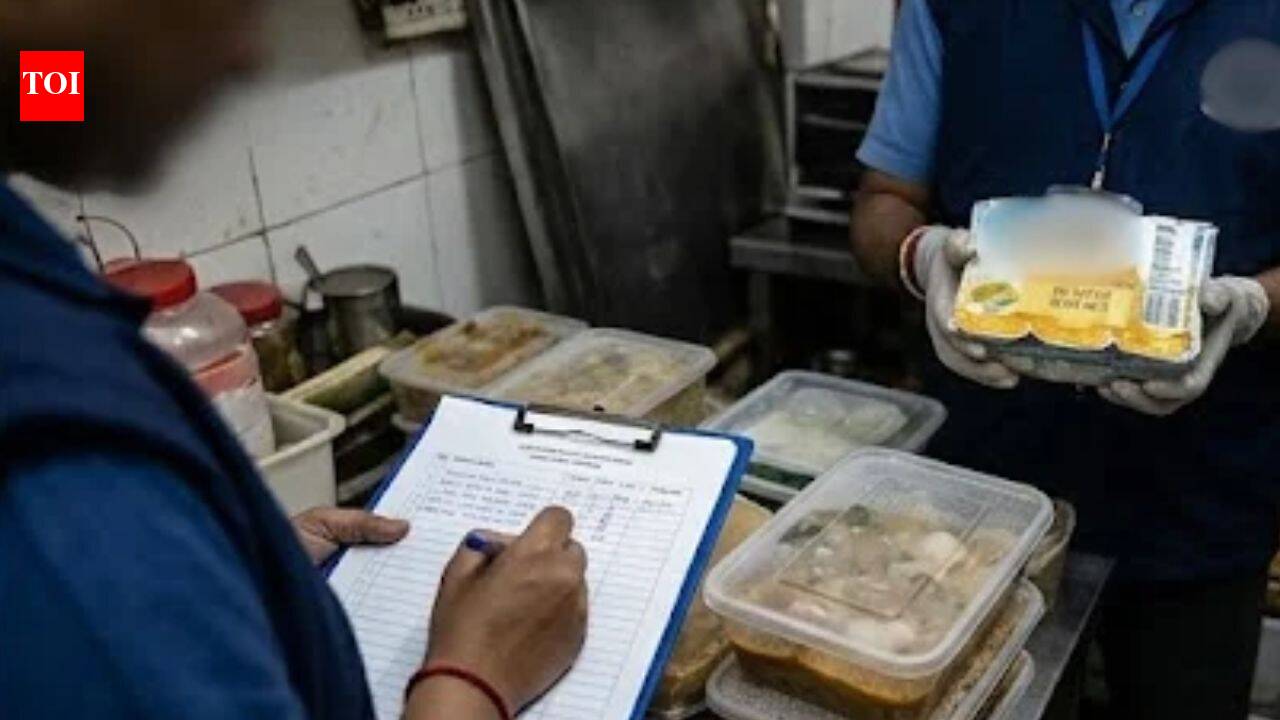
The Delhi Food Safety Department collected samples from markets in Naharpur, Posangipur, Laxmi Nagar, Preet Vihar, Rampura, Tagore Garden, Kalyanpuri, Krishna Vihar and Kondli. Laboratory testing classified 19 samples as unsafe and four as substandard or otherwise below the required standard.[1][2][3]
That means 23 of 59 samples—about 39%—had a reported problem. The Delhi government described the broader compliance figure as more than 42%, apparently reflecting the way the results were grouped or reported; the published reports consistently agree on the core counts: 19 unsafe and four failing standards.[2][4]
The reported unsafe brands included:
- Haryana Light, Haryana Supreme, Haryana Dairy and Haryana Pure
- Shri Haryana King and Shri Haryana Foods
- Kartar, Prabhas, Madhu Sangam and Radha Krishna
- New Punjab Super Brand, Akshara and Anand Gold
- Shri Nandan, Shri Mohan and Shri Krishna
Samples from Nova, Govardhan Pure Cow Ghee and Pratap Desi Ghee were reported as failing prescribed standards rather than being placed in the unsafe category.[1][3]
A brand appearing in a news report does not automatically mean every pack, every manufacturing date or every state-market batch is unsafe. The published findings concern samples collected during this Delhi exercise; consumers should match any enforcement notice to the product name, batch number, pack size, manufacturing details and place of sale.
19 ghee samples unsafe Delhi: what the evidence does—and does not—say
The viral claim is strongest when stated narrowly: Delhi officials reported unsafe results in 19 of 59 tested desi ghee samples. It becomes misleading when converted into “all ghee is adulterated” or “every pack of a named brand is dangerous.”
The available reports do not publish, in the material reviewed here, the individual laboratory test values, the alleged adulterant in every sample, or a complete batch-by-batch recall list. That limits what consumers can infer about chemical composition, health risk and products sold outside the tested locations.
“Unsafe” and “substandard” are also not interchangeable labels. An unsafe result indicates that the authority considered the sample unsuitable for human consumption; a substandard result means it did not meet one or more prescribed quality requirements. Neither category can be responsibly translated into a home diagnosis based on colour, aroma or whether ghee solidifies.
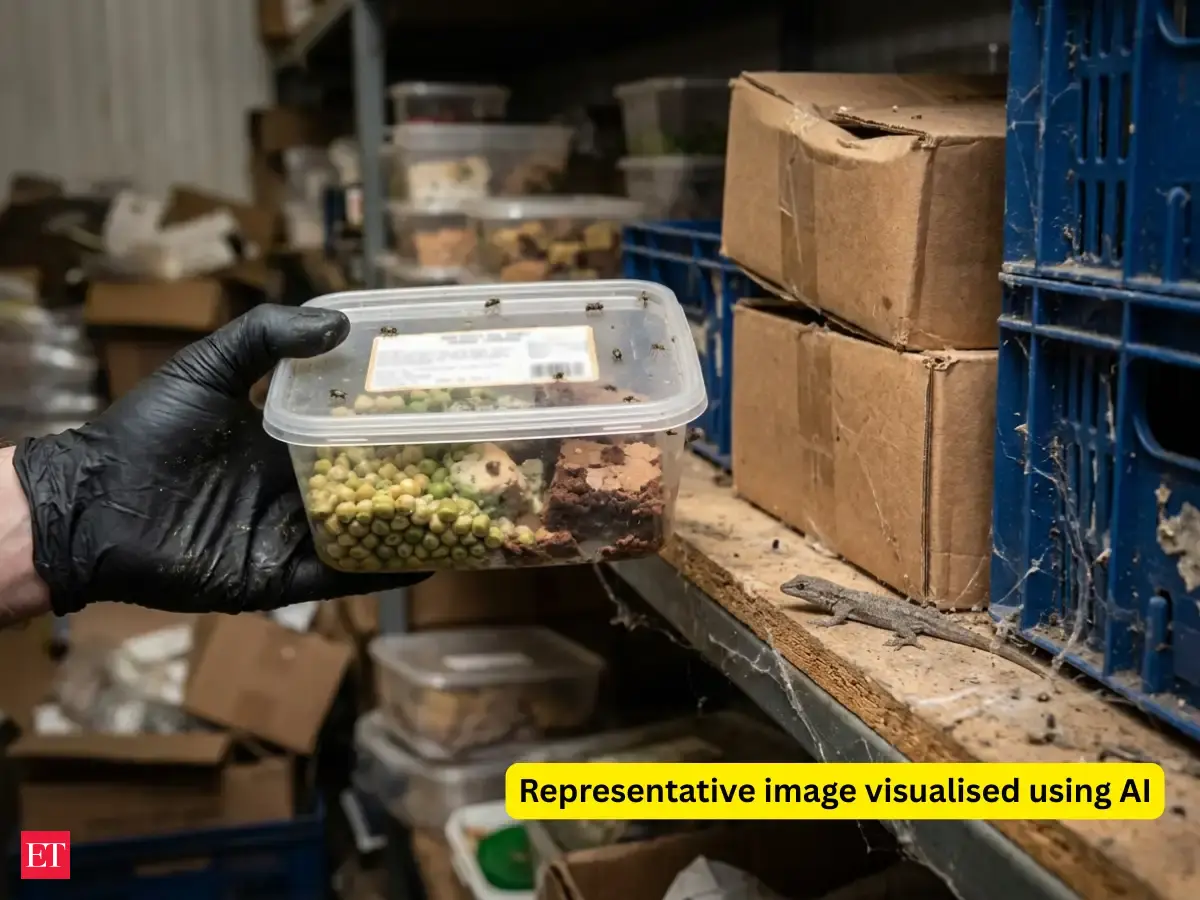
The inspection was part of a wider festive enforcement effort. Reports also described expired food and hygiene problems at some online-grocery warehouses, including insects and poor sanitation; those observations relate to storage and premises, not proof that every product sold by every quick-commerce company is adulterated.[2][7][10]
Ghee adulteration Delhi 2026: what it means for shoppers
- The risk is uneven, not universal. A 59-sample inspection cannot establish the contamination rate of all ghee sold in Delhi, India or online.
- Loose and poorly traceable products deserve more caution. Without a sealed pack, invoice, manufacturer details and batch code, a consumer has fewer ways to act on a complaint or recall.
- A familiar brand name is not a substitute for traceability. Check the exact pack and batch, especially if an authority has named a sample from the same product line.
- Sweets can hide the source of fat. A mithai shop may use ghee, vegetable fat or a blend; ask what fat is used and retain the bill for expensive purchases.
- Home tests are screening tools, not laboratory proof. Burning, freezing, smelling or rubbing ghee cannot reliably establish compliance with food-safety standards.
The inspection also shows why “FSSAI ghee testing” should mean laboratory analysis against applicable standards, not a viral kitchen trick. FSSAI licensing and a printed licence number improve accountability, but neither is a guarantee that every batch is compliant.

How to check pure ghee India: a practical Diwali checklist
- Read the legal identity. Look for “ghee” or the declared product category, ingredient information, net quantity, manufacturer or packer address, customer-care contact, FSSAI licence details, batch or lot number, manufacture or packing date, expiry or best-before information, and maximum retail price.
- Match the seal and batch code. Reject leaking, tampered, bulging or badly printed packs. Photograph the front, back, batch code and invoice before opening if the purchase is costly or the product is being bought for a large family event.
- Check the exact product against official notices. If a Delhi enforcement notice or later recall identifies a brand, batch or seller, do not assume that a different batch is affected—or that it is cleared. Verify the details through the food-safety authority or the seller’s written response.
- Buy through a traceable channel. Prefer a sealed, labelled product from a licensed retailer. For loose ghee, ask for the source, bill and batch information; walk away if the seller refuses basic traceability.
- Treat sensory clues as warning signs only. An unusual chemical smell, rancid odour, excessive sediment, separation or inconsistent texture warrants returning the product. A normal smell or grainy texture does not prove purity.
- Do not rely on viral home tests. The iodine test, paper test, flame test and refrigerator test can be affected by temperature, formulation and handling. They cannot identify every adulterant or replace an accredited laboratory.
- Keep evidence and report suspected violations. Preserve the pack, remaining product, bill and photographs. Report through the relevant state food-safety channel or FSSAI’s consumer complaint system, including the seller, location, batch and purchase date.
For families buying sweets, the safest practical approach is not to panic-buy a supposedly “pure” product based on a social-media claim. Buy smaller quantities from traceable sellers, ask shops what fat they use, retain receipts and stop eating a product that smells rancid or causes symptoms; seek medical advice for persistent vomiting, diarrhoea or other concerning reactions.
Frequently Asked Questions
Are 19 ghee samples unsafe in Delhi?
Yes. Delhi officials reported that 19 of 59 desi ghee samples collected from markets were unsafe for human consumption, while four additional samples failed prescribed standards. The result applies to the samples tested in that enforcement exercise, not automatically to every ghee pack sold in Delhi.[1][2]
Which ghee brands were named in the Delhi inspection?
Reports named Haryana Light, Haryana Supreme, Haryana Dairy, Haryana Pure, Shri Haryana King, Shri Haryana Foods, Kartar, Prabhas, Madhu Sangam, Radha Krishna, New Punjab Super Brand, Akshara, Anand Gold, Shri Nandan, Shri Mohan and Shri Krishna among the unsafe samples. Nova, Govardhan Pure Cow Ghee and Pratap Desi Ghee were reported as failing standards.[1][3]
Is all ghee adulterated after the Delhi report?
No. The inspection found problems in a defined set of samples, but it does not prove that all ghee, all batches of a named brand or all products sold outside the tested locations are adulterated. Consumers should check the exact batch, seller and official enforcement details.
How can I check pure ghee in India at home?
Read the label, verify the batch and expiry details, inspect the seal, buy from a traceable seller and retain the bill. Home tests based on smell, melting, freezing, iodine or burning are not reliable enough to confirm purity or food-safety compliance.
What should I do if I bought a suspected unsafe ghee product?
Stop using it, keep the pack and remaining contents, photograph the label and batch code, and save the invoice. Contact the seller and report the product to the relevant food-safety authority or FSSAI complaint channel with the purchase location and date.