Dodla Dairy Detergent Milk Case: What FSSAI’s Allegation Means
FSSAI’s reported referral-lab finding concerns a specific full-cream milk sample, not automatically every Dodla product sold across India.
A laboratory finding involving one regulatory sample has put Dodla Dairy detergent milk claims across WhatsApp, X and news feeds. FSSAI says the sample was unsafe because it contained detergent or caustic soda and was also below the prescribed milk-fat limit—but the public record does not establish that every Dodla pack or every batch is contaminated.
Dodla Dairy detergent milk: what the FSSAI case actually says
The Dodla Dairy FSSAI case concerns a regulatory sample of “Full Cream Milk” collected for analysis. The first food analyst reportedly classified it as substandard after finding milk fat below the required minimum.[1][5]
Dodla Dairy appealed that finding. The sample was then sent to a Referral Food Laboratory, whose report reportedly confirmed two findings: the milk was substandard because of low fat, and unsafe because of the presence of detergent/caustic soda.[1][5]
FSSAI subsequently granted sanction to begin prosecution against Dodla Dairy and other food business operators connected with the manufacture and marketing of the product. That is a regulatory and legal step, not the same as a final court conviction.[1][6]
Five facts getting lost in the viral posts
- The allegation is tied to a sample. Published reports describe one regulatory sample of full-cream milk; they do not report a product-wide finding covering every Dodla plant, pack size or batch.[1][3]
- There were two separate quality concerns. The sample allegedly had milk fat below the prescribed limit and was also reported unsafe because of detergent or caustic soda.[1][5]
- The referral test followed an appeal. The second laboratory examination was not described as an informal social-media test; it followed the company’s appeal against the initial classification.[1][3]
- The wording is “detergent/caustic soda.” The reports available publicly do not provide the exact concentration, brand or chemical identity of the alleged detergent, nor do they explain whether it was detected as a deliberate adulterant or through another source.[1][6]
- Prosecution is not a completed judgment. FSSAI’s sanction allows proceedings to move forward. A court must still determine liability, subject to the evidence and the company’s legal response.[1][6]
The viral framing can therefore be both serious and imprecise. The allegation deserves scrutiny because it comes from a referral-laboratory finding cited by the regulator, but it should not be converted into an unsupported claim that all Dodla milk sold in India contains detergent.
Dodla milk contamination and detergent in milk India: why the distinction matters
Milk adulteration can involve dilution, removal of fat or addition of substances intended to alter texture, stability or apparent quality. Detergent and caustic soda are not food ingredients; ingestion risks depend on the substance, concentration and exposure, and should be assessed by qualified food-safety authorities rather than by viral home tests.[6]
The reported Dodla result also matters because full-cream milk is expected to meet a defined fat standard. A low-fat result means the product did not meet the applicable quality specification, but it does not by itself prove the presence of detergent or caustic soda.[1][5]
The case also illustrates why consumers should separate three questions:
- Was a sample tested? Reports say yes.
- What did the referral laboratory reportedly find? Low milk fat and detergent/caustic soda.
- Has contamination been proven across the brand? The cited reports do not establish that.
That last question is central. A single non-compliant sample can trigger enforcement, traceability checks and prosecution, but it cannot automatically support a claim about every product bearing the same brand name.
What this means for the average Indian shopper
- Do not panic-buy or discard every Dodla product. The available reporting concerns a named milk sample, not a publicly announced nationwide recall of all Dodla products.[1][5]
- Do not ignore the allegation. FSSAI reportedly relied on a referral-laboratory finding when permitting prosecution, making this more consequential than an unverified WhatsApp forward.[1][6]
- The batch number matters. Without the sample’s collection date, plant, batch and distribution details, consumers cannot know whether a pack at home is connected to the reported sample.
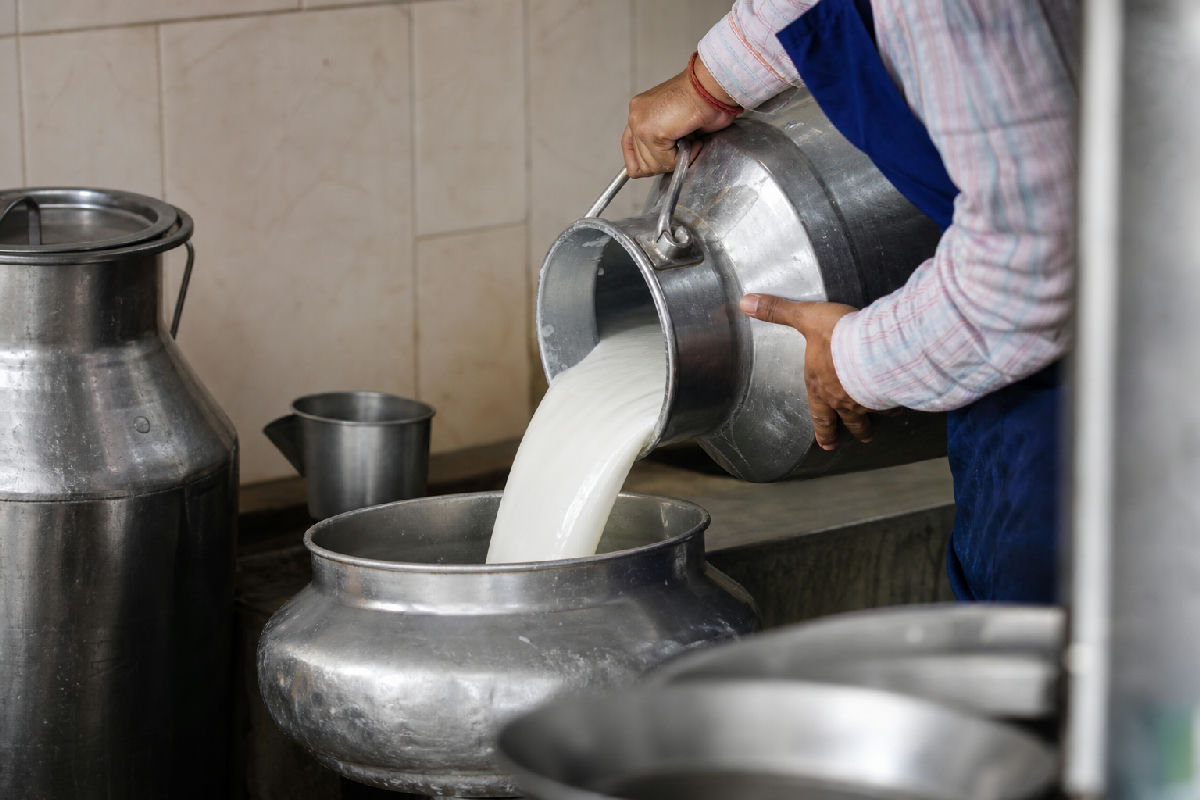
- Low fat and chemical contamination are different findings. A pack that appears thin or separates unusually may have a quality issue, but appearance cannot identify detergent or caustic soda.
- The company’s response matters. Consumers should look for a formal Dodla Dairy statement, FSSAI notice, recall instruction or court filing rather than relying on screenshots stripped of context.
What to check before buying or consuming milk
- Read the label. Record the brand, product description, batch or lot number, manufacturing date, use-by date, plant code and FSSAI licence details.
- Inspect the pack. Do not buy pouches that are swollen, leaking, damaged, unusually sticky or stored outside proper refrigeration.
- Keep evidence. Photograph the front and back of the pack and retain the receipt if the product smells abnormal, curdles unexpectedly or appears damaged.
- Do not perform dangerous chemical tests at home. Mixing milk with cleaning products, acids or heat in an attempt to “prove” adulteration can create misleading results and expose people to harmful fumes or substances.
- Report a suspected problem. Contact the seller and the relevant state food-safety authority or FSSAI complaint channel, supplying the batch details, purchase location, photographs and any remaining sealed product.
- Seek medical advice after suspected exposure. Anyone who develops burning, vomiting, severe abdominal pain, breathing difficulty or other acute symptoms after consuming a suspect product should contact a doctor or emergency service promptly.
- Do not amplify an unverified claim. Share the specific FSSAI or court document when available, and avoid stating that all Dodla milk is contaminated unless an official notice says so.
The strongest consumer action is traceability: preserve the product, identify the batch and report it. That gives investigators something testable instead of turning a serious allegation into a brand-wide rumour.
Frequently Asked Questions
Is Dodla Dairy milk contaminated with detergent?
Reports citing FSSAI say one full-cream milk sample was found unsafe by a Referral Food Laboratory because of detergent or caustic soda, alongside low milk fat.[1][5] The available reports do not establish that every Dodla Dairy pack or batch is contaminated.
What is the Dodla Dairy FSSAI case?
It is a prosecution proceeding arising from a regulatory sample that was initially classified as substandard for low milk fat and later reportedly confirmed as unsafe and substandard by a Referral Food Laboratory.[1][3] Sanction to prosecute is not the same as a final court conviction.
Should consumers stop buying Dodla milk?
There is no cited nationwide recall in the available reports, so a blanket conclusion about every Dodla product is not supported. Consumers should check official notices, retain batch details and avoid any damaged, expired or suspicious pack.[1][5]
What did FSSAI say about detergent in milk in India?
FSSAI reportedly said the referral laboratory found detergent or caustic soda in the Dodla full-cream milk sample and that the sample also failed the milk-fat requirement.[1][6] The public reports reviewed here do not give the chemical concentration or publish the complete laboratory report.
Can a home test prove detergent in milk?
A visual or improvised home test cannot reliably establish the identity or concentration of a contaminant. Suspected adulteration should be handled through sealed-sample preservation and an official food-safety complaint.