Eggs removed from mid day meal India: nutrition, politics and what parents need to know
West Bengal’s ISKCON pilot has turned a school lunch tweak into a national fight over eggs, ideology and what poor children are allowed to eat.
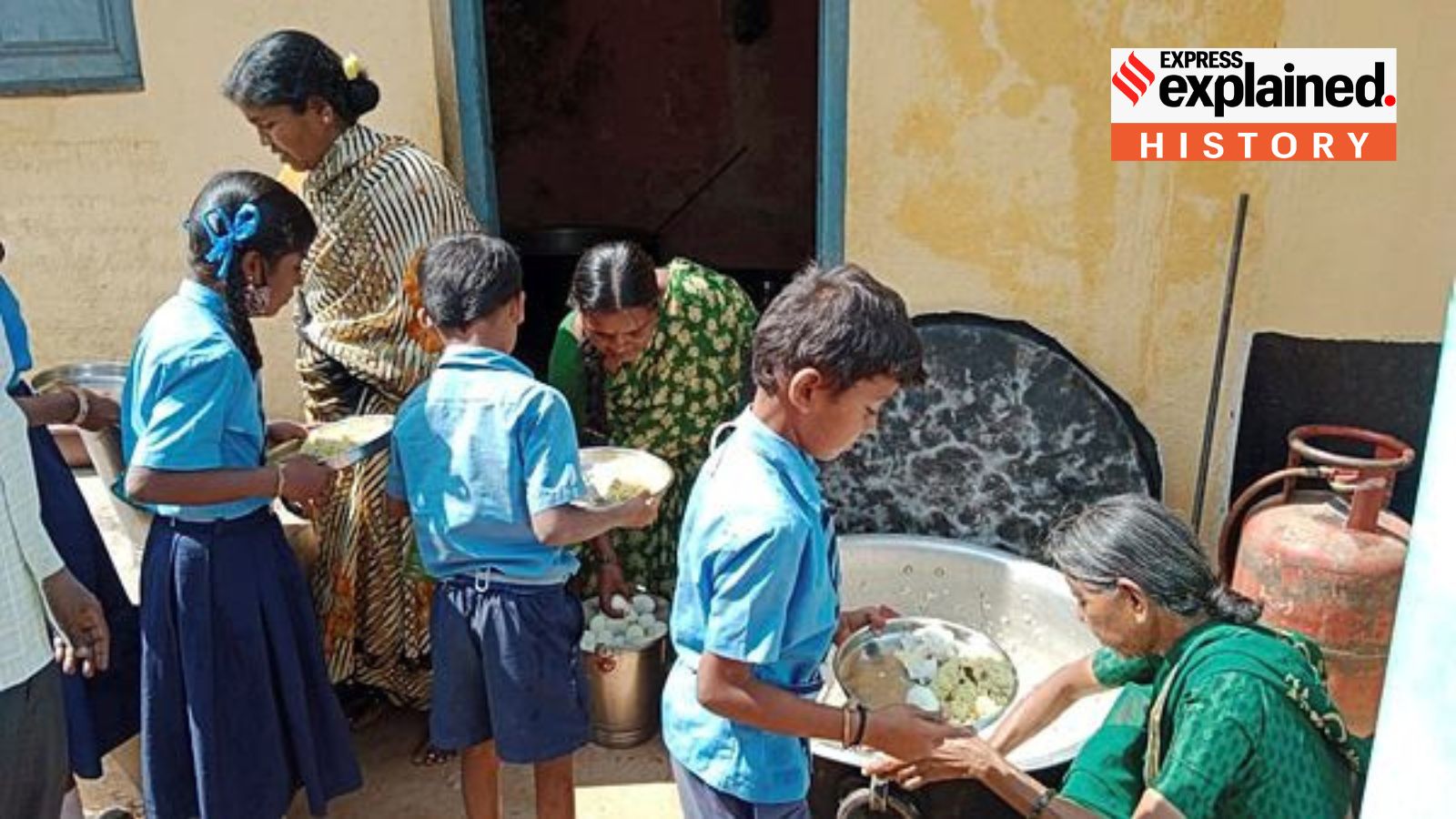
Kolkata’s school children are about to lose their eggs.
In a city where a single hard‑boiled egg in the mid‑day meal can be the only animal protein some children see all week, the West Bengal government’s decision to hand over school lunches to ISKCON – and with it, to quietly remove eggs – has lit up Instagram, X, WhatsApp groups and living rooms.
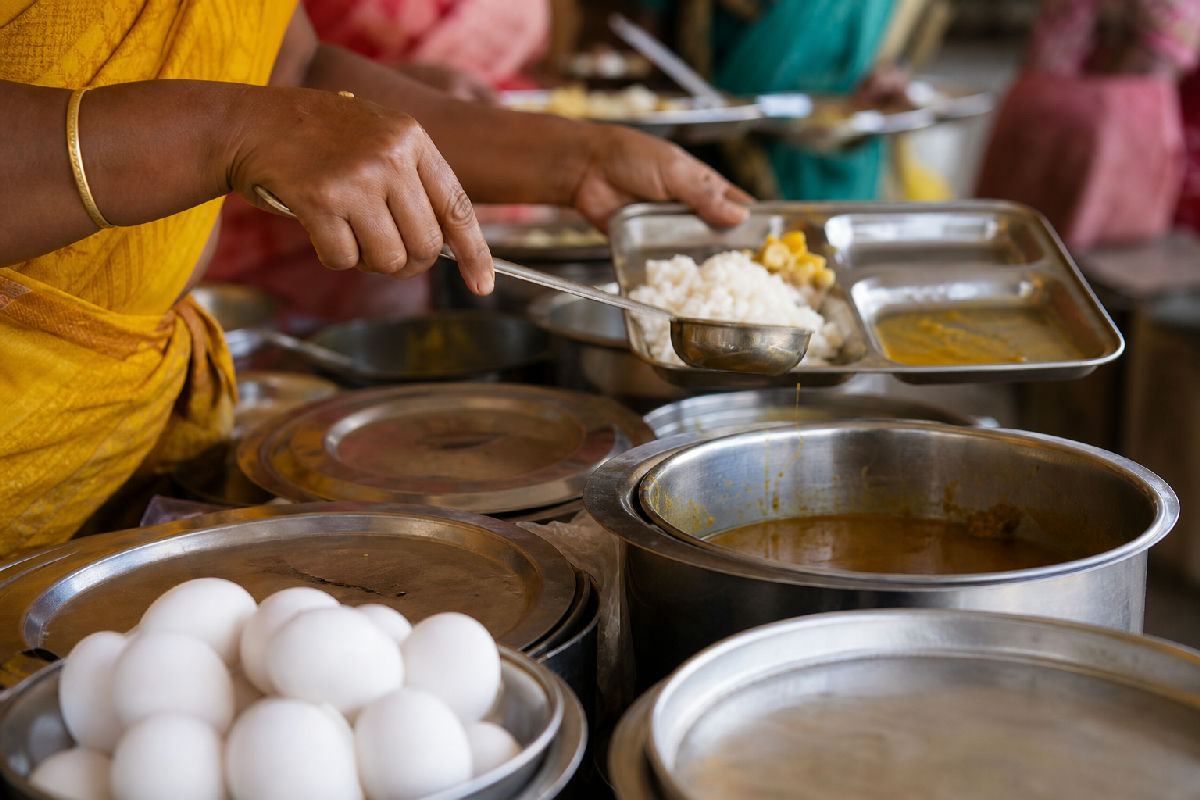
The viral clip that pushed this into the national spotlight is blunt: “Eggs were removed from mid‑day meals in Bengal because apparently ideology matters more than nutrition.”[4][6] Underneath, thousands of comments ask the same questions now trending on Google: “eggs removed from mid day meal India – why?” “Are eggs compulsory in school lunch?” “What about protein deficiency?”
This is not just a Bengal story. Across India, the “egg vs vegetarian mid day meal” fight has become a recurring flashpoint in state assemblies, panchayat meetings and online debates over religion, caste, class and what poor children are allowed to eat.
This article unpacks what is actually happening, what science says about eggs and child nutrition, and what parents and citizens can realistically demand.
Eggs removed from mid day meal India: what exactly happened in Bengal
In early 2025, the West Bengal government announced a pilot under which the International Society for Krishna Consciousness (ISKCON) would supply cooked meals for the PM Poshan (mid‑day meal) scheme in parts of Kolkata.[1][2][3] ISKCON, which follows a strict vegetarian ethos, made clear that the food it provides would be entirely vegetarian.[1][2]
That one line has enormous implications: eggs – till now a regular part of many government school menus in Bengal – will disappear in the pilot areas.[1][3]
The decision immediately became political:
- A popular Instagram series, “Day X of covering India happenings”, focused one episode on the move, saying eggs were being dropped “because ideology matters more than nutrition”.[4][6]
- Opposition leaders in Bengal, including factions within the Trinamool Congress, attacked the BJP‑led government, accusing it of “imposed vegetarianism” and of “depriving children of nutrition by removing eggs from mid‑day meals.”[1]
- Ritabrata Banerjee, a prominent Trinamool figure, argued that removing eggs was wrong because they are “an important source of protein” and do not match Bengal’s largely non‑vegetarian dietary culture.[1]
- The government defended the move, saying ISKCON would improve hygiene, standardisation and food quality, and that vegetarian protein alternatives like soya and paneer would replace eggs.[1][2][3]
The controversy echoed a deeper reality: for many under‑privileged children, the mid‑day meal is the most nutritious meal of their day, and eggs are a central part of that nutrition in many states.[3]
Beyond Bengal: anganwadi eggs removed controversy across states
The “anganwadi eggs removed controversy” is not new. Over the past decade, several states have repeatedly fought over whether eggs should be served in mid‑day meals and anganwadi centres:
- Tamil Nadu has long been cited as a model, adding eggs to its noon meal scheme in the 1980s and expanding coverage over time, which nutrition experts link to better child health outcomes.[5]
- Odisha, Andhra Pradesh, Jharkhand, Chhattisgarh and others have added eggs to school or anganwadi meals, often seeing improved attendance on “egg days” because children value them.[3][5]
- In some states, eggs proposed for anganwadi menus were blocked or removed after opposition from groups demanding only vegetarian food for government schemes, usually citing religious or cultural reasons.[5]
On Reddit, former government school students from Kolkata recall eggs as a daily part of their mid‑day meal and express anger that the new pilot might remove “not one, but two eggs a day” they used to receive.[8]
When one state moves from “egg plus veg” to “veg only”, viral posts and forwards quickly frame it as a broader trend: “eggs removed from mid day meal India”.
Are eggs compulsory in school lunch? What the rules say
A key viral question is “are eggs compulsory in school lunch” under Indian law.
The short answer: No, eggs are not legally compulsory, but they are strongly recommended by many expert bodies and widely used by states.
Some key points:
- The mid‑day meal scheme (now PM Poshan) is a centrally sponsored programme. The Union government sets broad nutritional norms, but states decide the menu, including whether to serve eggs.
- The Centre’s guidelines focus on calories and protein targets and recommend diverse menus including pulses, vegetables and, where culturally acceptable, eggs or other animal protein. (This is based on official PM Poshan / MDM framework documents; they do not mandate eggs.)
- States like Tamil Nadu, Andhra Pradesh, Odisha and Jharkhand have chosen to provide eggs regularly, sometimes 3–5 times a week.[5]
- Others, influenced by religious or ideological preferences, have resisted eggs and opted for purely vegetarian menus, sometimes under pressure from groups who want public schemes to reflect their dietary norms.[5]
In Bengal’s current pilot, the government’s position is that nutrition norms will still be met through vegetarian proteins and that enrolment in ISKCON‑provided meals is voluntary.[1][3]
Mid day meal protein deficiency debate: what does nutrition science say about eggs?
At the heart of the “mid day meal protein deficiency debate” is a simple question: are eggs uniquely valuable, or can plant‑based options fully replace them in school meals?
Why nutritionists like eggs
Independent nutrition experts and several government‑commissioned reviews consistently highlight advantages of eggs in school and anganwadi meals:
- High‑quality protein: Egg protein has all essential amino acids in a highly absorbable form, which is critical for growth, muscle development and immunity in children.
- Micronutrients: Eggs provide vitamin A, B12, choline, iron and other nutrients often lacking in diets of low‑income children.
- Practicality: Eggs are relatively cheap, easy to store and transport (boiled), portion‑controlled, and culturally acceptable in many regions.[3]
- Behavioural impact: Some schools report better attendance and greater enthusiasm on days when eggs are served, because children value them highly.[3]

Several health experts quoted in coverage of the Bengal row call eggs “a crucial food item for preventing malnutrition among children.”[1][3]
Can vegetarian menus match this?
The Bengal government and ISKCON argue that well‑designed vegetarian meals can meet protein needs, using ingredients such as:
- Pulses and lentils (dal, rajma, chana)
- Soya chunks or tofu
- Paneer and milk
- Groundnuts, sesame and other seeds[1][2][3]
From a scientific standpoint:
- It is possible to meet protein and calorie needs with a vegetarian menu, especially if it includes adequate quantities of diverse pulses, cereals and dairy.
- But achieving egg‑like nutrient density in the same budget can be challenging. It often requires larger volumes, more careful menu planning and reliable supply chains, which are not consistently present in all districts.
- Plant proteins may also be less bioavailable (harder for the body to absorb fully) than egg protein.
So the question is not whether vegetarian meals can work in theory, but whether, in practice, cash‑strapped state systems will actually deliver equivalent nutrition without eggs.
Egg vs vegetarian mid day meal: ideology, culture and class
The “egg vs vegetarian mid day meal” fight is not only about biochemistry; it is about whose food culture matters in public policy.
Some patterns emerge from recent debates:
- In states like West Bengal, where a large majority of the population is non‑vegetarian, eggs and fish are part of everyday diets. Removing eggs from poor children’s plates, critics argue, amounts to pushing upper‑caste vegetarian norms through state power.[1][5]
- On social media, many ask why eggs are fine in private school canteens and urban cafes but controversial only when offered to poor children through state schemes.
- Groups opposing eggs often frame it as a question of “religious sentiments” and worry about kitchens where vegetarian and non‑vegetarian foods are cooked together, even if the eggs themselves are never mixed with other items.[5]
The Bengal pilot is particularly sensitive because ISKCON is both a religious organisation and the new caterer. Critics fear that a religious group’s doctrine is effectively deciding the menu in government schools.[1]
The government insists that the goal is better managed, standardised meals, not religious indoctrination, and that the food will be nutritious and voluntary.[1][3]
What this means for children and parents
For the average parent of a government school child in Kolkata, or an anganwadi‑going toddler in any state considering similar changes, three practical issues matter most.
1. Will my child’s nutrition suffer if eggs are removed?
If eggs are removed and not replaced with equal or better sources of protein and micronutrients, there is a real risk of worsening protein‑energy malnutrition and micronutrient deficiencies.
Whether that happens in practice depends on:
- How much dal, soya, paneer or other proteins are added, and how regularly
- Whether portions are increased to match the protein content of an egg
- Whether the new menu is actually implemented on the ground, not just on paper
2. Will my child still want to eat the meal?
If eggs were a big attraction, their removal can reduce children’s enthusiasm and attendance, particularly in the most vulnerable groups who rely on the mid‑day meal as an incentive to attend school.[3]
Substituting with items children consider less desirable can erode the scheme’s behavioural impact, even if theoretical nutrition is adequate.
3. Do I have any say in the menu?
Under PM Poshan guidelines, School Management Committees (SMCs), parents’ groups and local community bodies are expected to have a say in menu design. In reality, this involvement varies widely.
Parents and local volunteers can:
- Attend SMC meetings and demand transparent weekly menus
- Ask for public display of menus and portions in schools and anganwadis
- Raise concerns with local MLAs, panchayat leaders and district education officers when menu changes reduce egg days or remove them altogether
Expert context: what history and data tell us about eggs in schemes
The Tamil Nadu midday meal scheme is often cited in debates like the Bengal row. The state began serving a cooked lunch to school children in the early 1980s and later added eggs on multiple days per week, especially for primary school students.[5]
Over time, researchers and state officials observed:
- Improved enrolment and attendance in schools offering attractive noon meals, including eggs
- Better weight‑for‑age and height‑for‑age indicators among children consistently accessing the scheme (though multiple factors contribute)
Other states that introduced eggs into anganwadi or school meals have reported similar positive responses, especially in tribal and low‑income regions.
Public health experts often make three key points:
- Poor children’s diets are generally cereal‑heavy and protein‑light. An egg a few times a week can make a meaningful difference.
- Cost‑effectiveness matters. Eggs deliver a powerful mix of protein and micronutrients for relatively low cost and minimal preparation complexity.
- Equity matters. Children who already get ample animal protein at home are less affected by school menu changes. The poorest children bear the brunt when eggs are removed.
When states argue that vegetarian alternatives will replace eggs, experts tend to respond: the proof will be in the actual menus and monitoring, not in assurances.
What parents and citizens can do now
Viral debates can feel abstract, but there are concrete actions families and citizens can take.
1. Ask for the written menu and portion sizes
At your child’s school or local anganwadi, you can politely ask to see:
- The weekly menu
- The prescribed gram amounts of dal, rice, vegetables, eggs (if any), or alternatives
If eggs were previously listed and are now gone, ask what has replaced them, and in what quantity.
2. Monitor what is actually served
Menu charts can look perfect on paper while meals served are thin gruel.
- Visit on a few random days.
- Check whether promised proteins (dal, soya, paneer, eggs) are present in visible, meaningful quantities.
If there is a gap, document it with dates and photographs, and raise it with the school head, SMC and local officials.
3. Engage through School Management Committees
SMCs and equivalent bodies are meant to give parents representation.
- Bring up the “mid day meal protein deficiency debate” in meetings.
- Ask if the school can retain or re‑introduce eggs at least a few times a week, or, if that is denied, ensure robust vegetarian protein is provided.
4. Separate evidence from ideology in your own advocacy
In heated online spaces, it helps to keep the focus on children’s nutrition, not party lines.
When writing to representatives, posting online or signing petitions:
- Use specific, factual language: “One egg provides X grams of protein; what is the exact replacement in the new menu?”
- Ask for publicly available nutrition audits of PM Poshan and anganwadi menus.
5. Don’t assume all vegetarian menus are bad – or all egg menus are good
A vegetarian mid‑day meal can be nutritious if designed and funded properly. An egg‑based meal can still be poor if the rest is inadequate.
What matters is the overall nutritional quality, not just a single item. But eggs are a proven, practical tool many experts recommend keeping on the table.
Frequently Asked Questions
Why are eggs being removed from mid-day meals in some parts of India?
States remove eggs from mid-day meals for a mix of reasons: pressure from groups demanding strictly vegetarian public food, ideological preferences, and practical choices about caterers like ISKCON that only serve vegetarian food.[1][2][5] In West Bengal’s Kolkata pilot, eggs are disappearing because ISKCON will run the scheme and provide only vegetarian meals, with the government promising to replace eggs with soya, paneer and other plant proteins.[1][2][3]
Are eggs compulsory in school lunch under the mid-day meal scheme?
No, eggs are not legally compulsory in school lunches. The central PM Poshan guidelines set calorie and protein norms but leave menu decisions, including whether to serve eggs, to individual states.[5] Many states choose to serve eggs several times a week, while others opt for purely vegetarian menus based on local politics and cultural preferences.[5]
Is removing eggs from mid-day meals bad for children’s nutrition?
Removing eggs risks reducing protein and key micronutrients if they are not replaced with equally nutritious alternatives in sufficient quantities. Nutritionists view eggs as a cheap, high-quality source of protein, vitamin A, B12 and other nutrients for children from low-income families.[1][3] A vegetarian menu can meet needs in theory, but only if it reliably supplies adequate pulses, soya, dairy and other proteins.
Can vegetarian mid-day meals provide enough protein without eggs?
Yes, it is possible for a vegetarian mid-day meal to meet protein requirements using pulses, lentils, soya, paneer, milk and nuts.[1][2][3] However, these foods must be provided in adequate quantities and diversity, and systems must ensure consistent supply and cooking standards; otherwise children may still face protein and micronutrient gaps compared to menus that include eggs.[3]
What can parents do if their child’s school removes eggs from the menu?
Parents can ask the school for the official weekly menu and portion sizes, and check what specific foods are replacing eggs. They can raise concerns through School Management Committees, meet the head teacher and local officials, and document gaps between the promised and actual meals served. Focusing on evidence—protein grams, frequency of high-protein foods, and children’s health—helps make a stronger case than purely ideological arguments.