Everest Cumin Powder Recall: Check the FSSAI Unsafe Batch Number
FSSAI confirmed excess Azoxystrobin and Thiamethoxam in one batch, but key details on quantities and distribution remain unavailable.
A regulatory sample of Everest pre-packed cumin powder has been declared unsafe after tests found two pesticide residues above India’s permitted limits. The recall announced on October 4, 2026, concerns a specific batch—not automatically every Everest cumin product—but consumers still need to check their packets carefully.
Everest cumin powder recall: what FSSAI found
The Food Safety and Standards Authority of India (FSSAI) ordered Everest Food Products Pvt Ltd to immediately recall the implicated batch after laboratory testing classified it as “UNSAFE” under the Food Safety and Standards Act, 2006.[1][2]
Here is what the available regulatory reporting establishes:
- The sample was collected in Goa. Officials drew a regulatory sample from the premises of Riverside Resorts & Holiday Homes Pvt Ltd.[1][2]
- Two pesticide residues were detected. Food Analyst testing found Azoxystrobin and Thiamethoxam above their prescribed maximum limits.[1][3]
- A second laboratory confirmed the result. A Referral Food Laboratory also classified the sample as “UNSAFE”, according to FSSAI’s notification.[1][4]
- The entire implicated batch was ordered off the market. Everest was directed to recall the batch immediately, maintain complete recall records and submit status reports within the required timelines.[1][5]
The available reports identify the product as Everest “pre-packed Cumin Powder”. They do not show evidence that every Everest cumin or jeera product failed testing.
Everest cumin powder batch number: E080668761
Multiple reports identify the recalled batch as E080668761.[6][7][8] Check the batch or lot number printed on the packet, usually near the manufacturing date, expiry date or packaging details.
The initial news reports do not establish the total quantity produced, all states where the batch was distributed, or how much stock remains with retailers. That means a packet’s batch number is more useful than a broad online claim that “Everest cumin powder” as a category is unsafe.
What “unsafe” means here
“Unsafe” is a regulatory classification based on the test result. It means the sample did not comply with applicable food-safety requirements because the detected residues exceeded the prescribed maximum limits; it does not, by itself, prove that every consumer who ate the product will become ill.[1][3]
A maximum residue limit (MRL) is the legally permitted concentration of a pesticide residue in a food commodity. Exceeding an MRL triggers enforcement, even though the actual health risk depends on factors including the residue concentration, how much was consumed, frequency of consumption and individual vulnerability.
Azoxystrobin is a fungicide, while Thiamethoxam is an insecticide. The FSSAI reports cited here state that both exceeded their limits, but the publicly available coverage does not provide the measured concentrations, the applicable numerical MRLs or a toxicological risk assessment for ordinary household consumption.
Everest jeera powder unsafe: what shoppers should know
The phrase “Everest jeera powder unsafe” is circulating because the tested sample was declared unsafe. The important distinction is between the tested batch and the entire brand portfolio.
For consumers, the practical impact is immediate:
- One identified batch is the focus of the recall. Do not assume that every Everest spice packet is affected solely because the brand name appears in the headline.
- The batch number matters. Compare your packet with E080668761, rather than relying only on the product name or packaging colour.
- A recall is a withdrawal instruction, not a medical diagnosis. The order is designed to remove non-compliant stock from sale and prevent further consumption.
- The distribution scope remains unclear. Current reports do not specify the number of packets, retail chains, cities or states involved.
- No illness outbreak has been established in the available reports. The enforcement action follows laboratory non-compliance, not a reported cluster of consumer illnesses.
Do not wash, roast or cook the powder to “remove” pesticide residues. Those steps cannot be treated as a reliable way to make a recalled product compliant, and the safest response is not to consume it.
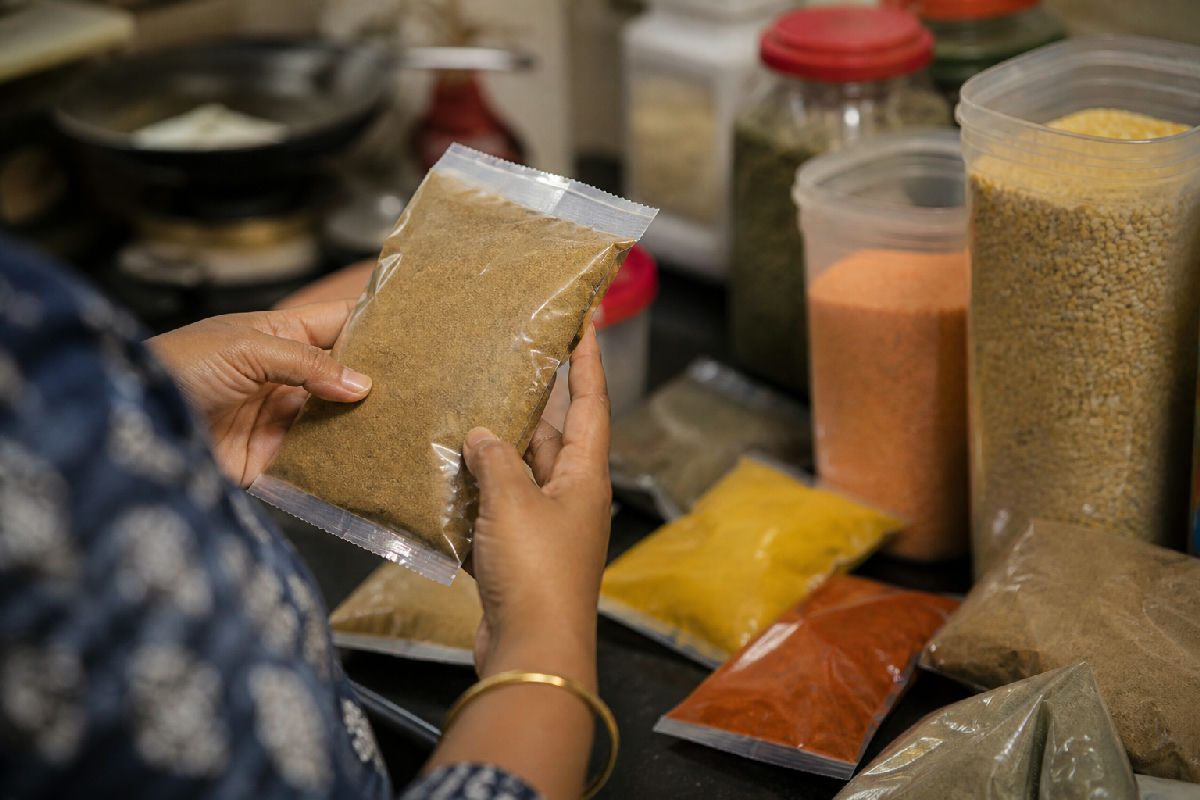
FSSAI Everest cumin powder: what the regulator ordered
The FSSAI action followed two stages of testing: a Food Analyst’s report and confirmation by a Referral Food Laboratory.[1][2]
The regulator directed Everest Food Products to:
- Recall the entire implicated batch immediately.
- Maintain complete records of recalled stock.
- Submit recall information and status reports within the prescribed timelines.
- Withdraw the product from the market, including stock held through the distribution chain.
This is different from a blanket ban on Everest products. The order reported on October 4 concerns the identified pre-packed cumin-powder batch tested in the regulatory process.
The case also highlights a limitation consumers often face during fast-moving food-safety news: a recall announcement can appear before complete public information on quantities, retailers and geographic distribution is available. Until FSSAI or the company publishes further details, claims about a nationwide quantity or a wider product range should be treated cautiously.
Pesticides in Everest cumin powder: what to do with your packet
Use this checklist before deciding whether to keep or consume the product:
- Check the product name. Confirm that the packet is pre-packed cumin powder or jeera powder, not whole cumin, a blended spice or another Everest product.
- Find the batch or lot code. Look for the printed code near the manufacturing, packing or expiry information.
- Compare it with E080668761. If the code matches, do not consume the product.
- Separate the packet. Keep it sealed and away from other food while arranging a return or disposal through the seller or company’s recall process.
- Keep proof of purchase. Save the bill, packet and photographs of the batch code if you contact the retailer, Everest or a food-safety authority.
- Do not rely on smell or appearance. Pesticide residues cannot be reliably detected by sight, taste or odour.
- Seek medical advice for symptoms. If someone develops concerning symptoms after consuming a recalled product, contact a doctor and provide the packet details; urgent symptoms require prompt medical care.
Consumers who have an unmatched batch should still check official FSSAI updates and the manufacturer’s notices, because recall information can be expanded or corrected. Do not forward unverified lists claiming that all Everest spices, or all cumin powder brands, have been recalled.
Frequently Asked Questions
Is Everest cumin powder unsafe?
The available FSSAI-reported action concerns a specific batch of Everest pre-packed cumin powder, identified in multiple reports as E080668761. It does not establish that every Everest cumin product or every Everest spice is unsafe.
What did FSSAI find in Everest cumin powder?
Testing found residues of Azoxystrobin and Thiamethoxam above the prescribed maximum limits. A Referral Food Laboratory confirmed the sample was “UNSAFE”, according to reports citing FSSAI’s notification.
What is the Everest cumin powder batch number?
The reported recalled batch number is E080668761. Consumers should compare that code with the batch or lot number printed on their packet.
Should I stop buying Everest cumin powder?
The reported order is a batch-specific recall, not a blanket ban on all Everest cumin powder. Avoid the identified batch, follow official recall instructions and wait for updated information before making a broader brand-wide conclusion.
What should I do if I have the recalled Everest jeera powder?
Do not consume it, keep the packet and batch details, and contact the retailer or manufacturer for return or recall instructions. If anyone feels unwell after consumption, seek medical advice and mention the product and batch number.