Expired atta viral video: loose atta repacking and near expiry flour resale explained
A viral clip of near-expiry atta being poured into a loose bin has exposed gaps in food safety, repacking rules and everyday supermarket practices.
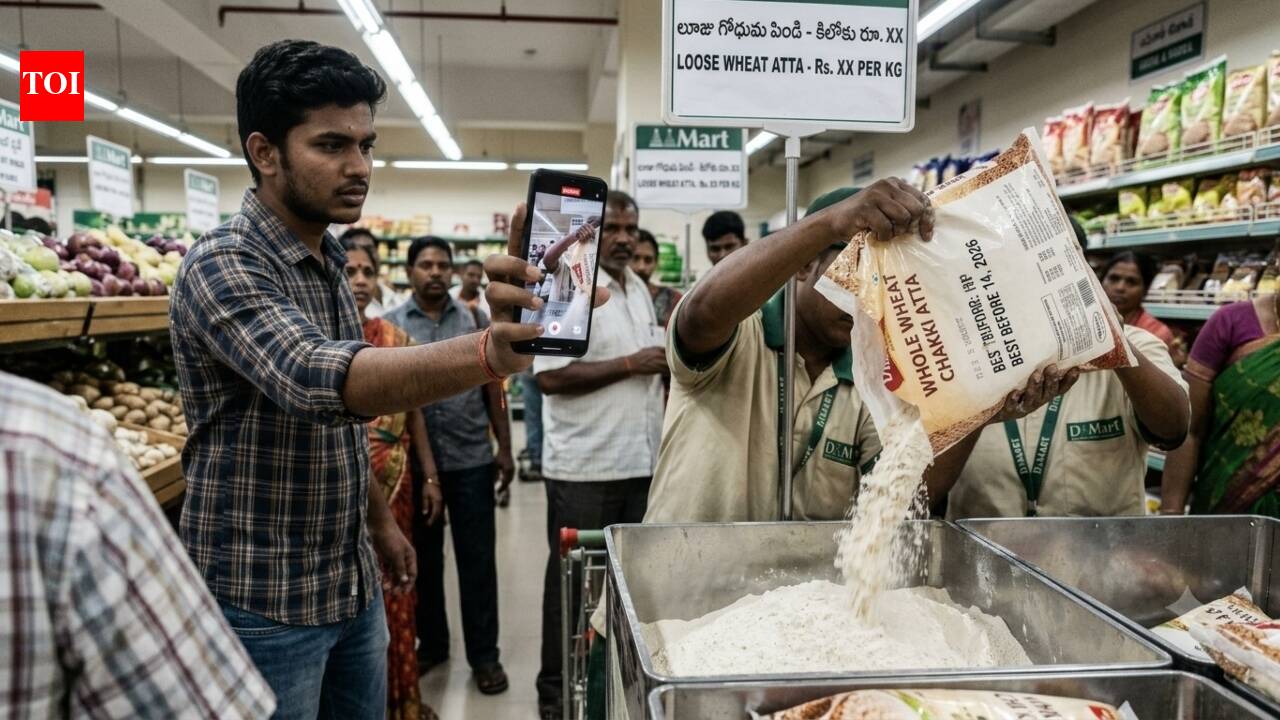
On a rainy August evening, a shopper in a crowded Indian supermarket pulled out their phone and hit record.
The camera zoomed in on a staff member cutting open a 10 kg packet of branded Whole Wheat Chakki Atta, then tipping the contents into a large, open bin labelled for loose atta.
On the packet, the printed “use by: August 14, 2026” date was clearly visible.
The shopper later claimed the clip was shot on August 13, 2026 – just one day before the flour’s use-by date.
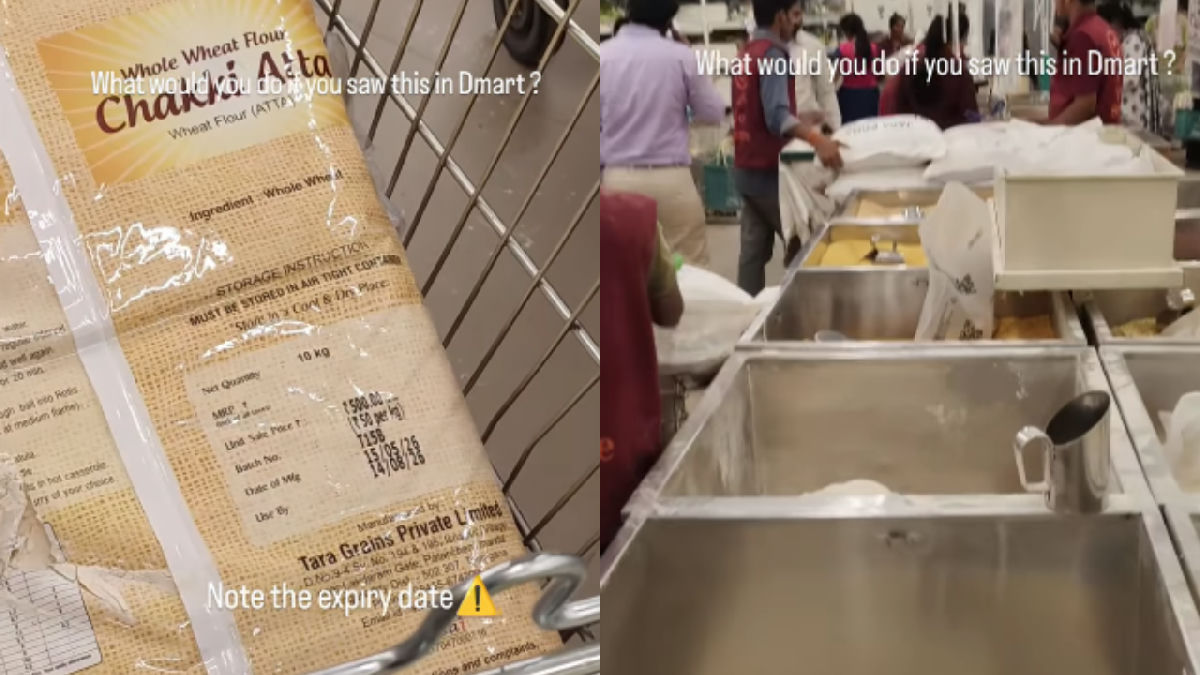
Within hours of hitting Instagram, the expired atta viral video had exploded, crossing 7 million views and sparking furious debate over whether Indian supermarkets are quietly repacking near-expiry food into bulk containers.
The Times of India covered the incident on August 21, 2026, noting that the clip appeared to be shot at a D-Mart–style large-format store, with boards in Telugu and English visible in frame.
For many viewers, this wasn’t just another restaurant hygiene horror.
It touched a deeper fear: that the same loose atta sold by weight in everyday supermarkets – often trusted as fresher and cheaper – might be repacked from near-expiry branded flour.
This investigation from donteat.in breaks down what we know so far, what Indian law says about loose atta repacking and near expiry flour resale, and how you can protect yourself and your family.
Expired atta viral video: What happened and why India is angry
The now-infamous expired atta viral video shows a man in store staff clothing opening sealed, printed packets of Chakki Atta and decanting the flour into a large container used for loose sale by the kilo, a practice many supermarkets use for staples like rice, pulses and flour.
According to the Times of India’s food desk, the packet in the clip carries:
- Manufacturing date: May 15, 2026
- Expiry / use-by date: August 14, 2026
The person who filmed the video claims it was recorded on August 13, 2026, one day before expiry, and alleges that such repacking is done to keep selling the flour beyond its labelled date.
Times of India notes that the exact store location and date have not been independently verified, but the grocery board in the background is written in Telugu and English, suggesting a store in the southern belt.
Other coverage, including Times Now, describes the flour as “near‑expiry” and the practice as a way to “repurpose” or resale near expiry flour into generic loose product, stripped of the original expiry label.
The article’s headline captures public sentiment bluntly: “Food safety is a joke in India”, quoting social media reactions.
While the store has not issued a widely reported public statement as of late August 2026, the clip is widely referred to online as the “D-Mart flour video”, reflecting the chain’s dominance in the budget supermarket space.
LinkedIn and WhatsApp forwards repeat claims that similar repacking happens at “multiple outlets” of large chains, though these are currently anecdotal and unverified.
The unresolved questions are exactly the ones consumers are asking on Google and social media:
- Is expired atta being sold as loose atta?
- Can supermarkets legally do loose atta repacking from branded packets?
- Is near expiry flour resale a food safety violation or just “normal practice”?
Before we answer those, it helps to understand the science of flour shelf life and the law around repacking and relabelling.
What does “near expiry” mean for wheat flour?
Wheat flour is not a high-risk food like meat or dairy, but it does deteriorate over time.
The risk is less about immediate poisoning and more about rancidity, mould and insect infestation.
Key points about atta shelf life:
- Whole wheat flour (chakki atta) contains the wheat germ and bran, which have natural oils. These can turn rancid within 6–12 months at room temperature, especially in warm, humid climates like much of India.
- White refined flour (maida) lasts longer – often 12–18 months if stored airtight in a cool, dry place – because most of the oils have been removed.
- Storage conditions are critical. Flour left in open bins exposed to air, moisture and insects can degrade much faster than flour kept sealed.
Global food storage guides note that “best before” or “use by” dates for flour are typically quality dates, not hard safety cut-offs.
Properly stored white flour may remain usable 2–4 years past the printed date if it still smells and looks normal.
However, visible mould, discolouration, off odour or weevils are clear signs to discard.
For whole wheat flour, experts recommend a much shorter room‑temperature window – often under a year – because rancidity sets in sooner.
India’s climate pushes that window toward the shorter end.
The issue in the viral video is not only the date itself, but what happens when near‑expiry flour is transferred from a labelled packet to an unlabelled loose container.
Once decanted:
- The consumer loses access to the original expiry date.
- The product may be stored less safely (open bins, scoops, high‑traffic aisles).
- There is no way to know whether the flour is approaching rancidity or has been sitting in that bin for weeks.
That combination turns a manageable risk (using a packet close to its best‑before date) into a hidden risk.
What Indian law says about loose atta repacking and near expiry flour resale
Under the Food Safety and Standards Act, 2006 and regulations notified by the Food Safety and Standards Authority of India (FSSAI), repacking flour is allowed – but heavily regulated.
Two core ideas matter here:
- Repackers and relabellers are legally treated as manufacturers.
- These entities must follow all rules on labelling, including name and address, FSSAI licence number, manufacturing date, best-before/use-by date, and lot/batch details.
- Every repacked product must carry both the original manufacturer and the repacker’s details.
- The expiry or use‑by date cannot be erased or hidden; if the product is repacked into a new container, that new container must carry a valid date.
In addition, there are specific standards for “Atta or Resultant Atta” under development and revision at FSSAI, which aim to tighten definitions, quality parameters and labelling norms for wheat flour and related products.
Crucially for this viral case:
- Selling loose atta from an open bin is legal only if the business complies with hygiene and display norms and can trace the product’s source and batch.
- If a store takes branded packets nearing their use‑by date, empties them into a generic bin and continues to sell them without any expiry information on display, it is very likely in violation of core labelling and consumer information requirements.
- If flour is sold beyond its declared use-by date, it can trigger enforcement action similar to the Maharashtra FDA’s recent suspension of licences where expired food was found in quick‑commerce outlets.
The grey zone is whether the flour in the video was sold before or after the printed date, and whether the store had any internal records linking that loose bin to the original packets.
From a consumer perspective, however, the risk is that you cannot see any of this.
D-Mart flour video: Why this hit a nerve
The D-Mart flour video has resonated in a way that many past food safety clips did not.
Here’s why:
- Everyday context: This was not a small dhaba kitchen or a faraway restaurant. It looked like a mainstream, budget supermarket many Indians rely on for monthly rations.
- Staple product: Atta is a daily staple, not an occasional treat. Any doubt about its safety feels personal.
- Hidden practice: The act of repacking near expiry flour into unlabelled loose containers suggests a systemic, invisible practice, not a one‑off mistake.
- Trust breach: Supermarkets market loose atta as freshly milled or “chakki fresh”, sometimes implying it is superior to packets. Seeing branded packets quietly emptied into loose bins undermines that narrative.
On Instagram, Twitter and WhatsApp, users are asking pointed questions:
- “Is this happening at my local supermarket too?”
- “Is loose atta repacking legal if the expiry is covered?”
- “How do I know the near expiry flour resale isn’t happening in my city?”
For many, the clip connects to broader frustration after recent enforcement drives finding expired products, cockroaches and poor hygiene in online grocery dark stores.
There is a sense that food safety enforcement is reactive and patchy, catching egregious cases but missing quiet, everyday corner‑cutting.
Health risks: Is expired or near expiry atta dangerous?
From a strict toxicology standpoint, slightly past-best-before flour is not usually acutely poisonous.
The bigger concerns are:
- Rancidity: Whole wheat flour can develop a bitter, soapy, or paint-like smell as its oils oxidise. Rancid fats may contribute to digestive discomfort and long‑term oxidative stress.
- Mould and mycotoxins: In humid storage, flour can grow mould. Some moulds produce mycotoxins, which can be harmful if consumed regularly.
- Pests and contamination: Open bins make it easier for weevils, cockroaches, rodents and dust to contaminate flour. Insect fragments are allergenic for some people.
Most guidance says you should never use flour that smells off, shows mould, or has visible insects.
However, in a busy supermarket, consumers rarely get to smell or inspect flour before buying, especially when it is scooped or gravity‑fed into bags.
When near-expiry flour is poured into a large bin:
- Older flour mixes with newer stock, making it impossible to distinguish.
- Staff may top up the bin continuously, meaning some flour could remain there for weeks or months.
- Temperature and humidity in Indian retail spaces further accelerate degradation.
The scientific risk rises gradually, but the consumer’s visibility drops immediately.
That is the core safety problem.
How supermarkets are supposed to handle expiry and repacking
Under FSSAI norms and state food safety departments’ enforcement circulars, supermarkets are expected to:
- Remove products from sale on or before their use‑by date.
- Maintain batch‑wise stock records, so they can trace the source of any product, whether loose or packed.
- Avoid misleading consumers. If a product is marketed as “freshly milled loose atta,” but is in fact repacked branded flour, that may fall under misbranding or unfair trade practice.
- Use hygienic containers and scoops for loose products and ensure regular cleaning.

Repacking itself is common in India – wholesalers and supermarkets often break bulk packs into smaller units.
However, lawful repacking must:
- Be done by a licensed repacker/relabeller, not casual staff without oversight.
- Result in new packaging or labelling that still shows manufacture date, best-before/use‑by date, and responsible operator details.
- Never extend a product’s life beyond what the original manufacturer declared.
Emptying near‑expiry flour packets into an anonymous loose bin, and continuing to sell it after the printed date, crosses several of these lines.
What this means for the average Indian shopper
For consumers, the D-Mart flour video is less about one supermarket and more about systemic blind spots.
Here’s what this story reveals:
- Loose staples are not automatically safer or fresher. The assumption that buying atta, rice or dal from bulk bins is more “authentic” or “healthy” needs to be questioned.
- Expiry transparency is weak for loose foods. Unlike a packet, a scoop of loose atta rarely comes with visible dates or batch numbers.
- Price pressure can drive bad practices. In a tightly competitive market, the temptation to avoid write‑offs of near‑expiry stock is real.
- Consumers are the last line of defence. Regulators and chains may improve, but right now, your own vigilance is crucial.
This doesn’t mean you must stop buying all loose atta.
It does mean you should upgrade how you choose, question and store it.
How to buy atta safely: practical steps after the viral video
In light of the expired atta viral video and concerns over loose atta repacking, here are concrete steps you can take.
1. Prefer packed atta from reputable brands when in doubt
- Choose sealed branded packets with clear manufacturing and use-by dates.
- Buy packs that give you at least 2–3 months of shelf life based on your household’s consumption.
- Avoid heavily discounted packs whose use-by date is within a few days, unless you are sure you can finish them.
2. If you buy loose atta, demand information
- Ask the store: “Where is this atta coming from? Is it milled on-site or repacked from branded flour?”
- Request to see any batch or supplier records. A responsible store should be able to show some documentation.
- Avoid loose bins that look dirty, uncovered or rarely cleaned.
3. Check sensory cues before you commit
- If possible, take a small sample first.
- Look closely for tiny moving insects (weevils) or black specks.
- If the atta develops an odd smell or taste after storage, stop using it immediately.
4. Store atta safely at home
- Transfer atta – whether packed or loose – into a clean, dry, airtight container.
- Keep containers in a cool, dry, dark place, away from heat and moisture.
- If you buy large quantities or live in very humid regions, consider refrigerating or freezing portions of the flour in sealed containers.
5. Watch for patterns and speak up
- If you repeatedly see staff decanting branded packets into “loose” bins, question the manager.
- If you suspect expired or mislabelled food, you can file a complaint with your State Food Safety Department or via FSSAI’s helplines and online portals.
- Share information responsibly – avoid naming specific stores publicly unless you have clear evidence.
What regulators and supermarkets need to do next
The viral D-Mart flour video has already sparked conversation among food safety professionals.
To restore trust, three changes would make a real difference:
- Mandatory expiry display for loose foods: Regulations could require supermarkets to display batch and best-before/use‑by dates on shelf labels for loose atta, rice, pulses and similar staples, just as they do for packed items.
- Stricter scrutiny of repackers: State food departments could focus inspections on repacking and relabelling operations, verifying that no product’s declared life is being quietly extended via bulk bins.
- Better consumer communication: Chains should proactively explain whether their loose atta is on‑site milled, contract‑milled, or repacked – and how they handle near‑expiry stock.
Until such changes are made, viral clips like this will keep surfacing, showing what many shoppers only suspect.
Frequently Asked Questions
Is it safe to use atta after its expiry or best-before date?
For most flours, the printed date is mainly about quality, not an automatic safety cut-off. However, whole wheat atta can turn rancid or grow mould faster, especially in India’s climate, so you should avoid using flour that smells odd, looks discoloured, or shows insects, even if the date is just recently past.
Is loose atta repacking from branded packets legal in India?
Repacking is legal only if done by a properly licensed business that follows all FSSAI rules, including clear labelling of manufacture and expiry dates and disclosure of both the original manufacturer and the repacker. Emptying branded near-expiry atta into anonymous loose bins without expiry information likely violates these requirements.
What are the risks of buying loose atta from supermarkets?
Loose atta in open bins can be exposed to air, moisture and pests, which increases the chances of rancidity, mould and insect contamination. Because loose atta usually lacks visible expiry dates and batch details, you have less information to judge its freshness and safety.
How can I avoid near expiry flour resale when shopping?
Prefer sealed packets with comfortable remaining shelf life, and check dates before buying. If you buy loose atta, ask the store about its source, avoid dirty or uncovered bins, and be cautious of shops that frequently decant branded packs into “loose” containers without any dates or supplier information.
Should I stop buying loose atta altogether after the D-Mart flour video?
You don’t necessarily need to stop, but you should be more selective and demanding. Buy loose atta only from mills or shops that can clearly explain their sourcing and hygiene, and be prepared to switch to packed atta if you aren’t satisfied with the transparency and conditions in your local supermarket.