Food Town Mumbai cockroach video raises restaurant hygiene fears
A cockroach-in-food complaint at The Food Town has reignited concerns about Mumbai restaurant hygiene, pest control and consumer complaint rights.
# Food Town Mumbai cockroach video: what the viral clip means for restaurant hygiene and your rights
A dead cockroach in a served dish is the kind of image that can flatten appetite across an entire city. That is exactly why the Food Town Mumbai cockroach video has spread so fast: the complaint is not just about one meal, but about whether restaurant kitchens, cloud kitchens and delivery meals can be trusted at all.[1]
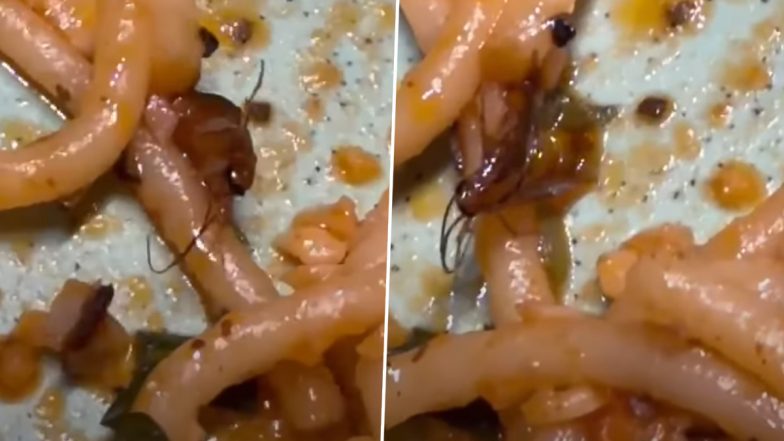
The viral report concerns The Food Town in Vidyavihar West, Mumbai, where a customer alleged that a dead cockroach was found in a dish after part of the food had already been eaten.[1] LatestLY reported that the complainant said the diner was eight months pregnant, that photos of the food and bills were preserved, that police were called, and that the matter was referred to the Food Safety Department.[1]
Food Town Mumbai cockroach video: what happened
According to the latest published account, the incident began as a food complaint and quickly became a viral hygiene story.[1] The customer alleged that the restaurant first refused to provide a bill, and later issued a second altered bill that removed the disputed item.[1]
That sequence matters because food-safety disputes are often resolved through records, not memory. Bills, photos, delivery logs, screenshots of the order and preserved food samples can become the only evidence a consumer has when a restaurant denies wrongdoing.
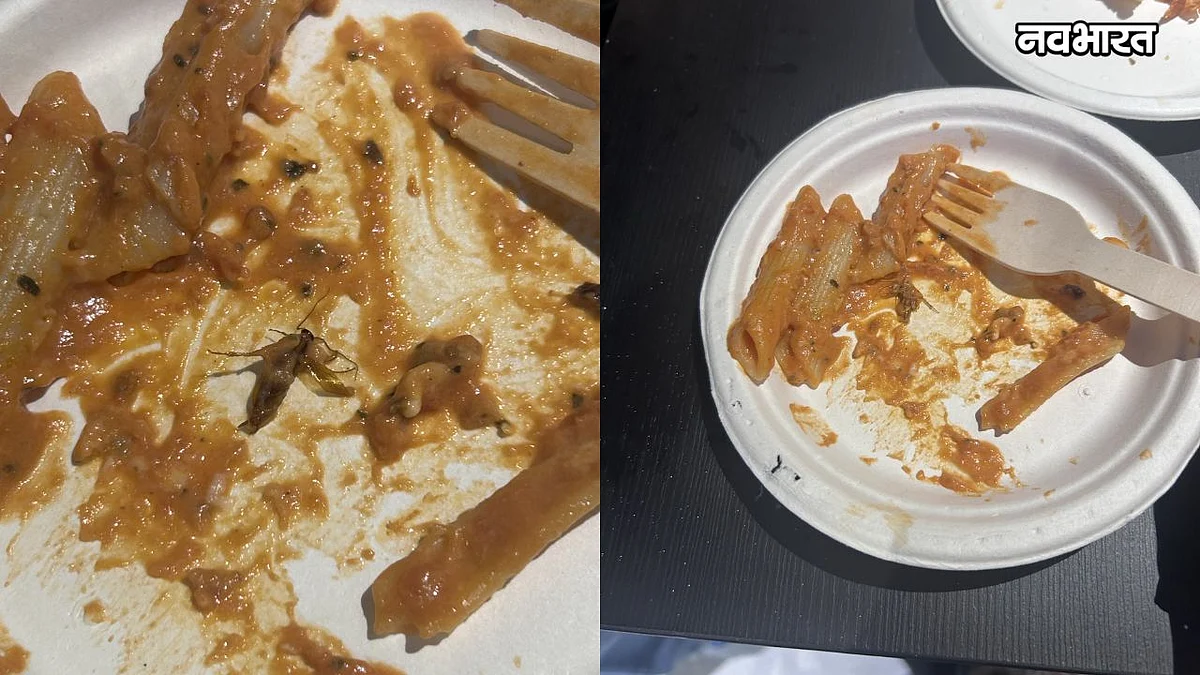
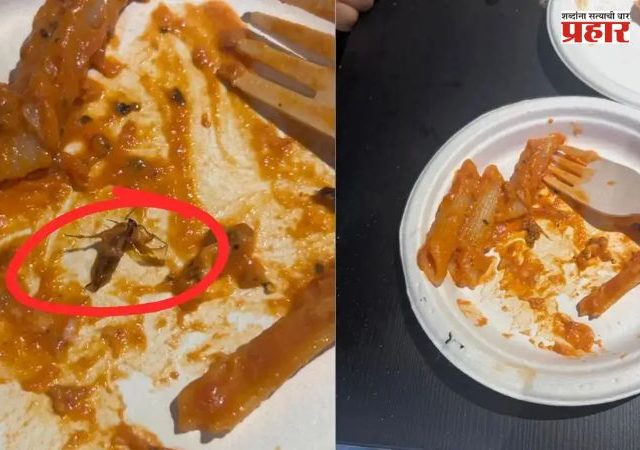
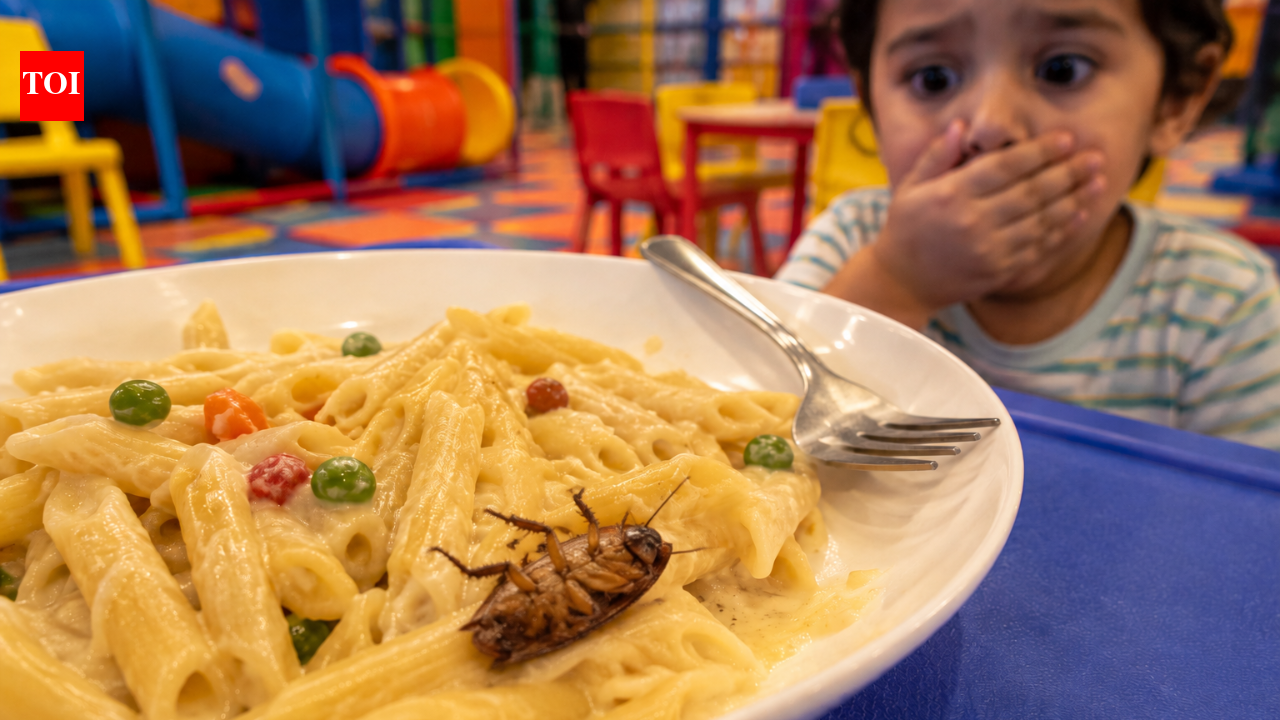
The story has also joined a broader wave of viral Mumbai hygiene complaints this year, including separate allegations involving cockroaches in pasta at a children’s play zone and insect contamination in delivery food.[3][4][10] The common pattern is familiar: a shocking image is shared online, then local news amplifies it, and only then do regulators and brands face pressure to respond.[3][10]
Why a dead cockroach found in dish restaurant complaints go viral so quickly
A dead cockroach found in dish restaurant clip hits a specific consumer fear: that visible contamination is only the surface problem, and that unseen contamination may be worse. That fear is amplified in restaurant and cloud-kitchen food because customers do not see the kitchen, the storage area or the pest-control schedule.
Public outrage is also driven by the setting. A complaint involving a family restaurant, children’s venue or delivery meal feels more personal than a generic hygiene lapse. In the Mumbai cases reported recently, the allegations were not abstract violations; they involved dishes already served to customers, which makes the contamination feel immediate and intimate.[1][3][10]
What the law says about restaurant hygiene in India
Food businesses in India are governed by the Food Safety and Standards Act, 2006, and by hygiene and sanitary requirements issued under the Food Safety and Standards (Licensing and Registration of Food Businesses) Regulations, 2011.[1][8] Restaurants, cloud kitchens and packaged-food manufacturers are all expected to follow basic standards on cleanliness, pest control, safe storage and prevention of contamination.[8]
For consumers, the practical point is simple: if food is contaminated by insects, rodents, hair, foreign matter or other visible hazards, the establishment may be in violation of hygiene requirements, and the complaint can be escalated to the local food-safety authority.[1][8]
Mumbai’s recent enforcement record shows that regulators do act when viral food-safety incidents become public. In one 2026 case, a viral video of a rat in a vegetable section at a Mira Road supermarket prompted inspections and sample collection by officials, according to local reporting.[8] In another case, Maharashtra FDA action led to the suspension of FSSAI licences of multiple Mumbai clubs after hygiene violations were found.[9]
How to complain restaurant food India if you find contamination
If you are searching for how to complain restaurant food India, the key is to act quickly and preserve evidence.
First, stop eating the food and photograph or record the contamination from multiple angles. Keep the packaging, bill, delivery label, order ID, payment receipt and any chat with customer support.[1][10]
Second, complain in writing to the restaurant or platform immediately and ask for a complaint reference number. If the food was delivered, the marketplace or app should also be notified so the order can be traced.
Third, escalate to the local food-safety authority or state FDA if the response is inadequate. LatestLY’s report on the Food Town complaint says the matter was referred to the Food Safety Department, which is the kind of escalation consumers should request when visible contamination is alleged.[1]
Fourth, if there is a health concern, especially for a pregnant person, child or immunocompromised consumer, seek medical advice and preserve the food sample in case testing is needed.
Packaged food vs restaurant food: which is safer?
There is no automatic safety advantage just because food is packed, sealed or delivered. Safety depends on manufacturing hygiene, storage, transport, pest control and temperature control.
That said, packaged food usually has two consumer advantages. The first is traceability: the brand name, batch code, manufacturer address and expiry date are printed on the pack. The second is complaint routing: a packaged-food complaint can often be escalated through the manufacturer, retailer and regulator using batch details.
Restaurant food has a different risk profile. The kitchen may be nearby, but the customer usually cannot see sanitation conditions, ingredient storage or pest-control practices. The recent Mumbai headlines — from a cockroach alleged in pasta at a play zone to a dead bug alleged in a cloud-kitchen order — show why trust in off-premise food is so fragile.[3][4][10]
Scientific background: why cockroaches in food are not a minor issue
Cockroaches are not just unpleasant to see. They are associated with contamination because they move through drains, garbage areas and damp crevices, then can transfer microorganisms and debris onto surfaces and food-contact areas. In food-service settings, that makes a visible cockroach a sign that pest control or sanitation may be failing.
A single insect in a dish does not tell consumers everything about a kitchen, but it is a strong warning signal. It suggests that food may have been exposed to conditions where contamination controls were not working as intended.
That is why incidents like the Food Town complaint matter beyond the individual meal. They test whether routine hygiene systems are actually functioning, or whether they exist only on paper.
What the Mumbai viral food hygiene video means for consumers
For the average shopper or diner, the lesson is not to panic, but to pay attention.
If you order food from a restaurant or cloud kitchen and discover contamination, your first right is to document the problem clearly. Your second right is to complain formally and demand an investigation. Your third right is to escalate beyond customer care if the response is evasive.
This is especially important in cities like Mumbai, where viral clips can prompt quick official attention but do not always lead to transparent public findings. The visible clip is only the start of the case; the real question is whether inspection results, pest-control records and corrective action will be shared.
What consumers should do right now
- Do not eat further if you see a dead cockroach, insect or other foreign object in food.
- Take clear photos and video before moving the dish.
- Save the bill, order ID and packaging.
- File a written complaint with the restaurant and platform the same day.
- Escalate to the Food Safety Department or state FDA if the response is unsatisfactory.[1][8]
- Seek medical advice if anyone who ate the food develops symptoms, and mention the contamination incident.
- Avoid deleting evidence even if the restaurant promises a refund; money back does not replace a safety complaint.
Frequently Asked Questions
Was a dead cockroach actually found in food at The Food Town in Mumbai?
LatestLY reported that a customer alleged a dead cockroach was found in a dish at The Food Town in Vidyavihar West after part of the food had already been eaten.[1] The report says photos, bills and the food were preserved, and that the matter was referred to the Food Safety Department.[1]
How do I complain restaurant food India if I find a cockroach in my meal?
Stop eating, photograph the food, save the bill and order details, and file a written complaint with the restaurant or delivery platform immediately. If the response is weak or delayed, escalate to the local Food Safety Department or state FDA, which is the route described in the Food Town complaint coverage.[1][8]
Are packaged foods safer than restaurant food?
Not automatically. Packaged food offers better traceability through batch numbers and labels, but safety still depends on the manufacturer’s hygiene, storage and transport conditions. Restaurant food can be safe too, but consumers usually have less visibility into the kitchen and pest-control environment.[8]
What should I do if I already ate part of the contaminated food?
Stop eating immediately and preserve the remaining food, packaging and bill. If you feel unwell, especially if you are pregnant, a child, elderly or immunocompromised, seek medical advice and mention the contamination incident when you report it.[1]
Can a viral food video lead to official action in Mumbai?
Yes. Recent Mumbai reporting shows that viral hygiene videos have triggered inspections, sample collection and enforcement action in some cases, including supermarket and club crackdowns.[8][9] The key is whether the complaint is documented and escalated to the correct authority.[1][8]
Sources
- LatestLY, “Viral Video: Dead Cockroach Found in Dish at The Food Town in Mumbai, Customer Files Complaint,” https://www.latestly.com/socially/india/news/viral-video-dead-cockroach-found-in-dish-at-the-food-town-in-mumbai-customer-files-complaint-7544707.html/amp
- LatestLY, “Food Town – Latest News Information updated on August 04, 2026,” https://www.latestly.com/topic/food-town/
- Navbharat Live, “Mumbai Kids Play Zone Cockroach: … VIDEO viral,” https://navbharatlive.com/maharashtra/mumbai/mumbai-kids-play-zone-cockroach-found-in-pasta-viral-video-1898476.html/amp
- Prahaar, “Cockroach found in pasta stir at a popular play zone in Lower Parel, video goes viral,” https://prahaar.in/2026/07/30/cockroach-found-in-pasta-stir-at-a-popular-play-zone-in-lower-parel-video-goes-viral/
- Times of India, “Cockroach in child’s pasta at Mumbai play zone…,” https://timesofindia.indiatimes.com/life-style/parenting/moments/cockroach-in-childs-pasta-at-mumbai-play-zone-why-it-is-important-to-teach-kids-about-food-safety-at-an-early-age/articleshow/132734896.cms
- Times of India, “NMMC inspects Ghansoli quick commerce store after rat video goes viral,” https://timesofindia.indiatimes.com/city/mumbai/nmmc-inspects-ghansoli-quick-commerce-store-after-rat-video-goes-viral/articleshow/132372136.cms
- News18, “Mumbai Doctor Says She Found A Dead Cockroach Inside Chole Ordered From Zepto Cafe,” https://www.news18.com/viral/mumbai-doctor-says-she-found-a-dead-cockroach-inside-chole-ordered-from-zepto-cafe-have-lost-my-appetite-ws-l-10237816.html
- Free Press Journal, “Food Safety Concerns Rise After Viral Video Allegedly Shows Rat Feeding On Corn At Mira Road Star Bazaar,” https://www.freepressjournal.in/mumbai/food-safety-concerns-rise-after-viral-video-allegedly-shows-rat-feeding-on-corn-at-mira-road-star-bazaar-video
- YouTube, “Cockroach, Expired Food and flies, Mumbai clubs FDA crackdown,” https://www.youtube.com/watch?v=SUfkyGP9oe0
- FSSAI, Food Safety and Standards Act / licensing regulations background (official framework), https://www.fssai.gov.in/