FoodPharmer 5 foods that fool you: The definitive label guide
Revant Himatsingka’s latest viral video on “5 Indian packaged foods that fool the public” has reignited India’s debate over misleading labels and everyday snacks.
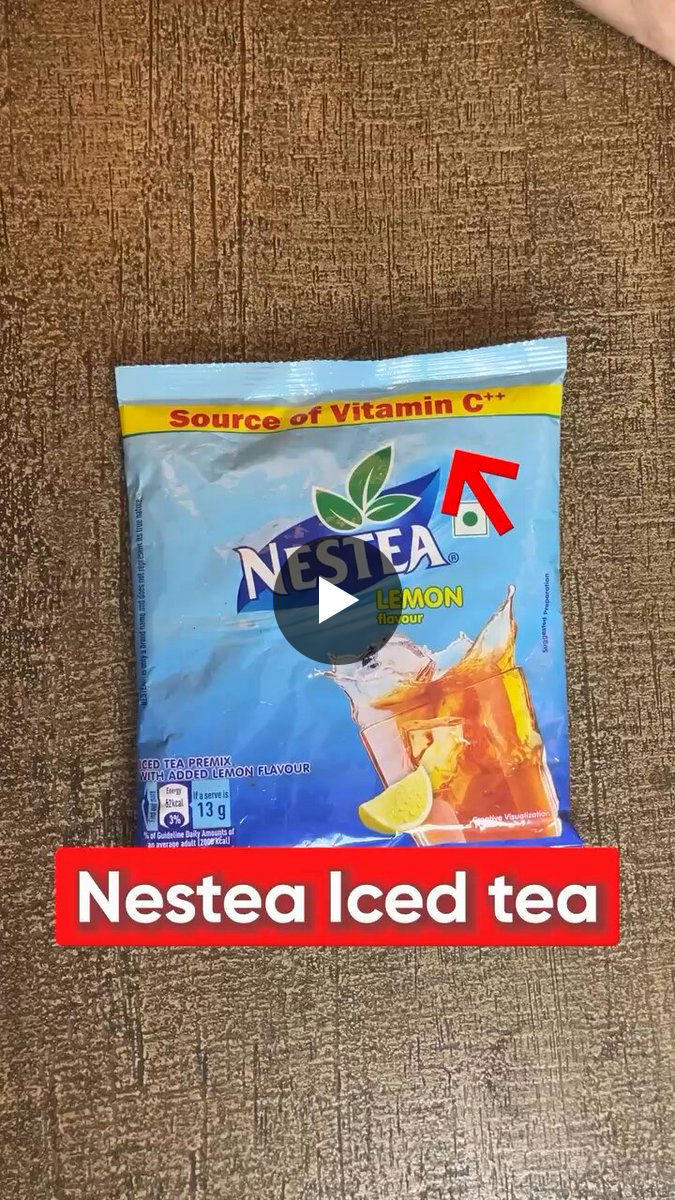
Food influencer Revant Himatsingka, better known as FoodPharmer, has pushed India's packaged food industry back into the spotlight. On 1 September 2026 he posted a video and X thread titled "5 Indian packaged foods that fool the public", urging people to join his #LabelPadhegaIndia campaign and "share to spread awareness."
Within hours the clip was being forwarded through WhatsApp groups, stitched into Instagram reels and argued over on X. This guide sets out what the campaign actually claims, where it stands on firm ground, and what it means for your own shopping basket.
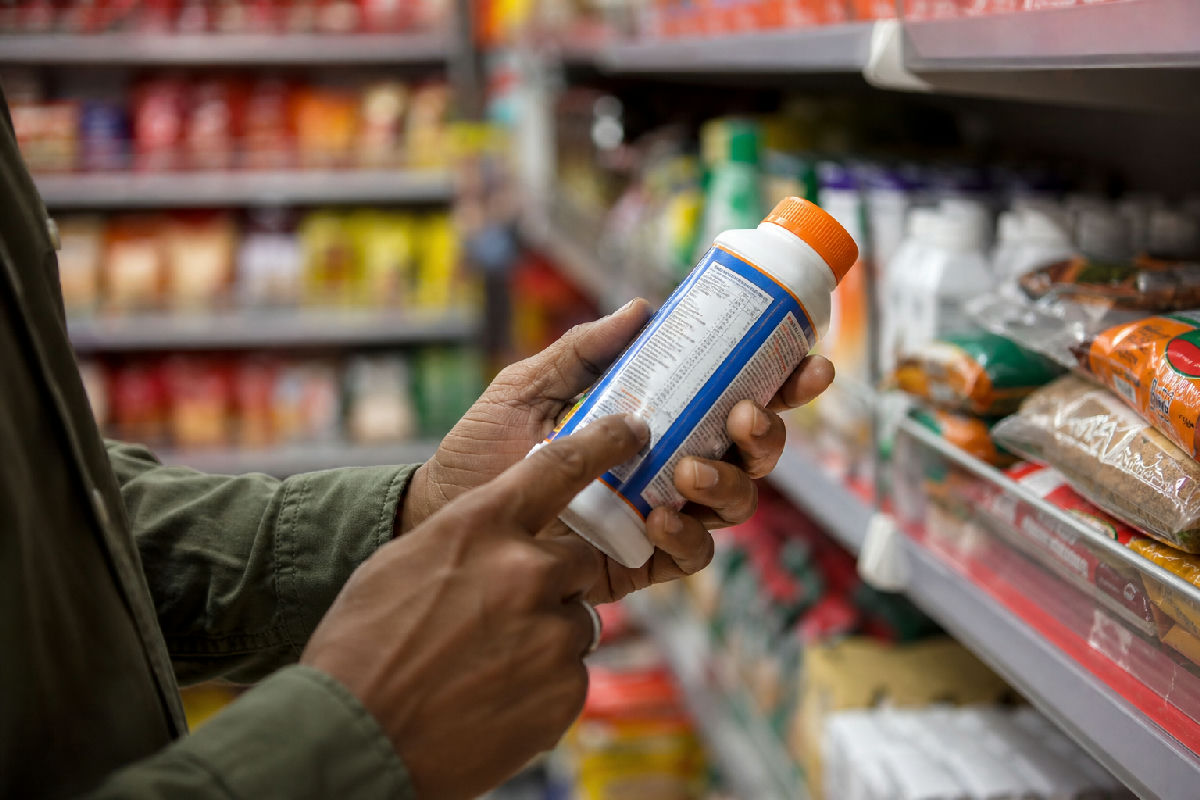
What is the FoodPharmer "5 foods that fool you" campaign?
The argument is about marketing, not safety. The campaign does not allege that these products are unsafe, adulterated or illegal. Its claim is narrower and harder to dismiss: that health-style branding creates a health halo, and that halo nudges shoppers into treating sugary, salty, ultra-processed foods as daily staples rather than occasional treats.
Label Padhega India started from one simple idea — that more Indians should turn the pack over and read the nutrition panel before buying, rather than trusting the claims printed on the front.
This is not Himatsingka's first campaign on the theme. His Bournvita video three years ago pushed the sugar content of children's health drinks into mainstream debate, and coverage of this latest video has repeatedly drawn the line back to it.
The 5 types of "fooling" foods highlighted
The video groups its targets by category rather than by brand — the pattern it describes is a marketing one, and it recurs across the aisle.
1. "Diet" and "baked" snacks
Baked is a cooking method, not a nutrition claim. A baked chip or a "diet" namkeen can still be built on refined flour, cheap fat and a great deal of salt. Removing the deep-fry step changes one variable; it does not by itself make the product a health food.
2. "High protein" and "healthy" bars
A protein number on the front says nothing about the sugar behind it. Bars sold on protein or granola credentials frequently carry syrups, chocolate coatings and concentrated fruit pastes, which can push their sugar load close to confectionery while the packaging reads like sports nutrition.
3. Kids' drinks and malt powders
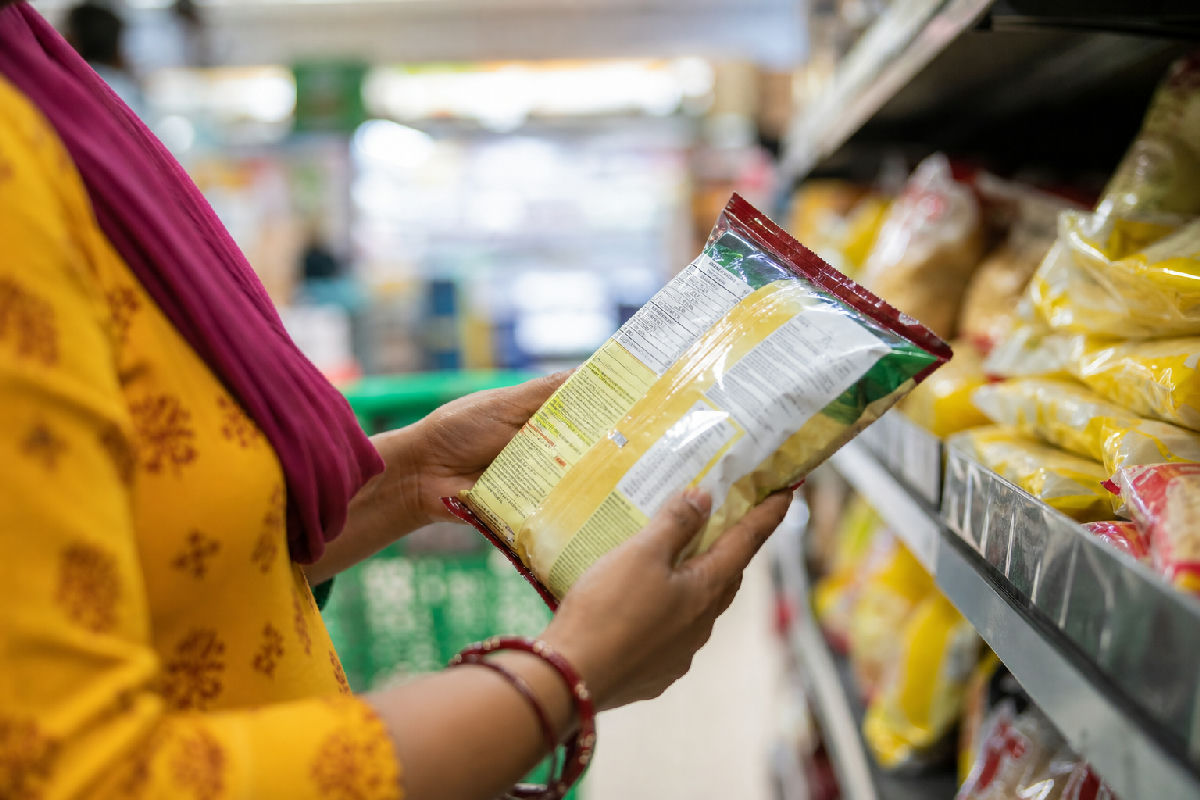
The category most reliant on the health halo. Malt drinks and children's nutrition powders are marketed on growth, immunity and concentration, while sugar often sits near the top of the ingredient list. This is the same argument that made the Bournvita video land three years ago.
4. "Natural" and "100% pure" claims
"Natural" is not a nutrition guarantee. As News9 put it when covering the same question, a label screaming 100% Natural or 100% Pure tells you about provenance framing, not about how much sugar, salt or fat the product contains. Sugar, salt and palm oil are all perfectly natural.
5. "Zero cholesterol" and "heart healthy" tags
Technically true, practically empty. Most vegetable oils contain no cholesterol at all, so printing zero cholesterol on one is not an achievement — and it reveals nothing about saturated fat, calories or how the product behaves in a daily diet.
Why the campaign is resonating: food rules and regulation
The video landed in the middle of a live regulatory fight, which is a large part of why it travelled so far.
FSSAI rules and enforcement
FSSAI has proposed red hexagon front-of-pack warnings for foods high in sugar, salt and fat, and it already regulates nutrition and health claims. The unresolved questions are how strong and how visible those warnings should be, and how firmly misleading advertising and celebrity endorsement are policed.
That proposal has not gone unopposed. Reuters has reported fierce opposition from industry to the government's proposed food warning labels — the commercial stakes of a hexagon on the front of a pack are considerable.
The debate has also turned on cross-market comparisons, with coverage contrasting the sugar and calorie content of the same global brands sold in India against their formulations elsewhere.
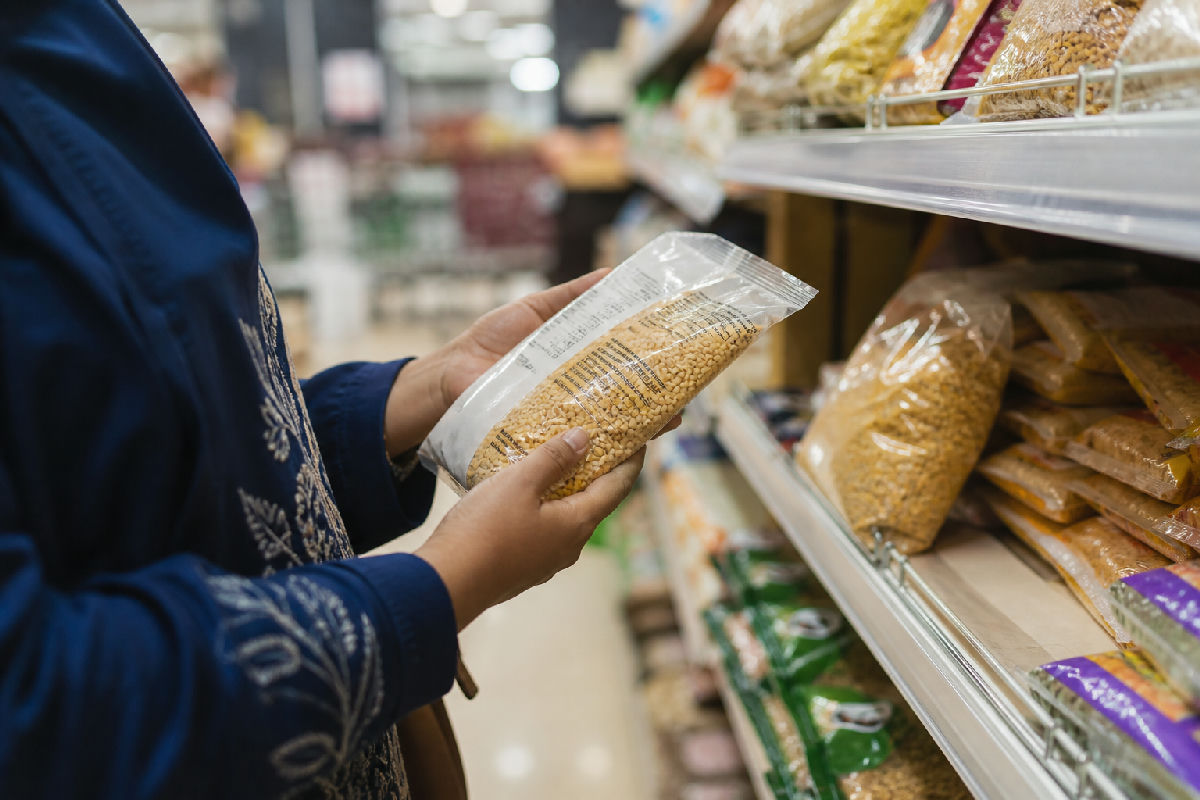
How to read labels and avoid being fooled
The campaign's practical core is a reading habit, not a boycott list.
1. Ignore the front, flip the pack
The front of a pack is designed by a marketing team. The nutrition table and the ingredient list on the back are the regulated parts. Read those first.
2. Check sugar and sodium
Look at sugar and sodium per 100g, not per serving — serving sizes are chosen by the manufacturer and are often smaller than anyone actually eats. Comparing per 100g lets you compare two products honestly.
3. Decode marketing phrases
Treat these as neutral until the back of the pack says otherwise:
- "Baked, not fried" — still check fat, salt and refined flour
- "No added sugar" — check for fruit concentrates, syrups and juice solids
- "Zero cholesterol" — almost always meaningless on a vegetable product
- "100% natural" / "100% pure" — a sourcing story, not a nutrition profile
- "High protein" — check what the protein is packaged alongside
4. Watch portion sizes and frequency
How often beats how much. A snack eaten twice a month is a different proposition from the same snack eaten daily, regardless of what the front of the pack promises.
Practical steps
- Read the ingredient list first. It runs in descending order by weight — if sugar appears in the first three, treat the product as a sweet.
- Compare two products per 100g before choosing between them.
- Reserve health claims for the nutrition panel. If the panel doesn't support the front of the pack, believe the panel.
- Keep favourites as treats. Moderation, not elimination, is what the campaign actually asks for.
Frequently Asked Questions
What is FoodPharmer's "5 foods that fool you" video about?
It explains how five categories of popular Indian packaged foods use health-style marketing despite being high in sugar, salt, refined flour or cheap fats. The goal is to show why reading full labels matters for everyday health decisions.
Is FoodPharmer saying these five packaged foods are unsafe?
The campaign focuses on misleading marketing, not on declaring products unsafe or illegal. It argues that health halos push people to treat sugary, salty, ultra-processed foods as daily staples instead of occasional treats.
Which Indian packaged foods are unhealthy according to this campaign?
It highlights diet and baked snacks, protein and granola bars, kids' malt drinks and "natural" or "zero cholesterol" products as often being nutritionally poor despite healthy branding. Consumers are urged to judge each product by its ingredients and nutrition table.
What did FSSAI say about misleading labels and front-of-pack warnings?
FSSAI has proposed red hexagon front-of-pack warnings for foods high in sugar, salt and fat and regulates nutrition and health claims. The current debate is over how strong and clear these warnings should be and how firmly misleading ads and endorsements are controlled.
Should I stop buying the packaged snacks and drinks my family likes?
You can continue buying favourite snacks in moderation but should stop treating them as health foods or everyday staples. Read labels, compare sugar, salt and fat, and limit portion sizes and frequency while relying on minimally processed foods for daily nutrition.