FoodPharmer x Trustified expose teaser drives India’s food searches
The viral teaser has sparked brand speculation, certification questions, and urgent consumer searches, but the evidence is not fully public yet.
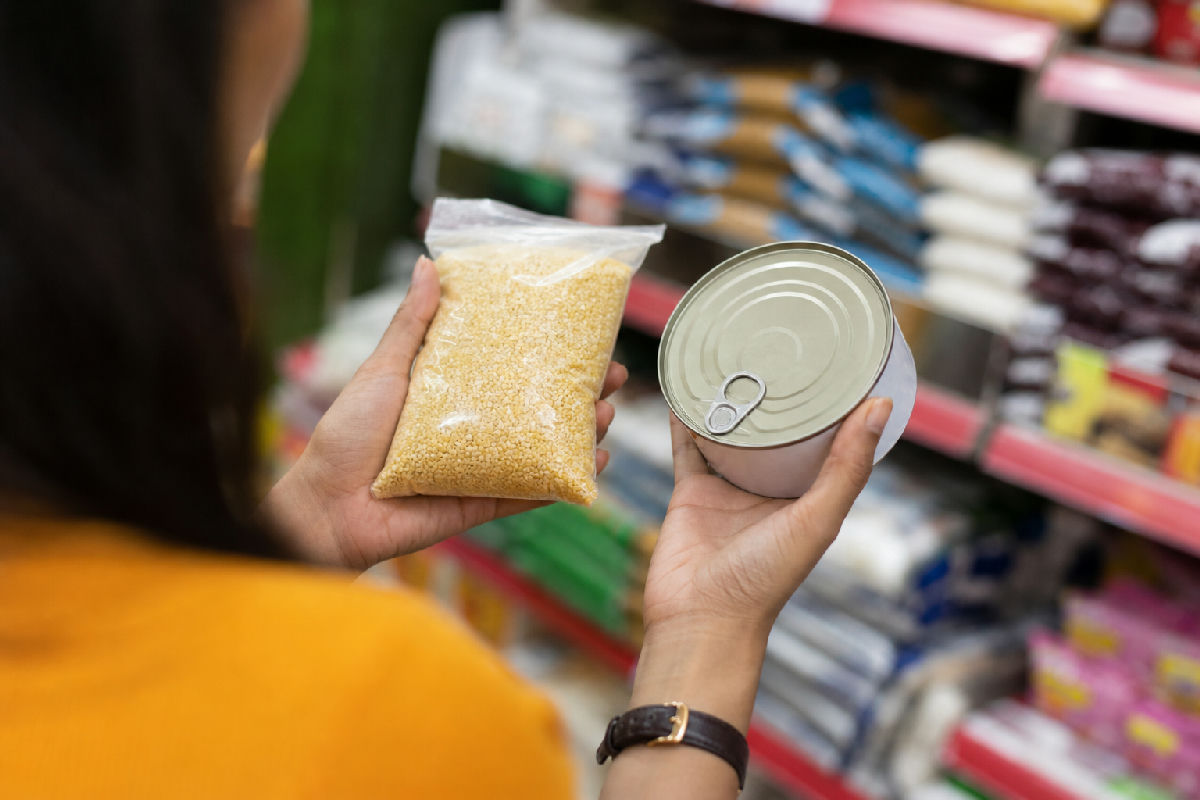
# FoodPharmer x Trustified expose teaser has India asking: which brands are next?
The newest viral post in India’s food-watching internet does not name the companies it is about. That is exactly why it has spread so fast. In a June 23 Instagram reel, FoodPharmer announced a collaboration with Trustified and called it the “biggest expose of India’s food industry,” drawing 247K likes and 2,555 comments within days and setting off a wave of search traffic for the same question consumers are asking everywhere: which brands will FoodPharmer expose? [1][3]
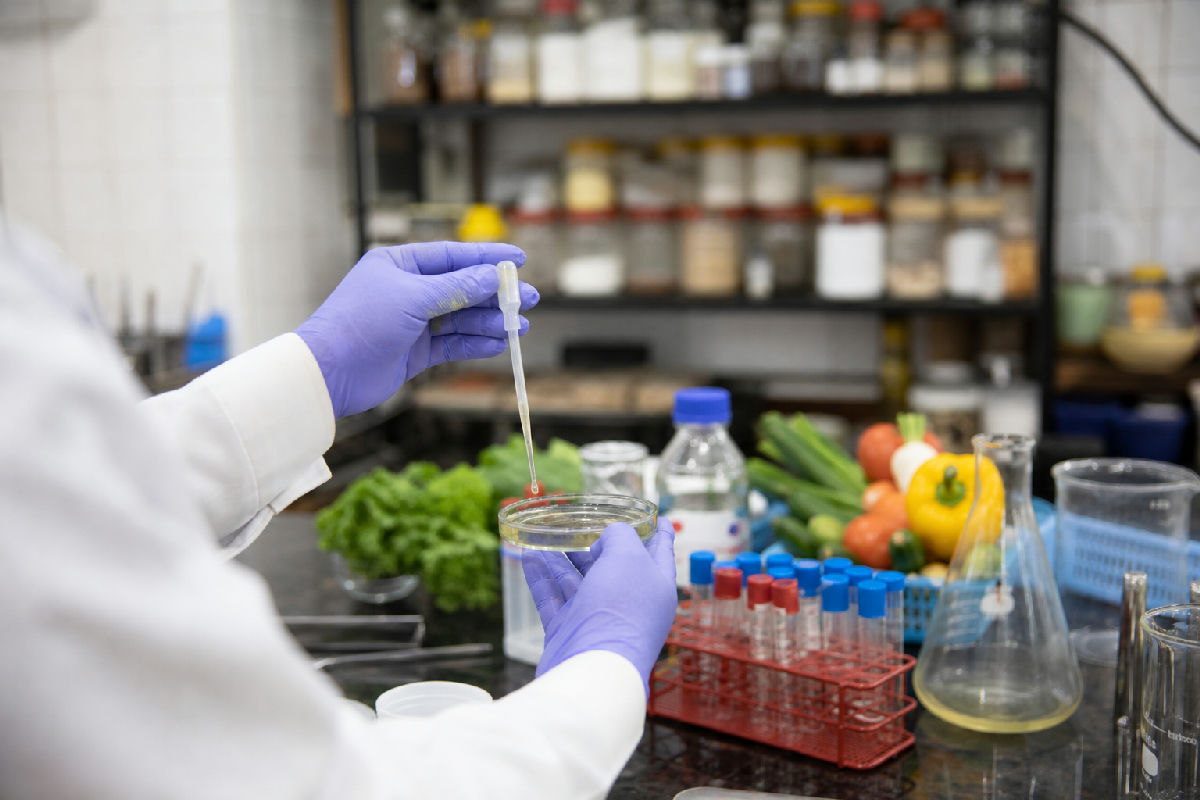
For consumers, the teaser is doing two things at once. It is building anticipation for a likely long-form breakdown of labels, claims, and certifications, and it is also pushing people to reassess the products already sitting in their kitchens, from protein powders and health drinks to ghee, honey, paneer, and packaged snacks. The problem is that, at this stage, the public has a teaser, not a final evidence pack. So the only responsible way to cover this story is to separate what is confirmed from what is speculation. [3][9][14]
food pharmer trustified expose: what is actually confirmed
What is confirmed is simple: FoodPharmer posted a reel on June 23, 2026, announcing that “Food Pharmer meets Trustified, FINALLY” and promising the “BIGGEST EXPOSE OF INDIA’S FOOD INDUSTRY IS COMING.” The post’s visible engagement, reported in the Instagram snippet, was roughly 247,000 likes and 2,555 comments. [3]
The broader rollout appears to have continued across Facebook and Instagram around June 25–27, with related posts describing the podcast as an exploration of “scams,” “court cases,” “threats,” and “solutions.” One Facebook post says the podcast covered ghee, honey and paneer scams, plus how brands get away with questionable claims. Another says the conversation covered whey vs plant vs yeast protein. [9][14]
The teaser does not provide a verified, final “brands list,” and that matters. At the moment, search phrases such as “biggest expose of india food industry brands list” and “which brands will foodpharmer expose” are being driven more by curiosity than by disclosed evidence. The story is therefore not yet about named takedowns; it is about a highly shareable promise of one. [1][3][9]
why the teaser went viral so fast
The appeal is easy to understand. Food labels are already a trust issue in India, and social media creators who explain ingredients, front-of-pack claims, and certification gaps often attract huge audiences because they translate technical regulation into consumer language. A teaser that suggests a forthcoming “biggest expose” invites three kinds of reaction at once: fear, curiosity, and community speculation. [3][9][12]
The comments and reposts described in the available snippets show that people are not just watching; they are actively guessing. Users are tagging friends, asking whether the target will be a protein brand, a health drink, a certification platform, or a broader category of packaged foods. That is why searches around “food pharmer trustified expose” and “foodpharmer trustified app review” have picked up together. [3][4][5]
There is also an existing audience for this kind of content. FoodPharmer has previously built posts around sugar in biscuits, the claims made by milk mixes, and front-of-pack comparisons. One June 26 reel compared Bourbon biscuits and KitKat on added sugar, while the caption referenced Australia’s front-of-pack star-rating model. That style of visual label-reading is exactly what makes an expose teaser feel credible to viewers, even before the final claims are fully public. [12]
what Trustified appears to be in this story
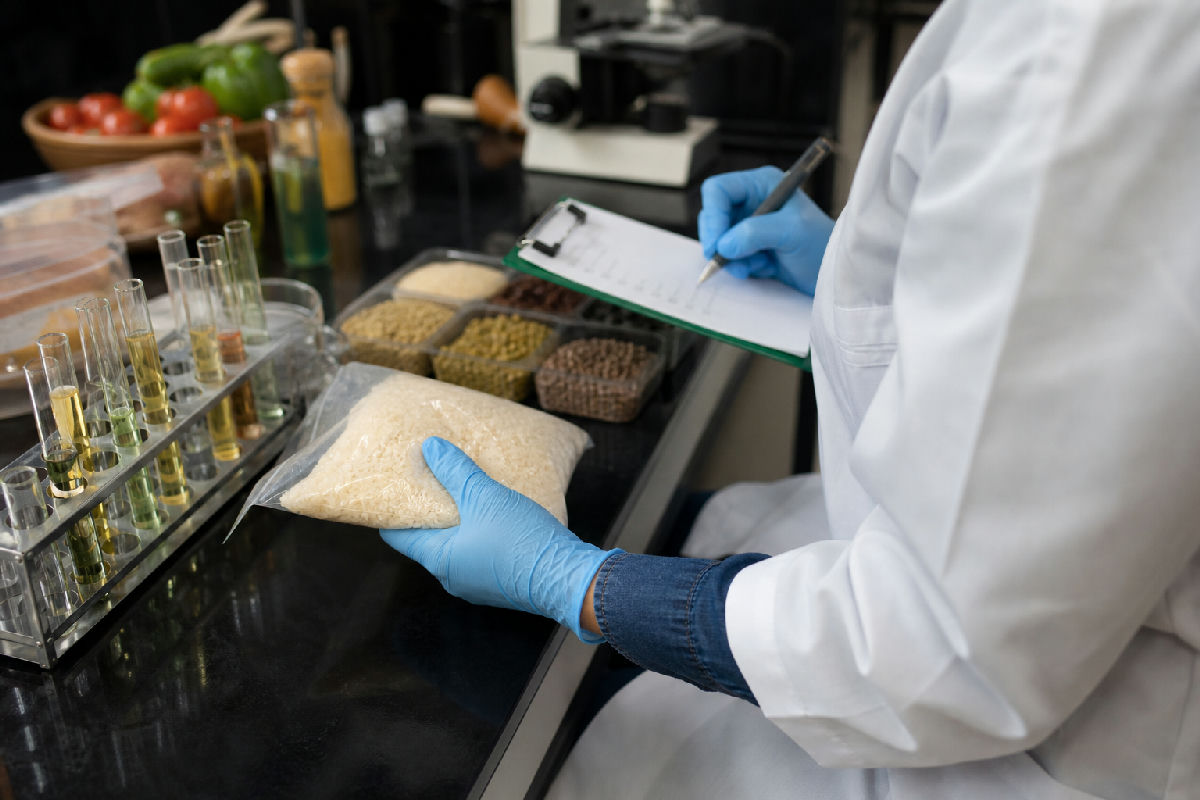
Based on the public posts visible in the search results, Trustified is positioned as a certification or verification-oriented partner in the collaboration. One post explicitly refers to “Trustified Certification” alongside FoodPharmer, Label Padhega India, and “Food Scam,” while the podcast announcement says the discussion is about food industry scams and solutions. [9][10][14]
That is enough to explain why consumers are asking “is Trustified food ratings genuine” and “foodpharmer trustified app review.” But the available evidence in this search does not confirm the nature of the certification scheme, whether it is independent, how criteria are set, or what audit process, if any, sits behind the branding. Those are the central questions that should be answered before consumers treat any such rating as authoritative. [9][10]
Until there is a published methodology, a list of reviewers, conflict-of-interest disclosures, and a transparent testing protocol, the safest consumer stance is to treat any “Trustified” label or rating as informational, not as proof of safety or superiority. That is standard editorial caution, not a verdict on the people involved. [9][10]
the regulatory backdrop: why Indian food claims are so easy to argue about
The viral interest in this teaser sits on top of a real regulatory problem: in India, many packaged-food claims are hard for consumers to verify quickly. Labels may be legal yet still misleading in spirit, especially when marketing language suggests health benefits, purity, or special nutrition without giving the full context on sugar, additives, serving size, or processing. [12][14]
Indian food regulation is primarily overseen by the Food Safety and Standards Authority of India (FSSAI) under the Food Safety and Standards Act. In practice, consumers often rely on ingredient lists and nutrition panels, but those panels can be difficult to interpret, and marketing claims often sit more prominently on the front of the pack than the qualifying details do. That gap is precisely why label-reading creators have gained traction. [12]
The scientific background is straightforward. Whether a product is “healthy” depends on what outcome is being measured: protein density, added sugar, sodium, fiber, micronutrient content, ingredient quality, and degree of processing all matter. A product can be legal, branded as premium, and still be nutritionally weak. A certification or expose can help only if it explains these trade-offs clearly and consistently. [12][14]
consumer impact: what this means for the average Indian shopper
For shoppers, the immediate effect of the viral teaser is not that a product has been proven unsafe. It is that suspicion is spreading faster than evidence. That can be useful if it motivates consumers to read labels more carefully, but it can also create confusion if people assume a future expose has already established guilt by association. [3][9]
There are three practical consequences already visible:
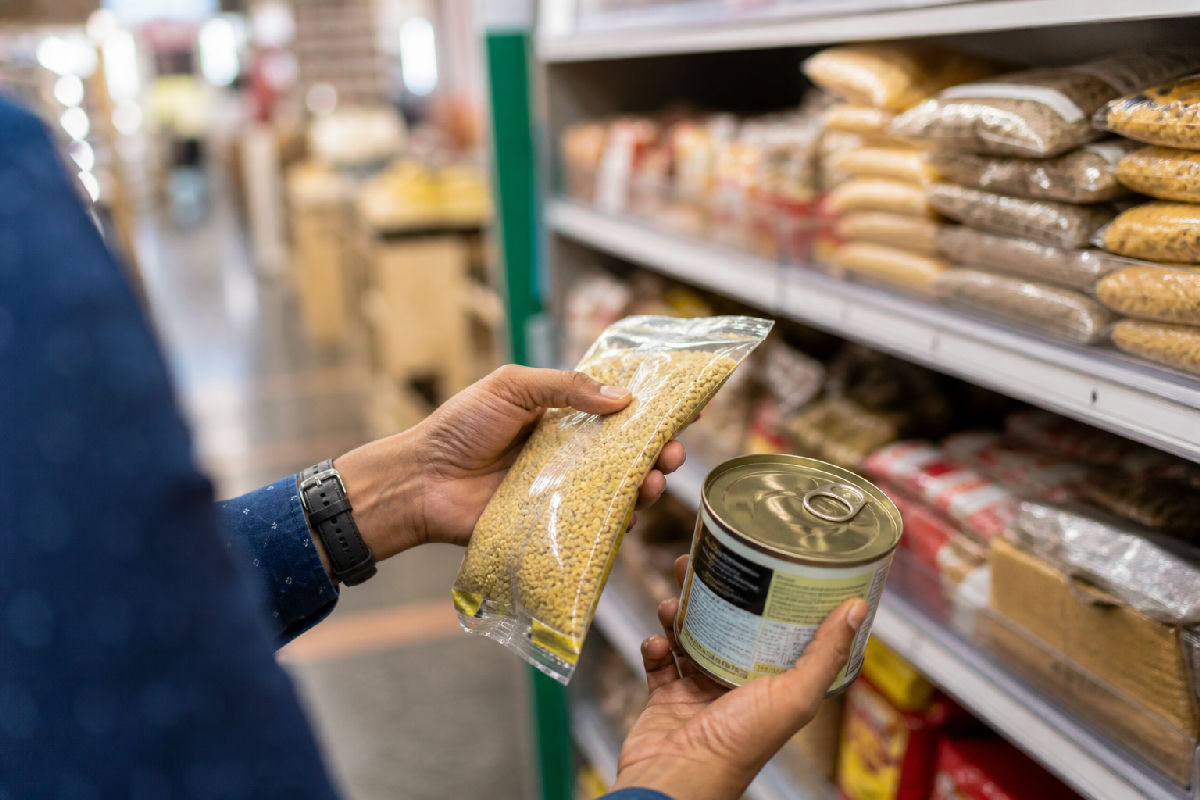
- Consumers are checking old favorites again, especially protein powders, health drinks, biscuits, honey, ghee, and paneer. [9][12][14]
- People are becoming more skeptical of certification badges and “healthy” language on packaging. [9][10]
- Brands named in online speculation may face short-term reputational pressure even before any evidence is published. [1][3]
That is why the best consumer response is not panic-buying or boycotting based on rumor. It is to wait for the completed evidence, then check each claim product by product. Donteat.in can do that part quickly once the full expose is public: ingredient breakdown, claim verification, certification status, and whether the label matches the science. [9][14]
what to do now while the expose is still a teaser
If you are trying to decide what to do with the products already in your pantry, use a simple checklist.
- Read the ingredient list, not just the front claim.
- Compare added sugar per serving and per 100 g, because serving sizes can hide the real number.
- Check whether the product is being sold as a health item, a protein item, or a functional food, and ask what the evidence is for that claim.
- Treat any certification or rating as a starting point, not a guarantee, unless the methodology is public.
- Do not assume a viral expose automatically means a product is illegal or unsafe. [12][14]
If a product’s marketing seems to promise strength, immunity, height, brain power, or “clean” purity, ask whether the pack actually supports that promise with transparent nutrition data and credible testing. That is the consumer lesson behind this viral moment, regardless of which brands are eventually named. [12][14]
what is still unknown and why that matters
The most important unanswered question is the one driving the searches: which brands will FoodPharmer expose? At present, the public posts available in search results mention categories and themes, but they do not provide a verified, complete list of targets. [9][14]
A second unknown is the scope of the collaboration. Is this a one-off podcast, a certification project, a recurring rating system, or a broader consumer campaign? The public snippets reference a podcast, a “movement,” and certification language, but they do not yet explain governance, standards, or independence. [9][10][14]
A third unknown is evidence quality. The internet is full of food outrage content, but not all of it survives scrutiny. The strongest future version of this story will be the one that links each allegation to documents, lab tests, regulatory standards, or direct label evidence. Until then, the teaser remains exactly that: a teaser. [9][10][14]
Frequently Asked Questions
What is the FoodPharmer x Trustified expose about?
The public teaser says FoodPharmer and Trustified are preparing a major expose of India’s food industry, but it does not yet publish a final evidence pack or complete brands list. The visible posts suggest the discussion will focus on food labels, claims, certifications, and categories like ghee, honey, paneer, and protein products. [3][9][14]
Which brands will FoodPharmer expose?
No verified public list of brands has been disclosed in the teaser posts available so far. Searches for a “brands list” are being driven by speculation, so consumers should wait for the full episode or documented claims before drawing conclusions. [1][3][9]
Is Trustified food ratings genuine?
The posts show Trustified being presented as part of a certification or verification effort, but the public snippets do not explain its methodology, independence, or testing standards. Until that information is published, consumers should treat any rating as informational rather than definitive proof. [9][10]
Should I stop buying products mentioned in the teaser?
Not on the basis of the teaser alone. The responsible approach is to wait for the full evidence, then check the ingredient list, nutrition panel, claims, and any independent testing product by product. [9][12][14]
Why is FoodPharmer Trustified app review trending?
Because people are trying to understand whether Trustified is a genuine certification system, an app, or a consumer-rating project tied to the viral collaboration. The current public posts do not yet provide enough detail to verify how the system works. [9][10]