FSSAI 3280 Tonnes Food Seized Before Diwali: What to Check
The regulator’s festive-season numbers are alarming, but the real consumer lesson is how to read labels, batches and enforcement claims.
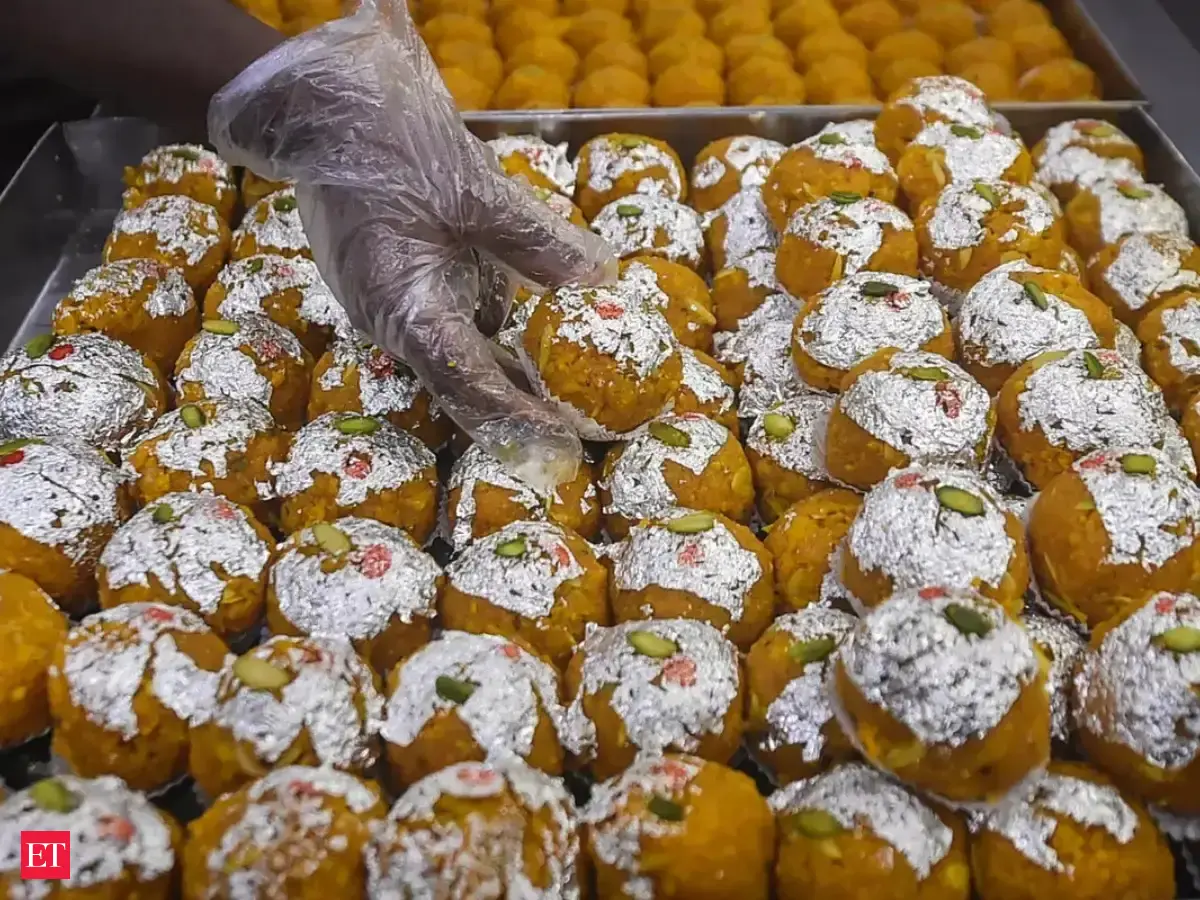
A festive-season inspection drive has put a striking number on India’s food-safety problem: 3,279.57 metric tonnes of banned and non-compliant food, valued at ₹81.80 crore, were seized between September 1 and November 5, 2026. The action covered 56,431 establishments and included paneer, ghee, milk, sweets and other festive foods.[1][2][3]
That is the headline behind searches for “FSSAI 3280 tonnes food seized”, “food seized before Diwali India” and “FSSAI non-compliant packaged food.” But the figure needs careful reading: it is an enforcement total, not a list of every unsafe product on supermarket shelves, and a seizure is not by itself a final finding against every brand or batch.
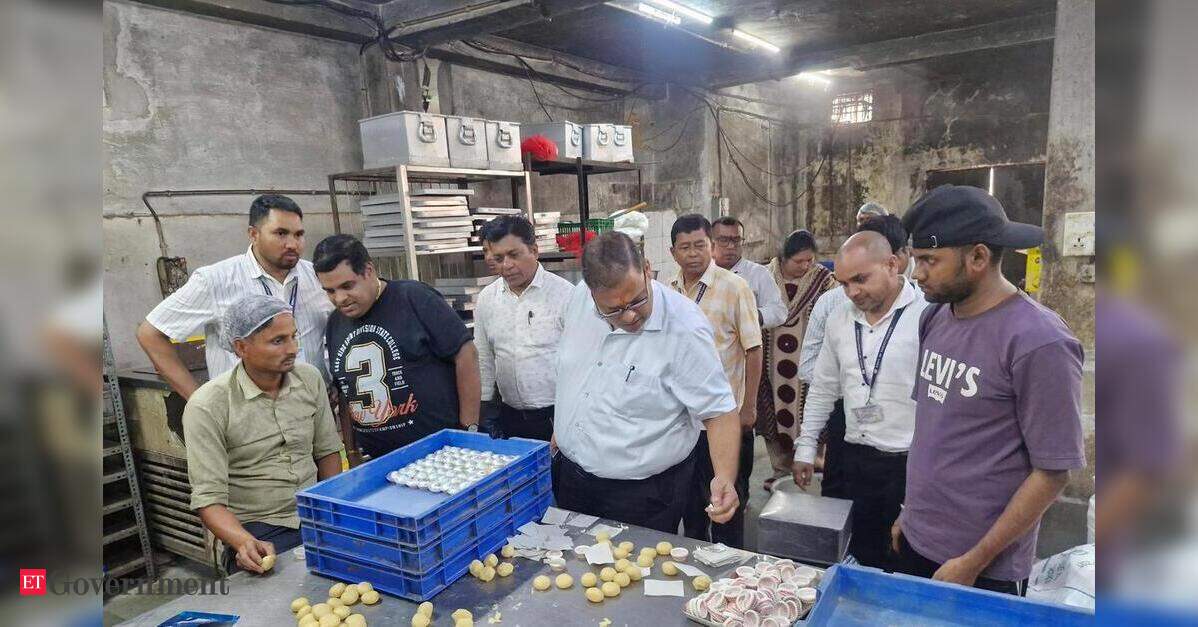
FSSAI 3280 tonnes food seized: what the 2026 drive found
The Food Safety and Standards Authority of India said its nationwide festive-season drive ran from September 1 to November 5, 2026. Reports based on the regulator’s announcement say officials inspected 56,431 food establishments across states and Union territories.[1][2][9]
The reported enforcement figures are:
- 3,279.57 tonnes seized: The products were described as banned and non-compliant, with an estimated value of ₹81.80 crore.[1][3]
- 23,648 samples analysed: Of the samples collected during the drive, 2,273 were reported non-compliant.[10]
- 10,047 improvement notices issued: These notices require businesses to correct identified deficiencies; they are not the same as licence cancellation.[10]
- 1,133 licences suspended: This is the figure behind the search term “FSSAI 1133 licences suspended.”[1][2]
- 52 licences cancelled: Cancellation is a more severe regulatory action than suspension and removes the licence until the business can lawfully reapply or otherwise comply.[2][5]
- 314 businesses sealed: Sealing prevents the establishment from continuing operations while action is taken.[2]
The seized categories reported in coverage included paneer, ghee, milk and sweets—foods that see sharp demand before Diwali and are vulnerable to adulteration, poor storage or mislabelling.[2][3]
The reporting does not provide a public, brand-by-brand list in the available material. That means consumers should not infer that every packet of ghee, every dairy product or every festive hamper is implicated.
What “non-compliant” means for packaged food
“Non-compliant” is a broad enforcement description. It can cover problems such as failing a prescribed quality or safety requirement, incorrect labelling, licensing violations, unauthorised ingredients, unsafe handling or products that do not match the legal standard for what they claim to be.
A seized consignment may be held while authorities investigate, sample, test or begin adjudication. Seizure is a preventive enforcement step; it is not automatically proof that every unit in the category is adulterated or dangerous.
For packaged food, the most useful question is not whether a product looks premium but whether its identity and traceability are clear. A legitimate label should allow a shopper to identify the manufacturer, the food, the quantity, the date and the route for complaints.
What this means for the average Indian shopper
The crackdown does not mean consumers should panic or stop buying packaged food. It does mean festive shopping deserves more scrutiny, particularly when products are sold loose, repacked or at unusually low prices.
- Check the FSSAI licence number: The number should appear on the package of a regulated food product. Treat a missing, obscured or suspicious-looking number as a reason to avoid the product and report it.
- Read the product name, not only the brand name: “Flavoured,” “analogue,” “blend,” “compound” or similar terms can indicate that the product is not the conventional food consumers assume they are buying.
- Inspect the ingredient list: Ingredients are generally listed in descending order by weight. Look for the declared fat source in ghee, the milk or milk-solid information in dairy products, and allergens where applicable.
- Verify dates and batch details: Check the manufacturing or packing date, expiry or “best before” information, batch number, net quantity and storage instructions. Do not buy packs with stickers covering original dates.
- Look for damaged packaging: Swelling, leakage, broken seals, rusted tins or a frozen product that has visibly thawed can signal storage or handling problems.
- Be cautious with festive hampers: A hamper should still identify each food or provide legally required details through the outer packaging. Do not assume a gift box is exempt from labelling rules.
- Keep proof of purchase: Save the bill, delivery record and photographs of the label. These details make a complaint more useful and help identify a particular batch.
The biggest risk is often not a national brand on a sealed shelf but an anonymous product with no traceable seller. Fresh sweets, loose paneer and loose ghee deserve the same practical questions: who made them, when, under what conditions and how can the seller be held accountable?
A five-minute festive food checklist
Use this sequence before buying packaged food, dairy or sweets:
- Start with the seal: Reject damaged, leaking, tampered or unusually dirty packs.
- Find the manufacturer: Confirm the name, address, customer-care contact and FSSAI licence details.
- Check the dates: Compare the best-before or expiry date with the likely time needed to consume the product.
- Read the category: Make sure “ghee,” “paneer,” “milk,” “sweet” or another familiar name is not being used loosely for a substitute or blend.
- Compare the price: A dramatic discount is not proof of adulteration, but it justifies checking batch details and seller identity more carefully.
- Store it correctly: Follow temperature and handling instructions after purchase; a compliant product can still become unsafe if badly stored.
- Report a concern: Photograph the pack, batch number and bill, then use the relevant food-safety grievance channel or state authority rather than relying only on a social-media post.
Consumers should also separate sensory clues from laboratory evidence. A strange smell, texture or colour is a valid reason not to eat a product, but appearance alone cannot establish the precise adulterant or prove that an entire brand is unsafe.
What the FSSAI food safety drive 2026 does—and does not—prove
The inspection numbers show that enforcement activity intensified before the festive season and that regulators found enough problems to issue thousands of notices and suspend or cancel licences.[1][2][10] They do not establish that 3,279.57 tonnes came from one product type, one company or one retail chain.
They also do not mean that all 56,431 establishments failed inspection. The reported sample results indicate that 2,273 analysed samples were non-compliant, while many other samples and establishments were not reported as failures in the coverage.[10]
For consumers, the useful conclusion is narrower and more actionable: traceability matters. Buy from identifiable sellers, inspect labels, preserve batch information and treat official recall or enforcement notices as more reliable than unsupported claims that circulate online.
Is the food seized before Diwali India crackdown proof that all packaged food is unsafe?
No. The seizure figure covers products classified by the regulator as banned or non-compliant during a specific enforcement drive. It does not mean every packaged-food product, brand or category sold in India is unsafe.[1][2]
What does FSSAI 1133 licences suspended mean?
FSSAI reported 1,133 licence suspensions during the September 1–November 5 drive. Suspension is regulatory action against specific food businesses and should not be interpreted as a suspension of every product made by an entire industry.[1][2]
How should I check FSSAI non-compliant packaged food at home?
Check the FSSAI licence details, manufacturer, ingredient list, batch number, dates, net quantity, seal and storage instructions. Keep the bill and label photographs if you need to report a suspected problem.
Were specific brands named in the ₹82 crore seizure?
The available reports identify product categories such as paneer, ghee, milk and sweets, but do not provide a complete brand-by-brand list. Consumers should not name or accuse a brand without an official notice identifying the product, batch or business.[2][3]
What should I do if a festive food product smells or looks abnormal?
Do not taste it. Keep the product, packaging and purchase proof, photograph the batch and label, and report the concern to the appropriate food-safety authority or seller.