FSSAI Notice Bikanervala, Param Dairy, Saffola and Kinder Joy Explained
The reported notices separate alleged spoilage complaints from disputed health and composition claims, with no final finding yet established.
A notice is not a conviction. That distinction matters as searches rise for FSSAI notice Bikanervala, Param Dairy fungal contamination, Saffola Heart Pro complaint and Kinder Joy milk solids claim. The reported action concerns regulatory questions, consumer complaints and requests for corrective measures—not final findings that every product is unsafe.
FSSAI notice Bikanervala: what the reported action says
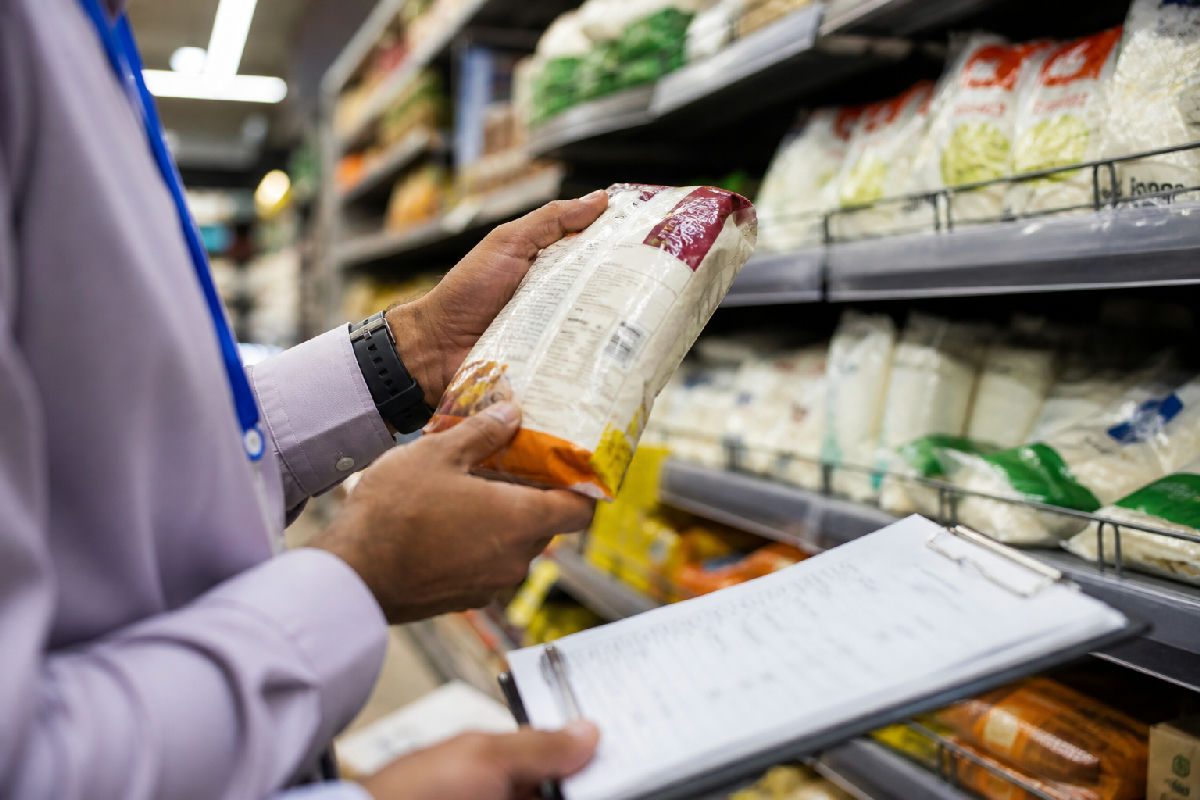
The Food Safety and Standards Authority of India reportedly issued notices to several food business operators over alleged violations of the Food Safety and Standards Act, 2006, including misleading names, product claims, labelling issues and consumer complaints.[1]
The Economic Times reported the notices on 19 June 2026, citing an FSSAI social-media post. The coverage said the regulator asked businesses to explain the issues and submit corrective-action details.[1][2]
Here is what the reported notices cover:
- Bikanervala: A customer complaint led to a notice concerning alleged hygiene issues in a food-service area or kitchen premises. The available report does not establish that all Bikanervala outlets are unhygienic, nor does it identify a confirmed outbreak.[1]
- Param Dairy: FSSAI sought information after complaints alleging fungal contamination in dahi and rabri supplied through IRCTC catering services. The company was asked to provide an action-taken report, including steps involving the responsible seller or supplier and measures to prevent recurrence.[1]
- Marico’s Saffola Total Heart Pro-Multi Source Cooking Oil: The regulator questioned the phrase “Heart Pro,” heart imagery, and front-of-pack claims including “Good Fats Balance” and “Losorb for less oil absorption.” FSSAI’s concern, as reported, was whether the presentation could imply that consuming the product itself delivers a specific heart-health benefit and whether the claims have adequate scientific support.[1]
- Ferrero’s Kinder Joy: FSSAI reportedly questioned the front-of-pack statement “Rich in Milk Solids,” calling the claim potentially misleading.[1]
The notices reportedly involved other food businesses as well. But the evidence currently available supports a regulatory watchlist, not a conclusion that every named brand breached the law.
Param Dairy fungal contamination, Saffola and Kinder Joy: what the evidence means
The allegations are not equivalent. A reported fungal-contamination complaint concerns a specific food-safety incident; the Saffola and Kinder Joy matters primarily concern how products are described and presented to consumers.
1. Param Dairy: complaint, not confirmed contamination

Fungus on curd or rabri can indicate spoilage, poor temperature control, damaged packaging, extended storage or another breakdown in handling. However, the published report does not provide a laboratory result, batch number, quantity affected or final adjudication confirming contamination.[1]
Consumers should therefore avoid two opposite errors: eating a visibly spoiled product, or treating one reported complaint as proof that every Param Dairy product is unsafe. If a dairy product smells abnormal, has mould, a swollen pack or a broken seal, do not taste it.
2. Saffola Heart Pro complaint: a claims question
The Saffola notice is about whether terms and imagery go beyond permitted nutrient-specific claims. “Heart Pro” may be understood by shoppers as a broad health promise, while “Good Fats Balance” and reduced-oil-absorption claims require substantiation under applicable rules.[1]
A front label is not a medical recommendation. Even when a cooking oil has a favourable fatty-acid profile, overall diet, quantity consumed and a person’s medical needs remain relevant.
3. Kinder Joy milk solids claim: read the declaration, not only the headline
The Kinder Joy milk solids claim was reportedly questioned because “Rich in Milk Solids” may create an impression that does not match what consumers reasonably expect from the product’s full composition.[1]
That does not, by itself, prove the product contains no milk solids or that it is unsafe. It means the regulator is examining whether the prominent wording accurately communicates the product’s character and composition.
What this means for Indian shoppers
- A notice is an investigation step: FSSAI can seek explanations, evidence and corrective actions before deciding whether further enforcement is warranted.[1]
- A complaint is still useful evidence: Consumer reports can trigger scrutiny, especially when they identify a product, seller, location, date and batch clearly.
- Packaging can influence health decisions: Words such as “heart,” “natural,” “rich in” and “less absorption” should be checked against the nutrition panel and ingredient list.
- Spoilage is often batch-specific: A complaint linked to food supplied through a particular catering channel should not automatically be generalised to every pack or outlet.
- The viral label is unproven: The reported coverage confirms regulatory notices, but the available evidence contains no verified view count, hashtag trend, Google Trends spike or engagement total establishing a current social-media viral wave.
Consumer checklist: what to do now
- Do not consume visibly spoiled food. Photograph the product, seal, packaging, mould or other defect without opening it further, if possible.
- Record the traceability details. Save the batch or lot number, manufacturing date, expiry or best-before date, pack size, invoice and seller details.
- Keep the packaging and receipt. Do not discard evidence before contacting the company, seller or food-safety authority.
- Use the label as a cross-check. Compare prominent claims with ingredients, nutrition information, allergen declarations and serving size.
- Treat health claims cautiously. “Heart-friendly” language cannot replace advice from a qualified doctor, particularly for people with diabetes, high cholesterol or cardiovascular disease.
- Report a suspected food-safety issue. Submit precise details through the relevant food-safety complaint channel and include photographs, location and purchase information.
- Check for a product-specific recall or final order. A notice alone does not show that a nationwide recall has been ordered.
For dairy, refrigeration and handling matter. Consumers should reject packs that are leaking, swollen, warm when they should be chilled, past their date or visibly altered—even if the brand is not among those named in the reports.
What happens next
The companies may respond with records, test reports, explanations of label substantiation, supplier details and corrective-action plans. FSSAI may then close the matter, seek changes, impose action under applicable law or pursue additional inspection and testing; the available coverage does not report a final determination for these cases.[1]
The most defensible takeaway is narrow but important: food regulators are examining consumer complaints, hygiene allegations and packaging claims across several familiar brands. Until final findings appear, shoppers should separate allegation, notice, laboratory confirmation, recall and adjudicated violation—five different stages that are often collapsed into one viral headline.
Frequently Asked Questions
What is the FSSAI notice to Bikanervala about?
The reported notice followed a consumer complaint alleging hygiene concerns in a Bikanervala food-service area or kitchen premises. The available report does not establish that all Bikanervala outlets were found unhygienic or that a confirmed outbreak occurred.[1]
Is Param Dairy dahi or rabri confirmed to have fungal contamination?
The report describes consumer complaints alleging fungus in Param Dairy dahi and rabri supplied through IRCTC catering. It does not publish a final laboratory confirmation, batch-wide finding or recall, so the allegation should not be treated as a concluded violation.[1]
What is the Saffola Heart Pro complaint?
FSSAI reportedly questioned the use of “Heart Pro,” heart imagery, “Good Fats Balance” and a claim about reduced oil absorption on Saffola Total Heart Pro-Multi Source Cooking Oil. The issue is whether these claims could imply broad heart-health benefits and whether they are scientifically substantiated.[1]
What did FSSAI say about the Kinder Joy milk solids claim?
FSSAI reportedly questioned Kinder Joy’s front-of-pack wording “Rich in Milk Solids” as potentially misleading. That notice does not, on its own, prove that Kinder Joy is unsafe or contains no milk solids.[1]
Should consumers stop buying these brands?
The available evidence does not justify a blanket boycott or claim that all products from the named brands are unsafe. Consumers should check product condition, dates, seals, batch details and final regulatory updates while avoiding any pack that appears spoiled or damaged.