Ghaziabad Fake Black Pepper Raid: How to Spot Adulterated Pepper
A reported Loni factory used maida, gum and oil to alter pepper’s appearance; here is what shoppers can verify—and what home tests cannot prove.
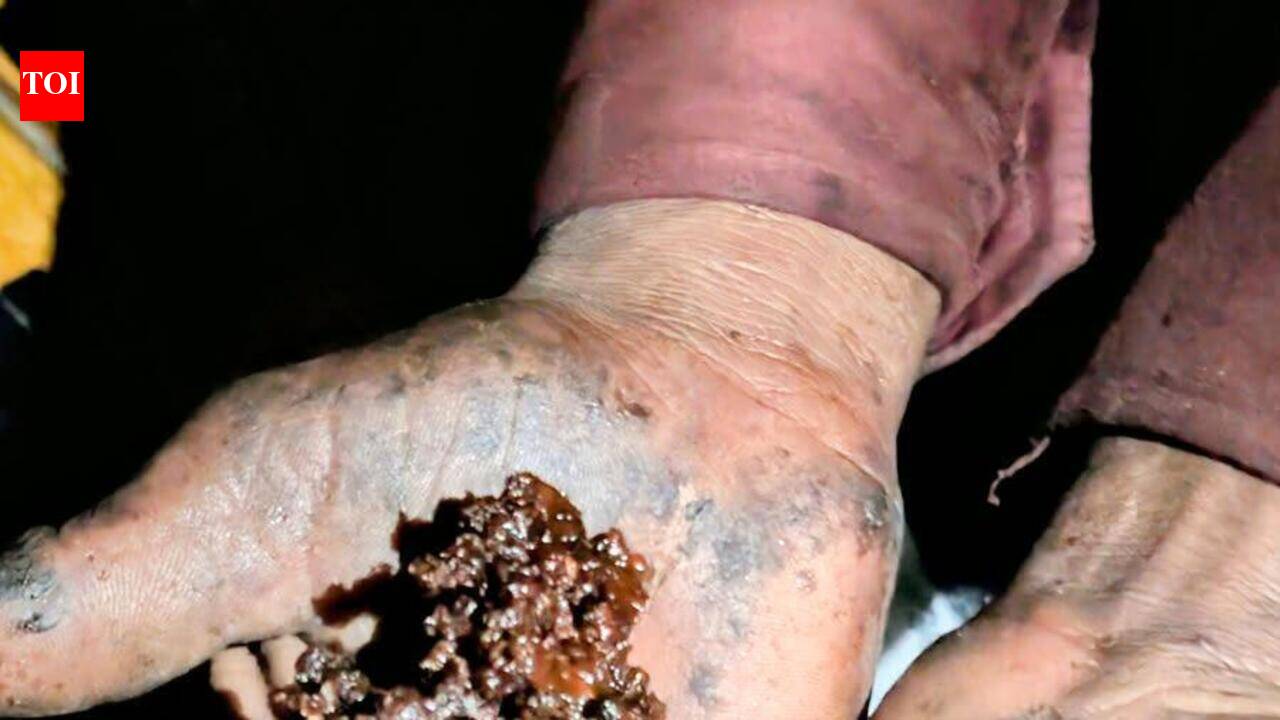
A farmhouse in Ghaziabad’s Loni area became the centre of a food-adulteration investigation after officials reportedly found 975 kg of processed black pepper, along with 3,000 kg of maida, 900 kg of gum and 37 tins of soybean oil. The seizure is now circulating widely after food creator Nalini Unagar posted about it on X, raising a question many Indian households are asking: how can consumers identify adulterated black pepper?
Ghaziabad fake black pepper: what the raid actually found
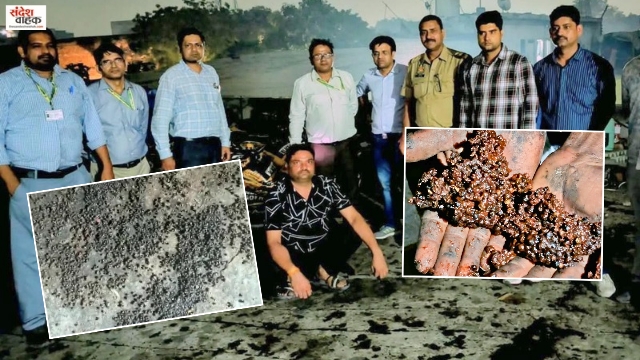
The reported raid took place at Kehar Farm House in Sevadham, Behta Hajipur, under the Loni Border police-station area. A joint team of the police and Uttar Pradesh’s Food Safety and Drug Administration department conducted the operation in September 2026, according to local reporting.[1][2]
The seized material reportedly included:
- 3,000 kg of maida: allegedly used as part of a coating mixture.
- 900 kg of gum: reportedly mixed with maida to help the coating adhere.
- 1,200 kg of small black peppercorns: described as low-grade raw material.
- 975 kg of processed pepper: larger, shiny grains allegedly produced after processing.
- 555 kg of soybean oil: found in 37 tins of 15 kg each and reportedly used to add gloss.
Officials estimated the seized material’s value at approximately ₹13.34 lakh. Five samples were reportedly collected and sent for laboratory testing, meaning the final legal and food-safety conclusions depend on those reports.[1]
The alleged method explains why the story matters beyond one raid. According to officials quoted in the reports, smaller peppercorns were dipped in a paste containing maida and gum, then coated with refined soybean oil so they appeared larger, heavier and shinier.[1][2]
Nalini Unagar’s October 6 X post repeated the seizure figures and criticised enforcement that begins only after adulterated products may have entered the market.[3] The post is a useful lead, but the underlying claims should be distinguished from confirmed laboratory findings: the available reports describe a seizure and sampling, not a published test report proving what reached consumers.
How fake black pepper is made from maida—and what remains unproven
The phrase “fake black pepper made from maida” is slightly misleading. The reported operation does not appear to have manufactured every grain from flour alone; it allegedly used low-grade or small peppercorns and added a surface coating to change their appearance and weight.[1]
That distinction matters for consumers. A peppercorn that looks unusually large or glossy may be adulterated, but appearance alone cannot establish whether it contains maida, gum, excess oil, dye or another material.
The reported process allegedly worked in four stages:

- Small peppercorns were sourced as the underlying material.
- A maida-and-gum paste was applied to fill the natural grooves and increase apparent size.
- The grains were dried or processed to create a more uniform surface.
- Soybean oil was applied to make the finished pepper look shiny.
Black pepper naturally has a wrinkled, uneven surface. Excessively smooth, oversized or oily-looking grains deserve scrutiny, but these are warning signs—not proof of contamination.[1]
Other adulteration claims circulating online, including the use of papaya seeds, must not automatically be treated as part of this specific Ghaziabad case. One report mentioned papaya seeds as a broader black-pepper adulteration practice, while the raid reports focused on maida, gum, pepper and oil.[4]
Black pepper adulteration in India: what it means for shoppers
The largest risk is economic fraud. A coating can make inferior pepper look like a higher-grade product, allowing a seller to charge more for less genuine spice.
Food safety cannot be judged from a viral photograph. The presence of maida, gum or oil may be relevant to people with allergies, dietary restrictions or specific medical concerns, but the health risk depends on the actual ingredients, quantities, hygiene and contamination status.
Loose pepper is harder to trace. Unpackaged spice may lack a manufacturer name, batch number, ingredient declaration, best-before date and complaint pathway. Packaged products are not automatically pure, but they provide more information for accountability.
The seizure does not implicate every pepper brand. No brand-wide recall or public laboratory result was identified in the reports reviewed. Consumers should avoid turning one alleged processing unit into an unsupported claim about an entire category or company.
The incident highlights a supply-chain problem. The key unanswered questions are where the processed pepper was intended to go, whether it entered retail channels and which intermediaries handled it. Those questions require traceability records and laboratory evidence, not social-media speculation.
How to identify adulterated black pepper at home

Home checks can identify suspicious samples, but they cannot replace an accredited laboratory test. Treat a failed visual or water check as a reason to stop using the product and report it—not as conclusive proof of a particular adulterant.
- Inspect the surface. Genuine black pepper is generally wrinkled and irregular. Be cautious if grains are unnaturally smooth, uniformly oversized, sticky or intensely glossy.
- Check the aroma. Fresh pepper should have a sharp, characteristic peppery smell. A floury, oily, chemical or stale odour is a red flag, although smell cannot identify the contaminant.
- Rub a few grains. Excessive oiliness, a coating that visibly powders off or a paste-like residue suggests the sample should not be consumed. Do not taste a suspicious sample.
- Try a water observation test carefully. Place a few whole peppercorns in a transparent glass of water and observe them without treating floating or sinking as a definitive purity test. Density varies naturally, and this method cannot reliably prove the presence or absence of maida or gum.
- Crush one grain. Genuine pepper should show a hard, aromatic interior. An unusual pale, starchy or coated appearance is a warning sign, but visual inspection still cannot substitute for chemical analysis.
- Preserve evidence. Keep the packet, batch number, bill, photographs and an unopened portion of the product. Do not wash or mix the sample before reporting it.
- Report suspected adulteration. Consumers can use the FSSAI Food Safety Connect portal or app, or the helpline 1800-112-100, with the product and seller details.[5]
What to check before buying black pepper
- Buy sealed packs: Prefer products carrying the manufacturer’s name and address, FSSAI licence details, net quantity, batch or lot number, dates and maximum retail price.
- Read the ingredient panel: For whole black pepper, the ingredient list should not contain unexplained flour, gum, oil or colouring agents.
- Reject damaged packs: Avoid packets with leaks, dampness, clumping, oily patches or broken seals.
- Compare appearance: Do not choose a product solely because its grains are unusually large, dark or shiny.
- Retain the receipt: It is essential if a complaint, refund or laboratory investigation follows.
- Be cautious with suspiciously cheap pepper: A large price gap may reflect inferior raw material or adulteration, though price alone proves nothing.
The Ghaziabad case also shows why enforcement announcements should be followed by transparent testing. Authorities reportedly sent five samples for fast-track analysis; publishing the results would help consumers distinguish an alleged manufacturing method from a scientifically established food-safety finding.[1]
Frequently Asked Questions
Is black pepper made from maida in the Ghaziabad raid?
Reports say officials found a unit allegedly coating small peppercorns with a mixture containing maida and gum, then using soybean oil to make them appear larger and shinier. The reported laboratory results were not available in the sources reviewed, so the precise composition and safety status remain subject to testing.
What was seized in the Ghaziabad fake black pepper raid?
Reported seizures included 3,000 kg of maida, 900 kg of gum, 1,200 kg of small peppercorns, 975 kg of processed pepper and 37 15-kg tins of soybean oil. Officials estimated the material’s value at about ₹13.34 lakh.
How can I identify adulterated black pepper?
Look for unusually smooth, oversized, sticky or excessively shiny grains, and check for abnormal odour or residue. These signs are only screening clues; laboratory testing is needed to confirm adulteration.
Is the water test for black pepper reliable?
No home water test can reliably prove that pepper is pure or identify maida, gum or oil. Floating or sinking may reflect natural differences in density, so suspicious products should be preserved and reported rather than judged by one kitchen test.
Should consumers stop buying packaged black pepper?
There is no evidence in the cited reports of a category-wide recall or a confirmed problem with every packaged brand. Buy sealed, traceable products, inspect the pack and retain the batch details rather than treating one raid as proof that all black pepper is unsafe.