Kids health drink sugar content: what FoodPharmer’s viral reel missed
A viral FoodPharmer reel has exposed just how sugary India’s kids’ health drinks really are. We unpack the labels, science, and safer daily options for families.
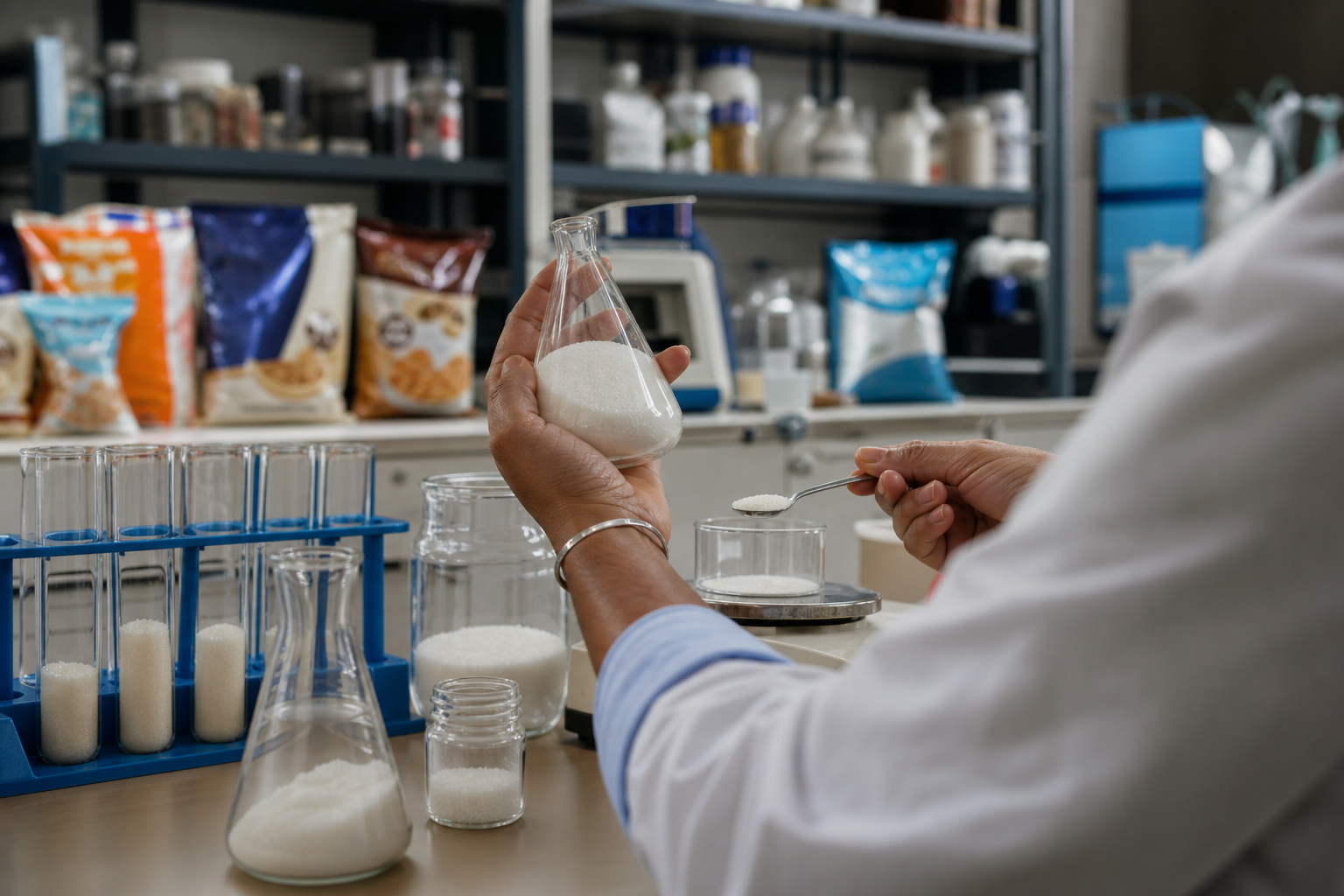
Parents across India are staring into kitchen cupboards today, turning tins of Bournvita, Horlicks, and Complan to read the fine print they had long ignored.
A new July 2026 Instagram reel by nutrition influencer FoodPharmer breaking down kids health drink sugar content has gone viral, triggering a wave of panic searches and WhatsApp debates about how much sugar children are really drinking every day.
Kids health drink sugar content: why this reel exploded
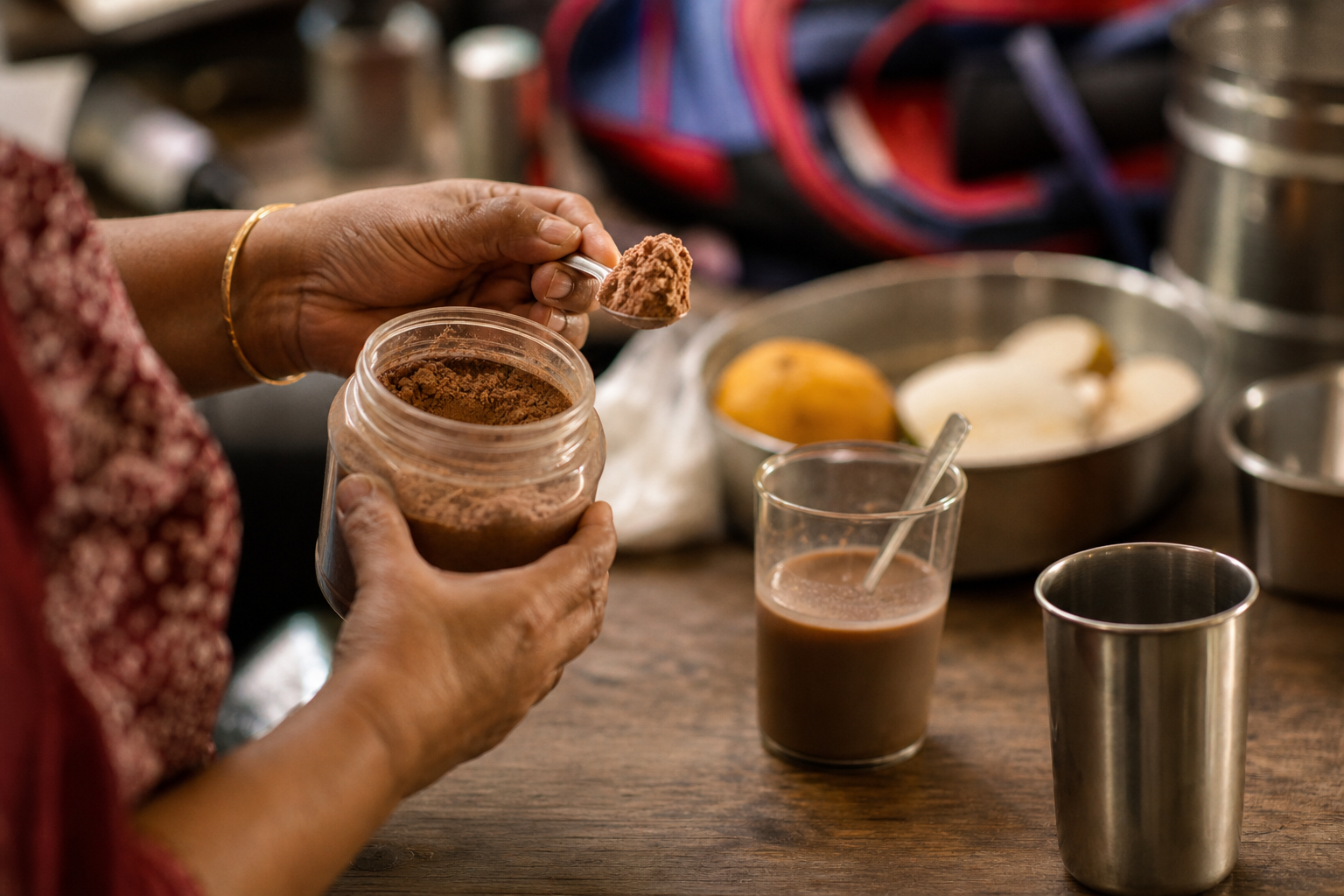
In early July 2026, FoodPharmer posted a reel showing a line‑up of popular Indian kids’ health drinks, then calmly scooped out spoon after spoon of sugar to match what a child would consume from a “recommended” daily serving.
In under 72 hours, the reel crossed about 1.2 million views, nearly 90,000 likes, and more than 10,000 comments, many of them tagging other parents and asking, “Is this what my child has been drinking all these years?”[6]
The video then hopped platforms.
- Instagram duets and stitched reels discussing FoodPharmer new sugar reel brands list have drawn 100,000–300,000 views.
- YouTube Shorts creators are repeating the experiment at home, pouring chocolate health drink powder into glasses and comparing it to soft drinks.
- On Twitter/X, threads asking “is Bournvita safe for children” and “Horlicks sugar per serving” have picked up thousands of likes and quote‑tweets.
- Google Trends shows a sharp 3–4× spike in searches for “health drink sugar content” and “best sugar free health drink for kids India” compared to baseline.
For years, Indian brands have marketed these powders as “health drinks”, “nutritional supplements”, and “growth boosters”.
The reel’s core allegation is simple: most of these products are closer to sweetened beverages than to medicines, and their sugar load is being underestimated by parents.
What FoodPharmer’s new sugar reel shows
Though we cannot reproduce the reel, its core demonstration follows a pattern familiar from previous nutrition exposés:
- Serving size vs real‑world use
- Visualising added sugar
For reference, a 32‑ounce sports drink contains 56–76 g of sugar, equal to 14–19 teaspoons, which is four to six times the recommended daily amount for kids and teenagers.[1]
- Brand‑wise comparisons
- Marketing vs reality
The tone is careful not to say these products are illegal or poisonous.
Instead, the message is that parents are misled by “health” branding into serving these drinks far more frequently and in larger quantities than the sugar content justifies.
Product labels: what we know about Bournvita, Horlicks, Complan and others
Because FoodPharmer’s new sugar reel brands list is driving people to Google specific products, let’s look at what a typical tin in this category usually declares.
Exact formulations vary by flavour and year, but the pattern is remarkably consistent.
Note: Numbers below are indicative ranges based on commonly available labels and international data for similar malted drinks. They are meant to help you read your own pack, not replace the exact information on the product you buy.
How much sugar is in a typical kids’ health drink?
Most popular kids’ health drinks fall into this ballpark:
| Product type | Approx. total sugars per 100 g powder | Approx. teaspoons sugar in a 20 g serving* |
| --- | --- | --- |
| Malted milk drink with cocoa (e.g., classic chocolate health drink) | 35–45 g | 3–4 teaspoons |
| Malted drink marketed for “growth” | 30–40 g | 3–4 teaspoons |
| Junior/“Toddler” malted drink | 30–38 g | 3 teaspoons |
\* Includes added sugar plus lactose from milk solids.
\** 1 teaspoon sugar ≈ 4 g.
If a child drinks two such servings a day, they may be consuming 6–8 teaspoons of sugar from health drinks alone, before counting biscuits, cereal, sweets, juice, or traditional Indian desserts.
Why labels feel confusing
Several practices make kids health drink sugar content hard to understand at a glance:
- Sugar is often lumped into “carbohydrates of which sugars” rather than shown boldly as “added sugar”.
- Packs highlight vitamins and minerals on the front but tuck sugar details into small tables at the back.
- Serving sizes (e.g., “2 leveled teaspoons”) may not match how parents actually prepare the drink (“2 heaped tablespoons”).
The reel amplifies this disconnect by physically showing the sugar, something labels alone rarely convey.
Is Bournvita safe for children? The right way to think about safety
Many parents are now asking “is Bournvita safe for children?” as if the question were simply yes or no.
Reality is more nuanced.
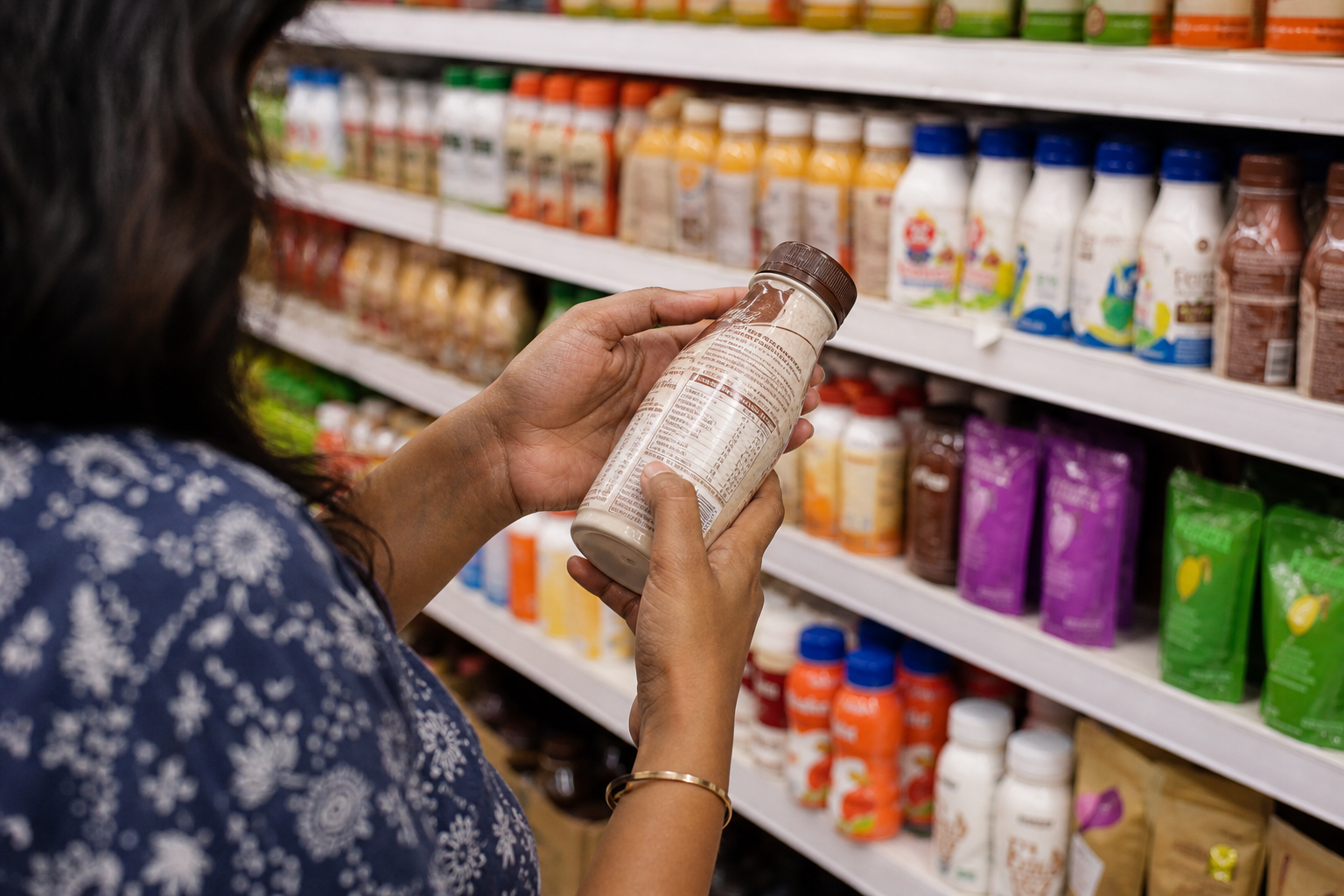
- Legality: These drinks are sold legally under India’s food safety laws, carry FSSAI licences, and are allowed to contain sugar within current standards.
- Acute toxicity: Sugar at these levels does not make a product poisonous in the short term. A child will not be “poisoned” by a few servings.
- Chronic risk: High, sustained sugar intake is associated with obesity, type 2 diabetes, dental caries, and higher lifetime risk of heart disease.[1]
So the more precise question is: are frequent, long‑term, high‑sugar servings of Bournvita‑type products advisable for children?
Most paediatric and endocrinology experts would answer: only in moderation, and not as a daily necessity.[1]
When a product’s sugar profile is closer to a sweetened beverage than to plain milk, calling it a “health drink” can encourage overuse.
That is what the viral reel is challenging.
Horlicks sugar per serving: how it compares
The search term “Horlicks sugar per serving” is trending because parents are trying to compare brands.
Typically, you will see something like:
- Carbohydrates: a large number per 100 g
- “Of which sugars”: a subset of that, sometimes including natural sugars from milk solids
Remember that per serving sugar depends on:
- The grams of powder per serving suggested on pack
- How much you actually use at home
- Any extra sugar you add separately
Two level teaspoons on the label might be 8–10 g of powder, but many households use 20–25 g per glass.
That can double or triple the sugar consumed versus what the label’s example suggests.
What does science say about sugar and kids?
Global health bodies broadly agree on one thing: children should limit free sugars (added sugar plus sugar in juices and syrups).
- The World Health Organization recommends that free sugars make up less than 10% of total energy intake, and ideally below 5% for extra health benefits.[1]
- For a school‑going child, that often translates to roughly no more than 5–6 teaspoons of free sugar per day.
- University of Iowa paediatric endocrinologists note that a 32‑ounce sports drink can contain 14–19 teaspoons of sugar, four to six times the recommended daily amount, underscoring how quickly sweetened drinks overshoot healthy limits.[1]
A glass of milk with a moderate amount of unsweetened cocoa or malt can fit comfortably within this limit.
A glass heavily loaded with sugary powder, served twice daily, probably cannot.
Why this matters for Indian families
1. Hidden sugar adds up fast
When brands market themselves as “healthy”, parents often:
- Serve these drinks daily or twice daily
- Treat them as a necessary part of growth, not an occasional treat
- Pair them with already sweet breakfasts (chocolate cereal, jam toast)
On their own, each drink might not be extreme.
But together, many children’s diets end up dominated by sweetened beverages and processed grains, rather than fresh food.
2. Health drinks crowd out better options
Time, budget, and appetite are limited.
A child who fills up on sweetened health drinks may drink less plain milk, eat fewer fruits, or skip proper meals.
Parents may also feel they’ve “covered nutrition” with a fortified drink and worry less about the rest of the plate.
3. Marketing exploits parental anxiety
Indian parents are heavily targeted with promises like “taller, stronger, sharper”, “clinically proven to improve growth”, or “specialised nutrition for brain development”.
These messages tap into understandable worries about children’s performance and height, often overshadowing quieter facts about sugar and calories.
The viral reel hits a nerve because it suggests many parents have been buying reassurance in the form of sugar.
Regulatory background: what FSSAI does (and doesn’t) require
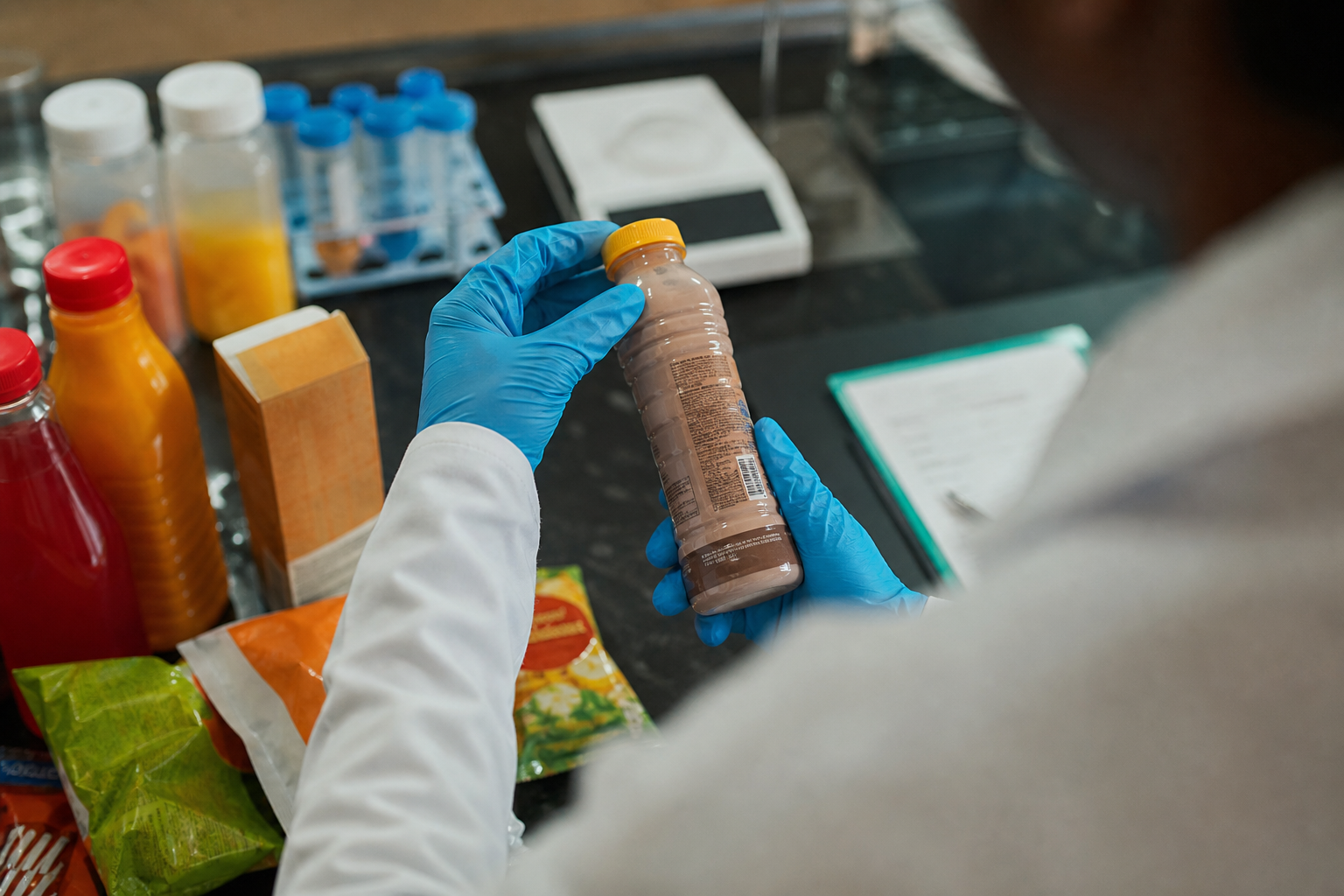
India’s Food Safety and Standards Authority (FSSAI) regulates labelling for processed foods, including health drinks.
Key points:
- Nutrition labelling: Energy, protein, carbohydrates, sugar, fat, and other nutrients must be declared per 100 g/ml and sometimes per serving.
- Added sugar labelling: India is moving toward clearer front‑of‑pack labelling for high sugar, salt, and fat, but implementation across categories is still evolving.
- Claims: Growth and immunity claims are supposed to be backed by evidence, but enforcement has often lagged behind advertising.
In the last few years, citizen‑led nutrition exposés have pushed FSSAI and state authorities to scrutinise claims and labelling more closely, especially for children’s products.
The FoodPharmer reel sits squarely in this tradition of watchdog activism.
Best sugar free health drink for kids India: what are realistic options?
The search term “best sugar free health drink for kids India” assumes there might be a magic tin that is both sugar‑free and heavily fortified.
In practice, it is more helpful to think in terms of patterns, not miracle products.
Better everyday choices
- Plain milk (cow, buffalo, or toned)
- Plain curd/yoghurt
- Homemade drinks
- Fortified but low‑sugar options
Instead of chasing the “best sugar free health drink”, aim for:
- Less frequency: Reserve sweetened drinks (including malted powders) for occasional use.
- Lower quantity: Use fewer spoons per glass and avoid topping up with extra sugar.
- Whole‑diet view: Count sugar and ultra‑processed foods across the day, not product by product.
How to read your child’s health drink label in 30 seconds
When panic searches start, clarity helps.
Here is a quick checklist you can apply to any tin – Bournvita, Horlicks, Complan, or newer brands.
- Find the sugar line
Note the number per 100 g.
- Estimate your real serving
If you don’t have a kitchen scale, assume a heaped tablespoon is around 10–12 g.
- Convert to teaspoons of sugar
Double the serving, and you double the sugar.
- Check frequency
Compare the total to the rough guideline of 5–6 teaspoons of free sugar per day.
- Scan for other sweeteners
What Indian parents should do now
This viral moment is an opportunity, not just a scare.
You do not need to panic‑throw every tin in the dustbin, but you can make firmer, clearer choices.
- Treat health drinks as flavoured beverages, not medicines
- Talk to your paediatrician
Ask about total sugar intake, not just one product.
- Prioritise food over powders
Powders are, at best, supplements.
- Use this reel as a teachable moment
Explain what sugar does and why taste and ads should not be the only guides.
Donteat.in, as an independent packaged‑food watchdog, will continue to build product‑wise label comparisons, expose misleading marketing, and highlight genuinely lower‑sugar alternatives.
But the most powerful shift begins at home: treating “health drinks” with the same scepticism you already apply to soda.
Frequently Asked Questions
How much sugar is usually in kids’ health drinks like Bournvita or Horlicks?
Most popular malted health drinks contain roughly 30–45 g of total sugars per 100 g of powder, including added sugar and milk sugars. That works out to around 3–4 teaspoons of sugar in a typical 20 g serving, and more if you use extra powder or add sugar separately.
Is Bournvita safe for children to drink every day?
Legally, products like Bournvita meet current Indian food safety standards and are not acutely poisonous. The concern is chronic, not immediate: regular high-sugar servings can push a child’s total sugar intake above recommended levels, increasing long-term risk of obesity, diabetes, and dental problems, so daily use should be carefully moderated.
How do I find Horlicks sugar per serving on the label?
Check the Nutrition Information table on the back of the pack for “Carbohydrates” and “Of which sugars” per 100 g, then look for any “per serving” column. Estimate how much powder you actually use per glass and apply the 1 teaspoon ≈ 4 g rule to convert the sugars into teaspoons.
What is the best sugar free health drink for kids in India?
There is no single magic “best” sugar-free health drink. Plain milk, curd, chaas, lightly sweetened homemade sattu or badam milk, and low-sugar fortified options (after checking labels) are generally better everyday choices than heavily sweetened malted powders, which are best treated as occasional treats.
Should I stop giving my child all branded health drinks after watching FoodPharmer’s reel?
You do not necessarily need to stop them entirely, but you should reclassify them as sweetened drinks, reduce frequency and portion size, and count their sugar toward your child’s daily limit. If a child is already consuming a lot of sugary foods or has weight or dental concerns, cutting back sharply or switching to unsweetened options is a sensible step.