Korba Viral Food Video: What Officials Verified at New Delhi Sweets
The footage documents a serious hygiene lapse, but officials have not publicly reported contamination tests or linked illness to the Korba sweets outlet.
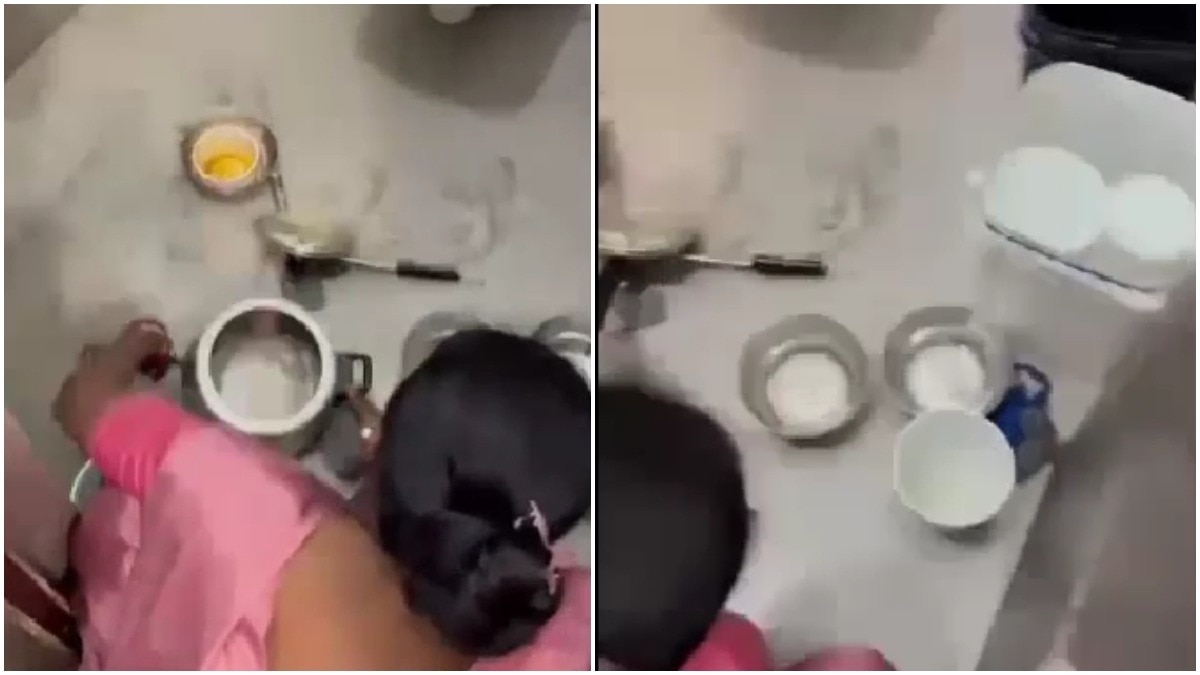
The Korba viral food video shows a staff member at New Delhi Sweets in the Niharika area washing a pressure cooker and other utensils on a bathroom floor. The footage, recorded by a customer and circulated on social media, led Chhattisgarh food-safety officials to inspect the outlet and issue an improvement notice.
The official response matters because it separates two questions often collapsed online: the video documents where utensils were being washed; it does not, by itself, prove that contaminated food was served or that customers fell ill.
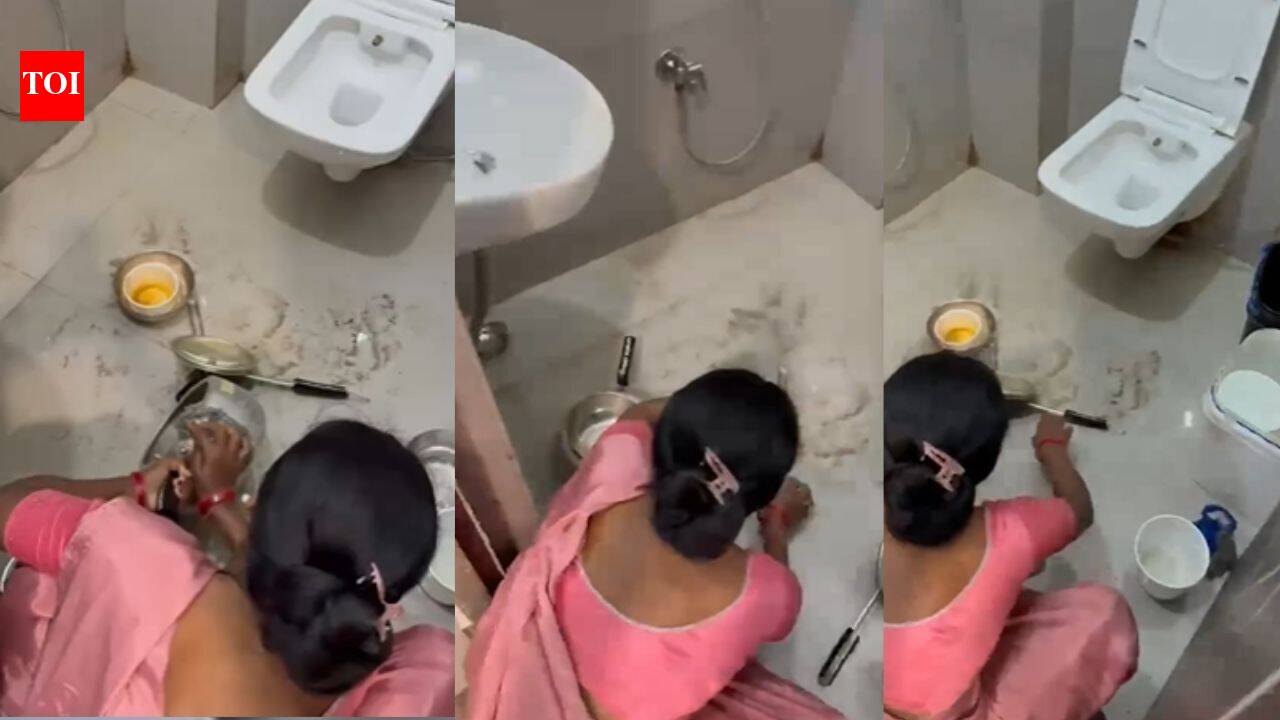
Korba viral food video: what happened at New Delhi Sweets
The clip shows a person sitting on a restroom floor while cleaning large vessels. Multiple reports identify the premises as New Delhi Sweets in Korba’s Niharika area and say the footage was filmed by a customer before spreading through social media and messaging platforms.
The outlet reportedly offered two explanations during the inspection:
- Water-supply disruption: Management said an emergency affected the usual washing arrangement.
- Staff utensils: The operator told officials that the vessels belonged to employees who had eaten and were cleaning a pressure cooker and other utensils used to heat food brought from the main branch.
These explanations are claims attributed to the establishment, not independent findings that clear the outlet. They may explain why staff used the restroom, but they do not make a bathroom floor an acceptable utensil-washing surface.
Food Safety Officer Sangharsh Kumar Mishra inspected the premises after the video circulated. Officials described washing utensils on the toilet floor as unhygienic and contrary to food-safety requirements.
What the inspection established
- An inspection took place: Food officials visited the outlet following the video.
- A notice was issued: Reports describe it as an improvement notice concerning hygiene deficiencies and washing arrangements.
- A short deadline was set: The establishment was directed to make corrections within roughly two to three days.
- Licence action was possible: Officials warned that non-compliance could lead to suspension of the food licence.
- Reopening could require verification: Reports said the outlet might have to pause operations for corrective work and would be allowed to reopen after a follow-up inspection confirmed compliance.
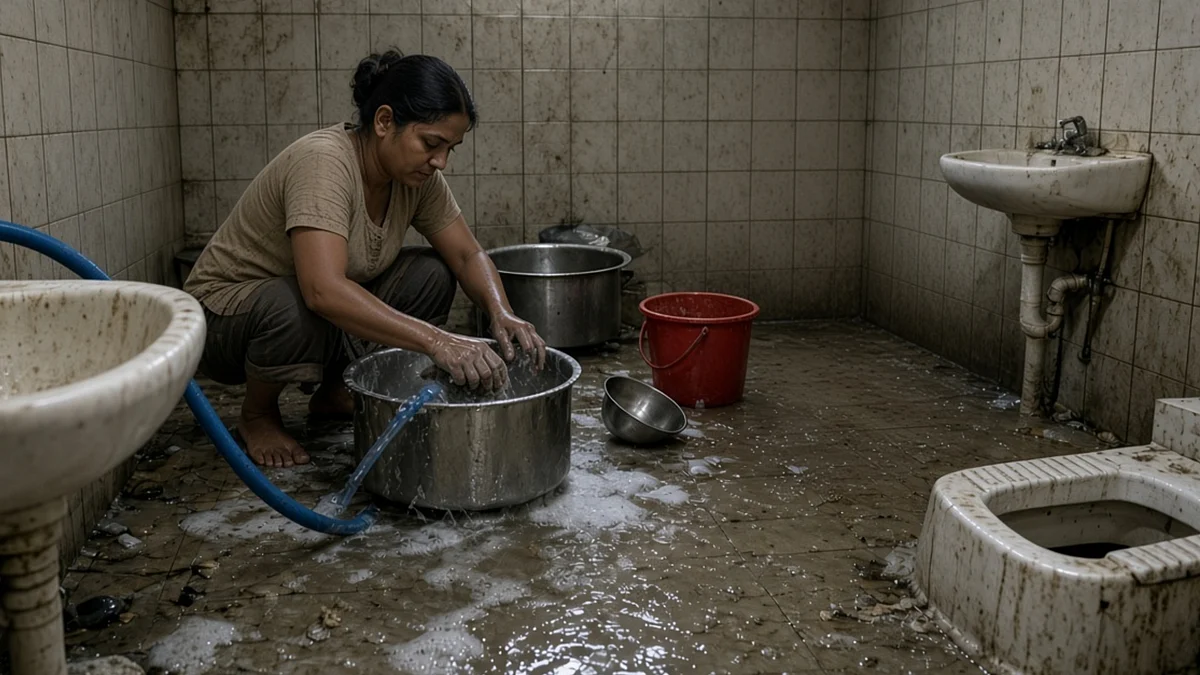
The available reporting does not establish that laboratory samples were collected, that a specific pathogen was detected, or that any customer became ill. It also does not establish how long the practice continued, how often the bathroom was used for washing, or whether the utensils later underwent proper cleaning and sanitisation.
New Delhi Sweets bathroom utensils: what the video proves and does not prove
The utensils washed in bathroom video is strong visual evidence of a food-hygiene breach at the moment recorded. It is not a complete audit of the kitchen, nor does it show the full chain from washing to food preparation and service.
The footage supports these conclusions
- The washing location was inappropriate: A toilet or restroom floor is not a designated food-contact utensil-washing area.
- Large food vessels were involved: Reports identify a pressure cooker and other vessels, although the footage alone cannot prove what food they had previously held.
- The practice raised a legitimate regulatory concern: Officials inspected the premises and issued a notice rather than dismissing the video.
The footage cannot establish these conclusions alone
- That customers ate food from those exact vessels: The operator disputed this by saying they were staff utensils.
- That food was contaminated: No test result has been publicly reported in the available coverage.
- That the entire outlet is unsafe: One incident can reveal a serious control failure, but it cannot substitute for a full inspection.
- That illness was caused by the outlet: No illness investigation or causal finding has been reported.
This distinction is not a defence of the practice. It is the minimum standard for responsible food-safety reporting: identify what is visible, identify what officials verified, and label everything else as unconfirmed.
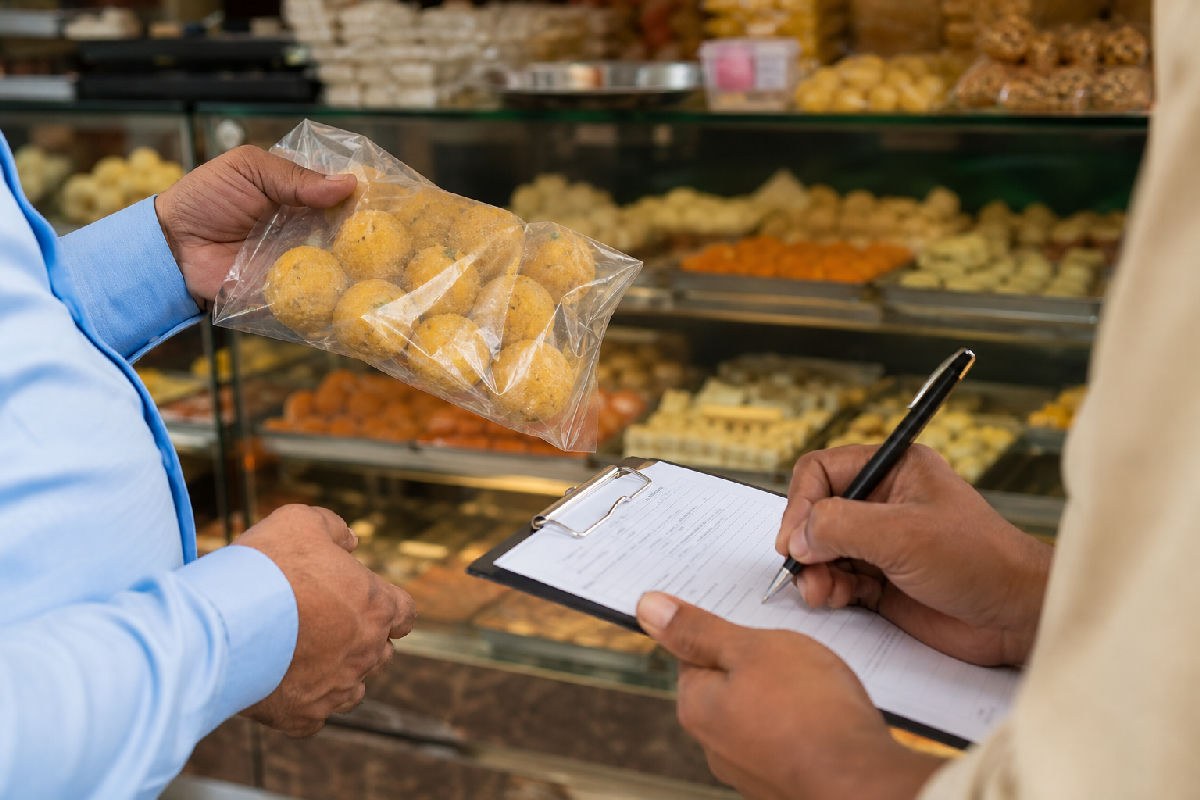
Korba food safety notice: what it means for consumers
An improvement notice is a regulatory warning requiring a food business to correct identified shortcomings. It is not the same as a publicly reported laboratory finding, a confirmed food-poisoning case, or an automatic declaration that every product sold by the business is contaminated.
For shoppers, the incident highlights five practical risks:
- Poor separation of clean and dirty areas: Utensils should be washed in a controlled area away from toilets, waste, footwear and floor splash.
- Cross-contamination: Microorganisms can move from contaminated surfaces, hands, cloths or wastewater onto food-contact utensils.
- Weak emergency procedures: A water shortage should trigger a safe alternative, not an improvised bathroom washing station.
- Incomplete traceability: Without records, consumers cannot know which vessels were used, cleaned or returned to production.
- Uneven enforcement: A notice creates a corrective obligation, but its consumer value depends on follow-up inspection and documented compliance.
The risk is greatest when a vessel is washed inadequately and then used for ready-to-eat food, sweets, milk products or other items that receive no further heating. A properly conducted cleaning and sanitising step can reduce risk, but the public reporting does not say whether that happened here.
What to do before buying from the outlet
Consumers do not need to panic, but they can make a documented, proportionate choice while the inspection process continues.
- Check the outlet’s current status: Look for a follow-up statement from the local food-safety department before assuming that the notice has been resolved.
- Ask whether corrective work was completed: A simple question about the designated utensil-washing area is reasonable, particularly if buying large quantities.
- Inspect visible handling: Avoid products if staff handle ready-to-eat sweets with bare hands, place vessels on dirty floors, or store food uncovered.
- Prefer freshly prepared, hot food where appropriate: Heating can reduce some microbial risks, though it cannot correct every chemical or hygiene problem.
- Do not rely on smell or appearance: Food contaminated with pathogens may look and smell normal.
- Keep proof of purchase: Retain the bill, packaging and time of purchase if reporting a concern.
- Report illness promptly: If vomiting, diarrhoea, fever or severe abdominal pain follows a meal, seek medical care and report the suspected food business to local food-safety authorities.
Consumers should also avoid sharing unverified claims that all products from the outlet are contaminated. The stronger public-interest demand is specific: complete the corrective work, conduct a follow-up inspection, and publish the outcome.
Frequently Asked Questions
What happened in the Korba viral food video?
The video shows a staff member at New Delhi Sweets in Korba’s Niharika area washing a pressure cooker and other utensils on a bathroom floor. A customer reportedly recorded it, after which the footage circulated online and prompted a food-safety inspection.
What did the Korba food safety notice say?
Reports say officials issued an improvement notice and directed the outlet to correct its utensil-washing arrangements within two to three days. Failure to comply could lead to suspension of the food licence, with a follow-up inspection required before reopening if operations were stopped.
Does the New Delhi Sweets bathroom utensils video prove that customers ate contaminated food?
No. It proves that utensils were being washed on a bathroom floor at the time recorded, but available reports do not provide laboratory test results, identify a pathogen or link a customer illness to the outlet. The operator also claimed the vessels belonged to staff, though that claim was not independently verified in the reports.
Should people stop buying from New Delhi Sweets in Korba?
Consumers may reasonably wait for confirmation that corrective measures were completed and verified. The public record supports concern about the documented hygiene practice, but it does not establish that every product sold by the outlet was contaminated.
Why is washing utensils in a bathroom unsafe?
Bathrooms can expose food-contact equipment to contaminated floors, wastewater, hands, footwear and splash. Even when no illness is proven, using such an area shows a failure to maintain separation between sanitation facilities and food-preparation equipment.