Lucknow shikanji viral video: toilet water, Charbagh station and food safety
A viral clip of a shikanji vendor allegedly using toilet water near Lucknow’s Charbagh station has sparked outrage. Here’s what’s proven, what isn’t, and how to protect yourself.
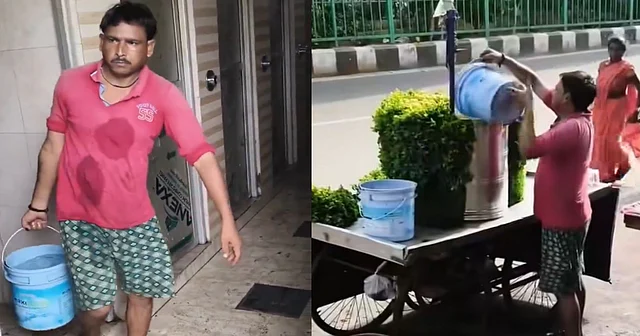
A man pushes a metal cart along a busy road outside Lucknow’s Charbagh railway station. He disappears into a public toilet with an empty bucket, then re-emerges a minute later, sloshing water back to his stall. Moments later, he is seen mixing that water into shikanji, the lemon drink sold to passing commuters.
That sequence, captured in a short clip shared on Instagram, has exploded across social media as the “Lucknow shikanji viral video”. The clip has triggered disgust, WhatsApp forwards, and a fresh wave of questions about how safe India’s street drinks really are.
Lucknow shikanji viral video: What the clip actually shows
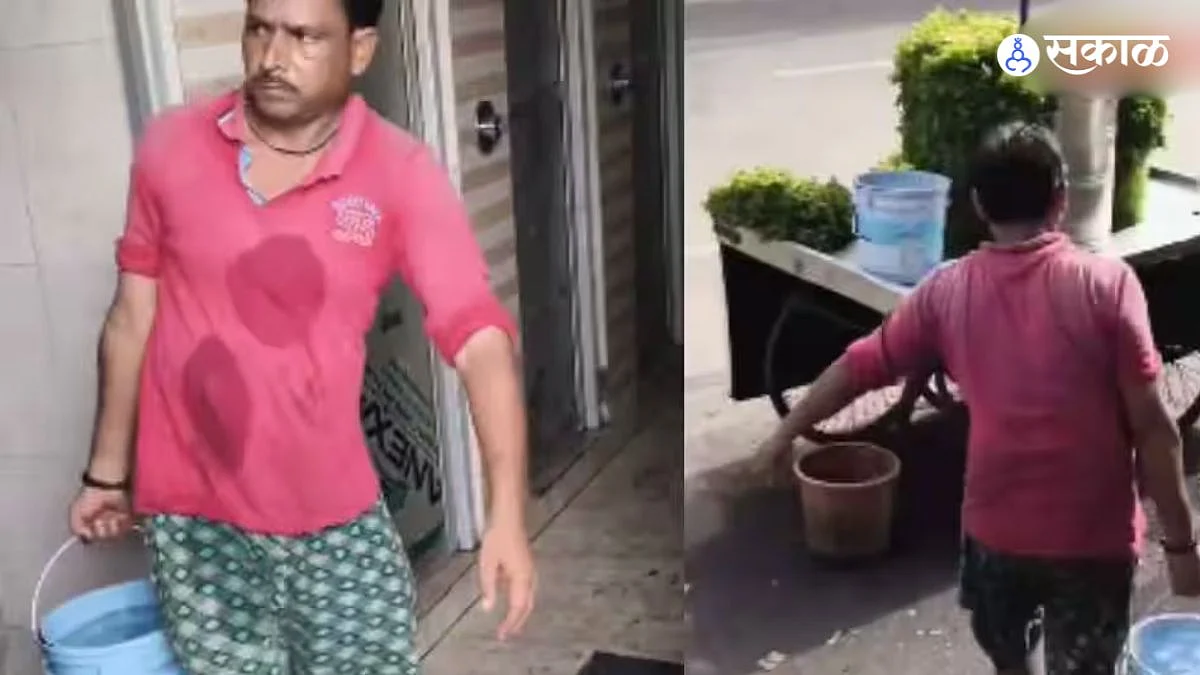
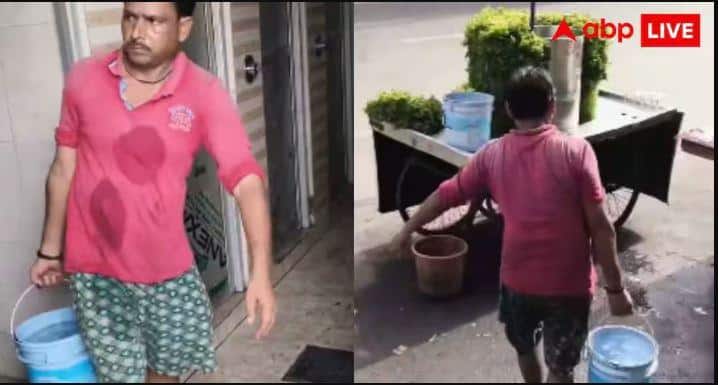
A widely shared video, reportedly shot near Charbagh railway station in Lucknow, shows a man operating what appears to be a roadside shikanji cart on Station Road.[1][3][9]
According to multiple news reports, the man is seen:
- Walking from his stall towards a Lucknow Municipal Corporation public toilet near the station.[1]
- Filling a container or bucket with water from a tap inside or adjacent to the toilet facility.[1][3][9]
- Returning to the stall and using that water while preparing shikanji for customers.[1][3]
NDTV, Free Press Journal and regional outlets in Marathi and Punjabi have all described the same sequence from the video.[1][2][3][4][9] NDTV reports that the clip has already crossed 1 million views on Instagram, with thousands of comments expressing anger and fear about hygiene.[1]
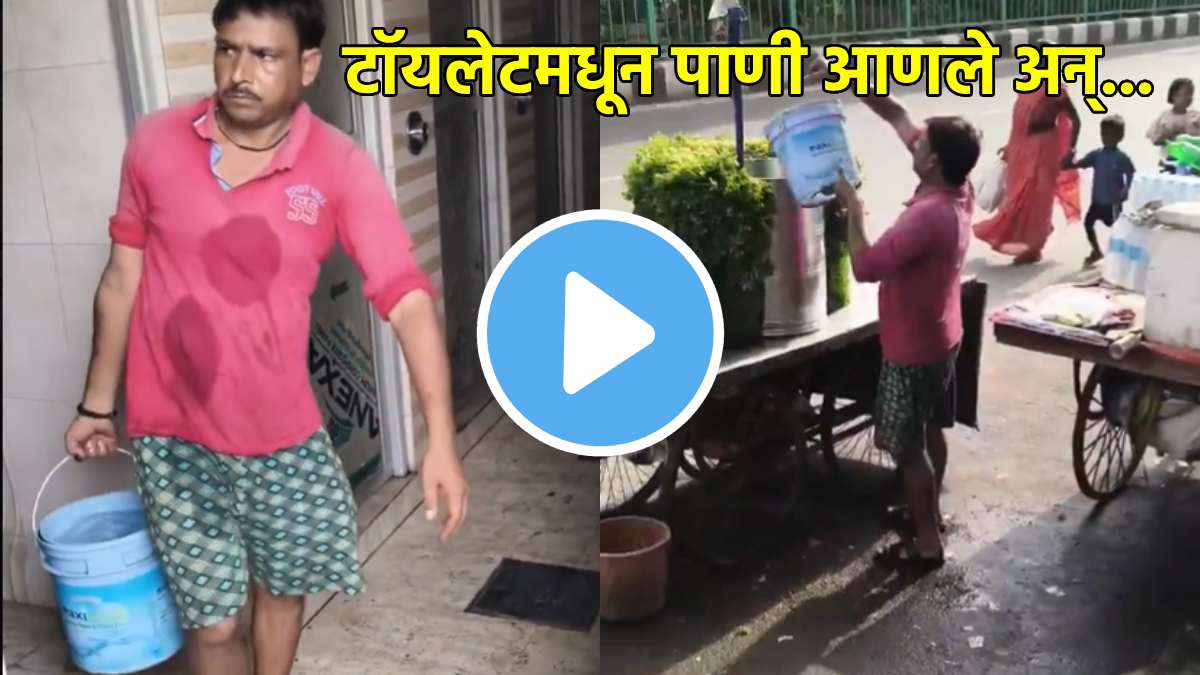
Regional coverage, including Marathi-language outlet Loksatta and Esakal, describes the vendor as a “lemon juice” or shikanji seller standing by his cart, then going to a “sulabh shauchalaya” (public toilet), filling a bucket, and pouring that water into his storage tank.[3][9] Punjabi outlet ABP also reports that the water collected from the toilet was allegedly mixed into shikanji served to the public.[4]
In short: the toilet water shikanji clip shows a vendor apparently using water from a public toilet tap to prepare a drink sold on the street.
Is the Lucknow shikanji video real or staged?
The most common search right now is “is the Lucknow shikanji video real”. Here is what is known – and what is not.
What is verified
- Multiple established outlets – NDTV, Free Press Journal, Loksatta, Esakal, ABP Punjabi – confirm that such a video is circulating widely on social media and appears to show a vendor using water from a toilet tap for shikanji.[1][2][3][4][9]
- NDTV confirms the video has gained over 1 million views on Instagram, indicating genuine virality.[1]
- The location claimed in captions and reports is near Charbagh railway station on Station Road, at or near a Lucknow Municipal Corporation public toilet.[1][3]
What is not yet verified
NDTV explicitly states that it “could not independently verify”:
- The authenticity of the video (i.e., whether it was filmed where and when claimed)
- The identity of the vendor
- Whether the incident actually took place near Charbagh railway station in Lucknow[1]
Free Press Journal echoes this caution, noting that authorities have not confirmed the video’s authenticity, the exact circumstances, or any action against the vendor.[2] The outlet advises that claims around the video should be treated “with caution” until official verification arrives.[2]
As of the latest reports:
- No official statement has been issued by the Lucknow Municipal Corporation, local police, or FSSAI regarding the specific video.[1][2]
- There is no public record yet of an inspection of the stall or identification of the individual in the clip.[1][2]
In other words:
The “Charbagh railway station shikanji video” is real in the sense that the clip exists and is being widely shared. But the location, identity of the vendor, and precise circumstances remain unconfirmed by authorities.[1][2]
For consumers, this means the video should be taken seriously as a food-safety alarm signal, but not as a confirmed case with proven details.
How the toilet water shikanji clip exploded online
The video appears to have first spread through Instagram reels, then rapidly jumped to Twitter, WhatsApp, and online news sites.[1][2]
NDTV notes that the clip “is currently circulating on social media” and has sparked a “hygiene debate” over street drinks.[1] Free Press Journal reports “widespread outrage” with users demanding stricter monitoring of street vendors and tough action if the claims prove true.[2]
Regional outlets describe intense reactions:
- Marathi coverage calls the video “kilasvana” – disgusting – and urges street-lemonade drinkers to watch it as a cautionary example.[3][9]
- Punjabi coverage similarly highlights how videos involving food hygiene rapidly go viral because they tap into growing public anxiety over what we are served on the street.[4]
This pattern is familiar: a short, shocking clip – often without full context – catches fire across platforms, and then professional media pick it up, amplifying both the outrage and the confusion.
Street-drink safety: what science and regulation say
Even if this particular toilet water shikanji incident is not yet officially confirmed, it touches a deeper reality: India’s street drinks are frequently sold without robust oversight.
What FSSAI rules require
Under the Food Safety and Standards Act, 2006 and related regulations, every food business operator – including street vendors – is supposed to:[1][2]
- Use potable (safe to drink) water for food and beverage preparation.
- Maintain basic hygiene of utensils, storage containers, and hands.
- Keep food preparation areas free from contamination sources, including toilets and open drains.
In practice, enforcement for small, mobile vendors is uneven. Many states and cities run “Clean Street Food” and Eat Right campaigns, urging vendors to use treated water, wear gloves, and keep distance from waste and toilets. But coverage across lakhs of informal stalls remains patchy.
Why toilet-adjacent water is risky
Water drawn from taps inside or immediately adjacent to public toilets may be connected to the same municipal supply as household taps. However, the environment around those taps creates serious contamination risks:
- Hand-contact pathogens: People using a toilet often touch taps with unwashed or partially washed hands, leaving behind bacteria and viruses.
- Aerosols and splashing: Flushing toilets and cleaning can spread microscopic droplets containing faecal matter onto nearby surfaces, including taps and exposed containers.
- Storage issues: Using buckets and open tanks for water near toilets increases the chance that insects, dust, and pathogens enter the supply.
Common microorganisms associated with faecal contamination in water include E. coli, Salmonella, Shigella, and viruses like norovirus, all of which can cause acute gastroenteritis – vomiting, diarrhoea, fever – within hours to days of exposure.
For safe drinking water, public health standards typically require zero detectable E. coli per 100 ml and strict controls on environmental contamination. Water collected in or near toilets, without treatment, is unlikely to meet these standards.
What this means for the average Indian shopper
Whether or not the Lucknow shikanji viral video is eventually confirmed, it strikes at a core dilemma for commuters and street-food lovers:
You often cannot see where the water comes from.
Specific risks with street shikanji and lemon drinks
Street shikanji typically involves:
- Water (sometimes from visible drums or hidden storage)
- Lemon juice
- Salt, sugar, masala
- Ice
Key risk points:
- Water source: If the vendor uses untreated tap water or draws from unsafe sources (e.g., near drains or toilets), contamination risk rises sharply.
- Ice: Ice blocks may be made from non-potable water or scraped in unsanitary conditions.
- Utensils and storage: Reused, poorly washed glasses and open storage drums allow pathogens to grow and spread.
- High volume, low margins: Busy spots like railway stations pressure vendors to cut costs and serve quickly, which can mean shortcuts on hygiene.
For commuters at Charbagh or any major station, a glass of shikanji can be refreshing in the heat. But the toilet-water clip is a reminder that visual cleanliness of the stall does not guarantee safe water.
How to assess street-drink safety without relying on rumours
donteat.in’s focus is not to spread panic but to help you make better decisions in real time. Here are practical checks you can use at any stall, whether or not a viral video is in the background.
1. Watch where the water comes from
- Look for sealed water jars, branded 20-litre cans, or a visible connection to a known supply inside a shop.
- Be wary if the vendor repeatedly disappears with an empty container towards toilets, drains, or back alleys and returns with water.
- If the water seems to come from a nearby public tap, especially one near a toilet, consider avoiding the drink.
2. Ask a direct question
Most vendors will answer if you politely ask:
“Water kahan se aata hai? Bisleri hai ya municipal?”
Their reaction is as informative as their words. If they are transparent and show you the source, that is a positive sign. If they become defensive or evasive, treat that as a warning.
3. Check the ice
- Prefer drinks without ice if you are unsure of the source.
- Avoid ice that is scraped from large blocks in open air or stored on the ground.
- Clear, cubed ice from a reputable shop or restaurant is typically safer than roadside blocks of unknown origin.
4. Look at utensil hygiene
- Are glasses rinsed in a single murky tub all day, or washed with flowing water and soap?
- Is the vendor handling money and food with the same bare hands, without washing?
- Are lemons and other ingredients stored covered, or open to dust and flies?
5. Prefer safer contexts
- Inside railway station food courts, branded chains, or FSSAI-licensed outlets, hygiene monitoring is generally stronger than at informal roadside carts.
- Many cities now list “Clean Street Food” hubs. When possible, choose these over unregistered stalls.
None of these checks guarantees safety. But together, they reduce your risk more effectively than viral forwards alone.
Why videos like the Charbagh railway station shikanji clip keep going viral
The Charbagh railway station shikanji video is part of a broader trend: food-related clips that show shocking breaches of hygiene or trust.
Several factors drive their virality:
- Shock value: Using toilet water for a popular drink combines two strong disgust triggers – faeces and deceit.
- Shareability: A short, visual clip needs little language; it travels easily across WhatsApp groups in multiple states.[1][2][3][4]
- Existing anxiety: Past incidents of adulteration, spitting in food, and unhygienic practices make people primed to react strongly when they see such footage.[11]
Media outlets then pick up the clips, often with disclaimers about authenticity, but the headlines – “Disgusting,” “Watch,” “Kilasvana video” – amplify emotional reactions.[2][3][9]
For consumers, the crucial distinction is this:
- Viral videos are useful warnings that such behaviour can occur.
- They are not reliable evidence about specific vendors or locations unless independently verified.
Both realities can be true at once.
What regulators and authorities can do next
The toilet-water shikanji clip has renewed calls for stronger food safety inspections of street vendors near transport hubs.[2]
Key actions that authorities could take around Charbagh and similar locations:
- Immediate on-ground checks of beverage and food stalls near public toilets and busy commuter zones.
- Sampling of water and ice used by vendors, with public reporting of results.
- Clear signage on public toilets stating “Water not for drinking or food preparation,” where appropriate.
- Vendor education on risks of using unsafe water, including quick training modules under FSSAI’s Eat Right campaigns.
Until such steps are publicly documented, the gap between viral outrage and formal enforcement will remain.
Practical takeaways for consumers
Based on the current evidence and broader food-safety principles, here is what you can do:
- Treat the Lucknow shikanji viral video as a warning signal, not a fully verified case. Avoid naming or harassing individuals unless authorities confirm details.
- At stations and bus stands, prefer sealed bottled drinks or packaged beverages over open, mixed-on-the-spot shikanji from unknown carts.
- If you choose street shikanji, observe water and ice sources carefully, and do not hesitate to walk away if anything seems off.
- Remember that most vendors are not using toilet water, but the lack of visible checks means you must rely on your own observations.
- When you see clearly unhygienic practices, you can alert local municipal officials or food safety officers, ideally with photo/video evidence and accurate location details.
donteat.in will update this story if FSSAI, the Lucknow Municipal Corporation, or police issue any formal statements confirming or debunking the Charbagh railway station shikanji video.
Frequently Asked Questions
Is the Lucknow shikanji viral video authentic?
Multiple news outlets confirm that the video exists and shows a vendor apparently using water from a public toilet to make shikanji.[1][2][3] However, NDTV and Free Press Journal both say they have not independently verified the location, identity of the vendor, or full context of the clip, and authorities have not issued a confirmation yet.[1][2]
Did the shikanji vendor at Charbagh railway station really use toilet water?
The video appears to show a man collecting water from a tap in or near a public toilet and then using it at his shikanji stall, with captions claiming it is near Charbagh railway station.[1][3][9] As of now, no official investigation report has publicly confirmed that the stall operates at Charbagh or that the vendor was using toilet water as a regular practice, so the claim remains unverified.[1][2]
Is it safe to drink shikanji from street vendors in Lucknow?
Safety depends on the specific vendor’s water source, ice, and hygiene practices. FSSAI rules require potable water and basic hygiene, but enforcement for informal carts is inconsistent, so consumers should visually check where water and ice come from, how utensils are washed, and whether the stall is located near toilets or drains.[1][2]
What should I look for to judge if a street drink is hygienic?
Check that water comes from sealed jars or a clean, credible source, ice is not scraped from dirty blocks, and glasses are washed with flowing water and soap rather than in a single dirty tub. Avoid stalls where the vendor collects water from toilets or open drains, or appears to handle money and food with the same unwashed hands.
Has FSSAI or the government taken action on the Lucknow toilet water shikanji video?
As per current media reports, there has been no official statement from FSSAI, local police, or the Lucknow Municipal Corporation specifically about this video.[1][2] Some outlets note public calls for stricter inspections of street vendors near railway stations, but no publicly reported enforcement action tied to this clip has been confirmed yet.[2]