MAGGI Infestation Viral Claim: What Nestlé’s Lab Checks Found
Nestlé says batch, market and accredited-lab samples passed checks, but the original packet behind the viral allegation was never examined.
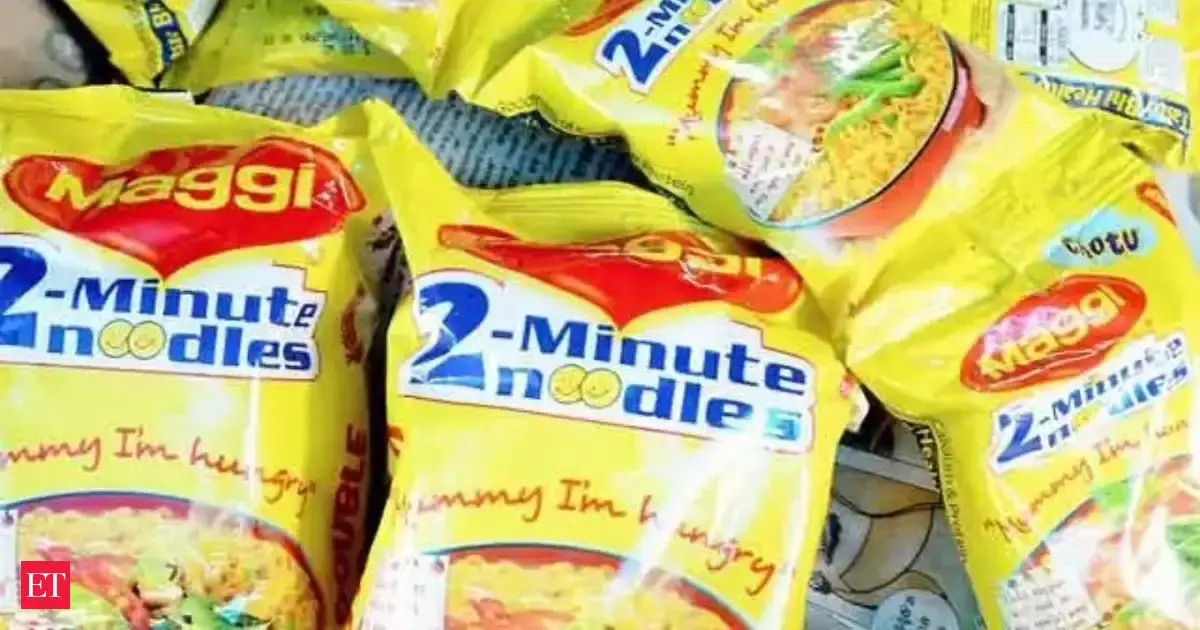
A MAGGI infestation viral video has pushed an old consumer fear back into India’s news cycle: an unverified social-media account alleged that a packet contained an infestation or larvae. Nestlé India says it could not obtain the complaint sample, but says checks of batch and market samples—and testing by an FSSAI-accredited laboratory—found no infestation.[1]
The most accurate worms in MAGGI latest update is therefore not a confirmed contamination finding. It is a dispute between an allegation that spread online and company-submitted evidence that has reportedly cleared the tested samples.

MAGGI infestation viral video: what happened and what is verified
The allegation was circulating on social media by November 6, when mainstream reports carried Nestlé India’s response.[1] The company said the claim was based on an unverified account and that it had not received the complainant’s sample or been able to contact the account holder.[1]
Here are the five facts consumers can establish from the available reporting:
- The original complaint sample was not examined by Nestlé. Nestlé said the sample shown or referenced in the allegation was not supplied to it, so the company could not authenticate the packet, product condition, storage history or chain of custody.[1]
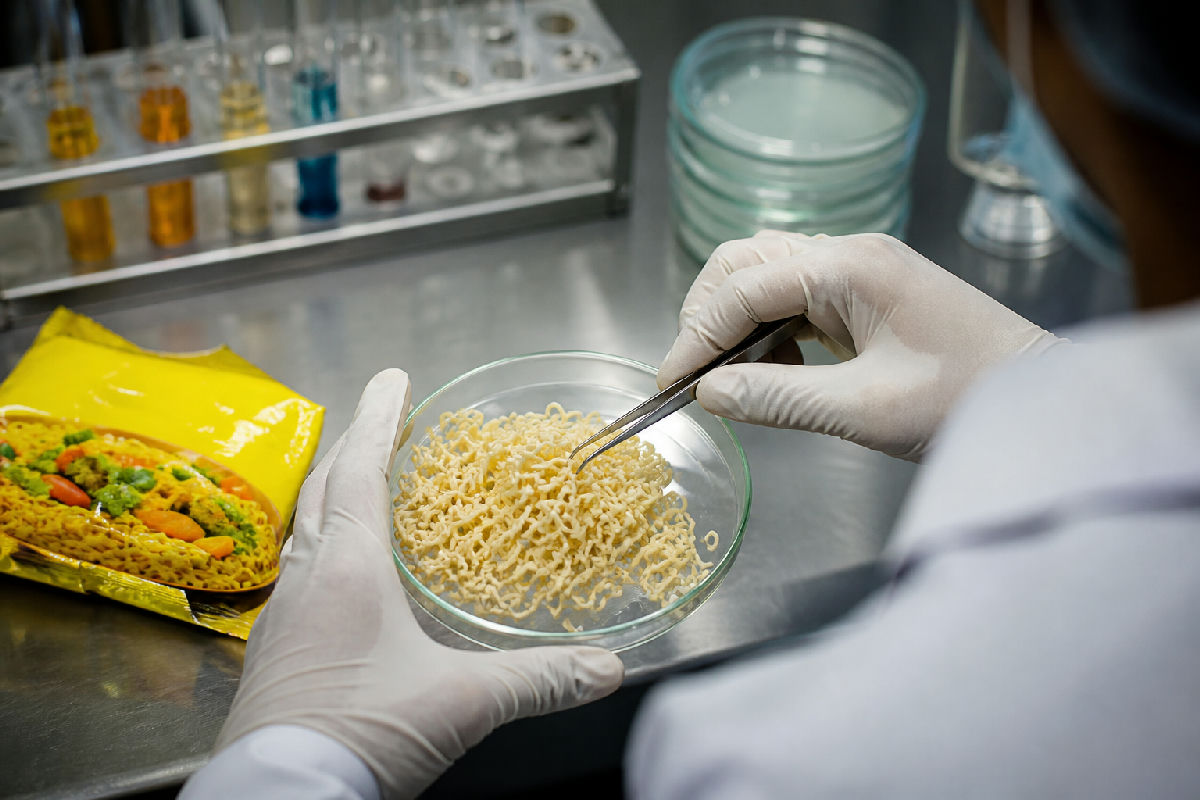
- Nestlé tested more than one type of sample. Its statement referred to quality analysis of both batch samples and market samples, rather than only an internal retained sample.[1]
- An external laboratory was involved. Nestlé said it submitted samples for investigation to an FSSAI-accredited laboratory.[1]
- The reported result found no infestation. According to the company’s account reported by The Economic Times, the laboratory report found compliance with quality standards, including absence of infestation.[1]
- The allegation remains unverified, not disproved in every packet sold. A laboratory result applies to the samples tested. It does not establish that every packet in every market is identical, nor does an unverified video establish that an entire brand is unsafe.
That distinction matters in the Nestlé MAGGI infestation claim. A viral image can show a real object while still leaving unanswered when and where contamination occurred, whether the packet was sealed, and whether the object came from the noodles, seasoning, packaging or later storage.
MAGGI packet worms India: why a video is not a laboratory result
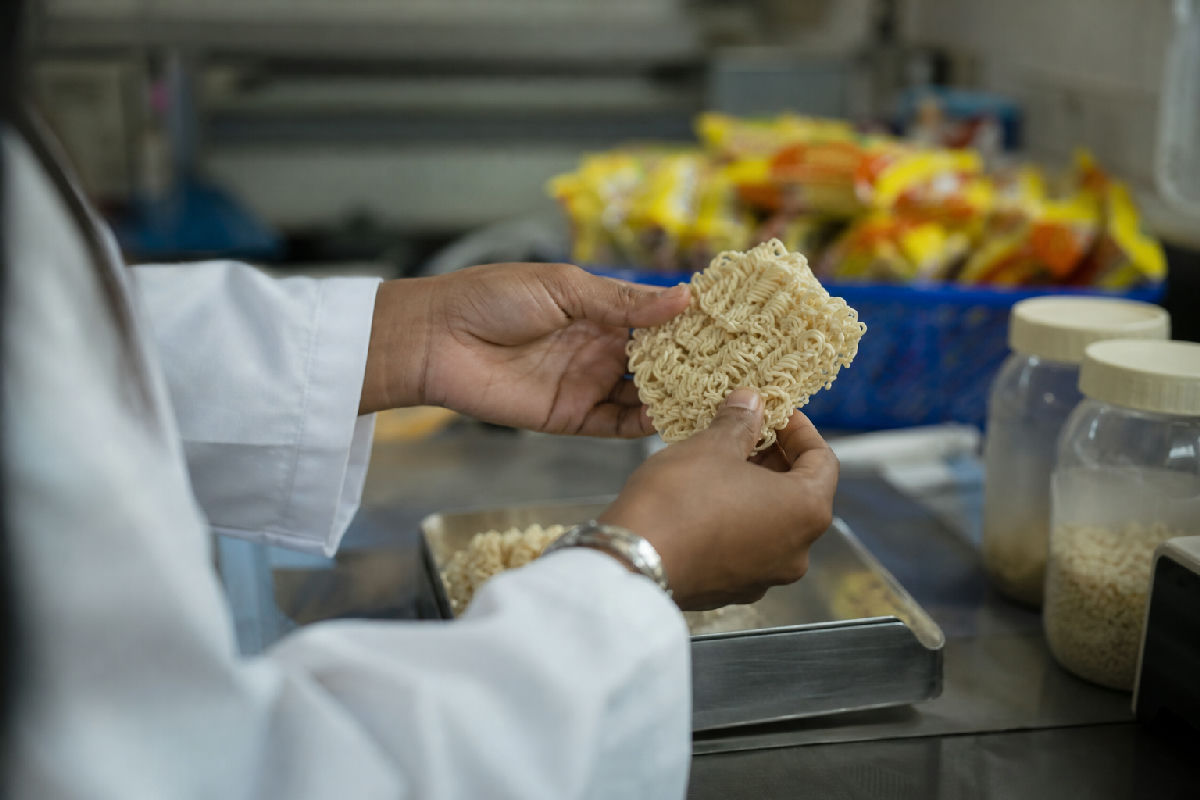
Instant noodles are dry, packaged foods, but infestation can occur at different points: manufacturing, warehousing, transport, retail storage or after opening. Insects can also enter through damaged packaging, poor stock rotation or household storage conditions.
A credible food-safety investigation normally needs more than a close-up clip. It should preserve the original packet, batch code, manufacturing date, best-before date, photographs of seals and storage conditions, and the remaining product for controlled testing.
Consumers should also separate three questions that social posts often combine:
- Was there an insect or larva? This requires examination of the actual object and product.
- Was the packet factory-sealed? Damage or tampering changes the likely source and responsibility.
- Does the finding affect the batch or brand? That requires representative sampling, traceability and laboratory evidence.
Nestlé’s reported testing addresses the samples it submitted. It does not, by itself, authenticate the viral post or provide a public independent report for the specific packet shown online.[1]
The available coverage also does not provide numerical engagement data, a verified Google Trends spike or a confirmed original post URL. Social-media circulation and news amplification are documented; the size of the trend is not.[1]
What this means for Indian consumers
- Do not treat the viral claim as a recall notice. The reported material describes an allegation and Nestlé’s response, not a confirmed nationwide infestation or regulator-ordered recall.[1]
- Do not treat the company statement as proof about your packet. If a packet is damaged, swollen, leaking, unusually odorous or visibly contaminated, do not eat it, even if the brand has reported compliant tests elsewhere.
- Batch evidence matters. Retain the packet and record the batch or lot number, manufacturing date, best-before date, place of purchase and photographs before discarding anything.
- Storage can affect risk. Keep unopened noodles in a cool, dry place away from moisture and pests. Do not consume a product whose inner sachet or outer seal appears compromised.
- Past MAGGI controversies are not automatic evidence today. The 2015 lead-and-labelling episode involved a different regulatory dispute and should not be presented as proof of the current infestation allegation. Historical controversy can justify scrutiny, but not substitution for current evidence.
What to do if you find worms or an infestation claim
- Stop eating immediately. Do not taste the product to determine whether it is safe.
- Preserve the evidence. Keep the noodles, seasoning sachet, outer wrapper and any visible material in a clean sealed container. Avoid washing, mixing or throwing it away.
- Photograph the identifiers. Capture the batch number, manufacturing details, best-before date, barcode, seals and the full packet—not only a close-up.
- Document the purchase. Save the bill, delivery record, retailer name, location and date. Note whether the packet was sealed when opened and how it was stored.
- Report through official channels. Contact the manufacturer and the relevant state food-safety authority or FSSAI grievance channel, supplying the original evidence rather than only a forwarded video.
- Seek medical advice for symptoms. Persistent vomiting, diarrhoea, fever, dehydration or an allergic reaction after eating a suspected product requires medical attention.
- Check the reply critically. Ask whether the company or authority inspected the actual complaint sample, whether the batch was traced, what laboratory tested it and whether any corrective action was ordered.
The strongest consumer complaint is reproducible: an identifiable sealed product, a traceable batch, preserved material and a clear record of purchase. A cropped social post is much harder to verify and easier to misrepresent.
Frequently Asked Questions
Is MAGGI contaminated with worms in India?
The available report does not establish widespread contamination. Nestlé India said its batch and market samples, including samples tested by an FSSAI-accredited laboratory, met quality standards and showed no infestation.[1]
What is the latest update on worms in MAGGI?
Nestlé rejected the allegation on November 6 and said it could not obtain the complainant’s sample or contact the unverified account. It reported that laboratory testing found no infestation in the samples examined.[1]
Should I stop buying MAGGI after the viral video?
The reported evidence does not amount to a confirmed nationwide recall or a regulator finding that all MAGGI is unsafe. Consumers should inspect packaging, avoid damaged products and preserve and report any suspected contamination.[1]
What did FSSAI say about the MAGGI infestation claim?
The available coverage says Nestlé submitted information and testing material to the relevant authorities, including results from an FSSAI-accredited laboratory. It does not publish a separate FSSAI finding confirming infestation in MAGGI.[1]
How can I report worms in a MAGGI packet?
Keep the product and packaging, photograph the batch and seals, retain the purchase record, and report the case to Nestlé and the relevant state food-safety authority or FSSAI channel. Do not rely only on reposting the video.