Maharashtra FDA food safety crackdown: how safe are dark stores now?
Cockroaches, rats and expired chicken in Maharashtra’s FDA raids have put quick‑commerce dark stores and food warehouses under scrutiny. Here’s what the crackdown really means for your groceries.
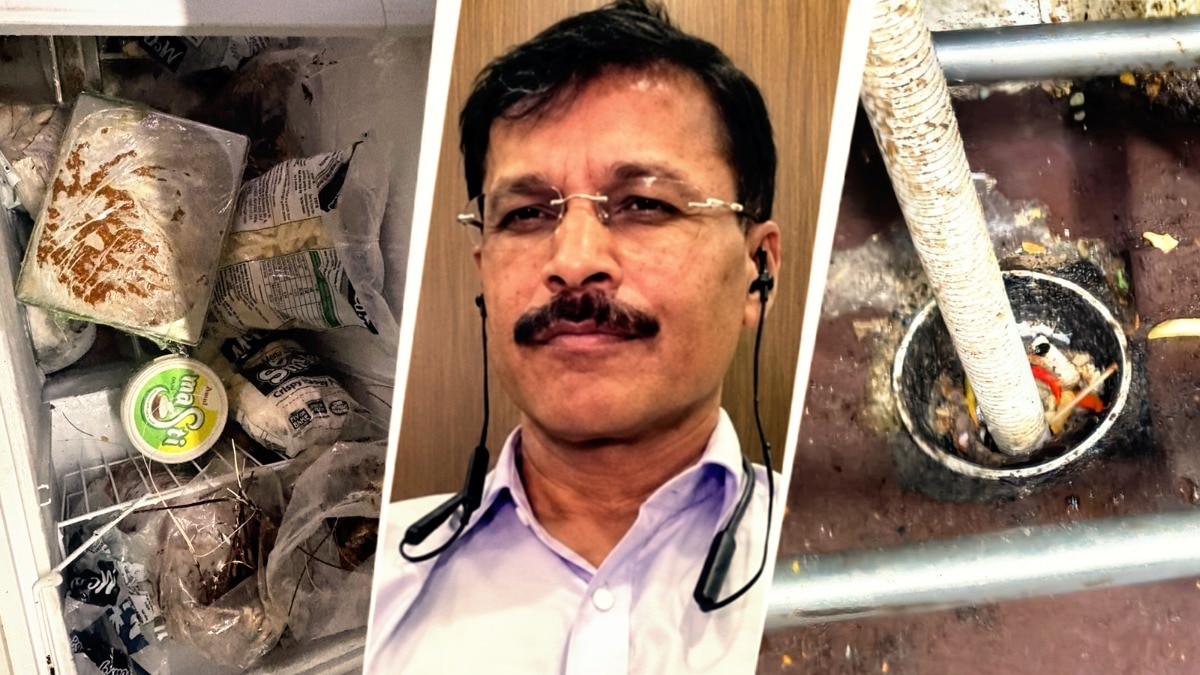
Cockroaches on fruit racks. Rats in storage corners. Expired chicken sitting in freezers meant to feed families.
In mid‑August 2026, Maharashtra’s Food and Drug Administration (FDA) turned these scenes into headlines, launching what national outlets have called the “Maharashtra FDA food safety crackdown”. Licences of dark stores and warehouses tied to Blinkit, Zepto and Swiggy Instamart were suspended, and food businesses across the state were put on notice: clean up, or shut down.
This wave of raids is now viral across news, Instagram, YouTube and WhatsApp. Consumers are asking a simple question: if this is what inspectors found in 195 establishments in just a few days, how safe is the food sitting in quick‑commerce dark stores near my home?
Maharashtra FDA food safety crackdown: what actually happened
Since IAS officer Tukaram Mundhe took charge as Maharashtra FDA Commissioner on May 25, 2026, the agency has mounted an aggressive, statewide enforcement drive targeting hotels, restaurants, canteens, warehouses and the quick‑commerce dark stores that power 10‑minute deliveries.[15][1]
Between May 25 and July 31, the FDA:
- Inspected 3,137 food establishments across Maharashtra[15]
- Seized or destroyed 28.66 lakh kg of unsafe food products
- Valued the destroyed/seized food at ₹55.72 crore[15]
- Suspended 165 licences during this phase of the crackdown[15]
That was the backdrop. In August, the focus sharpened on dark stores and warehouses used by online platforms.
Cockroaches, rats and expired chicken: inside the raids
Several reports describe what FDA teams have found in recent inspections:
- Cockroaches on stored fruits and vegetables, rusty racks and expired or damaged stock at a Blinkit dark store in Malad West, Mumbai, leading to suspension of its food licence and a bar on food‑related activities until further orders.[1][14]
- Cockroaches, lizards and expired food at multiple facilities linked to Blinkit, Zepto and Instamart, resulting in suspension of 14 food business licences across the state.[6][7]
- A separate enforcement day where FDA teams inspected 31 food establishments (hotels, restaurants, dhabas, clubs, bakeries), issued 22 improvement notices, suspended 5 licences and seized 14,552 kg of food stock worth ₹25.30 lakh.[13]
- Another reported statewide sweep where 195 food establishments were inspected and 18 licences were suspended after findings that included cockroaches, rats and expired chicken in kitchens and storage areas.[12]
In total, across dark‑store and online‑linked facilities:
- 86 establishments involved in online food sales/delivery were inspected on August 13[3][4][5]
- 60 improvement notices were issued for lapses needing correction[4][5]
- 14 licences of food businesses associated with Blinkit, Zepto and Swiggy Instamart were suspended after hygiene and safety violations, including pest infestation and expired stock[3][6][7]
Reports differ slightly on whether these are described as “food business licences” or “warehouse licences”, but they consistently state:
- 5 facilities linked to Blinkit
- 5 facilities linked to Zepto
- 2 facilities linked to Swiggy Instamart
- Plus other local entities like Bhagwati Stores and Swinsta Ent Pvt Ltd in the 14 total suspensions[6]
This is the “Blinkit Zepto warehouse licence suspension” story that has dominated business and TV news coverage.
Why quick‑commerce dark stores are in the spotlight
Quick‑commerce platforms promise groceries and packaged foods delivered in minutes. Behind that convenience is a network of “dark stores” — small warehouses in residential areas, stocked densely and operated around the clock.
The Maharashtra crackdown is surfacing three key concerns:
- Hygiene under pressure: Dark stores focus on speed and inventory turnover. Inspectors are now finding pest infestations, rusted racks, poor segregation of raw and packaged food, and expired stock remaining on shelves.[1][4][7]
- Labelling and traceability: FDA officials have repeatedly highlighted missing or unclear manufacturing dates and expiry dates on food products in dark stores. Mundhe has publicly urged consumers: “If there is no manufacturing date or no expiry date, just report to us… and don’t purchase it.”[1]
- Regulatory blind spots: Dark stores sometimes sit in the grey zone between retail shops and warehouses. The raids are testing whether the same food‑safety rules apply, and whether enforcement has kept up with the speed of quick‑commerce.
What the evidence shows so far
Putting multiple reports together, the evidence does not say that all dark stores or quick‑commerce platforms are unsafe. It shows something more targeted:
- Serious lapses in specific outlets: The FDA has acted on particular facilities that failed basic hygiene and storage norms — for example, the Malad West Blinkit dark store with visible cockroaches and expired stock.[1][14]
- Systemic issues in parts of the industry: The fact that 14 licences tied to major platforms and 18 licences in a single 195‑establishment sweep were suspended for issues like pests and expired chicken suggests that compliance is uneven and, in some places, poor.[6][12]
- No mass cancellation yet: Officials have clarified that while licences have been suspended, none have been permanently cancelled in the quick‑commerce drive so far.[6] Suspension is a strong warning, not a death sentence.
In parallel, Mundhe’s teams have targeted high‑profile restaurants, clubs and canteens — from Otters Club and Zepto dark store in Chembur to famous Mumbai eateries — reinforcing that this is not only a “quick‑commerce issue”, but a statewide food‑safety drive.[9][10][11][13]
The regulatory background: what the law demands
India’s main food‑safety law is the Food Safety and Standards Act, 2006, enforced by the Food Safety and Standards Authority of India (FSSAI) and state FDAs.

For any food business — including dark stores and warehouses — key legal requirements include:
- Clean premises: Protection against pest infestation, with measures like sealed storage, regular pest control, and no visible insects, rodents or droppings in food areas.
- Safe storage: Proper temperature control for perishable items, avoiding cross‑contamination between raw meat and ready‑to‑eat or packaged foods.
- Valid licences: Food businesses must hold current licences and follow conditions around hygiene, staff training and record‑keeping.
- Correct labelling: Display of manufacturing and expiry dates, batch numbers, FSSAI licence numbers, and other details on packaged foods.
State FDA commissioners, like Mundhe, have powers to:
- Inspect premises without prior notice
- Issue improvement notices demanding corrective action
- Suspend licences when violations pose significant risk
- Seize or destroy unsafe food
The Maharashtra FDA has deployed all of these powers in its recent crackdown, signalling a shift from paperwork‑based oversight to physical, surprise inspections of kitchens and storage spaces.[1][3][4][15]
Tukaram Mundhe food safety action: the enforcement philosophy
Multiple interviews and news features paint a clear picture of Mundhe’s approach:
- Zero tolerance for visible filth: Cockroaches, lizards, rats and expired food are treated as non‑negotiable red flags.[7][12][13]
- Focus on consumer rights: He has directly asked quick‑commerce buyers to check expiry dates and report missing labels or suspicious products via FDA portals.[1]
- Data‑driven targeting: The agency is publishing numbers — inspections conducted, kilograms of food destroyed, value of seized products — to show scale and deterrence.[15]
- Equal scrutiny across sectors: High‑end clubs, neighbourhood restaurants, institutional canteens and e‑commerce warehouses are all being inspected, challenging the idea that only “cheap” eateries are unsafe.[9][10][11][13]
This philosophy explains why “quick commerce dark store hygiene rules” are suddenly central to the national conversation. Platforms built on speed are now being asked to prove that speed does not undermine basic food safety.
What this means for the average Indian shopper
For consumers, the key questions are practical:
Is it still safe to order from Blinkit, Zepto or Swiggy Instamart?
Current reporting does not say these platforms are unsafe overall. It says:
- Some specific warehouses/dark stores failed inspections and had their licences suspended.[3][4][6][7]
- Other outlets from the same brands continue to operate, presumably under tighter scrutiny.
What matters is which outlet your order is coming from, and how that outlet manages hygiene and storage.
Are quick‑commerce orders riskier than supermarket purchases?
Dark stores differ from traditional kiranas or supermarkets in a few ways:
- Higher density of stock and rapid turnaround
- Often smaller spaces used as warehouses
- Less public visibility (consumers don’t walk into dark stores; they only see an app)
These factors can make poor hygiene harder for consumers to notice directly. The Maharashtra raids are, in effect, giving the public a rare peek into these back‑end spaces.
However, the legal obligations for hygiene, labelling and safe storage are the same. If enforced consistently, a well‑run dark store should be no less safe than a supermarket back room.
How worried should you be about cockroaches, rats and expired chicken?
Evidence from these raids shows real problems, not hypothetical risks:
- Pests can contaminate food with bacteria, parasites and faecal matter.
- Expired foods, especially meat and dairy, can support dangerous pathogens like Salmonella and E. coli.
If such conditions exist in any facility, food from that facility can carry higher risk — particularly for children, the elderly and those with weaker immunity.

But the fact that these issues are being identified and acted on by regulators is also positive. The bigger danger is when hygiene problems remain unseen and unaddressed.
Practical steps: what to do as a consumer
You cannot inspect a dark store or restaurant kitchen yourself. But you can reduce your risk and increase accountability.
1. Check labels every single time
For any packaged product — whether from a kirana, supermarket or quick‑commerce app:
- Look for manufacturing date (MFD) and expiry / best before date.
- Avoid products with smudged, overwritten or unclear dates.
- Be extra cautious with meat, dairy, bakery items, ready‑to‑eat foods.
If a product arrives without a proper date, treat that as a red flag and take it up with both the platform and the FDA.
2. Use the complaint channels
Maharashtra FDA has publicly invited consumers to report missing dates, expired products or suspicious food.[1]
You can:
- Raise a complaint through the platform’s help centre or chat support, clearly stating the issue.
- Attach photos of labels, packaging and the product.
- Lodge a formal complaint with your state food‑safety authority (details are usually on the state FDA or FSSAI website).
Regulators act faster when complaints are documented and specific.
3. Be careful with heavily discounted or “near expiry” deals
Quick‑commerce apps often push short‑dated items with big discounts. These are not inherently unsafe, but:
- Make sure the expiry date is still valid.
- Consume such products quickly and store them correctly.
If you receive something that is past its expiry or looks/smells off, do not eat it, document it, and seek a refund plus lodging a safety complaint.
4. Pay attention to repeat issues
If you repeatedly receive damaged, leaking, poorly packed or stale products from a specific platform or outlet:
- Switch to another outlet or platform.
- Tell the company why you switched — citing hygiene concerns.
Companies respond fastest when they see that safety problems cost them business.
5. Support enforcement, not just outrage
Social media outrage has helped highlight the issues. But long‑term change comes when:
- Consumers reward brands and outlets that fix problems and adopt better hygiene.
- Regulators get data from complaints and inspections, not just viral videos.
The Maharashtra story shows that strong enforcement can happen. The next step is making sure it is consistent, fair and transparent across India.
Frequently Asked Questions
What is the Maharashtra FDA food safety crackdown about?
Since May 2026, the Maharashtra FDA led by Commissioner Tukaram Mundhe has run a statewide drive inspecting thousands of food establishments, seizing unsafe food and suspending licences over hygiene and safety violations. Recent actions focus on dark stores and warehouses linked to quick‑commerce platforms like Blinkit, Zepto and Swiggy Instamart.
What happened in the Blinkit Zepto warehouse licence suspension case?
After inspecting 86 online‑linked establishments on August 13, the FDA suspended 14 licences tied to facilities associated with Blinkit, Zepto and Instamart for issues including cockroach infestations, expired food and poor storage conditions. Five Blinkit facilities, five Zepto warehouses and two Swiggy Instamart outlets were among those hit.
Are quick commerce dark store hygiene rules different from normal shops?
Legally, dark stores must follow the same food safety and hygiene rules as other food businesses, including pest control, safe storage and proper labelling. The current crackdown shows that some dark stores have failed these standards, prompting tighter enforcement but not a separate rulebook.
What did inspectors find in the cockroaches rats expired chicken FDA raid?
In one reported sweep of 195 establishments, Maharashtra FDA teams found cockroaches, rats and expired chicken in kitchens and storage areas, leading to suspension of 18 licences and seizure of unsafe food stocks. These findings have fuelled public concern over how well food safety laws are followed in practice.
Is it safe to keep ordering food from quick commerce apps now?
Available evidence points to serious problems in specific outlets, not a blanket failure of all quick‑commerce platforms. Consumers should keep using apps with caution: check expiry dates, inspect products on delivery, report any issues to both the platform and FDA, and switch away from outlets that show repeated hygiene lapses.