Maharashtra FDA restaurant raids: what Tukaram Mundhe’s drive means
Why Maharashtra’s FDA sweep is hitting restaurants and sweet shops, and the practical signs consumers should check before they buy.

Maharashtra FDA restaurant raids: what Tukaram Mundhe’s food safety drive means for you
A statewide food safety crackdown in Maharashtra has moved from routine enforcement to a public test of trust. In the past few weeks, the FDA has inspected thousands of food businesses, suspended hundreds of licences, and seized suspected substandard sweets and dairy products, turning the phrase “your local favourite could be next” into a real consumer concern.[1][2][3]

For shoppers, the big question is not only which outlet was raided, but how to tell whether the food in front of you is being handled safely. The answer depends on a mix of visible hygiene, storage practices, labelling, and whether a business can survive an unannounced inspection.
Inside the Tukaram Mundhe food safety drive
The strongest single signal came from Maharashtra FDA Commissioner Tukaram Mundhe, who said the department inspected about 12,000 food-sector establishments in roughly 100 days and issued more than 5,200 improvement notices.[1][2] Reporting based on the same drive also says 603 licences were suspended for non-compliance.[1][3][4]
The campaign has not been limited to one city or one type of business. Coverage shows inspections and action across restaurants, sweet shops, dairies, cafés, hotels, and other food businesses in Mumbai, Pune and other cities, with seized stock ranging from khoya and ghee to paneer, sweets and liquid milk.[2][5][6]
A key moment came in mid-September, when the FDA said its special festive-season drive in Greater Mumbai covered 38 establishments, collected 47 samples for lab analysis, and led to the suspension of nine establishments there.[5][6] Elsewhere, reports said the state drive seized 4,138.7 kg of dairy products and sweets plus 30 litres of liquid milk, with a total seizure value of about ₹15.58 lakh.[5][6]
In separate Mumbai action, reports identified name-brand establishments including Cafe Mondegar, Milan Punjab, Sadguru Sweets, Olympia Coffee House, and others facing suspension or scrutiny, showing that the drive is reaching well-known outlets, not just small neighbourhood shops.[5][7]
What the raids are really showing
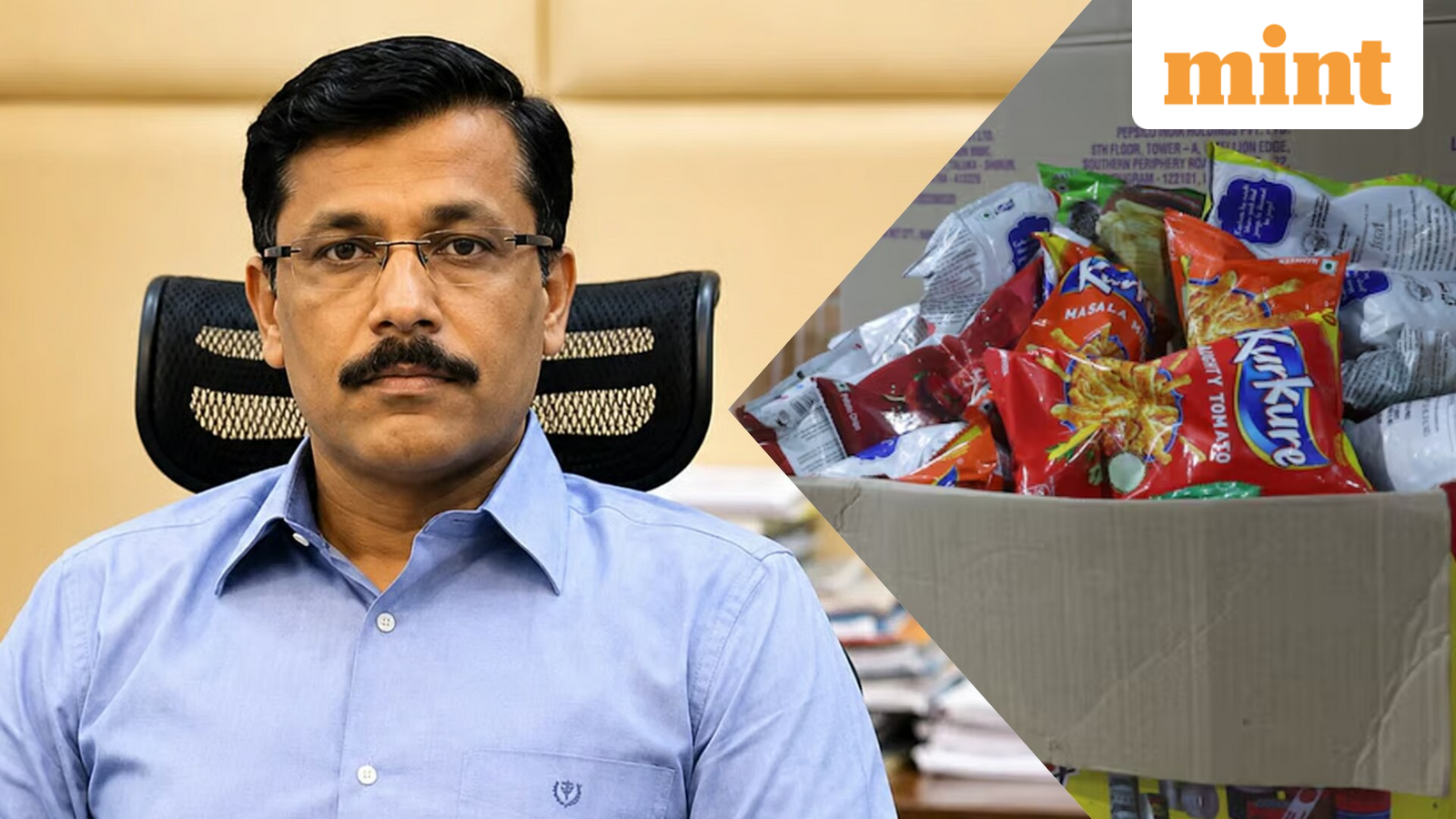
The raids do not automatically mean every flagged outlet sold unsafe food. But they do show where inspectors found repeated issues severe enough to trigger notices, suspensions, seizures, or sample collection for lab testing.[1][5][6]
The pattern matters more than the headlines.
- Poor hygiene is visible before it becomes dangerous. Open drains, garbage near entrances, dirty preparation areas, and poor pest control are the kinds of red flags that often precede formal action.[3][4]
- Storage failures are especially risky. Dairy products such as khoya, paneer, ghee and sweets are sensitive to temperature and handling, and the FDA’s seizures suggest storage and sourcing were central concerns.[5][6]
- Big brands are not automatically safer. The presence of known restaurant or sweet-shop names in enforcement reports shows that reputation alone is not a guarantee of compliance.[5][7]
- Festival demand can worsen weak controls. The timing of the drive around Ganeshotsav and the festive season matters because higher volume often means more pressure on storage, staffing and turnover.[5][6]
The broader public-health point is simple: if an outlet cannot maintain clean storage, clean surfaces and traceable ingredients under inspection, it may be cutting corners when no one is watching.[1][5]
Mumbai FDA sweets seized: what this means for the average shopper
For consumers, the crackdown is useful because it gives a practical checklist for judging both eateries and the packaged ingredients they use.
- If a shop displays visible cleanliness problems, treat that as a warning. Dirty floors, uncovered food, flies, overflowing waste, and wet or sticky counters are signs to walk away.
- If sweets or dairy items are stored at room temperature for long periods, be cautious. Khoya, milk-based sweets, paneer and ghee are especially vulnerable to spoilage and contamination.
- If labels are missing, incomplete or overwritten, do not buy. Packaged ingredients should have batch details, expiry information, manufacturer identity and proper storage instructions.
- If an outlet refuses to show a FSSAI registration or licence number, that is a red flag. Legitimate businesses should be able to provide basic compliance details.
- If a shop looks crowded but the prep area is hidden, do not assume hygiene is fine. A polished front counter can conceal poor kitchen practices.
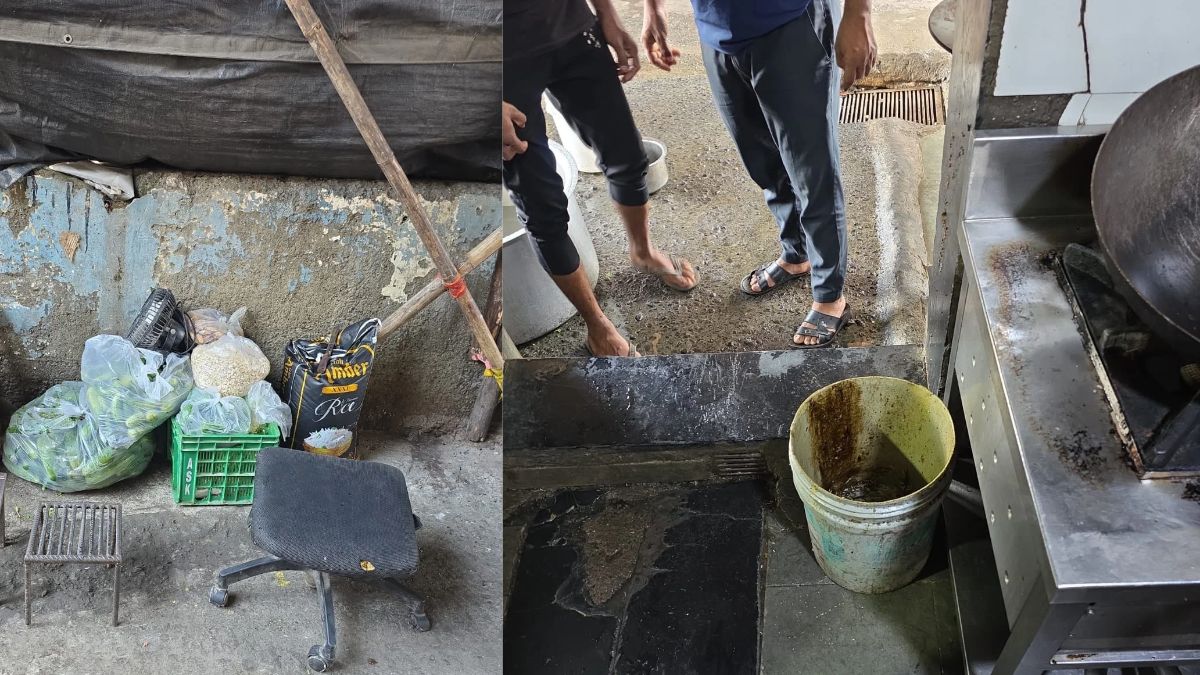
This is why the phrase food hygiene crackdown Maharashtra is resonating online. Consumers are realising the issue is not just one bad shop, but whether a business has repeatable systems for cleanliness, sourcing and storage.
What to do before you buy or eat out
- Check the display area first. Clean counters, covered trays, tongs, gloves where needed, and no visible pests should be the minimum.
- Look at the label on packaged items. Check brand name, batch number, date marks, ingredient list, FSSAI details and storage directions.
- Ask how long food has been sitting out. This matters most for milk-based sweets, chutneys, gravies and ready-to-eat items.
- Avoid items with unusual smell, watery texture or colour changes. Spoilage in dairy and sweets can be subtle before it becomes obvious.
- Prefer outlets with visible turnover and transparent handling. A busy shop is not proof of safety, but stagnant stock is a warning sign.
- If you suspect a problem, keep the bill and note the time, place and item. That makes complaints easier to verify.
- Report serious issues to the local food safety authority or consumer helpline. Complaints matter most when they include photos, bills and clear details.
The science behind the crackdown
Food safety is usually about three things: microbes, contamination and time-temperature control. Milk, khoya, paneer and cream-based products can support rapid bacterial growth if they are stored badly or handled with dirty utensils.[5][6]
That is why inspectors focus on both the kitchen and the paperwork. A clean-looking shop can still fail if stock is unsafe, labels are missing, or ingredients came from an unverified source.
The FDA’s improvement notices matter because they suggest the problems are not always isolated incidents. In this drive, more than 5,200 notices were issued, which implies a large number of businesses needed corrections rather than just a warning for one-off lapses.[1][3]
Frequently Asked Questions
Is food in Maharashtra safe to eat after these raids?
The raids do not mean all food in Maharashtra is unsafe. They do show that inspectors found enough hygiene and compliance failures to justify notices, seizures and suspensions at a large number of outlets.[1][5][6]
How many food licences were suspended in Mumbai?
Reports from the current drive say the FDA suspended nine establishments in Greater Mumbai during one special inspection round, while other coverage says the broader Maharashtra drive led to 603 suspensions overall.[1][5][6]
What is the Tukaram Mundhe food safety drive actually targeting?
It is targeting hygiene lapses, unsafe storage, suspected adulteration, and other Food Safety and Standards Act violations across restaurants, sweet shops, dairies and related food businesses.[1][5][6]
Should I stop buying sweets from local shops?
No, but you should be more selective. Buy only from shops that keep sweets covered, refrigerated when needed, properly labelled, and visibly clean, especially for milk-based products like khoya, paneer and ghee sweets.[5][6]
What is the easiest way to judge whether an eatery is hygienic?
Start with what you can see: clean floors, clean counters, covered food, no pests, proper waste disposal and staff handling food without contamination. If those basics are missing, the kitchen is unlikely to be better.[3][4][5]