Mumbra Sweets Food Poisoning: What Consumers Should Know
A man died and five people fell ill after reportedly eating Aflatoon sweets; FDA tests and a post-mortem report will determine what happened.
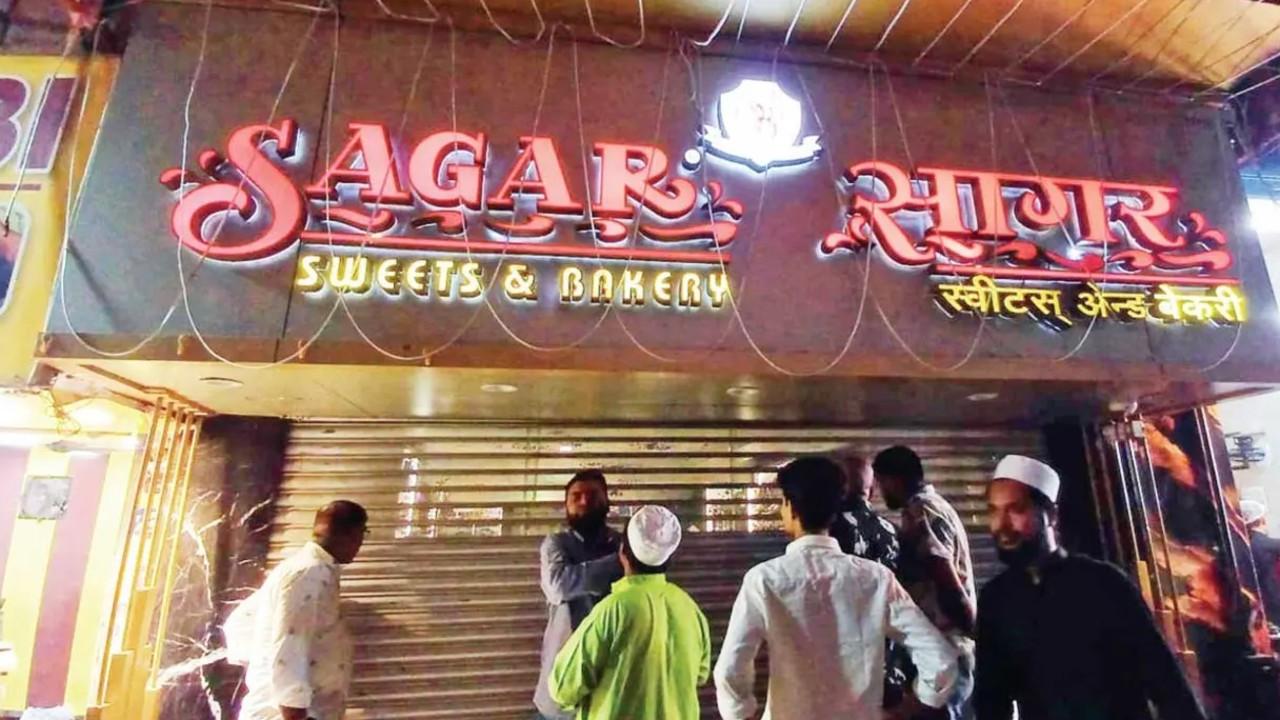
A 35-year-old man from Mumbra, Zubair Ansari, died after allegedly eating Aflatoon sweets bought from Sagar Sweets and Bakery Mumbra. Five other people who reportedly ate sweets from the same batch developed vomiting and diarrhoea; one was reportedly diagnosed with typhoid. But the central question in the Mumbra sweets food poisoning case remains unresolved: authorities have not yet officially established that the sweets caused the death.
The Maharashtra Food and Drug Administration (FDA) sealed the outlet, collected samples and seized food stock worth about ₹4.58 lakh from two Sagar Sweet and Bakery establishments. Police are awaiting laboratory findings and post-mortem evidence.

Mumbra sweets food poisoning: what happened
The reported sequence is as follows:
- The suspected product was Aflatoon. Reports say a shopkeeper from Mumbra’s Thakurpada bought two 250-gram packets from the outlet near Mumbra railway station.
- Several people became ill. Five people who consumed sweets from the same batch reportedly developed severe vomiting and diarrhoea. Some reports say symptoms began within roughly 90 minutes to one hour.
- One person died. Ansari reportedly suffered multiple organ failure and died during treatment.
- The shop was shut. Mumbra Police and Maharashtra FDA officials inspected the premises, closed or sealed the outlet and collected sweets and other food products for laboratory analysis.
- The cause is not confirmed. News reports consistently state that the link between the sweets and Ansari’s death remains subject to lab reports, medical records and the post-mortem examination.
The difference between “after eating” and “because of eating” matters. A cluster of illness after a shared meal is a strong reason to investigate, but it does not by itself prove which food caused the illness or whether an infection, toxin, allergen, chemical contaminant or unrelated medical condition was responsible.
Sagar Sweets and Bakery Mumbra: what the evidence shows
The available reporting identifies Sagar Sweets and Bakery as the outlet named by the families and authorities. FDA officials reportedly seized 36 kg of Aflatoon from the outlet opposite Mumbra railway station, along with other stock from two establishments.
The evidence currently falls into three categories:

- The epidemiological clue: multiple people reportedly ate sweets from the same batch and became ill.
- The medical evidence: Ansari reportedly developed serious complications, including multiple organ failure; another patient was reportedly diagnosed with typhoid.
- The confirmatory evidence still pending: laboratory testing of retained food samples, clinical samples where available, food-handling records and the post-mortem report.
The reported typhoid diagnosis also shows why a simple conclusion would be premature. Typhoid is caused by Salmonella Typhi and can have an incubation period that is longer than the rapid onset reported for some patients; only medical testing and the full timeline can clarify whether it was connected to the sweets.
Authorities must also account for people who may have eaten the same product without falling ill, the quantity consumed, storage conditions, preparation history and whether all patients consumed anything else in common.
Mumbra bakery sweets death: what it means for consumers
The incident is a warning about perishable sweets, but it is not proof that every product from the named shop or every Aflatoon sweet is unsafe. Consumers should focus on the following risks:
- Short shelf life: Milk- and dairy-based sweets can support bacterial growth when temperature control fails.
- Cross-contamination: Unsafe water, contaminated utensils, infected food handlers or contact with raw ingredients can introduce pathogens.
- Poor traceability: Loose sweets may not carry a clear manufacture date, batch number, use-by date or storage instruction.
- Delayed reporting: Keeping the original box, bill and leftovers can help investigators identify a common batch.
- False reassurance from appearance: Normal smell, colour and taste do not prove that a food is microbiologically safe.
Do not treat the closure of a shop as a final finding of guilt. It is an enforcement and public-safety measure while authorities investigate.

Food poisoning symptoms after sweets: what to do
Seek urgent medical care for breathing difficulty, fainting, confusion, severe dehydration, blood in stool, persistent vomiting, high fever, severe abdominal pain or reduced urination. Children, older adults, pregnant people and those with diabetes or weakened immunity need a lower threshold for medical evaluation.
A practical checklist:
- Record the timeline. Write down what was eaten, when it was eaten, when symptoms began and who else consumed it.
- Stop eating the suspected batch. Do not taste it again to “check” whether it is spoiled.
- Preserve evidence safely. Keep the package, receipt, delivery details and remaining food sealed and refrigerated; do not handle it unnecessarily.
- Contact a doctor promptly. Oral rehydration may help with fluid loss, but severe symptoms require clinical assessment. Avoid self-starting antibiotics or anti-diarrhoeal medicines without medical advice.
- Report the incident. Notify local food-safety authorities and provide the product, purchase location, bill, batch information and medical records.
- Protect others. Anyone who handled vomit or diarrhoea should wash hands thoroughly with soap and water; do not prepare food for others while ill.
Consumers should not rely on social-media claims, forwarded lists or unverified “poisoned batch” messages. In this case, the responsible position is to distinguish the reported cluster from the final scientific conclusion.
What investigators need to establish
A credible food-poisoning investigation normally compares patient histories, symptom onset, food exposure and laboratory results. Investigators may test food remnants, ingredients, surfaces and clinical samples, while checking temperatures, sanitation, staff health, supplier records and sale dates.
The strongest conclusion would require a consistent pattern linking the suspected food to the illness, a plausible incubation period and, where possible, detection of the same pathogen or toxin in both patients and food. Negative or inconclusive testing would not automatically prove that the food was safe, particularly if samples were unavailable or mishandled, but it would limit what can responsibly be claimed.
For now, the confirmed public-health action is the FDA inspection, sealing and sampling. The alleged causal link remains under investigation.
Frequently Asked Questions
Is Sagar Sweets and Bakery Mumbra officially confirmed as the source of the poisoning?
No. Reports say the shop was inspected and sealed after several people became ill, and samples were sent for testing. Authorities have not yet officially confirmed that the sweets caused the illnesses or death.
What happened in the Mumbra sweets food poisoning case?
A 35-year-old man, Zubair Ansari, reportedly died after eating Aflatoon sweets purchased near Mumbra railway station. Five others who reportedly ate sweets from the same batch became ill with vomiting and diarrhoea, while the FDA seized stock and collected samples.
What are food poisoning symptoms after sweets?
Common symptoms include nausea, vomiting, diarrhoea, stomach cramps and fever. Severe dehydration, bloody stool, confusion, breathing difficulty, persistent vomiting or reduced urination requires urgent medical care.
Should consumers stop buying sweets from Mumbra shops?
Consumers should avoid any product specifically identified in an official advisory or investigation and should not consume food from a sealed outlet. There is not enough evidence in the available reports to declare all Mumbra sweet shops or all Aflatoon products unsafe.
How will investigators determine whether the sweets caused the Mumbra bakery sweets death?
They will compare patient timelines and medical findings with laboratory testing of food and clinical samples, along with the post-mortem report and inspection records. A causal conclusion requires more than the fact that the illness followed consumption.