Nalagarh Bread Worms Video: What Is Verified So Far?
The clip has triggered concern in Solan, but no public sample report yet links the alleged contamination to a brand, batch or manufacturer.
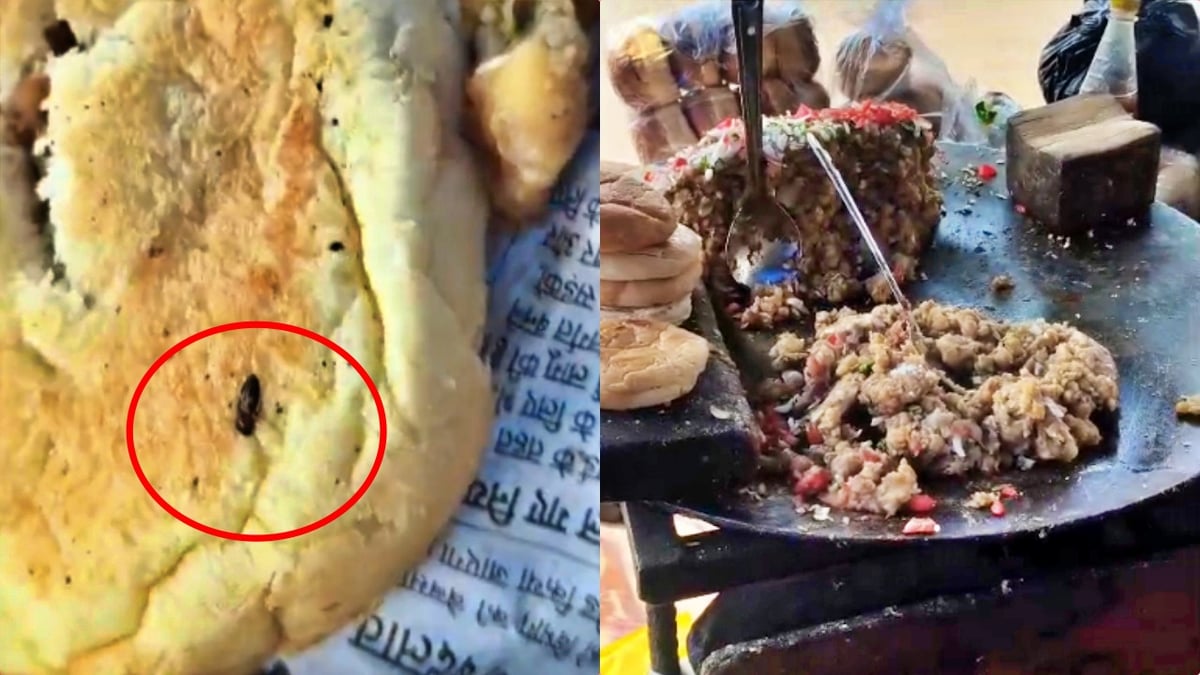
The Nalagarh bread worms video is circulating across social media and messaging groups, prompting questions about kulcha, packaged bread and Nalagarh food safety. But the clip is not, by itself, proof that a named manufacturer supplied contaminated bread: as of September 23, 2026, no official sample report or laboratory finding has been publicly reported.
Nalagarh bread worms video: what happened and what is verified
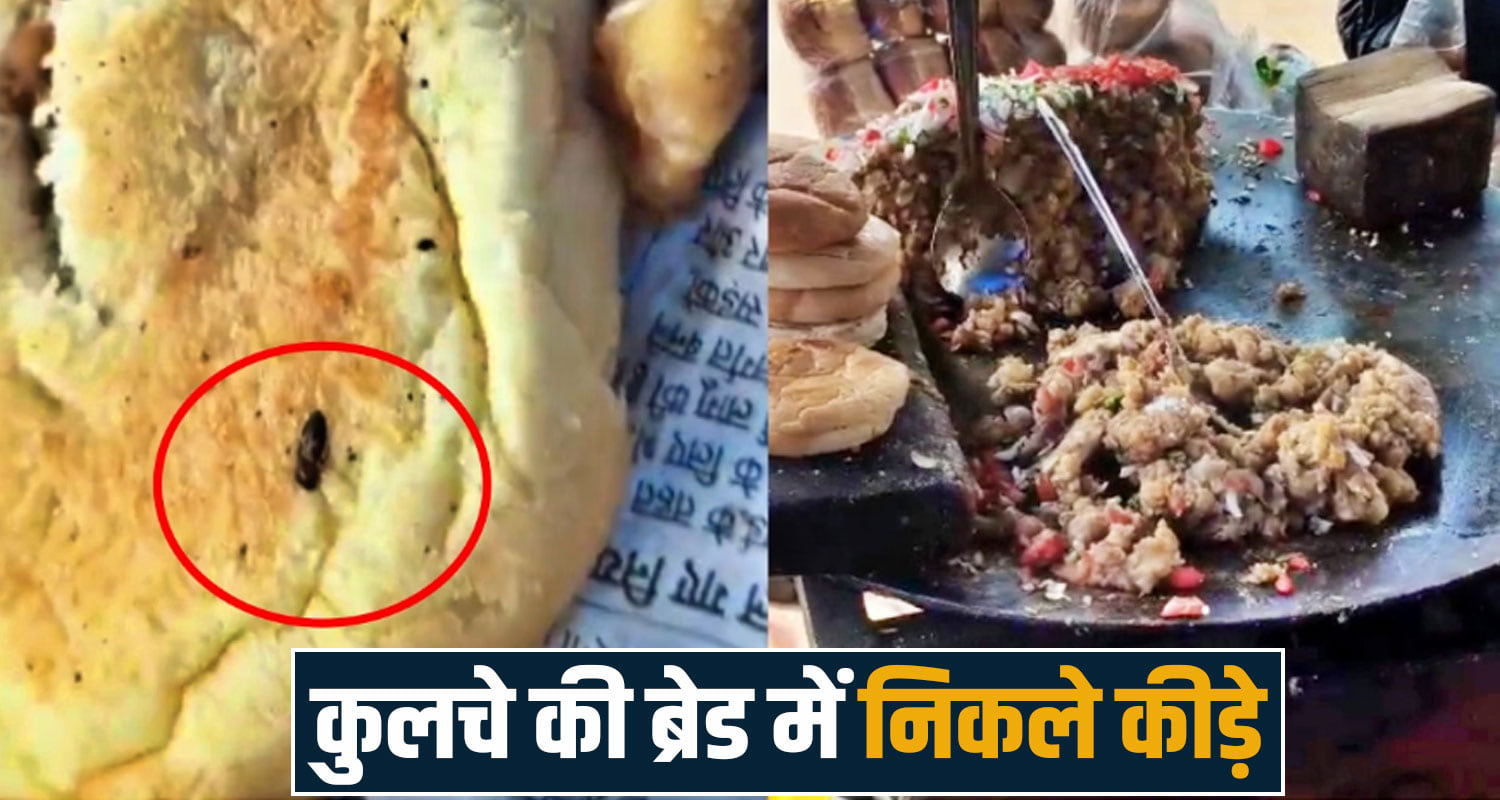
Amar Ujala reported on September 21 that a video from Nalagarh in Solan district, Himachal Pradesh, showed bread reportedly being used for kulcha after it was opened or cut, with what appeared to be worms inside. The report said the clip was spreading rapidly online and had triggered local concern.
A second local report by News4Himachal also described the video and calls for the relevant food-safety authorities to collect a sample. It did not identify a manufacturer, establish where the bread was purchased, or report a laboratory result.
Five points the video does—and does not—establish
- The video shows an alleged contamination claim. The available reporting says the footage appears to show worm-like material inside bread. It does not independently establish the identity of the material.
- The location reported is Nalagarh, Solan district. That is the geographic context supplied by the news reports; it is not evidence that all bread sold in Nalagarh, or across Himachal Pradesh, is affected.
- The bread was reportedly being used for kulcha. “Kulcha bread” is a social-media description, not the name of a confirmed product or brand in the available reports.
- No producer has been publicly established. The reports do not name a bakery, distributor, retailer or packaged-bread company as responsible.
- No official confirmation is available yet. Amar Ujala specifically noted that the circumstances of contamination and the stage at which it may have occurred could not be determined from the viral clip alone, and that an official investigation or sample report was still awaited.
The distinction matters. A video can document a consumer complaint, but food-safety enforcement normally requires the product, packaging and chain of custody to be identified and a sample to be examined.
Kulcha bread worms viral video: what the evidence cannot prove
The phrase “kulcha bread worms viral video” is useful for finding the story, but it should not be treated as a laboratory conclusion. The current reporting does not provide a product label, batch number, manufacturing date, purchase bill, outlet name, view count, hashtag data or Google Trends evidence.
That means donteat.in cannot responsibly call this a verified outbreak, a nationwide packaged-bread failure or proof against a particular brand. The available evidence supports a narrower statement: a video alleging worms in bread associated with kulcha use is circulating from Nalagarh, and the allegation requires official sampling.
Possible explanations include contamination before purchase, poor storage, insect infestation after opening, or a problem during preparation or handling. Those are possibilities, not findings. Only examination of the actual bread and packaging can distinguish among them.
This is also why recycled posts should be treated cautiously. A clip may be reposted without its original date, location or product context, while captions can turn an unverified local allegation into a claim about “all bread” or a named company.
Worms in bread Himachal: what this means for consumers
For an average shopper, the immediate risk is less about a proven state-wide contamination event and more about buying or eating a visibly compromised product without preserving evidence.
- Do not eat visibly infested bread. Worms, larvae, webbing, unusual holes, movement or a foul smell are reasons to stop using the product.
- Do not assume every white thread is a worm. Bread may contain flour strands, fibres or other foreign material; visual footage alone may not identify it. Keep the sample for examination rather than making a medical or legal conclusion from appearance.
- Packaged bread and loose bread require different checks. For packaged bread, retain the wrapper, batch or lot code, manufacturer details, dates and food licence information. For loose bread or food-service bread, record the outlet, location, purchase time and bill.
- Storage can change the evidence. Heat, moisture, open display and prolonged storage can permit insect activity after manufacture. This does not rule out a production defect; it is one reason investigators need the original sample and packaging.
- Symptoms require medical attention. If someone develops repeated vomiting, diarrhoea, severe abdominal pain, fever, breathing difficulty or signs of an allergic reaction after eating suspected contaminated food, seek medical care and mention the suspected food exposure.
India’s food-safety framework places responsibility on food businesses to sell safe and compliant food, while enforcement depends on inspection, sampling and testing. A viral clip can alert authorities, but it does not replace that process.
Nalagarh food safety: what consumers should do now
- Stop eating the affected item. Separate it from other food and keep it in a clean, sealed container or its original wrapper. Do not wash away or remove the suspected contaminant.
- Photograph the evidence clearly. Take close and wide photographs showing the bread, suspected material, wrapper, brand, batch code, dates, outlet and receipt. Record the date, time and exact place of purchase.
- Preserve the chain of custody. Keep the remaining bread and packaging refrigerated if appropriate and avoid unnecessary handling. Do not send the only sample to multiple people or discard it after receiving a replacement.
- Report through official channels. Submit the complaint to the local food-safety authority or the Food Safety and Standards Authority of India’s consumer complaint system, attaching photographs and purchase details. Ask for a written acknowledgement and sample collection where appropriate.
- Contact the seller or manufacturer factually. Request an investigation, but avoid posting personal accusations before the product, batch and test results are established. A replacement product is not a substitute for preserving the original evidence.
- Share the clip with context. If reposting, include the reported location and date, and state clearly that official confirmation is pending. Do not add an unverified brand name or claim that the incident represents all bread in Himachal Pradesh.
A credible follow-up would include the product identity, sample collection details, laboratory findings, the authority’s action and any response from the business involved. Until those details emerge, the correct status is allegation under investigation, not confirmed contamination.
Frequently Asked Questions
Is the Nalagarh bread worms video real?
The video is being reported as a clip from Nalagarh showing alleged worms or worm-like material inside bread used for kulcha. Its authenticity, the identity of the material and the source of the bread have not been confirmed by a publicly reported laboratory test.
Which bread brand had worms in Nalagarh?
No available report identifies a confirmed brand, manufacturer or batch. Consumers should not attach the allegation to a named company unless official sampling or reliable product documentation supports it.
What did food-safety officials say about the Nalagarh case?
The available reports say residents sought intervention and sample testing, but they do not publish an official laboratory result or a definitive authority finding. The case should therefore be treated as pending verification.
Should I stop buying bread because of the worms in bread Himachal video?
There is no verified evidence in the available reporting that all bread in Himachal Pradesh is contaminated. Check packaging, dates, seals and storage conditions, and do not consume any product showing insects, larvae, webbing, spoilage or damaged packaging.
How should I report contaminated bread in India?
Preserve the product and packaging, photograph the batch and purchase details, and complain to the local food-safety authority or FSSAI consumer-grievance channel. Provide the original sample if an authorised officer requests it.