Nanak Ghee Viral Video: What Smoke and White Residue Actually Prove
The videos raise genuine quality questions, but smoke and a pale solid are not substitutes for a controlled, batch-specific laboratory test.

A multi-minute Nanak ghee viral video has pushed an old consumer question into India’s feeds: does smoking, whitening or a bad smell prove that ghee is adulterated? The short answer is no. The Instagram demonstrations are concerning and worth investigating, but they are unverified observations—not laboratory proof that Nanak ghee is impure.
The videos reportedly spread widely on Instagram, WhatsApp and news platforms on October 27–28, prompting comments from consumers who said they had seen similar behaviour. No verified view count, hashtag data or independent laboratory report was reported in the available coverage.
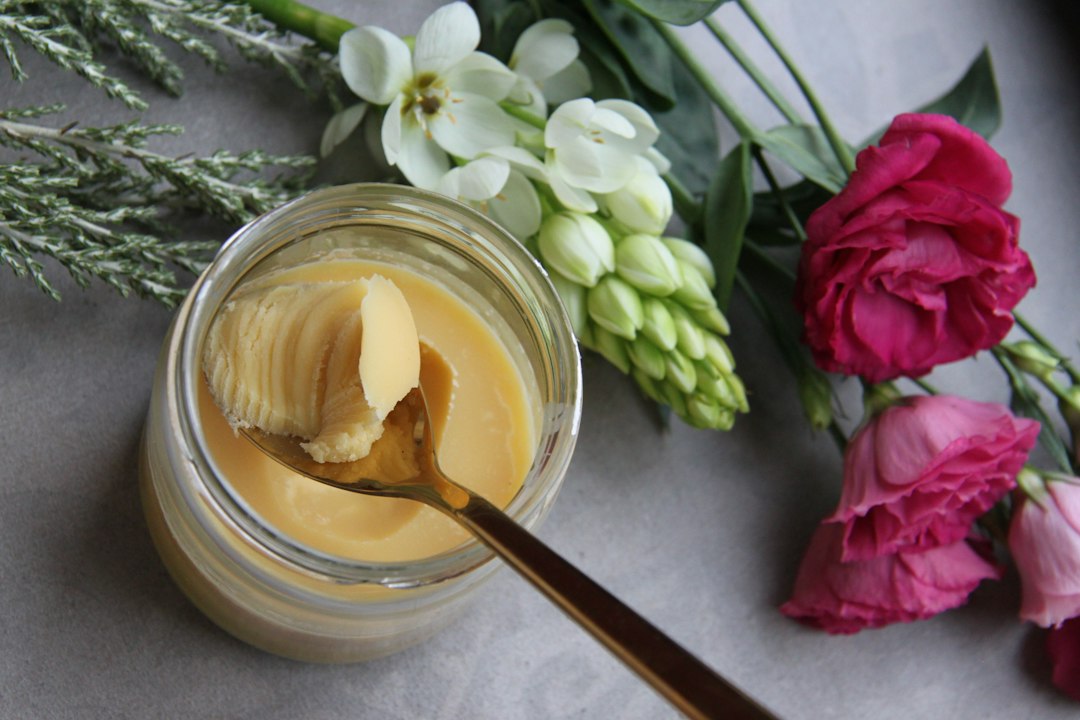
Nanak ghee viral video: what the evidence actually shows
The controversy began with videos posted by activist Srivatsa, who heated Nanak ghee while narrating what he saw. The footage reportedly showed the product continuing to smoke after roughly 10 minutes of heating, then turning into a pale, petroleum-jelly-like solid after being poured back into its container.[1]
The creator also described an unpleasant odour and questioned why the product did not behave like the golden, granular ghee he expected. Those are legitimate consumer observations, but appearance, smell and heating behaviour can vary with processing, storage, temperature and the fat’s crystallisation history.
The video does not establish adulteration. It does not identify the product’s batch, document controlled heating conditions, measure the temperature, compare it with another ghee under identical conditions, or provide a sealed sample tested by an independent accredited laboratory.
The white appearance may also involve crystallisation. The report refers to “crystal memory”—a phenomenon in which previously formed fat crystals influence how a product solidifies after melting.[1] That explanation may account for some texture changes, but it does not by itself explain every reported odour or prove that the product meets its legal standard.
What Nanak Foods said
Nanak Foods reportedly told Srivatsa by Instagram direct message that the claims were “incorrect and misleading”, said its products were “100% pure with zero adulteration”, and offered to have them tested by an accredited laboratory.[1]
The company also asked that the video be removed within 30 minutes and warned that legal action might follow. In a subsequent exchange, Nanak Foods said the ghee’s composition was “100% milk fat” and referred to triglyceride behaviour, but the available report says it did not publicly resolve why this particular sample smoked, whitened and developed an unpleasant odour.[1]
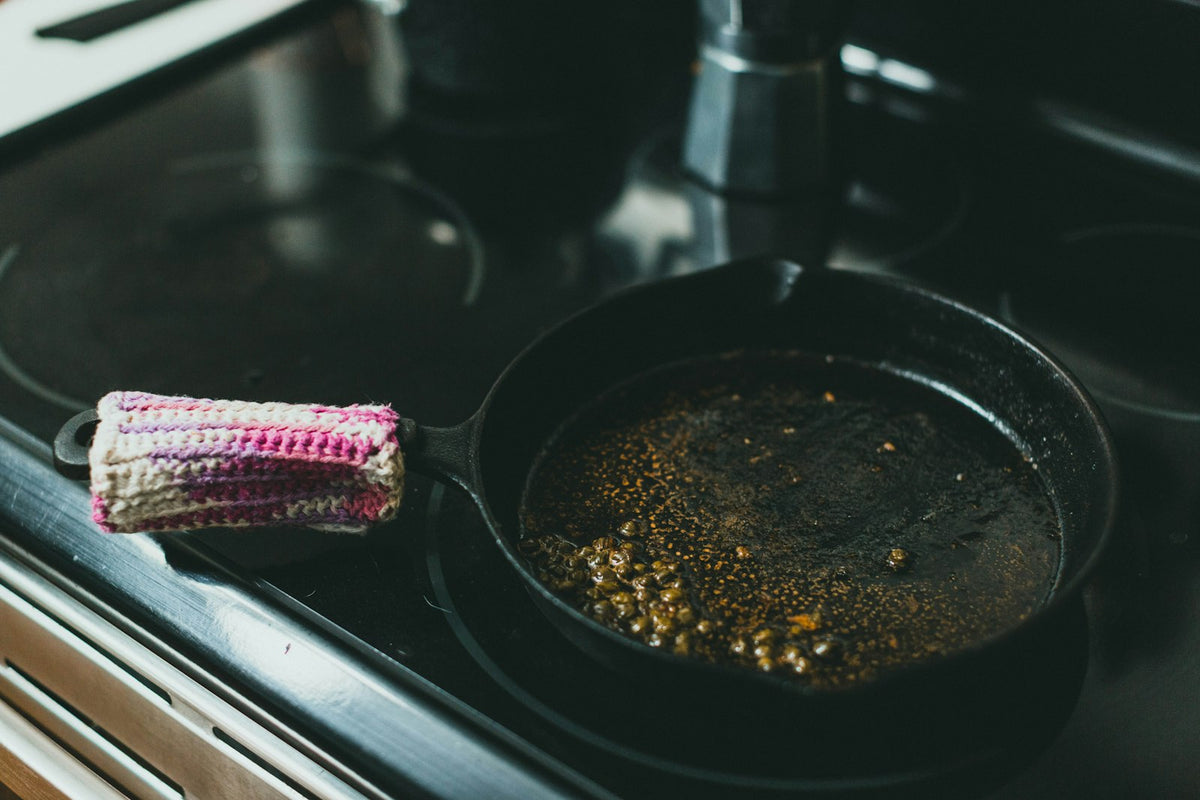
That leaves two different claims in circulation: the consumer’s visual and sensory observations, and the company’s assertion of compliance. Neither replaces a properly documented test.
Nanak ghee smoking video: does smoke prove the ghee is bad?
Smoke alone is not a purity test. Ghee can smoke when heated strongly, particularly if the pan or sample temperature rises beyond the point at which volatile compounds begin to break down. Residual moisture, milk solids, impurities, previous heating and the heating vessel can also affect smoke and aroma.
However, persistent smoke at ordinary cooking temperatures, a rancid or chemical smell, visible foreign matter or an unusual change in texture are reasonable reasons to stop using a product and preserve the evidence. They are warning signs for investigation, not a diagnosis.
Consumers should also avoid repeating the viral experiment in an overheated pan. A kitchen demonstration cannot control temperature or distinguish between smoke from the ghee and smoke from residue on the pan.
Nanak ghee white residue: what does the pale solid prove?
White or pale ghee is not automatically adulterated. Ghee’s colour and grain can vary with milk source, season, clarification method, cooling rate and storage. Fat crystals can produce a lighter, opaque or waxy appearance after melting and resolidification.
The relevant legal question is whether the product meets India’s ghee standard. Available summaries of FSSAI Regulation 2.1.8 state that ghee must contain at least 99.5% milk fat and no more than 0.5% moisture, with no added colour, flavour or preservative.[4][9]
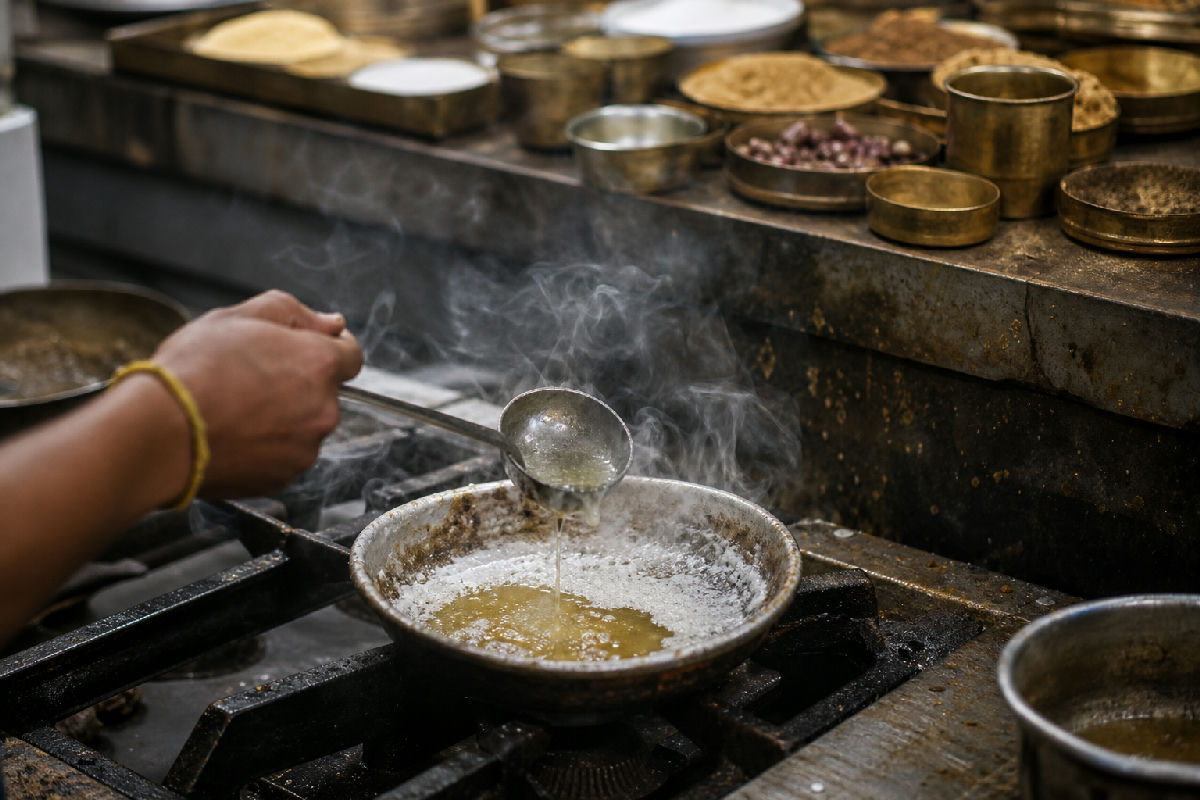
Laboratories assess identity and quality through measurements such as the butyro-refractometer reading, Reichert-Meissl value, free fatty acids, moisture, the Baudouin test and beta-sitosterol analysis. One commonly cited FSSAI benchmark is a Reichert-Meissl value of at least 24, while the Baudouin test should be negative.[6][8][10]
The Baudouin test can help detect sesame oil associated with vanaspati, but it is a chemical laboratory method involving hazardous reagents—not a safe home experiment. A white residue, spoon test, freezing test or flame test cannot establish whether a pack is pure milk fat.
Is Nanak ghee pure? What shoppers can responsibly conclude
At present, the answer is not independently established by the viral footage. Nanak Foods has stated that its ghee is pure and made from 100% milk fat, while the available coverage does not report a public, batch-specific accredited laboratory result that confirms or contradicts that claim.[1]
What this means for Indian consumers
- Do not treat the video as a confirmed adulteration finding. It documents an unusual demonstration, not a certified analysis.
- Do not dismiss sensory complaints either. A strong rancid, burnt, paint-like or chemical odour is a legitimate product-quality complaint.
- A brand statement is not the same as a test report. The useful document would identify the batch, sample chain of custody, laboratory accreditation, methods and results.
- One jar does not automatically represent every pack. Manufacturing date, batch, storage conditions and distribution history matter.
- “Pure” is a regulated claim in context. For ghee, the product must satisfy compositional and quality requirements, not merely look or smell traditional.
What to do if your Nanak ghee behaves unusually
- Stop consuming the questionable jar. Do not use it for cooking, feeding children or serving guests until the concern is resolved.
- Preserve the evidence. Keep the original container, lid, remaining product, bill, delivery record and clear photographs of the batch number, manufacturing date, expiry or best-before date, ingredients and FSSAI licence details.
- Record conditions, not conclusions. Note how the product was stored, whether the pan was clean, how much ghee was heated, the approximate heat setting and when smoke or odour appeared.
- Contact the company in writing. Ask for a batch-specific explanation and request the relevant certificate of analysis, rather than relying only on a general purity statement.
- Use official complaint channels. Consumers can approach the Food Safety Connect app or their state food-safety department, supplying the batch and purchase evidence.[3]
- Seek accredited testing if the issue matters. An NABL-accredited food laboratory can test moisture, milk-fat identity, free fatty acids, RM value, BR reading, Baudouin reaction and beta-sitosterol, among other parameters.[10]
- Do not perform chemical adulteration tests at home. Methods involving concentrated hydrochloric acid, furfural or other reagents require laboratory controls and safety equipment.[2]
Frequently Asked Questions
Is Nanak ghee pure?
The viral videos do not prove that Nanak ghee is adulterated, and the available coverage does not report an independent batch-specific laboratory result confirming purity. Nanak Foods has stated that its ghee is 100% milk fat and free from adulteration.[1]
Does the Nanak ghee smoking video prove adulteration?
No. Smoking can be influenced by temperature, moisture, milk solids, previous heating and the pan itself. Persistent smoke or an abnormal odour should prompt consumers to stop using the jar and report or test it, but it is not conclusive proof of adulteration.
What does the Nanak ghee white residue mean?
A white or waxy solid can result from fat crystallisation after melting and cooling, and colour varies among ghee products. It does not by itself prove the presence of vegetable oil or another adulterant; only appropriate laboratory analysis can establish composition.
What did Nanak Foods say about the controversy?
Nanak Foods reportedly called the claims incorrect and misleading, said its products were 100% pure with zero adulteration, offered accredited testing and stated that the ghee contained 100% milk fat.[1]
How can I test ghee purity at home?
Home appearance, smell, freezing and heating checks can flag an unusual product but cannot prove that ghee is pure. For a reliable answer, preserve the sealed pack and arrange testing through a recognised food laboratory or a food-safety authority.[2][10]