Nipah virus Kerala what food to avoid: fruits, sap and food safety
A confirmed case in Kozhikode has revived fears about fruits and raw date palm sap, but the evidence points to a narrower risk than viral messages suggest.
# Nipah virus Kerala what food to avoid: what the Kozhikode case means for fruits, sap and food hygiene
A single confirmed Nipah virus case in Kozhikode, Kerala has triggered a familiar wave of fear: messages warning people to stop eating fruits, avoid street food, and distrust anything raw or uncovered. But the science is narrower than the panic suggests. According to the World Health Organization, the latest case was laboratory-confirmed in Kerala on 11 June 2026, with no secondary cases reported as of 23 June 2026.[1]

Nipah virus Kerala what food to avoid: the actual risk to consumers
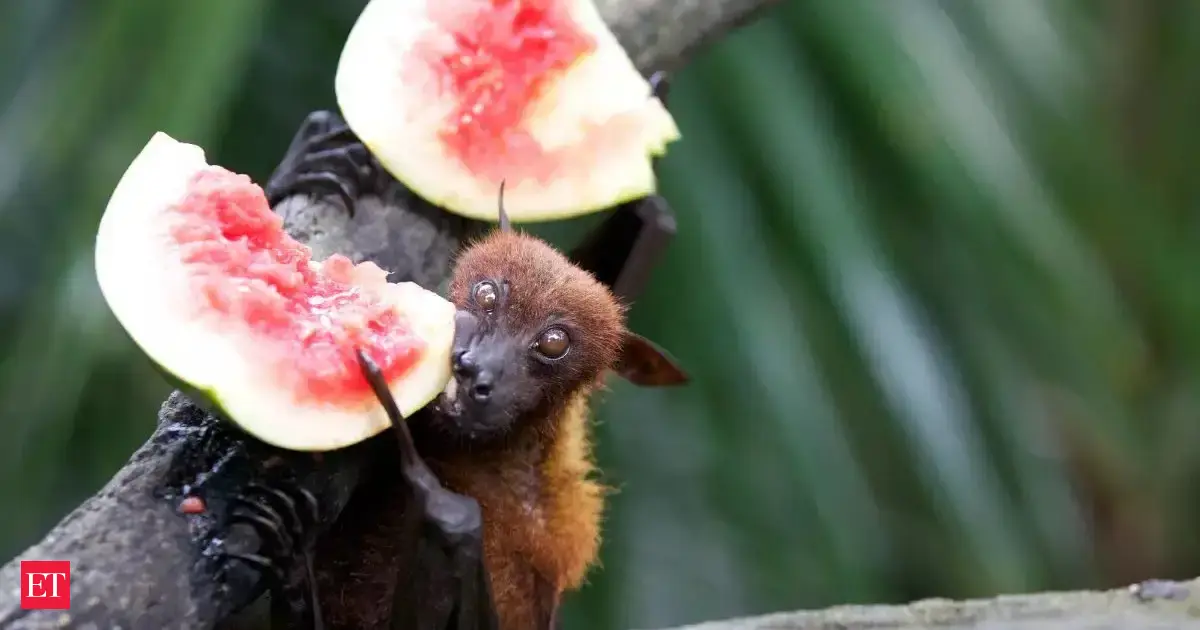
The key consumer question is not whether all fruits are dangerous. It is whether Nipah virus transmission through food is plausible, and which foods matter most. The answer, based on WHO guidance and past outbreak investigations, is that the main food-related risk comes from fresh date palm sap and any food or drink contaminated by bat saliva or urine.[1]
WHO says Nipah can spread to people through direct contact with infected bats, infected pigs, or infected people, and through contaminated food.[1] In South Asia, documented foodborne spillover has most often been linked to raw date palm sap collected in open containers and contaminated by fruit bats.[1] That is why public health advisories in India routinely focus on boiling sap, protecting collection pots, and avoiding fruit that has been bitten by bats.[1][2]
That does not mean ordinary fruits are automatically unsafe. Properly washed, peeled, or cooked fruits remain normal foods for the general public. The danger is with fruits that are visibly damaged, bitten, overexposed outdoors, or handled in unhygienic settings where bat contamination is possible.[1][2]
What happened in Kozhikode
WHO reported that on 11 June 2026, Kerala health authorities confirmed a laboratory-positive Nipah case in Kozhikode district.[1] The patient was an adult male who developed symptoms on 30 May 2026 and was admitted to hospital on 10 June 2026.[1] Initial results were obtained locally and then confirmed by RT-PCR at the National Institute of Virology, Pune.[1]
The public health response was immediate. WHO said that by 18 June 2026, 104 contacts had been identified, including 4 very high-risk, 14 high-risk, and 86 low-risk contacts; 45 of the contacts were health and care workers.[1] As of 23 June 2026, no secondary cases had been reported.[1]
That matters because the immediate public risk is shaped less by social-media fear and more by how many people had direct exposure to the patient before isolation. In this case, the event appears geographically limited, and WHO said it did not recommend travel or trade restrictions.[1]
Is it safe to eat fruits in Nipah 2026?
For most people, yes, fruits remain safe if handled normally. The scientific concern is not with fruit itself, but with contamination from bats or contaminated surfaces.[1][2]
Practical safety rules are simple:
- Wash fruits thoroughly under running water before eating.
- Peel fruits when possible.
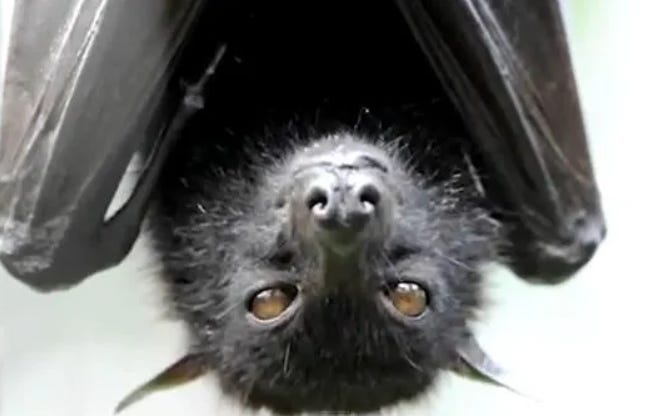
- Avoid fruits that are bitten, fallen on the ground, or visibly damaged by animals.
- Do not consume raw date palm sap unless it has been properly boiled or treated.
- Avoid juices, snacks, or cut fruits that were left uncovered in open areas where bats or other animals could have access.[1][2]
These precautions are especially relevant in Kerala because fruit bats are the natural reservoir for Nipah, and the state has seen repeated outbreaks since 2018. Public-health and research reporting in 2026 again linked recurrence risk to ecological change and close human-bat contact.[4]
Nipah virus transmission through food: what is confirmed
Nipah is a zoonotic virus, meaning it spreads from animals to humans, and it can also spread person to person.[1] WHO’s outbreak update says the virus can be transmitted through contaminated food, but the food pathway is not the same as a typical stomach bug or food poisoning outbreak.[1]
The strongest food-related evidence in South Asia has historically involved raw date palm sap contaminated by infected fruit bats.[1] That is why public advisories in Kerala and elsewhere repeatedly warn people to avoid raw sap and to use protected collection methods.
For consumers, the distinction matters. A sealed packet of fruit, a peeled banana, or a home-washed apple is not the same risk category as sap collected in open containers, fruit left under trees, or cut fruit sold in unhygienic conditions.
Why the panic spreads so fast
The reaction to Nipah is shaped by memory. Kerala has faced multiple outbreaks, and the disease has a high fatality rate, so public fear is understandable. But viral forwarding often flattens a complex transmission pattern into blanket warnings such as “do not eat any fruit,” which is not supported by the evidence.[1][2]
The current scare also lands in a digital environment where short explainers, WhatsApp voice notes, and regional TV clips move faster than official guidance. That is why consumers often see lists of “safe” and “unsafe” foods before they see the actual public-health advisory.
A better rule is to follow the route of transmission:
- Bat exposure is the central food-related concern.
- Contaminated raw sap is the most specific food risk.[1][2]
- Person-to-person spread means hospitals and households must focus on isolation, masks, and hand hygiene.[1]
Regulatory and scientific context
WHO classifies Nipah as a serious emerging disease because it can cause severe encephalitis and respiratory illness, and because there is no widely available licensed vaccine for routine public use.[1] Public-health control therefore depends on early detection, contact tracing, infection prevention, and reducing exposure to animal reservoirs.
Kerala’s response in this event followed that playbook: isolate the patient, trace contacts, monitor symptoms, and strengthen healthcare infection-control protocols.[1] WHO’s report also states that no international spread had been reported and that the event remained geographically contained.[1]
An important historical point is that repeated outbreaks in Kerala have led to better surveillance and faster response each time. That is one reason the state has become a model for rapid outbreak detection in India, even though the public anxiety every time remains severe.
What the average Indian shopper should do now
If you are shopping, cooking, or eating out in Kerala or elsewhere in India, the safest response is targeted caution, not blanket avoidance.
- Keep eating washed, peeled, and properly stored fruits.
- Avoid raw date palm sap and any unboiled sap products during an active Nipah alert.[1][2]
- Do not buy fruits that are already cut and sitting uncovered for long periods.
- Do not touch or eat fruit with bite marks from bats or other animals.
- If someone in your home develops fever, headache, confusion, vomiting, or breathing difficulty after exposure to a Nipah-risk area, seek medical care quickly and mention the exposure history.
For households, the most useful prevention diet is not a special Nipah “diet” at all. It is simply a clean-food routine: safe water, covered food, washed produce, and avoidance of raw sap in areas under alert.
What we know about the source in this case
As of the WHO update, the source of the infection had not been identified.[1] That matters because it prevents overconfident claims that any one food item is to blame.
WHO said no secondary transmission had been reported by 23 June 2026, which suggests that rapid isolation and contact tracing likely limited spread.[1] But because Nipah can spill over again from animals, the absence of secondary cases does not remove the need for caution around high-risk foods and exposures.[1][4]
The most responsible consumer response is to stay alert to official public-health notices, not to social-media food bans. The evidence supports avoiding raw sap and obviously contaminated fruit, not eliminating fruit from the diet.
Frequently Asked Questions
Is it safe to eat fruits during the Nipah virus Kerala alert?
Yes, for most people fruits are safe if they are washed, peeled when possible, and eaten fresh. The main concern is fruit contaminated by bats or other animal secretions, not fruit in general.[1][2]
What food should I avoid in Nipah virus Kerala what food to avoid searches?
Avoid raw date palm sap, and do not eat fruits that are bitten, damaged, or left uncovered in places where bats may access them. WHO specifically identifies contaminated food and raw sap as relevant transmission routes.[1][2]
Can Nipah virus spread through food?
Yes, but in a specific way. Nipah can spread through food contaminated by infected bats, especially raw date palm sap, rather than through properly handled cooked food.[1]
What is the Nipah virus Kozhikode latest update?
WHO said Kerala confirmed a laboratory-positive case in Kozhikode on 11 June 2026, and as of 23 June 2026 no secondary cases had been reported. WHO also said 104 contacts were under monitoring by 18 June 2026.[1]
What are the Nipah virus symptoms and prevention diet?
Nipah symptoms can include fever, headache, confusion, vomiting, respiratory distress, and in severe cases encephalitis.[1] There is no special prevention diet; the practical advice is to avoid raw sap, keep food covered, wash produce, and seek care quickly after a high-risk exposure.[1][2]
Sources
- World Health Organization — Nipah virus disease - India — https://www.who.int/emergencies/disease-outbreak-news/item/2026-DON609
- Economic Times — Kerala reports fresh Nipah Virus case: Check symptoms, ways to prevent and other key details — https://economictimes.com/news/new-updates/kerala-reports-fresh-nipah-virus-case-check-symptoms-ways-to-prevent-and-other-key-details/articleshow/131650118.cms
- Economic Times — Nipah virus infection reported in Kerala's Kozhikode, 77 contacts identified — https://economictimes.com/news/india/nipah-virus-infection-reported-in-keralas-kozhikode-77-contacts-identified/articleshow/131663417.cms
- New Indian Express — Recurring Nipah outbreaks in Kerala linked to ecological changes — https://www.newindianexpress.com/states/kerala/2026/Jun/12/recurring-nipah-outbreaks-in-kerala-linked-to-ecological-changes-says-recent-study
- Outbreak News Today — Nipah virus case confirmed in Kerala, India — https://outbreaknewstoday.substack.com/p/nipah-virus-case-confirmed-in-kerala
- NDTV — Kerala faces twin health challenge amid new Nipah scare and Shigella outbreak — https://www.ndtv.com/health/kerala-faces-twin-health-challenge-amid-new-nipah-scare-and-shigella-outbreak-11626153
- FluTrackers / X — India - rpted by WHO — https://x.com/FluTrackers/status/2070368955735195862