Noida soya chaap viral video: what’s verified, food safety risks, and how to stay safe
A disturbing soya chaap factory clip linked to Noida has shocked India. We sift verified facts from rumor and explain how to judge soya chaap hygiene.
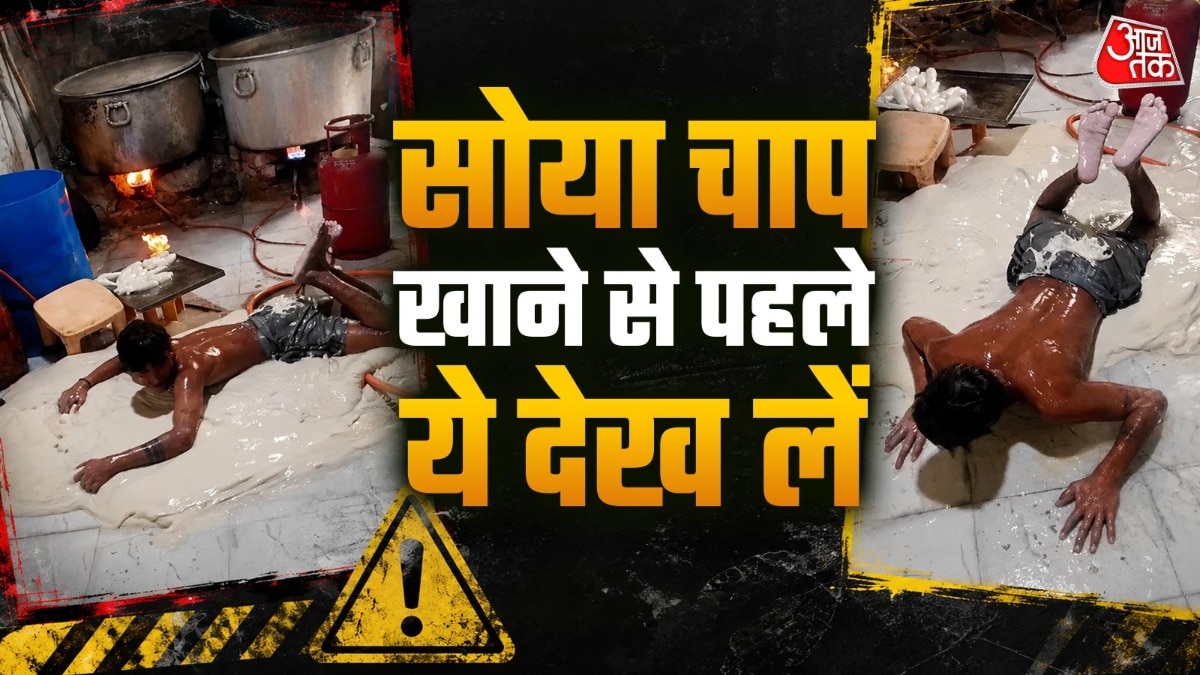
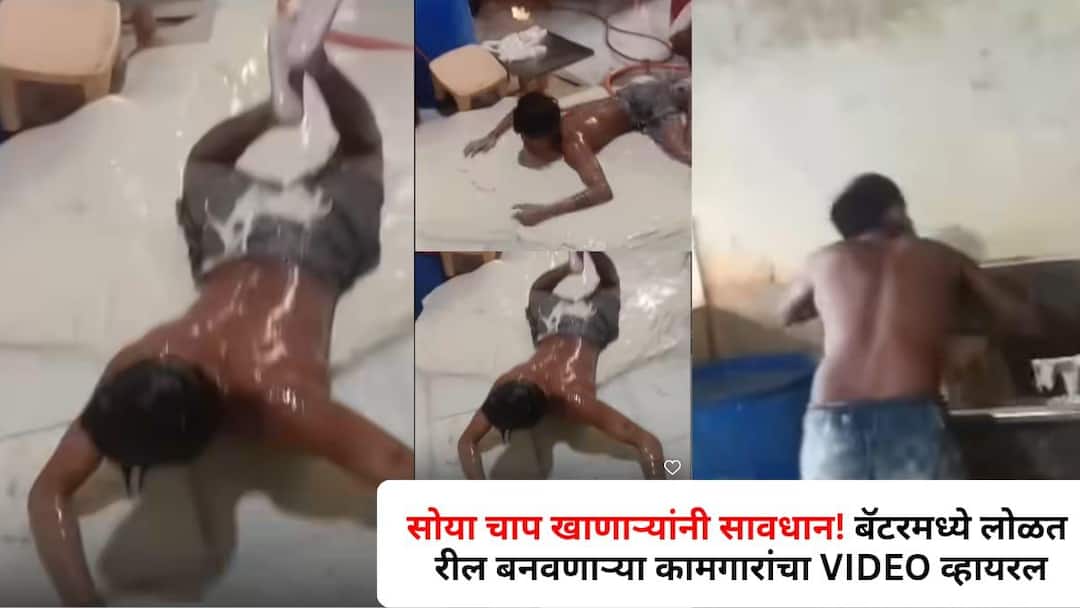
A shirtless worker lies sprawled on a wet, beige mass of dough. Another splashes water over him from a pipe as he slides across the floor, his body and bare feet kneading what viewers are told is soya chaap batter.
The 36–37 second clip, now known online as the “Noida soya chaap viral video”, has been forwarded across WhatsApp groups, circulated with captions about Noida Sector 27, and shared on X and Instagram as proof of “gutter chaap” hygiene.[9][10][12] It has disgusted consumers, triggered calls for FSSAI raids, and left many asking a simple question: is soya chaap safe to eat?

|https://timesofindia.indiatimes.com/etimes/trending/internet-horrified-after-viral-video-shows-man-being-dragged-through-soya-chaap-batter-leaves-viewers-shocked/articleshow/132643983.cms")
The harder question is different: how much of what you’ve seen is real, and how much is rumor?
Noida soya chaap viral video: what the clip actually shows
The soya chaap factory viral video is short but visually powerful.[4][10][12]
According to multiple reports:
- The video is around 36–37 seconds long.[10][12]
- One man, wearing only shorts, is seen lying on a large quantity of dough (described as soya chaap mix) spread directly on the floor.[9][10]
- Another man sprays water on him from a pipe while he rolls and slides through the mixture.[9][10]
- Additional workers and machinery are visible, suggesting some kind of food-production or processing unit.[12][15]
Viewers on X (Twitter) and other platforms have described the scene as “vomit-inducing” and “gutter chaap”, with many saying they will never eat soya chaap again.[9][5]
The clip is being widely shared with captions claiming it shows a soya chaap factory in Noida’s Sector 27.[4][9][12][13]
Where is this soya chaap unit? Noida, Sector 27, Agra – the location confusion
Despite the captions and hashtags, there is no confirmed official location for the video as of late July 2026.
Here is what different sources say:
- Many social media posts and several Hindi portals claim it is from Noida Sector 27.[9][12][13]
- Some local reports describe it as a unit in Greater Noida, again without formal confirmation.[10]
- The Times of India’s entertainment section notes that several media reports suggest the footage is not recent and may be an older video from Agra that has resurfaced with a new Noida claim.[5]
- Moneycontrol explicitly states that “the authenticity of the video and its location could not be independently verified” and that no official agency has confirmed whether the footage was filmed at the claimed location.[4]
Most importantly, Noida’s own food department says this video is not from Gautam Buddha Nagar (Noida).
- Aaj Tak’s fact-check, citing the Food Department, reports that officials examined the clip and stated: “this viral video is not from Gautam Buddha Nagar (Noida)”.[1][8]
- Officials cautioned that linking any disturbing video to a city based solely on social media claims is not correct without evidence.[1]
Local inspections have also failed to locate the facility shown in the video:
- Reporters and officials checked Sector 27, Atta Market in Sector 18, and other nearby areas, but did not find a matching unit.[3][10]
- As of the latest reports, no factory in Noida has been officially identified as the site of the clip.[1][3][4][5][10]
Bottom line on location and authenticity:
- The video is real footage of disturbing hygiene practices.
- The claim that it is from a Noida Sector 27 soya chaap factory is unverified and has been explicitly denied by the Gautam Buddha Nagar food department.[1][4][5]
- Some outlets suggest it may be older footage from Agra, but that also remains unconfirmed.[5]
For consumers, this matters because the outrage has been directed at specific markets and brands in Noida, despite a lack of verified evidence linking the clip to those businesses.
What did food safety authorities do after the video went viral?
Even without a confirmed location, the Noida soya chaap viral video has prompted action.
- The incident was taken up by the Food Safety & Drug Administration in Uttar Pradesh. Officials said the matter had come to their attention and an inquiry was underway to trace the source and check compliance.[10]
- Aaj Tak and TV9 Hindi report that the Gautam Buddha Nagar food department reviewed the clip and found no evidence linking it to any registered unit in Noida, but acknowledged the need to address broader hygiene concerns.[1][8][14]
- In neighbouring Ghaziabad, a food safety team conducted a raid on a soya chaap–related factory soon after the video went viral, with local reports stating that the factory operator was absconding and further investigation was in progress.[11]
There is, however, no public record yet of FSSAI or state authorities directly tying enforcement action to the specific unit seen in the clip.[4][5][10][14]
This gap between viral outrage and formal enforcement is central to understanding the story: the video has clearly exposed unacceptable practices somewhere, but the “where” and “who” remain unproven.
Is soya chaap safe to eat? Separating product from practice
The virality of the soya chaap factory viral video has led many consumers to ask: is soya chaap itself unsafe?
Scientifically and regulatorily, the answer depends on how it is made and handled.
What is soya chaap?
Soya chaap is a popular mock-meat or vegetarian protein dish made primarily from:
- Soy flour or soy protein
- Maida (refined wheat flour)
- Water, spices, and sometimes added fat or binders
The dough is typically kneaded, extruded or shaped around sticks, boiled or steamed, and then marinated and grilled at restaurants and stalls.
When prepared hygienically, using clean equipment and safe ingredients under FSSAI norms, soya chaap can be a reasonable plant-based protein option, though often high in refined flour, salt, and oil.
What makes soya chaap unsafe?
The Noida Sector 27 soya chaap video shows almost every basic food-safety rule being broken:
- Food is spread directly on the floor, allowing contamination from dust, footwear, insects and previous spills.[9][10][12]
- A worker’s bare torso and feet are in direct contact with the dough.[9][10]
- Water is being splashed without apparent controls, raising risks of microbial growth and cross-contamination.[12][14]
Under FSSAI’s Hygiene Rating and Food Safety & Standards (Licensing and Registration) Regulations, such practices would violate requirements for:
- Cleanable, non-absorbent food-contact surfaces
- Prohibition of direct body contact with food
- Adequate personal hygiene and protective clothing for workers
- Proper waste management and pest control
If a facility actually prepares food in this way, potential risks include:
- Foodborne illnesses from bacteria like E. coli, Salmonella, Staphylococcus aureus due to contact with skin, feet and dirty floors.
- Chemical contamination from cleaning agents or industrial residues on the floor.
- Physical contaminants (hair, stones, plastic fragments) entering the product.
These risks are not inherent to soya chaap as an ingredient, but to grossly unhygienic manufacturing conditions.
What this viral video means for the average Indian shopper
The core consumer lesson from the Noida soya chaap viral video is not that every soya chaap is “gutter chaap”, but that food safety in informal and semi-formal sectors is uneven and often invisible.[3][4][5][10][12]
Three key impacts for consumers:
- Distrust of street and small-unit foods
- Pressure on regulators to inspect more frequently
- Reputational risk for legitimate businesses
For shoppers, the challenge is learning to tell the difference between rumor, one-off violations, and systemic issues.
Regulatory and scientific background: how India polices food hygiene
India’s food safety framework is led by the Food Safety and Standards Authority of India (FSSAI) under the Food Safety and Standards Act, 2006.
Key points relevant to soya chaap and similar products:

- All food manufacturing units above a certain size must obtain FSSAI licenses, while smaller businesses require registration.
- Licensed units must meet schedule IV hygiene requirements: clean premises, safe equipment, proper drainage, pest control, and worker hygiene.
- Use of floors as direct food-contact surfaces and allowing workers to walk, lie or roll on food materials would be clear violations.
- FSSAI and state food safety departments conduct inspections, sampling and raids. Violations can lead to fines, cancellation of license, or even prosecution in severe cases.
Scientific guidance on foodborne disease emphasises that temperature, moisture and contamination are the main drivers:
- Wet, protein-rich dough like soya chaap batter is an excellent medium for microbial growth if left at ambient temperatures.
- Contact with skin, sweat, and dirty surfaces introduces pathogens that can multiply, especially in warm environments.
- Cooking can kill many bacteria, but toxins produced by some (e.g., Staphylococcus aureus enterotoxin) may remain.
Thus, starting with contaminated raw material is already a major safety breach, and no amount of grilling later can guarantee safety.
How to buy and eat soya chaap safely: practical checks
The viral clip has done one useful thing: it has forced many consumers to look more closely at how their favourite mock meat is made.
Here are practical steps you can take.
When buying packaged soya chaap
Look for:
- FSSAI license/registration number on the pack. This allows you to check if the brand is registered.
- Clear manufacturer name and address.
- Batch number, packed-on date and expiry date.
- Storage instructions (typically keep frozen or refrigerated).
Red flags:
- No FSSAI number or missing manufacturer details.
- Packaging that looks tampered, leaking, or improperly sealed.
- Products sold loose from unlabelled bags with no information.
When eating soya chaap at stalls or restaurants
Visibly check:
- Cleanliness of the preparation area: Is food kept off the floor? Are surfaces wiped and sanitised?
- Worker hygiene: Are staff wearing clean clothes, hairnets or caps, and gloves where appropriate? Are they touching money and food with the same hands?
- Storage: Is raw chaap kept chilled, covered and protected from dust and insects?
- Water use: Is water from a clean source, with no stagnant puddles near food?
Ask questions if needed:
- Where do they source their soya chaap? Packaged brand or in-house manufacturing?
- Do they have an FSSAI registration certificate displayed?
If you are unsure about hygiene, it is reasonable to avoid eating at that outlet, regardless of how popular it seems.
For made-to-order or in-house chaap units
For cloud kitchens, local factories or co-operative units making chaap:
- Visit the facility if you can, or check for videos/photos of their production areas.
- Look for stainless steel or food-grade plastic surfaces, not bare floors.
- Ensure workers do not come into direct body contact with food materials.
The lesson from the soya chaap factory viral video is simple: if a unit looks like the one in the clip, with dough on the floor and workers rolling in it, walk away.
What’s real, what’s fake: key takeaways for consumers
From the available evidence:
- Real: The video is a genuine clip showing grossly unhygienic handling of food-like material at some facility.[9][10][12]
- Unverified: The claim that it shows a Noida Sector 27 soya chaap factory is not confirmed by any official investigation, and has been explicitly rejected by the Gautam Buddha Nagar food department.[1][4][5]
- Real risk: If any unit operates in this manner, food safety risks are serious, including contamination and disease.
- Not universal: Legitimate, licensed manufacturers and restaurants are not automatically implicated by this clip. Consumers need to assess specific outlets and brands, not condemn an entire category.
For now, the video should be treated as a warning about what can go wrong when food hygiene collapses, not as definitive proof against every soya chaap you see.
Frequently Asked Questions
Is the Noida soya chaap viral video really from Sector 27?
Multiple media reports and social media posts claim the clip is from a soya chaap unit in Noida Sector 27, but this has not been officially verified.[4][9][12][13] In fact, the Gautam Buddha Nagar food department has stated that the viral video is not from Noida, and no specific factory has been formally identified.[1][5]
Is soya chaap safe to eat after this viral video?
Soya chaap as a product can be safe if manufactured and handled under proper hygiene and FSSAI standards. The video highlights dangerous practices at one unverified unit, not every brand or outlet; consumers should focus on buying licensed, well-handled products and avoiding visibly unhygienic stalls.[3][4][5][10]
What did the food department say about the Noida soya chaap video?
Noida’s food department reviewed the viral clip and said there is no evidence linking it to any facility in Gautam Buddha Nagar, cautioning against accepting social media claims as fact without verification.[1][8][14] The case has nevertheless prompted broader inspections and at least one raid in nearby Ghaziabad.[10][11]
How can I tell if a soya chaap brand or outlet is hygienic?
Check for an FSSAI number, clear manufacturer details, and proper packaging on retail products. At stalls or restaurants, look at the cleanliness of surfaces, how workers handle food, whether raw chaap is stored chilled and covered, and whether there is any contact between food and floors or bare bodies; if conditions resemble those in the viral video, it is safer to avoid eating there.[3][9][10]
Should I stop eating street food or mock meat like soya chaap altogether?
The viral video underscores real hygiene problems in some informal units, but it does not prove that all street food or mock meat is unsafe. Choosing outlets that appear clean, use packaged inputs from licensed brands, and follow visible hygiene practices can significantly reduce risk while allowing you to enjoy these foods in moderation.