Paper Boat ants in packet video: what it means for tetrapack safety
A viral video alleging ants in a sealed Paper Boat tetrapack is fuelling panic. We dissect what’s known, how tetrapack lines work, and how consumers can act.
A hand holds up a sealed Paper Boat Lychee Jello Mello tetrapack, the camera zooming in on dark specks floating inside the cloudy white drink.
In the viral clip, the creator insists they are ants that were inside the pack before opening it.
Within hours, the "Paper Boat ants in packet video" had exploded across Instagram, Twitter, WhatsApp forwards, and Reddit threads.
The allegation is simple and alarming: a popular children's beverage may have shipped with dead ants sealed inside the pack.
For a country that increasingly trusts packaged drinks over street vendors, this kind of contamination claim hits hard.
It also raises bigger questions: How safe are tetrapack beverages in India? What happens on those filling lines? And what can consumers do if they find something wrong?
Paper Boat ants in packet video: What exactly happened?
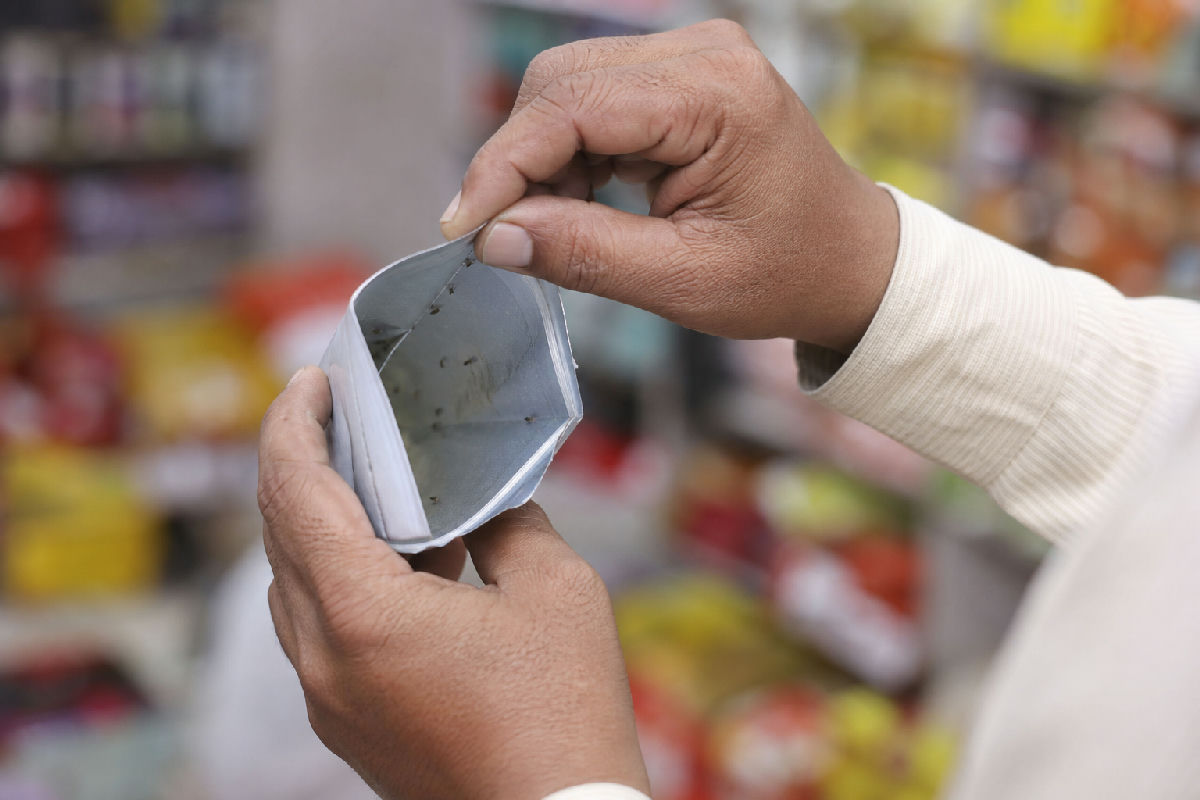
The story began when a consumer posted a short video on Instagram Reels showing a Paper Boat drink pack that had allegedly just been opened, revealing multiple ant-like insects inside the beverage.
The pack shown in the video appears to be Paper Boat Lychee Jello Mello with Vitamin D.[3]
In the clip and accompanying captions, the consumer claims:
- The pack was fully sealed before opening.[2][3]
- On cutting it open, they found several ants inside the liquid.[2][5]
- They filmed close-up shots to show the insects floating in the drink.[2]
The original complaint video has since been stitched, duetted, and re-uploaded by others, including consumer-rights themed accounts and meme pages, with captions warning people about "Paper Boat juice contamination" and asking whether this could happen with other brands too.[3][4]
Multiple reposts on Instagram and Facebook repeat variations of the same claim: ants found in a sealed Paper Boat pack, raising doubts about hygiene on the filling line and batch safety.[2][5][6]
As of the latest available posts:
- Influencer-style videos are asking why Paper Boat hasn't given a public explanation yet and demanding batch-level investigation.[3][6]
- Some commenters insist the video must be fake or staged, while others say they have "lost trust" in tetrapack drinks and will avoid Paper Boat for now.[3]
There is, however, one crucial fact at this stage: everything we know comes from consumer-generated content.
No independent lab test report, no official regulator notice, and no detailed company statement has yet confirmed exactly what was in that pack.
Has Paper Boat responded to the ants complaint?
Several viral caption overlays explicitly say "Paper Boat hasn't responded yet" and call on the brand to issue a clear statement, trace the batch, and release test results.[3][6][7]
From the available posts:
- Commenters are tagging Paper Boat’s official handles, asking if the brand has initiated an internal audit or recalled the batch.[3]
- At least one Facebook video urges the company to check whether contamination occurred during manufacturing or filling, especially if the pack was truly sealed.[6][7]
As of the latest social media material indexed, there is no detailed public response from Paper Boat explaining the incident, confirming or contesting the ants claim, or announcing a recall.
That silence is part of why the "Paper Boat juice contamination real or fake" question is trending on Google and being debated on Reddit.
This leaves consumers in a familiar, uncomfortable space: a serious allegation, high virality, but limited verified facts.
How tetrapack beverage lines work in India
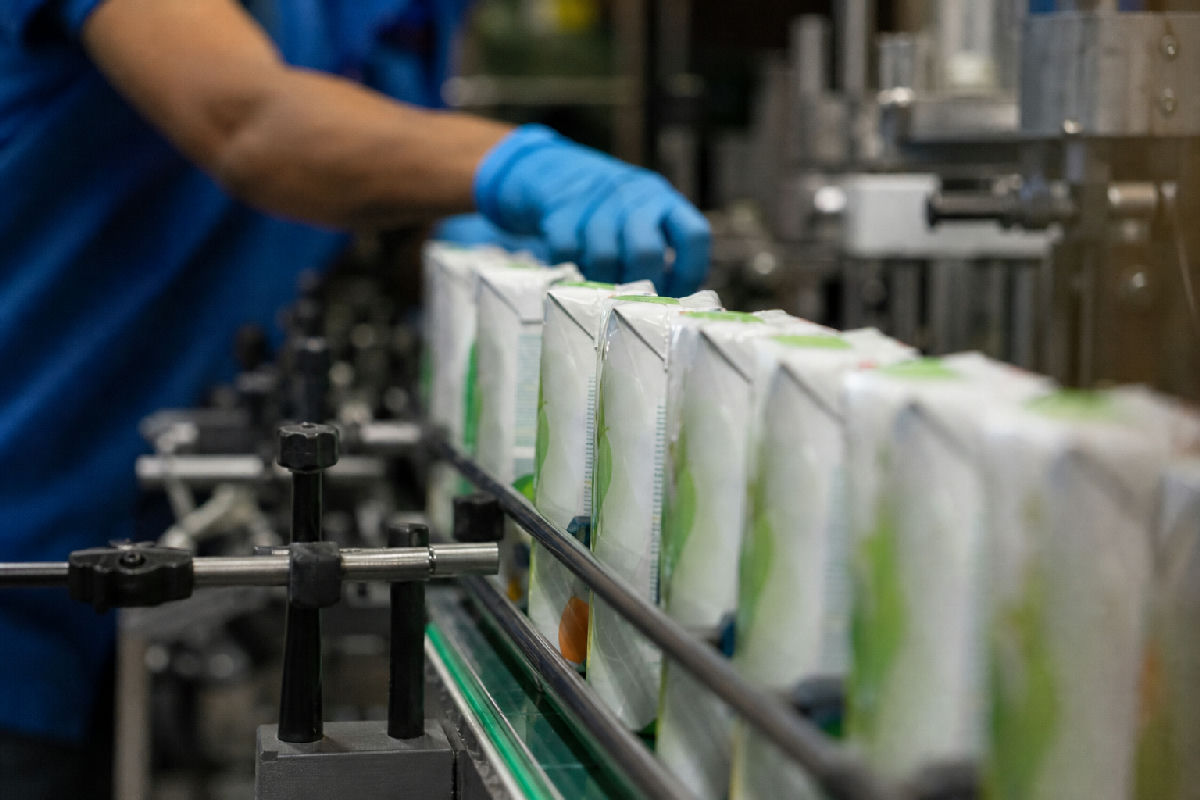
To understand whether ants in a sealed pack are even plausible, we need to look at how tetrapack drinks are made.
Most modern beverage plants using Tetra Pak‑type cartons follow these core steps (as described by packaging industry literature and FSSAI guidance on aseptic processing):
- Pre-treatment of the drink
- Carton forming and sterilisation
The interior of the pack is treated (for aseptic packs, typically with sterile air and chemical sterilants) before filling.
- Aseptic filling
Human contact is minimal.
- Sealing and coding
Under normal conditions, large foreign objects like ants should not be able to enter the pack after sealing.
If an insect were present at filling, it would suggest either:
- A failure in pre-filtering the drink (unlikely for a solid insect), or
- A breach in hygiene at the point where the open pack is exposed before sealing (more plausible if insects are present near the line).
Yet, these lines are usually designed to minimise open exposure, and plants are audited under Food Safety and Standards Authority of India (FSSAI) rules, plus brand and third-party quality standards.
So the key possibilities in any such case include:
- Pre-opening contamination: Ants somehow entered the pack during manufacture/filling because of a hygiene or equipment failure.
- Post-opening contamination: Ants entered the liquid after the pack was opened, but the video or photos make it appear as though they were present before.
Without controlled investigation and batch-level data, we cannot determine which scenario applies to this specific Paper Boat ants in sealed pack claim.
Tetrapack beverage contamination in India: What we already know
The Paper Boat incident is not happening in a vacuum.
Indian consumers have long raised complaints about foreign objects in packaged foods and drinks, including:
- Worms in sealed snack packets.
- Mold or insects in bottled beverages.
- Plastic or metal fragments in ready-to-eat foods.
FSSAI’s complaint data shows that foreign body contamination is among the common grievances submitted against packaged products, even if only a fraction go viral.
When contamination is proven, regulators may:
- Order corrective actions at the plant.
- Initiate product recalls.
- Issue fines or prosecute under the Food Safety and Standards Act.
In aseptic packaging (like most tetrapacks), contamination usually falls into one of these categories:
- Physical contamination: insects, glass, plastic, metal.
- Microbial contamination: mold, yeast, bacteria due to process failure.
The Paper Boat juice contamination real or fake debate online reflects this broader anxiety: consumers want to know if the risks are systemic or isolated, and whether what they see on social media can be trusted.
Is Paper Boat safe to drink now?
The most pressing Google query at the moment is: "Is Paper Boat safe to drink now"?
Based on currently available information:
- We have one widely shared complaint video alleging ants in a sealed pack.[2][3][5]
- We do not yet have lab test reports, regulatory findings, or admissions from the company confirming what the foreign objects are.
- There is no publicly announced recall of Paper Boat products or specific batches linked to this incident.
In food safety investigations, one unverified video is treated as a signal, not proof.
Signals matter; they should trigger company and regulator action.
But until that process runs its course, consumers must balance caution with evidence.
A reasonable consumer approach would be:
- Do not consume any pack that looks or smells unusual, feels puffed, or shows particles not typical of the drink.
- Check the batch number, date of manufacture, and plant code printed on your Paper Boat pack.
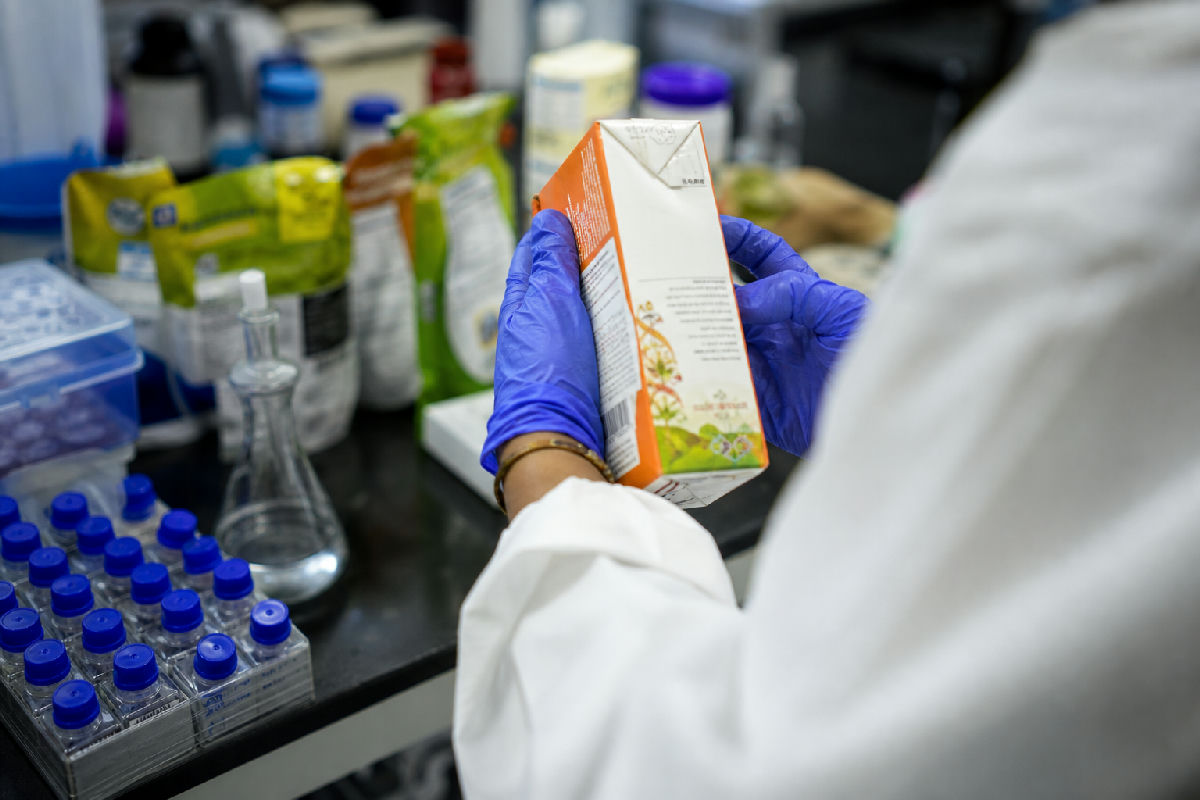
- If you find any foreign material in the pack, photograph it clearly, preserve the pack, and file a formal complaint (steps below).
If multiple independent complaints emerge tied to the same batch, the risk assessment changes.
At that point, an FSSAI alert or brand recall would be expected.
Until then, it is accurate to say: the risk from this specific incident remains unquantified, and consumers should rely on their own inspection plus official advisories where available.
How to complain to FSSAI about a packaged drink
One positive outcome of viral stories like the Paper Boat ants video is that more consumers want to know how to complain to FSSAI about a packaged drink when something goes wrong.
Here is a practical, step-by-step approach:
1. Preserve evidence
- Do not throw away the pack.
- Keep the remaining contents, including the alleged contaminant, in the original carton if possible.
- Take clear photos and videos showing:
- The batch number, manufacturing date, and plant code printed on the pack.
- The full front and back of the pack.
2. Contact the brand’s consumer helpline
Most packaged drinks, including Paper Boat, carry a customer care number or email on the pack.
Write or call with:
- Date and time of purchase.
- Store or platform where you bought it.
- Batch details printed on the pack.
- Description of the problem.
- Your photos and videos.
Under Indian law, brands are expected to respond to genuine safety complaints and may ask to collect the sample for testing.
3. File an FSSAI complaint
FSSAI offers multiple channels for food safety complaints:
- Food Safety Connect portal / app: Consumers can lodge complaints with details and upload photos.
- State food safety departments: Each state has designated officers and helplines.
In your complaint, include:
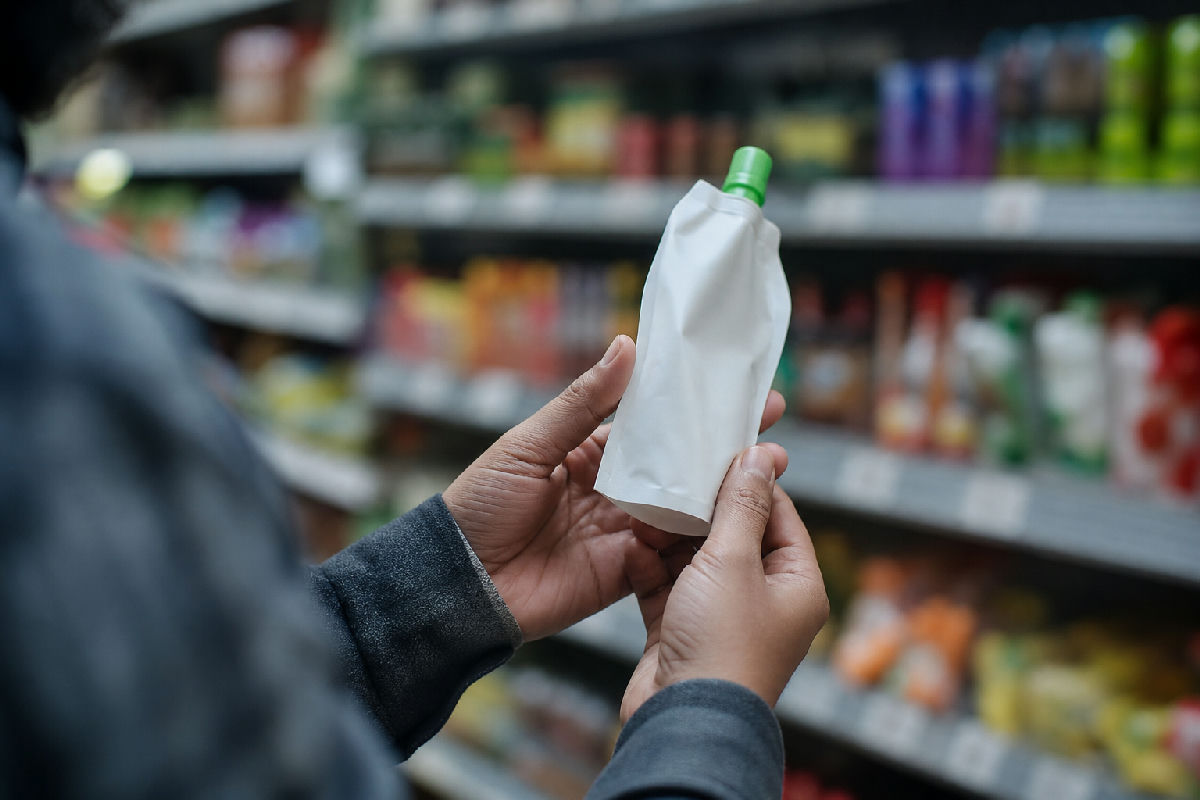
- Product name (Paper Boat Lychee Jello Mello, etc.).
- Manufacturer details from the pack.
- Batch number and date of manufacture.
- Description of contamination (e.g., insects in sealed pack).
- Photos/videos and any brand response received.
Regulators use such complaints to prioritise inspections, sampling and possible enforcement.
One well-documented case can trigger wider sampling of the brand’s products.
4. Escalate if you suffered harm
If you or your child experienced illness after consuming a contaminated product:
- Seek medical attention immediately.
- Preserve medical reports and bills.
- Mention health impacts clearly in your FSSAI complaint.
Under the law, serious harm from unsafe food can lead to stronger action, including prosecution.
Which Paper Boat batches should consumers avoid?
Many WhatsApp forwards now ask: "Which Paper Boat batches should we avoid after the ants incident?"
At this point, there is no publicly available batch-level information from:
- Paper Boat (the brand).
- FSSAI or state food safety authorities.
No official alert has been issued naming specific batch numbers as unsafe or under recall.
The viral videos do sometimes show partial batch codes, but:
- They are not always fully legible.
- They have not been validated by an independent authority.
Given this, it would be misleading to single out any batch or date as unsafe purely from screenshots.
The cautionary advice is:
- When you see any suspicious pack, check the batch number and date.
- If you find contamination, record those codes in your complaint.
- If FSSAI or Paper Boat later publishes a recall notice, match your packs against that list and avoid consuming recalled batches.
Until formal notices are issued, batch avoidance based solely on viral clips is speculative.
What consumers should do when a viral contamination video appears
Stories like Paper Boat ants in packet video spread faster than official investigations.
To protect yourself without falling for misinformation, you can follow a balanced checklist:
- Treat every viral food video as a red flag, not a final verdict.
- Check your kitchen and recent purchases.
Avoid consuming anything that looks abnormal.
- Demand transparency from brands.
- Use official complaint channels, not just social media.
- Stay updated via credible news and regulator announcements.
For donteat.in readers, the guiding principle is simple: be cautious, be documented, and be evidence-driven.
The bigger picture: trust, marketing and tetrapack hygiene
Paper Boat built its brand on nostalgia, regional flavours and a perception of "home-style" authenticity.
Its packs often feature bright colours and childhood references.
But once you step into an industrial beverage plant, what matters is not storytelling; it is process control.
India’s tetrapack ecosystem relies on:
- Complex machinery that must be maintained and cleaned to strict standards.
- Worker training to avoid lapses in hygiene.
- Regular audits by internal teams and, sometimes, external certifiers.
When a viral video alleges something as visible and unsettling as ants in a sealed pack, it pierces the protective aura created by marketing.
Whether this particular case is ultimately confirmed or debunked, it highlights structural questions:
- Do brands publish enough data on line incidents and corrective actions?
- Are consumers given timely, detailed responses when they report contamination?
- Should FSSAI require more public disclosure of food safety audit outcomes for mass-market beverage plants?
Until those gaps narrow, each controversy — from worms in chips to insects in juice — will keep eroding public trust, one reel at a time.
Frequently Asked Questions
Is the Paper Boat ants in packet video real or fake?
The viral videos appear to show ant-like insects inside a Paper Boat drink that the consumer claims was sealed before opening. However, there is no independent lab report or official regulator finding yet confirming what those objects are or how they entered the pack, so the incident remains unverified.
Is Paper Boat safe to drink now?
There is currently one widely shared complaint about ants in a sealed pack, but no announced recall or confirmed regulatory action linked to specific Paper Boat batches. Consumers should inspect each pack carefully, avoid drinking anything that looks or smells abnormal, and report any contamination to the brand and FSSAI.
How do I complain to FSSAI about a packaged drink?
Preserve the offending pack and its contents, take clear photos and videos showing the contamination and all printed codes, and first contact the brand’s customer care. Then file a complaint through FSSAI’s official channels (such as the Food Safety Connect portal or state food safety departments), attaching all evidence and details of any health effects.
Which Paper Boat batches should I avoid after this incident?
As of now, neither Paper Boat nor FSSAI has publicly named specific batches for recall or heightened risk related to the ants complaint. Do not consume any suspicious pack; if you find contamination, report the exact batch number and date so regulators can investigate and, if needed, issue batch-level advisories.
Can ants or insects really get into sealed tetrapack beverages?
Modern aseptic tetrapack lines are designed to minimise contamination, and large foreign objects like ants should not enter a pack after sealing. If insects are genuinely found inside a sealed pack, it usually indicates a serious hygiene or process-control failure at the point where the pack is open during filling, which is why thorough investigation is essential.