Paul bakery worm video Gurugram: what the viral reels reveal about India’s food safety gaps
Two viral videos – a live worm in a Gurugram sandwich and maggots in a Pune pastry – have pushed PAUL India into the spotlight and exposed how fragile restaurant hygiene enforcement remains.
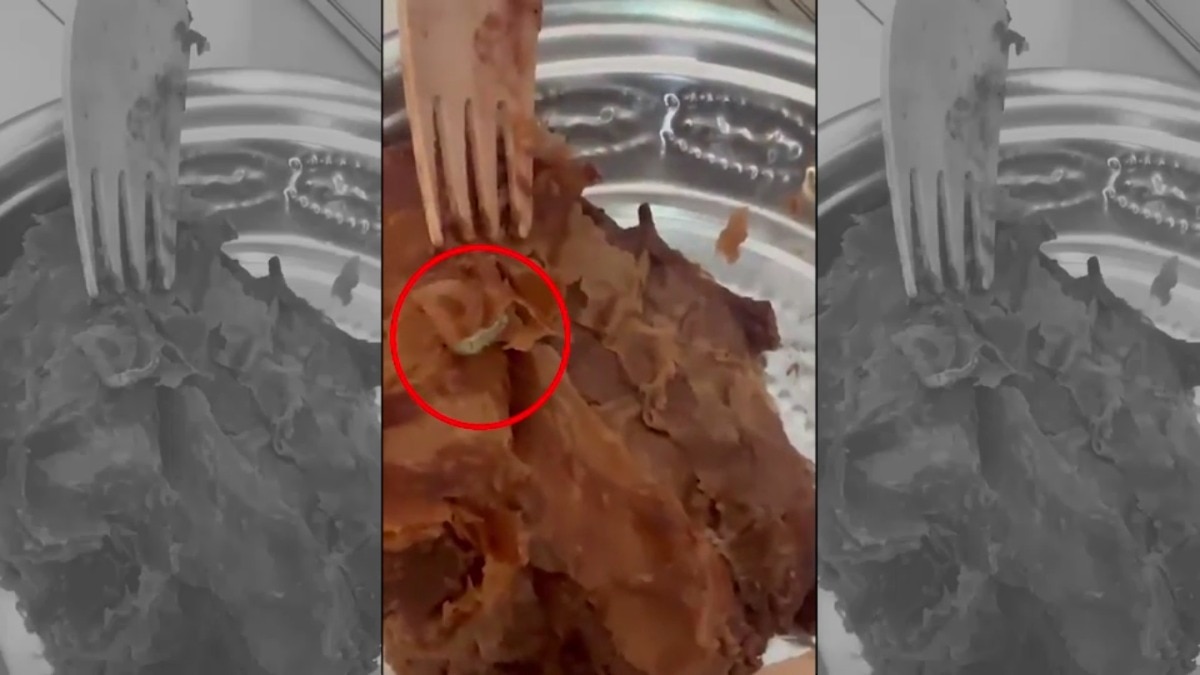
On a recent August morning in Gurugram’s upscale One Horizon Centre, a group of friends sat down for what was meant to be a leisurely breakfast at PAUL, the French café chain that has come to define “posh” bakery culture in Indian metros.
Halfway through his sandwich, one of them, identified in reports as Sulabh Mathur, noticed something moving inside the bread.
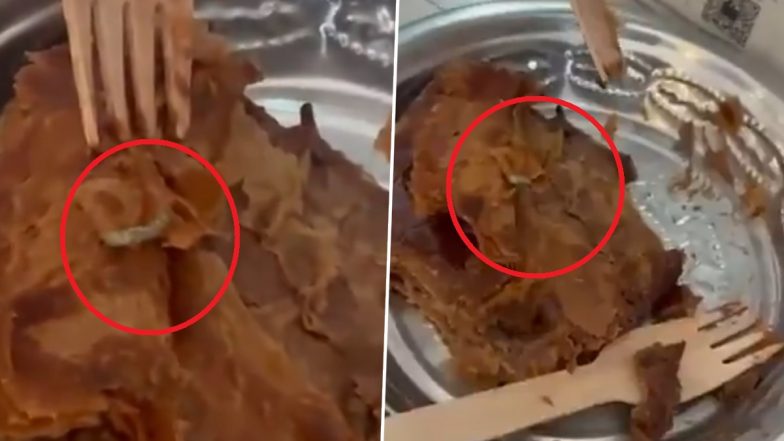
He took out his phone, hit record, and captured what looked unmistakably like a live worm crawling through his sandwich.
Within days, the “Paul bakery worm video Gurugram” had crossed well over a million views on Instagram, igniting a chain‑wide scandal and a national conversation about food safety.
Paul bakery worm video Gurugram: how one reel became a national alarm bell
According to coverage by News18 and other outlets, Mathur visited the PAUL One Horizon Centre, Gurugram outlet on 21 August 2026 around 11 a.m. with friends and ordered six to seven dishes for breakfast.
After finishing roughly half of his sandwich, he says he spotted a white, near‑invisible worm moving inside the bread.
He immediately started filming, showing the wriggling insect and the shocked reactions of people at his table.
The video was later posted to Instagram, tagged to PAUL India’s official handle and shared across platforms.
Times of India and television channels including NDTV, India Today, News18 and others describe the clip as “rapidly going viral,” with some reports citing over 1.3 million views on Instagram in just a few days.
News reports say PAUL responded with a public apology on social media, stating that the incident “does not reflect the standards we strive to uphold” and that the chain takes food safety, hygiene and quality extremely seriously.
The brand also claimed to have launched an internal investigation.
NDTV’s video segment titled “Live Worm Found In Sandwich At Posh Gurugram Restaurant” framed the incident as emblematic of a wider issue: if this can happen at a high‑end European café, what does it say about upscale restaurant hygiene in India?
From Gurugram to Pune: Paul Pune maggot pastry video adds fuel to the controversy
If PAUL hoped the Gurugram apology would contain the damage, the next development made that far more difficult.
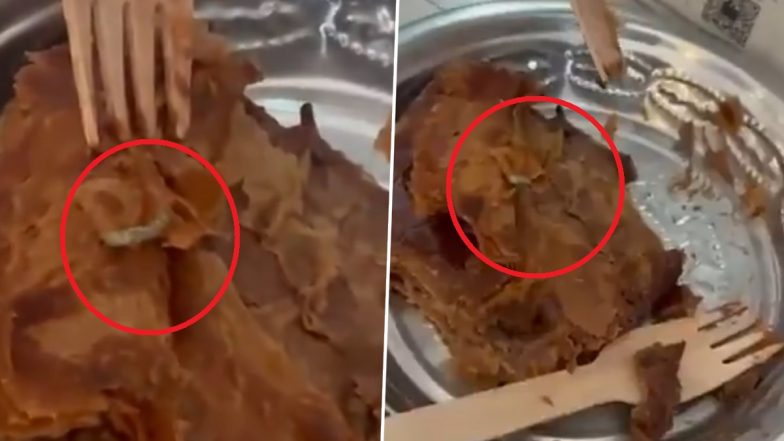
Within days, fresh reports emerged from Pune, where a customer alleged finding a live worm or maggot inside a pastry/dessert bought as takeaway from PAUL’s outlet at Phoenix Marketcity, Viman Nagar.
Moneycontrol and India Today report that Pune resident Vinod Tilekar purchased a pastry from PAUL’s Phoenix Mall outlet and later noticed what appeared to be a live worm moving inside the dessert.
He filmed the pastry, showing the organism inside, and shared the clip on social media.
The “Paul Pune maggot pastry video real” soon joined the Gurugram reel in news montages and panel debates.
Latestly reports another complaint from journalist Pallavi Ghosh, who posted a video on X (Twitter) alleging live maggots in a bakery product purchased from a PAUL Pune outlet.
Headlines like “PAUL India Under Fire Again; Viral Video Shows Live Maggots Found in Bakery Product at Pune Outlet” describe this as the second serious public complaint against the chain within a short span.
India Today, NDTV and other TV channels started running back‑to‑back segments: worm in sandwich, maggot in dessert, Gurugram then Pune, all under the umbrella of “Paul India food safety controversy”.
NDTV’s broader panel discussion on “Worms, Roaches, Fungus” explicitly referenced the PAUL Pune dessert case as part of a larger montage of recent horror videos from different restaurants.
FDA action: is Paul bakery safe in Pune and Gurugram?
For many consumers, the most pressing question is simple: is PAUL bakery safe to eat at now? And what have regulators done?
In Gurugram, coverage has focused largely on PAUL’s public apology and internal probe rather than visible enforcement action.
There is no widely reported instance yet of Haryana’s food safety department issuing a closure order for the outlet, though inspections are typically triggered by such incidents.
In Pune, the situation appears more formal.
India Today reports that the Maharashtra Food and Drugs Administration (FDA) has said it will take suo motu cognizance of the complaint and investigate the PAUL Phoenix Marketcity outlet.
That means the state regulator intends to act even without a formal written complaint, based on the viral video itself.
Television coverage on India Today and other channels has described PAUL Pune as “under scanner”, with anchors asking whether authorities will temporarily shut or penalise the outlet pending inquiry.
As of the latest reports, there is no public statement from PAUL’s Pune outlet, and no detailed FDA inspection report has been placed in the public domain.
This lack of transparent outcomes is part of what’s driving anxiety on social media, where people are asking: “is Paul bakery safe FDA action Pune Gurugram” and sharing their own experiences at different outlets.
Why worms and maggots in food matter: the science and hygiene failures
Seeing a worm or maggot in food is visually shocking, but it’s also a marker of specific hygiene lapses.
In simple terms:
- Live worms in bread or salad are typically larvae of insects (such as flies) that have laid eggs on raw or improperly stored ingredients.
- Maggots in desserts or pastries indicate contamination during preparation, storage, or display – often when food is exposed without proper temperature control or insect‑proof covers.
Scientifically, the risks depend on species and contamination level.
Most healthy adults may not fall gravely ill from accidental ingestion of one larva, but the presence of live worms strongly suggests broader microbial contamination – bacteria like Salmonella, E. coli, Staphylococcus aureus, or fungi that can cause food poisoning, diarrhoea, vomiting and infections.
The Food Safety and Standards Authority of India (FSSAI) classifies such contamination as a serious violation under its rules for unhygienic conditions, pest control failures and unsafe food.
Restaurants and bakeries are required to:
- Maintain pest‑free premises.
- Keep raw and ready‑to‑eat foods covered.
- Follow cold chain standards for desserts and high‑risk items.
- Train staff in food handling hygiene.
The presence of a live worm in a served dish is strong prima facie evidence that these conditions were not properly maintained at that time.
Upscale restaurant complacency: why this scandal struck a nerve
The PAUL videos would likely not have gone this viral if they involved a tiny, unknown eatery.
PAUL is a globally recognised French bakery brand, positioned in India as a premium, European café where you pay significantly more than at local bakeries.
Customers assume that high prices and brand reputation come with strict hygiene and quality control.
Footage of a “live worm sandwich posh Gurugram restaurant” directly attacks that belief.
This is why television anchors have repeatedly used PAUL as a symbol of upscale restaurant complacency: the idea that some chains focus more on ambience, branding and Instagram‑friendly plating than on everyday food safety operations.
NDTV’s “worms, roaches, fungus” montage places PAUL alongside other recent horror videos – cockroaches in biryani, fungus in packaged foods – to argue that video evidence is rapidly becoming the main enforcement trigger in India’s food system.
Consumers now reach for their phones rather than feedback forms.
India’s food safety gaps: what Paul India controversy reveals
The Paul India food safety controversy is not just about one brand.
It exposes several systemic gaps:
- Reactive enforcement
- Fragmented oversight of chains
- Weak public transparency
- Brand‑centric communication, not consumer‑centric
Consumers still do not know:
- What exactly went wrong in the Gurugram kitchen.
- Whether batches of ingredients were recalled.
- Whether any staff were retrained or dismissed.
- Limited recourse for diners
When an international chain’s outlets in two cities face back‑to‑back worm complaints within days, it raises the possibility of deeper process or supply chain issues, not mere isolated mistakes.
What this means for you as an Indian consumer
For the average shopper and diner, the PAUL videos are not just another scandal to scroll past.
They highlight everyday questions:
- If a high‑end bakery can serve live worms and maggots, what about the neighbourhood café with no public scrutiny?
- Are desserts, salads and sandwiches inherently higher‑risk when hygiene is lax?
- How can you know if FDA action has been taken against an outlet you visit?
In practical terms, consider the following in the coming weeks:
- If you are a regular at PAUL outlets in Gurugram or Pune, you may want to wait until clear regulatory inspection outcomes are reported or the brand offers a detailed, transparent explanation of corrective steps.
- If you do continue visiting, pay attention to visible hygiene cues: cleanliness of display counters, presence of flies, staff handling food with bare hands, and temperature of chilled products.
- Remember that posh ambience is not a food safety guarantee.
Practical steps: what to do if you find contamination in your food
If you ever find a worm, maggot, insect or other contamination in food served at a restaurant or sold by a bakery:
- Document immediately
- Record the outlet’s name, location, date and time.
- Inform the outlet on the spot
- Note their response: do they apologise, take the item back, offer to file an incident report?
- Do not quietly accept “replacement” food
- File an official complaint
- You can submit complaints via helplines, email, or online forms, attaching your evidence.
- Consider posting publicly, but responsibly
- However, ensure your footage is accurate and not misleading.
- Seek medical advice if unwell
How chains like Paul should respond – and what to look for
For a chain facing a scandal of this magnitude, genuine corrective action should go beyond a short Instagram statement.
Consumers should expect and look for:
- Detailed incident reports explaining what the investigation found.
- Specific corrective measures, such as:
- Revised pest control protocols.
- Staff retraining and revised SOPs.
- Public sharing of inspection outcomes from FDA or FSSAI, at least in summary form.
When brands and regulators provide such clarity, it becomes easier to answer “is Paul bakery safe” with more confidence.
Until then, the presence of two highly publicised worm/maggot videos from PAUL outlets in Gurugram and Pune within days is a strong signal that consumers should remain cautious.
Frequently Asked Questions
What exactly happened in the Paul bakery worm video in Gurugram?
A customer at PAUL’s One Horizon Centre outlet in Gurugram says he discovered a live worm inside his half-eaten breakfast sandwich and filmed it. The video was posted on Instagram, went viral with over a million views, and led to a public apology from PAUL India.
Is the Paul Pune maggot pastry video real, and what did authorities do?
Multiple news outlets report that a Pune customer filmed what appeared to be a live worm or maggot inside a pastry from PAUL’s Phoenix Marketcity outlet and shared it on social media. Maharashtra’s FDA has said it will take suo motu cognizance and investigate, but detailed inspection findings have not yet been made public.
Is Paul bakery safe to eat at now in Gurugram and Pune?
PAUL has issued an apology and claims to take food safety seriously, but two recent worm/maggot complaints raise legitimate concerns. Until regulators publish clear inspection results and the brand explains its corrective actions in detail, consumers may prefer to be cautious or choose alternatives.
What did FSSAI or FDA say about the Paul India food safety controversy?
State-level regulators, particularly Maharashtra’s FDA, have indicated they will investigate the Pune outlet based on the viral video. There is, however, limited publicly available detail on specific findings or penalties, highlighting broader transparency gaps in India’s food safety enforcement.
What should I do if I find a worm or maggot in food from any bakery or restaurant?
Immediately document the incident with clear photos or video, inform the outlet’s manager, and avoid simply accepting a replacement dish. File a formal complaint with your state food safety authority, and seek medical advice if you develop symptoms like vomiting, diarrhoea or severe stomach pain.