PepsiCo Fake Expiry Date India Raid: What Consumers Need to Know
Reuters reporting links a Mumbai-region warehouse to alleged date and nutrition tampering on export-bound branded products, but leaves key consumer questions unresolved.
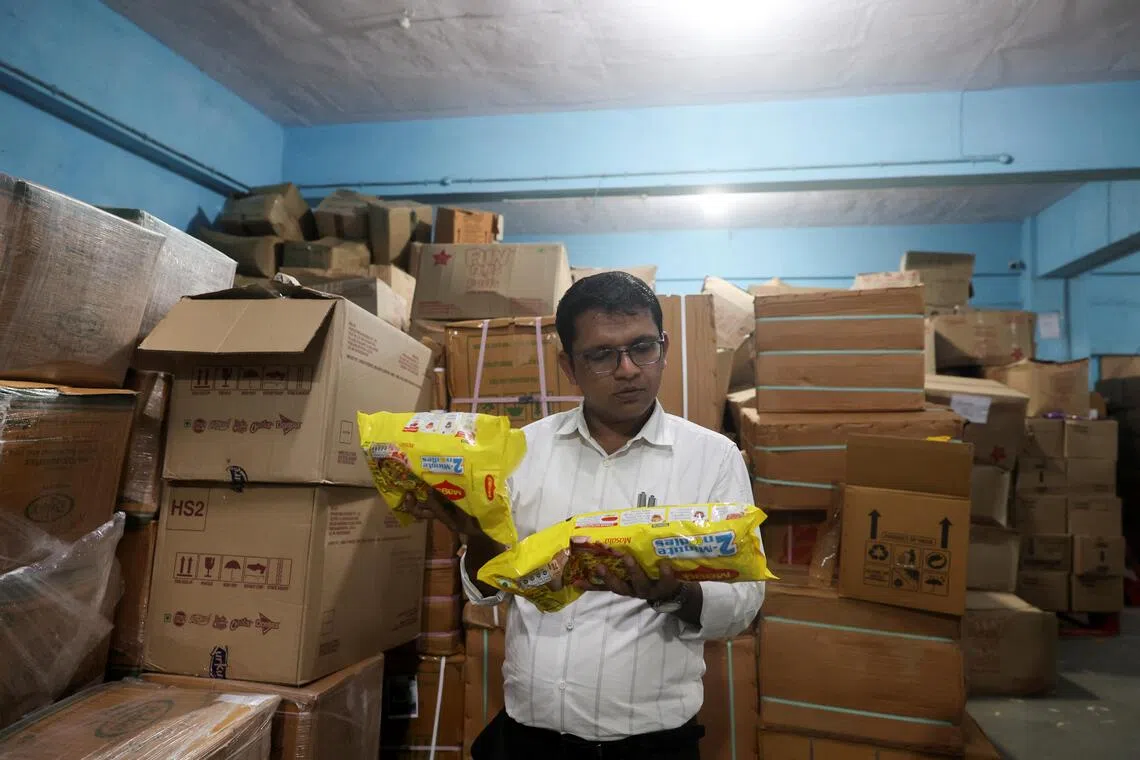
A warehouse raid in Navi Mumbai has put a disturbing question before Indian consumers: were expiry dates and nutrition panels being changed on products associated with PepsiCo, Nestlé, Coca-Cola and Unilever? Reuters reported that Indian authorities seized nearly US$80,000 in goods, along with chemicals and printing equipment allegedly used to replace dates and nutritional information on export-labelled food and drinks.[1][2]
The evidence establishes an alleged relabelling operation involving products made by major brands. It does not establish that the companies themselves ordered or carried out the fraud, nor does it show that all products sold in India were affected.
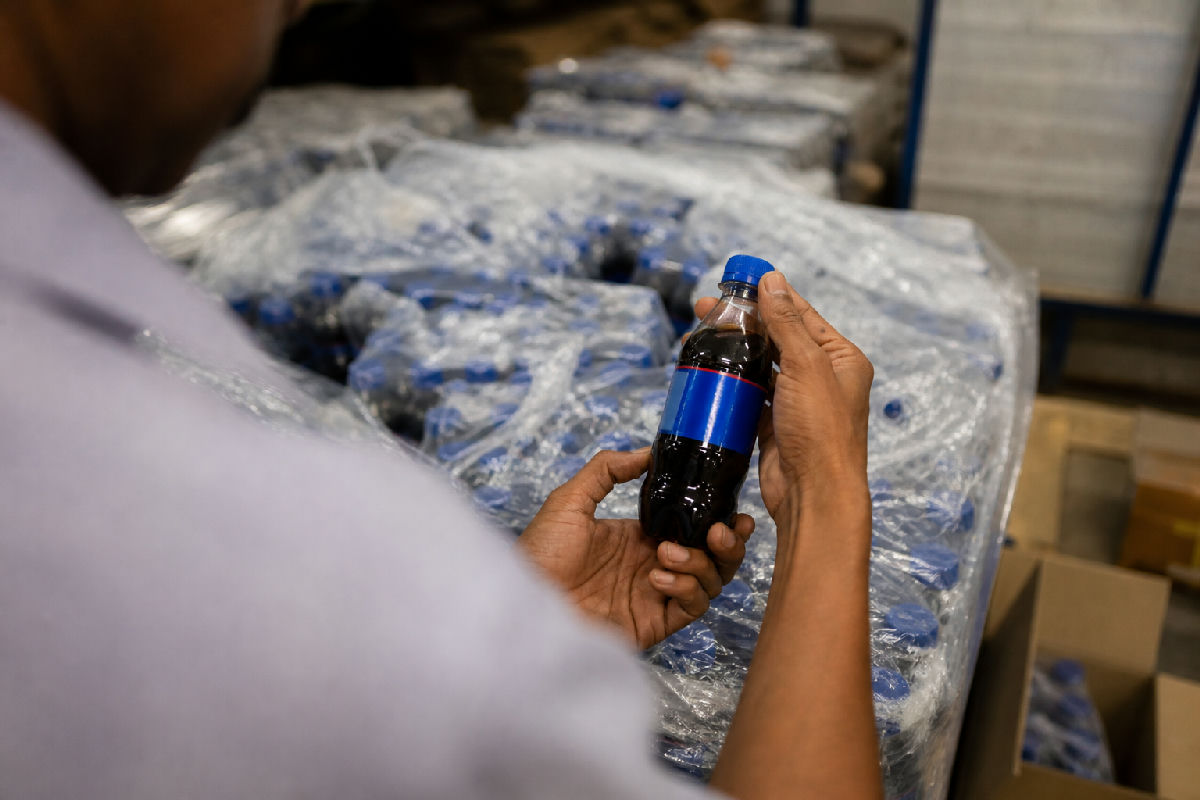
PepsiCo fake expiry date India: what the raid actually found
The investigation concerns a warehouse in the Mumbai region inspected by Maharashtra food authorities in late August 2026. Reuters reported that the operation lasted six days and that officials found products that were expired or close to expiry, then allegedly altered labels to make them suitable for export.[2]
The reported findings included:
- Dates allegedly replaced: Chemicals and printing machines were reportedly used to remove or cover manufacturing and expiry information.[2]
- Nutrition information allegedly changed: A Kurkure packet photographed inside the warehouse carried nutrition information in English and French, resembling the format used for Canadian imports.[2]
- Export stock, not confirmed domestic retail stock: Officials said the seized goods were intended for export, although the destination countries were not immediately clear.[2][3]
- Nearly 5,000 cartons reportedly involved: NDTV reported that the warehouse contained products including Lay’s, Kurkure, Maggi, Knorr, Hellmann’s, Thums Up and Limca.[4]
- Goods worth nearly $80,000 seized: Reuters reported the value of the seized products and equipment at approximately US$80,000.[1][2]
The central allegation is therefore not that PepsiCo, Nestlé or Coca-Cola manufactured fake products. It is that an intermediary allegedly altered genuine branded products after manufacture. Brand appearance in a raid report is not, by itself, proof of corporate involvement.
Nestlé fake label raid India: why export labels look different
Export-labelled food can legitimately carry information that differs from packaging sold in India. Importing countries may require different languages, serving-size formats, allergen declarations, nutrition panels, country-of-origin wording and date conventions.
That difference is important, but it does not make an altered label legitimate. A product prepared for Canada, for example, may need English and French information; that explains the format reported on the Kurkure packet, but not an allegedly changed expiry date.[2]
Indian packaged-food labels are governed primarily by the Food Safety and Standards Authority of India, or FSSAI, under food-safety and labelling rules. A packaged product normally needs mandatory details such as the product name, ingredients, nutrition information, net quantity, batch or lot number, date marking, manufacturer or packer details and consumer-care information.
Consumers should distinguish three separate issues:
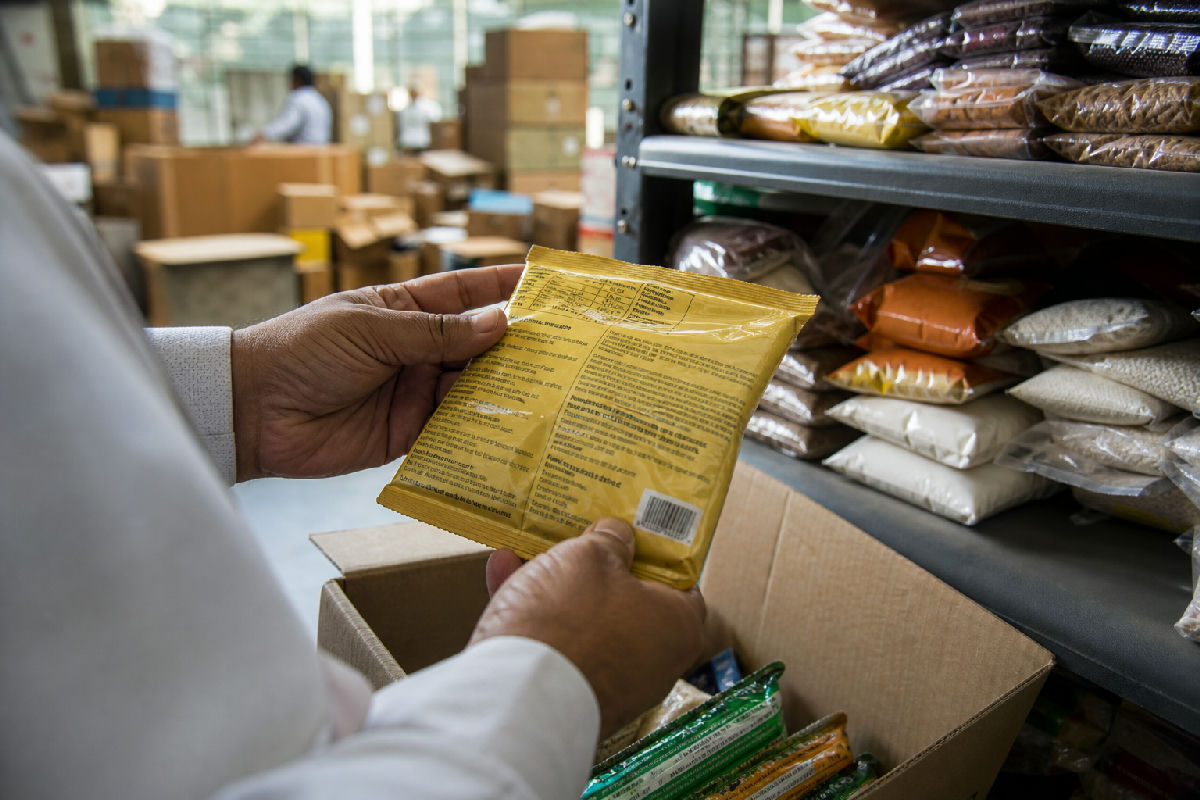
- Different export compliance: A label can be legally different because it is made for another country.
- Relabelling: A new sticker or printed panel may be applied by an authorised operator when required by law, but it must not misrepresent safety or shelf life.
- Date tampering: Removing or replacing an expiry or best-before date can prevent a buyer, regulator or importer from assessing freshness and traceability.
Reuters reported that Maharashtra officials described the alleged conduct as exporting potentially harmful food and defrauding customers.[2] That is an official allegation in an ongoing enforcement matter, not a final court finding.
Coca-Cola expiry date scandal India: are products in Indian shops affected?
There is currently no evidence in the reported raid material that all Indian-market PepsiCo, Nestlé, Coca-Cola or Unilever products are affected. The seized stock was described by officials as export-bound, and the available reporting does not quantify how much, if any, entered ordinary Indian retail channels.[1][2]
The products named in coverage reportedly included:
- PepsiCo: Lay’s and Kurkure
- Nestlé: Maggi Masala Noodles
- Unilever/Hindustan Unilever: Knorr Mushroom Soup and Hellmann’s Mayonnaise
- Coca-Cola: Thums Up and Limca[4]
These names identify products found or referenced in the warehouse report. They do not mean every packet of those brands is counterfeit, expired or unsafe.
The regulatory concern is nevertheless serious because date information is a safety control. If a date is wrong, a shopper may consume a product beyond its intended shelf life, while a regulator loses the ability to trace a batch accurately.
Reuters separately reported that Canadian authorities were assessing risks to imports after the raid. That reporting confirms international concern about the export chain, but it does not establish that Canada received the seized stock or that a public recall covered all products from the named brands.[2]
Food label fraud India raid: what shoppers should check
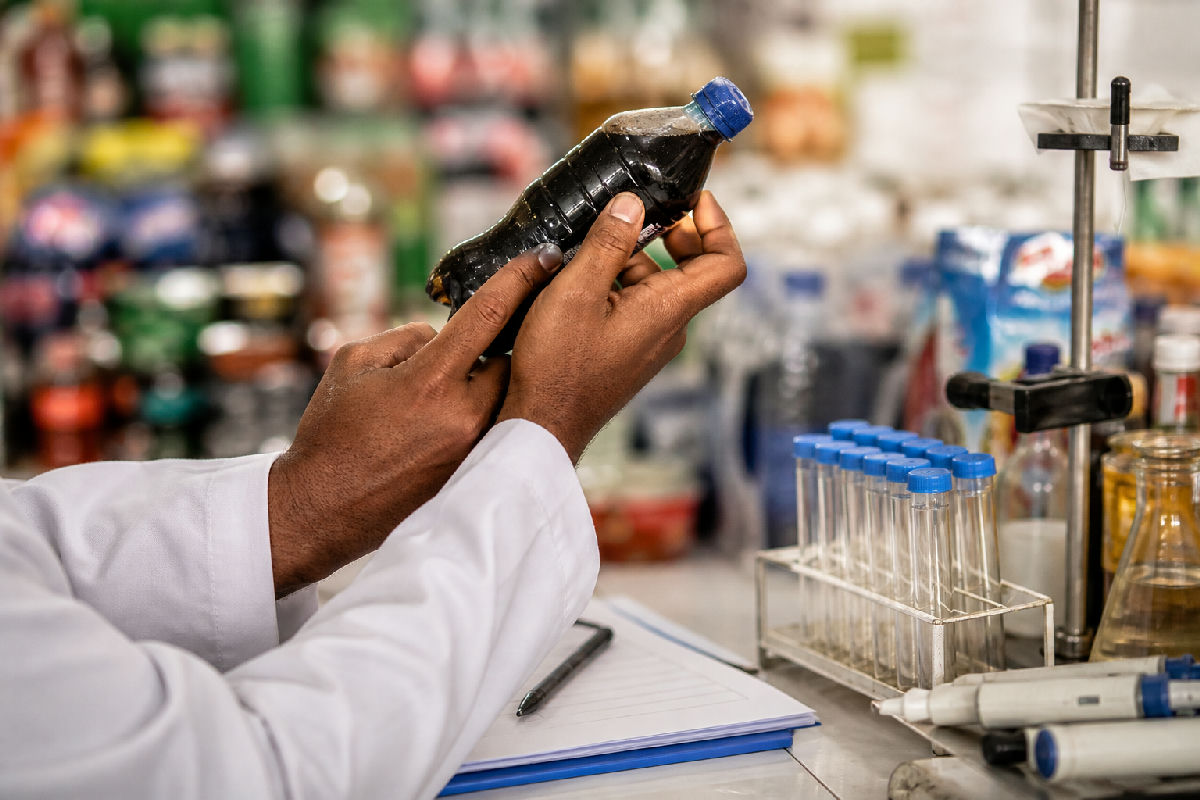
The raid gives consumers a practical reason to inspect labels, especially when buying discounted, imported or export-style stock.
- Check the date on the original pack. Look for manufacturing and expiry or best-before details printed directly on the pack, not only on a loose sticker. A smeared, overprinted or visibly covered date is a red flag.
- Match the batch number. The batch or lot code should be legible and consistent across the package, invoice and outer carton where available. Different codes, missing codes or a code that appears freshly printed deserve caution.
- Inspect the label quality. Compare the packet with another unit from the same shelf. Look for spelling errors, uneven fonts, mismatched colours, peeling stickers or nutrition information that appears layered over older printing.
- Confirm the market. Export packaging may contain foreign-language text or a foreign nutrition format. That is not automatically fraudulent, but the pack should still identify the responsible importer, manufacturer or exporter and carry legally required information.
- Do not rely on a retailer’s verbal assurance. Ask for a replacement or refund if the date is unclear. Keep the package, bill and photographs if you suspect tampering.
- Report suspected violations. Consumers can contact the relevant state food-safety department or use FSSAI’s consumer complaint channels. Include the product name, batch number, seller, purchase date, location and clear photographs.
Do not consume a product if its date has been scratched out, covered, altered or is unreadable. Do not confuse a best-before date with an expiry date: best-before generally concerns quality, while expiry or use-by wording can carry a stronger safety implication depending on the product and applicable rule.
What PepsiCo, Nestlé, Coca-Cola and Unilever have been linked to
The public reporting links the brands to products found in the warehouse, not to a proven instruction from the companies to falsify labels. Reuters’ account describes the manufacturers as the original makers of products allegedly being prepared for export by a separate operation.[1][2]
Maharashtra food commissioner Tukaram Mundhe called altered expiry and nutrition information a breach of public trust in comments reported by NDTV. Authorities also conducted broader food-safety inspections in the period, including checks of storage and supply facilities, but those actions were separate from the Mumbai warehouse case.[4][5]
The next facts consumers need are the investigation’s final findings, the identities and charges of the warehouse operators, confirmation of export destinations, and whether any stock entered Indian or overseas retail channels. Until those questions are answered, the defensible position is specific caution about suspicious packs, not a blanket boycott of four multinational companies.
Frequently Asked Questions
Were PepsiCo, Nestlé and Coca-Cola caught faking expiry dates in India?
The reported raid found products made by PepsiCo, Nestlé, Coca-Cola and Unilever at a warehouse where authorities allege expiry dates and nutrition information were being altered. The available evidence does not prove that the companies themselves carried out or authorised the alleged falsification.[1][2]
Is the PepsiCo fake expiry date India story about products sold in India?
Officials said the stock found in the Mumbai-region warehouse was intended for export. Current reporting does not establish that the seized products entered ordinary Indian retail channels or that all Indian-market products from the named brands are affected.[2][3]
Why did the Kurkure label contain English and French nutrition information?
Export products can require different languages and nutrition formats in the destination country. Reuters reported that the Kurkure label resembled a Canadian format, but that legitimate export requirement does not justify changing an expiry date or misrepresenting a product’s shelf life.[2]
What should I do if my food packet has a changed or covered expiry date?
Do not consume it. Photograph the package, batch code and seller details, retain the bill and report the suspected violation to the state food-safety authority or FSSAI consumer complaint channel.[2]
Is there a Coca-Cola expiry date scandal India recall?
The reported raid named Coca-Cola products among stock found at the warehouse, including Thums Up and Limca, but the available reports do not establish a blanket recall of all Coca-Cola products in India. Consumers should check official recall or regulator notices and inspect individual packs rather than assume every product is affected.[4]