Rat in Dosa Borivali: Viral Video Becomes Alleged Extortion Case
The video triggered regulatory action, but an alleged ₹25 lakh demand has shifted the story from food scare to police investigation.
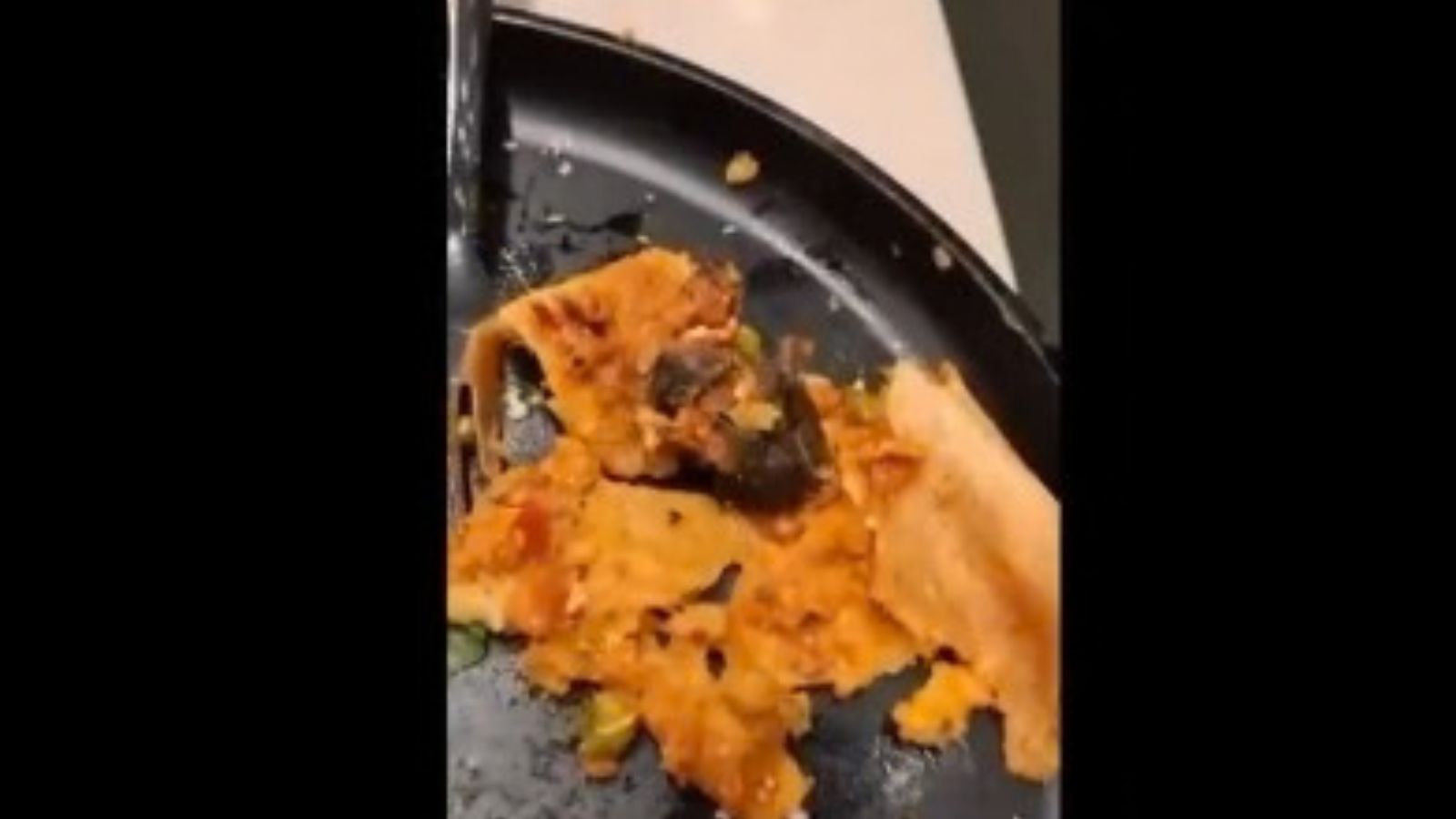
On September 24, a customer at Radhakrishna Hotel in Borivali West allegedly found a small rat inside a Mysore masala dosa. The video spread on September 26; two days later, Maharashtra’s Food and Drug Administration (FDA) suspended the hotel’s licence. The story then changed direction: police allege that two women demanded ₹25 lakh from the hotelier after the clip circulated.[1][2][3]
The case is now being discussed as “rat in dosa Borivali,” “Mumbai rat dosa video” and the “rat in dosa extortion case.” But two questions must be kept separate: what the footage appears to show, and what investigators or a laboratory have actually established.
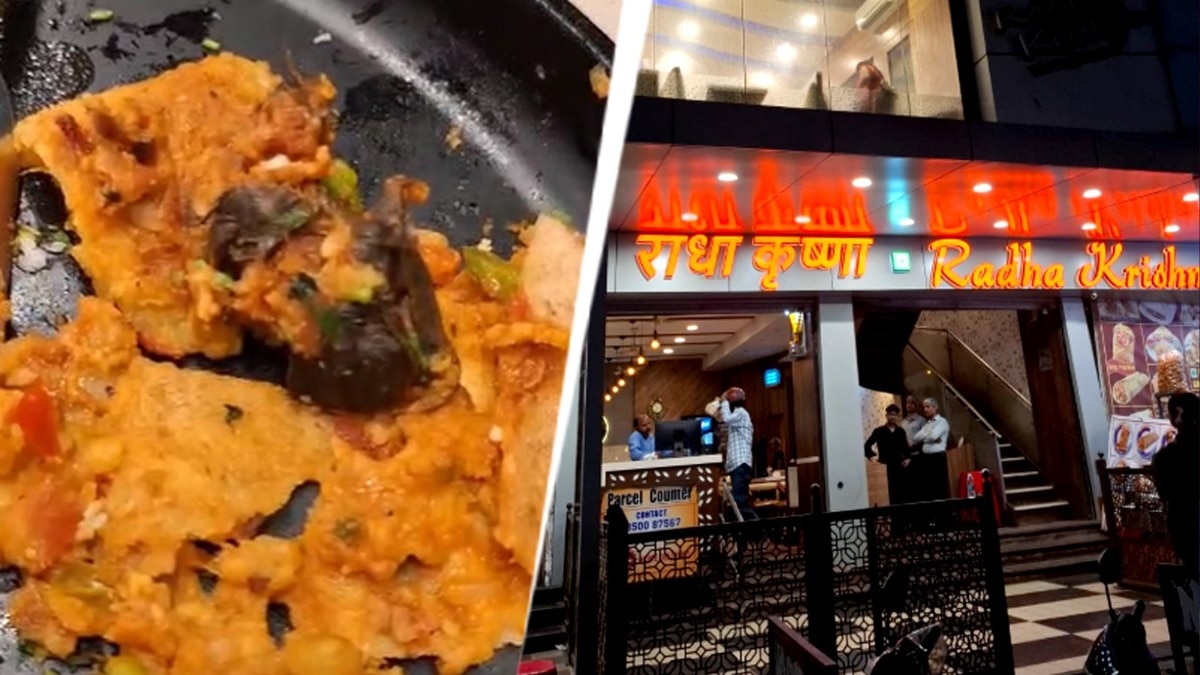
Rat in Dosa Borivali: What Happened and What Is Verified
The available reports describe this sequence:
- September 24 — complaint at the hotel. Mansi Acharya, 36, visited Radhakrishna Hotel-Banquet-Fast Food on L T Road with a child and two men. Her companion, identified in reports as Amit Trivedi, allegedly found a rat in a Mysore masala dosa after eating part of it.[4][6]
- A video was recorded and circulated. Acharya allegedly created a scene, called the police and filmed the food. Reports say the video went viral on September 26, although no verified view count or platform analytics have been supplied.[4][7]
- September 28 — licence suspended. After the complaint was forwarded by Borivali Police, Maharashtra FDA officials suspended the hotel’s food licence. The action forced the establishment to stop operating under that licence.[2][3]
- September 29 onward — alleged money demand. According to the hotel owner’s complaint, a caller demanded ₹25 lakh as compensation and threatened further legal action or circulation of the footage. Some reports say the demand was later reduced to ₹7 lakh.[3][6]
- October 5 — FIR and arrests reported. Borivali Police registered a case naming Acharya and her sister, Kinjal Subhash Bhatia, under Section 308(2), read with Section 3(5), of the Bharatiya Nyaya Sanhita, according to News18.[7]
- Police trap. Reports say police arranged for Acharya to collect another ₹6 lakh and arrested her while she allegedly accepted the cash.[6][10]
These are allegations, not convictions. An FIR records a complaint and the police theory of the case; it does not establish that the original food complaint was fabricated, nor does an extortion allegation automatically prove that the dosa was safe.
What the video does—and does not—prove
The viral Borivali food safety viral video appears to show a rodent-like object inside a dosa. That is enough to justify attention and a complaint, but video footage alone cannot establish the object’s species, when it entered the food, whether the food was contaminated before service, or whether the recording has been edited or staged.[1][4]
No report located for this article describes a publicly released laboratory identification of the object, a microbiological test of the dosa, or a complete FDA inspection report. The FDA’s licence suspension is a regulatory action following a complaint; it is not the same as a published laboratory finding proving the video’s precise claims.
The police investigation adds another layer. Police allege that money was demanded after the video’s circulation and the licence suspension. That allegation must be tested in court and should not be used to dismiss every food-safety concern raised by the footage.
Mumbai Rat Dosa Video: What It Means for Consumers
The incident has four practical implications for anyone eating at restaurants, canteens or food stalls:
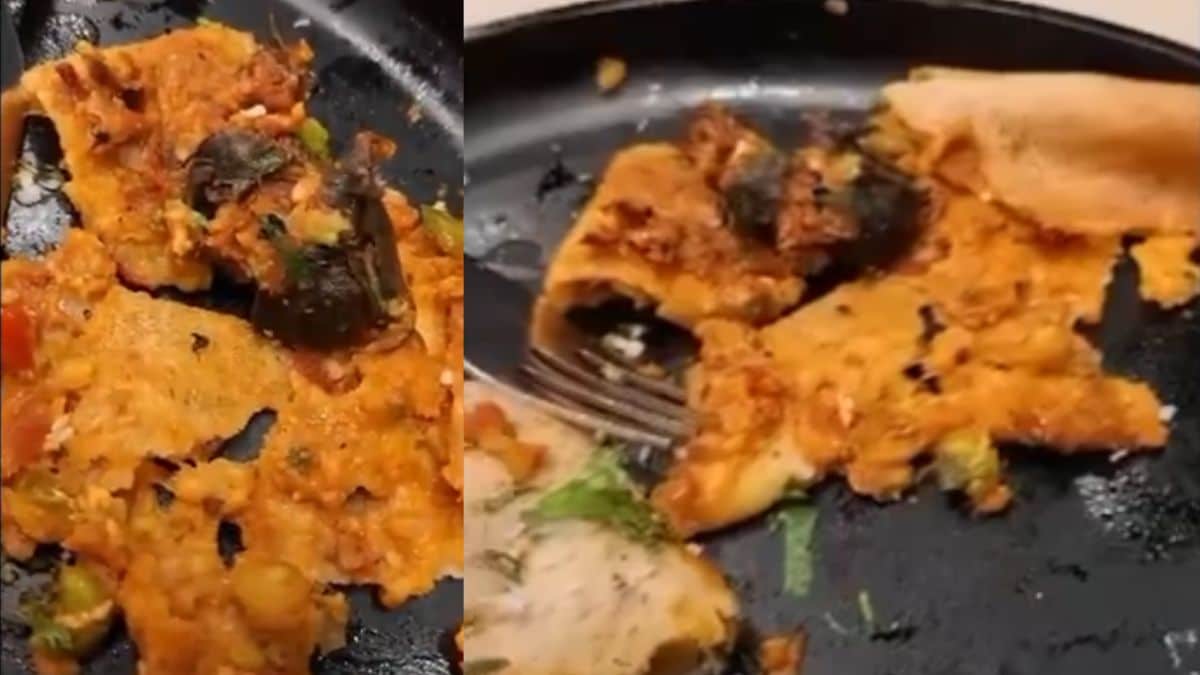
- A viral clip is an alert, not a test report. Treat disturbing footage as a reason to pause, document and report—not as conclusive scientific proof.
- Regulatory action can happen before final adjudication. The FDA suspended the hotel’s licence after the complaint was forwarded by police, even while the underlying facts remained under investigation.[2][5]
- A restaurant’s closure does not prove a nationwide brand problem. The reports concern one Borivali outlet, not all dosa restaurants or all branches of any chain.
- Food poisoning risk is broader than a visible rodent. Contamination can arise from unsafe water, poor hand hygiene, pests, raw ingredients, dirty equipment or inadequate temperature control.
For diners who ate at the hotel and became ill, preserve bills, payment records, delivery details and medical documents. Record the date, time, dish and symptoms, and report suspected foodborne illness to local health authorities rather than relying only on social media.
What to Do When You See a Viral Food-Safety Video
- Save the original post. Capture the account name, timestamp, caption and URL before reposts alter or delete it.
- Do not amplify unverified claims. Avoid naming a product, restaurant or person as criminal or fraudulent unless an official record supports that description.
- Check whether the regulator acted. Look for a written FDA, municipal corporation or police statement, not just screenshots of WhatsApp messages.
- Report through official channels. In Maharashtra, submit food complaints to the state FDA or local civic authorities with the outlet’s name, address, bill and photographs.
- Preserve the food safely if needed. Do not handle suspected contamination unnecessarily. If authorities request a sample, follow their instructions rather than sending it casually through courier.
- Seek medical care for symptoms. Repeated vomiting, bloody diarrhoea, dehydration, high fever or symptoms in young children and older adults warrant prompt medical attention.
- Wait for the investigation. In this case, the hotel’s licence suspension and the later extortion FIR are separate developments. Neither, by itself, settles every factual question shown or suggested by the video.
What the Radhakrishna Hotel case still does not answer
The public reports do not establish whether the object was independently examined, whether the hotel’s kitchen had a confirmed pest infestation, or whether the original video was altered. They also do not provide a verified social-media reach figure.
That gap matters. Food-safety enforcement should rely on inspection, sampling, chain-of-custody records and due process—not only on virality. At the same time, an alleged extortion attempt does not erase the regulator’s duty to investigate the premises or the consumer’s right to complain.
Frequently Asked Questions
What happened in the rat in dosa Borivali case?
A customer allegedly found a rat inside a Mysore masala dosa at Radhakrishna Hotel in Borivali West on September 24. The video circulated on September 26, the FDA suspended the hotel’s licence on September 28, and police later registered an alleged extortion case involving a ₹25 lakh demand.[1][3][4]
Is the Mumbai rat dosa video proven to be genuine?
Public reports describe what the video appears to show, but they do not report a publicly released laboratory identification or a complete forensic authentication of the footage. The video should therefore be treated as evidence prompting investigation, not as laboratory or regulatory proof by itself.
What happened in the rat in dosa extortion case?
Police allege that Mansi Acharya and her sister Kinjal Bhatia demanded money from hotelier Jai Kishore Shah after the video circulated and the licence was suspended. Reports say police registered a case under Section 308(2) and Section 3(5) of the BNS and arrested Acharya in a trap involving an alleged ₹6 lakh payment.[6][7]
Did the FDA suspend Radhakrishna Hotel’s licence?
Yes. Reports say Maharashtra FDA suspended the hotel’s food licence on September 28 after Borivali Police forwarded the complaint. The suspension was a regulatory measure and does not, on its own, establish every detail alleged in the viral video.[2][5]
Should consumers stop eating at every dosa restaurant?
No. The reported action concerns the named Borivali outlet, not dosa restaurants generally. Consumers should choose visibly clean premises, retain bills, report suspected contamination and rely on official findings rather than treating one viral clip as proof about unrelated restaurants.