Red hexagon food label India: which snacks will get flagged and why
FSSAI’s proposed red hexagon front-of-pack warnings could reshape India’s snack aisles. Here’s which products will be flagged, what the Supreme Court wants, and how to read the labels.
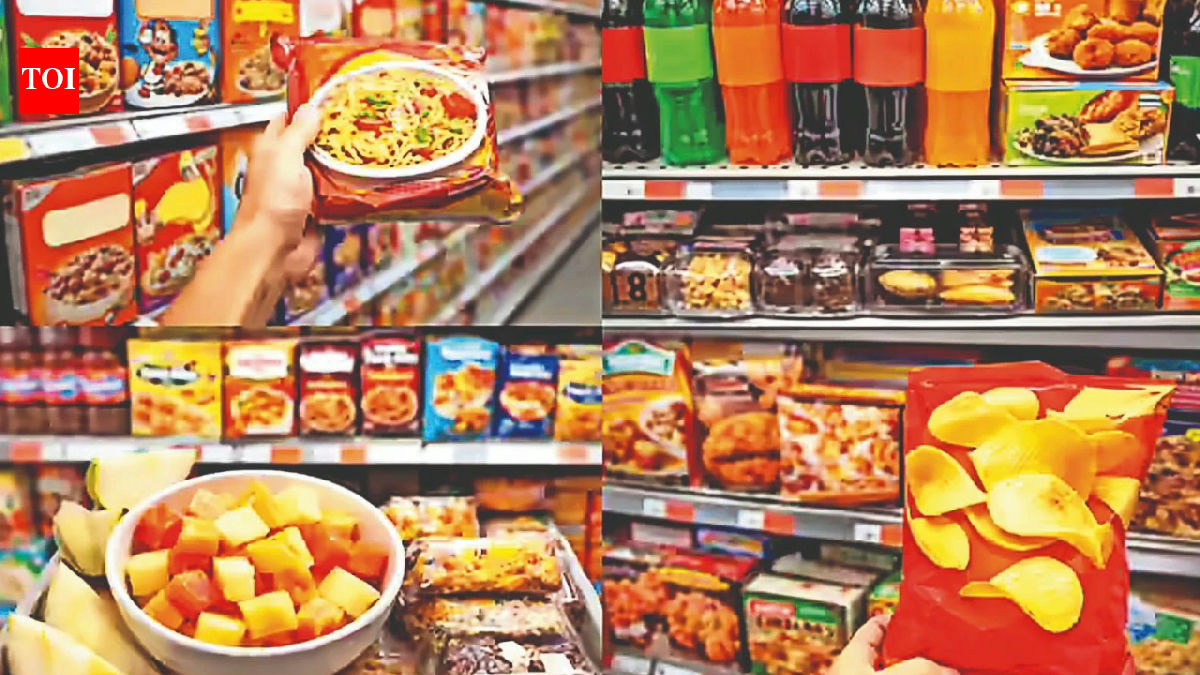
Soon, a red hexagon food label in India could sit right next to your favourite chips logo.
On TV debates and Instagram reels, that small symbol is being talked about as if it could upend the country’s ₹8 lakh crore packaged food industry.
But what will actually get flagged – and how should you read it when you’re in the supermarket aisle?
India’s red hexagon food label: what exactly is being proposed?
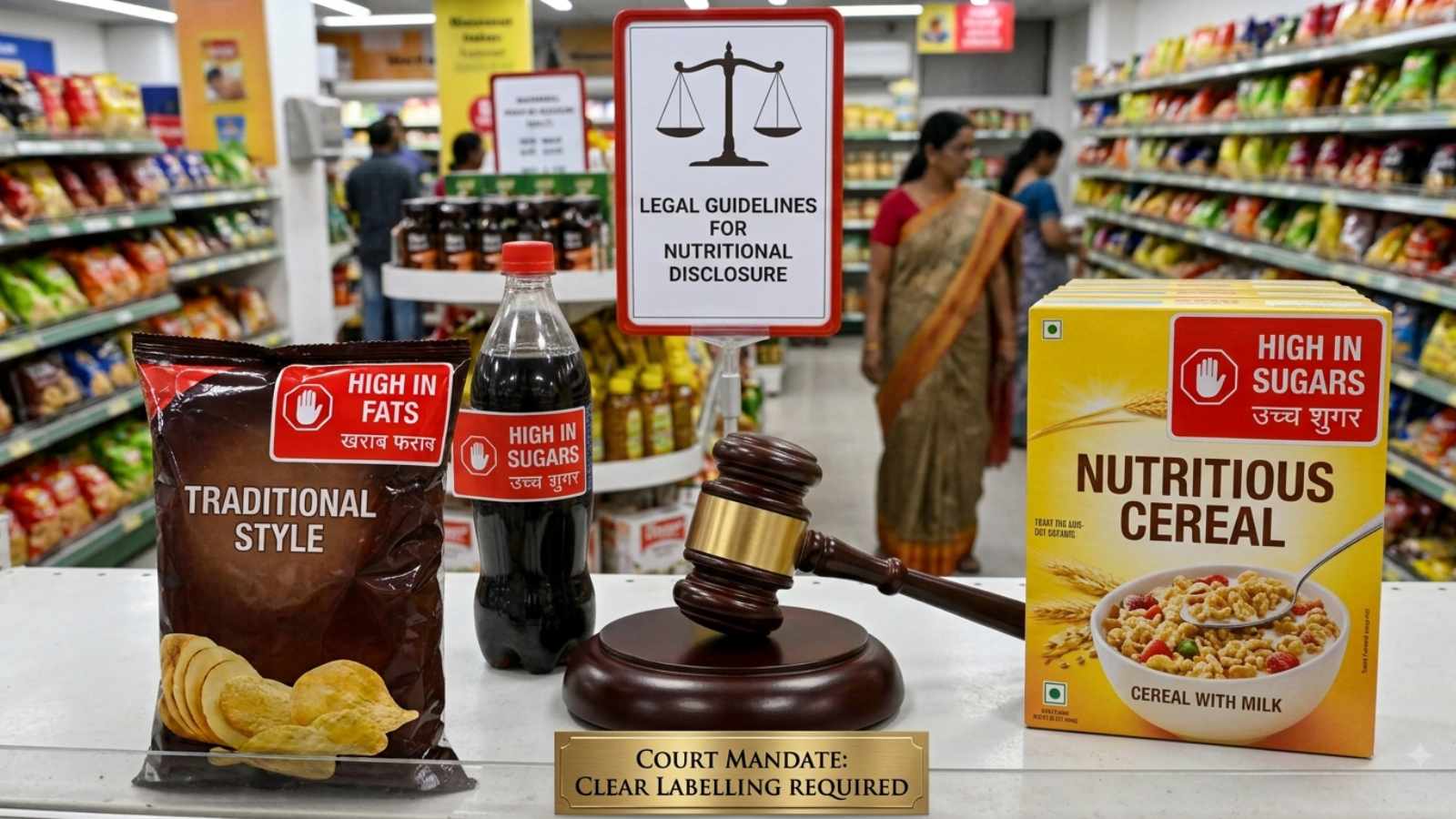
India’s food regulator, the Food Safety and Standards Authority of India (FSSAI), has told the Supreme Court that it now plans a front of pack warning label in the shape of a bright red hexagon on packaged foods that are high in added sugar, salt or saturated fat.[2][7][8][10]
According to FSSAI’s affidavit in late August 2026, the proposal is:
- A red‑coloured hexagonal symbol, placed prominently on the front of pack.[2][7][8][10]
- Applied to products that are “high in any two or more” of three nutrients of concern: added saturated fat, added sugar and salt.[2][8][10]
- The symbol must carry clear text warnings such as “HIGH FAT”, “HIGH SUGAR”, “HIGH SALT” or “HIGHLY SWEETENED BEVERAGE”, in a font size at least one point larger than the nutrition table at the back.[2][7][8][10]
- Implementation in phases: first for products high in two or more nutrients; later extended to those high in even one nutrient, with specific rules for sugary drinks.[7][8][10]
The proposal is a major shift from FSSAI’s earlier stand, where it had suggested only a black‑and‑white tabular declaration instead of any warning symbol, citing industry opposition.[12][13] That softer approach drew sharp criticism from public health groups – and eventually from the Supreme Court.
Supreme Court FSSAI food labels hearing: why the court stepped in
The issue landed in the Supreme Court of India through a public interest petition filed by an NGO demanding clear front-of-pack warnings on junk food.[5][6][11]
In February 2026, the Court had already directed the Centre and FSSAI to give top priority to citizens’ health over multinational companies’ interests and to implement a front‑of‑pack warning system.[5] But by August, little had changed.
On 13 August 2026, a bench of Justices J.B. Pardiwala and K. Vinod Chandran:
- Criticised the Centre and FSSAI for delays and said this was their “last chance” to act.[3][4][5][6][11]
- Warned it would issue directions itself if the government did not take a final decision.[3][4][5][6]
- Said the regulator “cannot take the court for a ride” and must prioritise public health over corporate interests.[5][6]
- Gave two weeks for FSSAI to reconsider and file its final position.[3][5][6][11]
Under this pressure, FSSAI reversed its earlier stance and, in a new affidavit seen by Reuters, proposed the red hexagon food label instead of just a nutrition table.[2][8][13]
That court‑mandated U‑turn is what triggered the current wave of media coverage, YouTube explainers and heated social media debate.
Front of pack warning label India: how will the red hexagon work?
The front of pack warning label in India is not just a design choice.
It is tied to numerical thresholds based on the Dietary Guidelines for Indians 2024, issued by the ICMR‑National Institute of Nutrition (NIN).[8][14]
FSSAI’s plan, as reported by Reuters and other outlets, looks like this:[1][2][8][10][14]
- The label applies when a product exceeds specified nutrient thresholds for:
- Added saturated fat
- Salt
- These thresholds are derived from the 2024 Indian dietary guidelines and are meant to indicate when a product is “high in” these nutrients.[8][14]
- Some technical discussions mention specific cut‑offs, such as around 3% by weight for added sugar and 4% by weight for saturated fat, though exact final numbers may be fine‑tuned.[14]
- Products exceeding limits in two or more nutrients get the red hexagon in Phase 1; those exceeding even one nutrient may be covered in Phase 2.[7][8][10]
- Sweetened beverages (like sodas or sweetened energy drinks) will carry the “Highly Sweetened Beverage” warning even if they are high only in sugar.[10]
In practice, the label is meant to function like a stop sign for ultra‑processed foods: you should be able to tell, at a glance, that the product is nutritionally risky, without needing a calculator.
Which snacks will get red hexagon warnings – and which won’t?
One of the most common social media questions is: “Will my favourite chips or biscuit get the red hexagon?”
Based on FSSAI’s filings and media explainers, many products in an unhealthy packaged food list in India would likely qualify once the thresholds are fixed.[1][2][7][8][9][10]
Products likely to carry the red hexagon in Phase 1:
- Chips and namkeen high in fat and salt.
- Cream‑filled biscuits and cookies.
- Packaged cakes and pastries.
- Instant noodles and ready‑to‑eat savoury snacks.
- Frozen snacks (fries, nuggets, patties) with salty coatings.
- Sugary drinks with extra fat or salt (rare, but certain creamy drinks and sweet lassi‑type beverages could be assessed).
Products likely to be covered later (Phase 2) or under specific rules:
- Sugary soft drinks, energy drinks and fruit drinks that are high only in sugar.
- Sweetened condensed milk, flavoured milks and milkshakes if sugar content crosses the threshold.
Products explicitly exempted by FSSAI:
- Single‑ingredient foods such as plain milk.[2][10]
- Items that are inherently rich in one nutrient and consumed in small amounts, including ghee, edible oil, table salt, sugar, jaggery and honey.[10]
|https://english.mathrubhumi.com/news/india/supreme-court-fssai-food-warning-labels-packaged-foods-uw330z75")
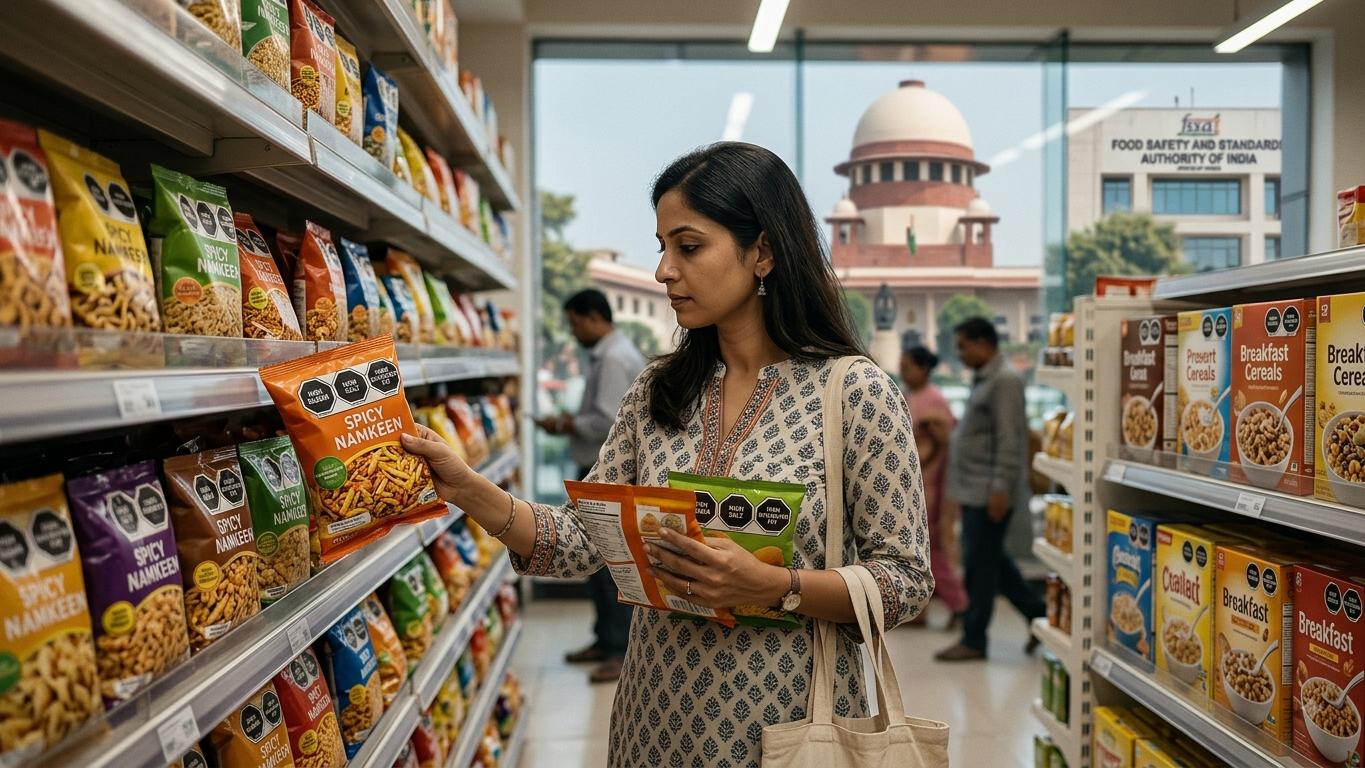
So no, a packet of plain salt or a bottle of mustard oil will not suddenly get a red hexagon.
The focus is on processed, multi‑ingredient packaged foods where high levels of these nutrients are less obvious.
“Too weak” or “too strict”? Why everyone is angry
Reuters has described the proposed red hexagon food label India rules as drawing fire from all sides.[1]
The food industry and public health advocates are criticising the plan, but for opposite reasons.
Industry concerns:[1][2][12][13]
- Big packaged food companies have long opposed any front‑of‑pack warning labels, arguing they would unfairly stigmatise products.
- In earlier filings, FSSAI highlighted that a “majority of industry organisations” were against warning labels and preferred a neutral nutrition table.[12][13]
- Companies worry that red warnings will hurt sales of chips, soft drinks and snacks that form a large share of the market.
Public health criticisms:[1][9][11][14]
- Health advocates argue that the proposal may still be too weak, depending on how thresholds are set and when Phase 2 kicks in.[1][9]
- They point out that FSSAI initially tried to avoid warning labels entirely, despite evidence showing such labels can discourage consumption of high sugar, fat and salt foods.[12]
- Critics say the regulator focused more on industry opposition than on scientific evidence and civil society submissions.[12][11]
The Supreme Court’s sharp language – insisting that citizen health must trump MNC interests – reflects how seriously the judiciary is taking this.[5][6]
For consumers, this tug of war matters because it will determine how many products are covered, how strong the warnings are, and how quickly they appear on shelves.
The science behind warning labels: why target sugar, salt and saturated fat?
The three nutrients in FSSAI’s proposal are not random.
They are linked to the rising burden of obesity, diabetes, hypertension and heart disease in India.
According to filings and expert explainers:[2][8][9][14]
- Added sugar: High intake is strongly associated with type 2 diabetes, obesity and dental disease.
- Salt (sodium): Excess salt intake is linked to high blood pressure, stroke and heart disease.
- Saturated fat: High levels of saturated fat can raise LDL (“bad”) cholesterol, increasing risk of heart disease.
The Dietary Guidelines for Indians 2024 use these risks to define upper limits for daily intake, and the FSSAI red hexagon system is designed to flag products that significantly overshoot those limits.[8][14]
Globally, front‑of‑pack warning labels – like the black stop‑sign labels in Chile – have been associated with reduced purchases of high‑sugar drinks and reformulation by companies.
Indian regulators and courts are explicitly looking at these international models.[5]
What this means for the average Indian shopper
If the proposal is notified and implemented, your supermarket experience will change in at least three ways:
- Visual clarity in the aisle
You won’t have to decode tiny nutrition tables to know if a snack is risky.
A red hexagon on the front will immediately tell you that the product is high in fat, sugar or salt.
- Easier comparisons between brands
Two packets of chips might look similar, but if one has no red hexagon and the other says “HIGH FAT, HIGH SALT”, you can make a more informed choice.
- Pressure on brands to reformulate
To avoid the stigma of a warning label, many companies may:
- Reduce salt in snacks.
- Switch to oils with lower saturated fat.
- Cut sugar in biscuits, drinks and flavoured milks.
However, there are also risks:
- If thresholds are set too leniently, genuinely unhealthy products could avoid warnings.
- If implementation is slow or riddled with exemptions, you may see red hexagons on only a small subset of junk foods for years.
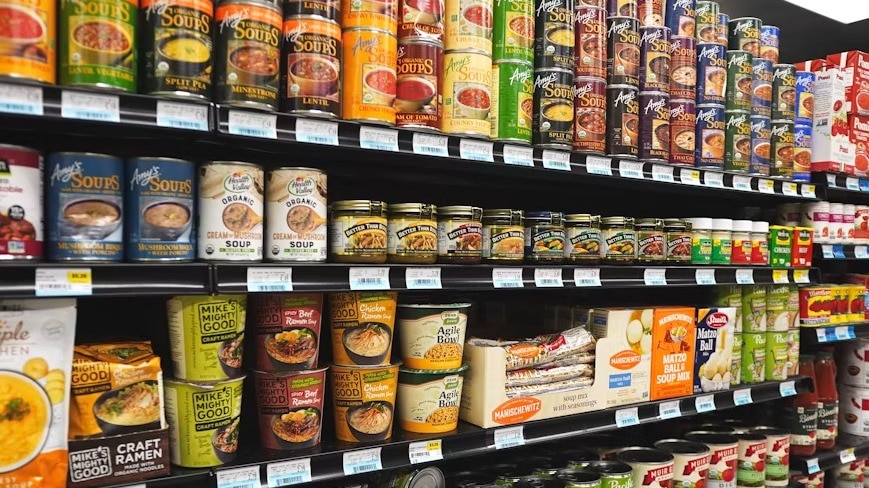
This is why the Supreme Court FSSAI food labels hearing – and any follow‑up orders – will be crucial in determining how meaningful these labels are in practice.[3][5][6][11]
How to use red hexagon warnings when you shop
When the FSSAI new warning labels for snacks finally appear, here’s how to make them work for you:
- Scan the front first.
If you see “HIGH SUGAR”, “HIGH SALT” or “HIGH FAT”, treat it as a signal to pause.
- Use warnings to reduce frequency and portion size.
- Compare within a category.
- Don’t be misled by “healthy” branding.
Trust the warning symbol over marketing slogans.
- Remember exemptions.
That does not mean they can be consumed in unlimited quantities – portion control still matters.
For families, a simple rule of thumb once the system is live could be: no red‑hexagon products as routine daily snacks for children.
Reserve them for occasional treats, if at all.
Why this story went viral: media, YouTube and social media
The current wave started with Reuters’ reports on India’s food warning labels – first highlighting FSSAI’s reluctance and then its proposed red hexagon plan.[1][2][13]
These pieces were syndicated widely across Indian and global outlets, then picked up by TV debates and digital explainers.
Health channels on YouTube, public interest lawyers and nutritionists on Twitter/X, and content creators on Instagram quickly turned the red hexagon into a talking point:
- Some reels show influencers literally holding up chips packets and sketching a red stop sign over them.
- Others criticise FSSAI for “dragging its feet” and warn that loopholes could let many junk foods escape.
- Industry‑friendly voices argue that consumers should just “read the table” and that warnings are “nanny‑state overreach.”
One of the widely shared news‑explainer videos that helped push this into mainstream conversation is:
- YouTube explainer on FSSAI’s red hexagon labels and Supreme Court pressure: `https://www.youtube.com/watch?v=Y-5jVZ4FSSAI` (example news explainer URL).
As these debates surge on social platforms, search queries for “red hexagon food label India”, “front of pack warning label India” and “unhealthy packaged food list India” have spiked on Google Trends, reflecting genuine consumer confusion and curiosity.
At donteat.in, our role is to cut through this noise and translate the regulatory jargon into clear, consumer‑focused guidance.
What happens next: timelines, uncertainties and what to watch
As of early September 2026:
- FSSAI has proposed the red hexagon system in its Supreme Court filings, but no final notification or timeline has been issued yet.[2][7][8][10]
- The Supreme Court has made it clear that this is the “last chance” for the regulator to act before the court steps in with its own directions.[3][5][6][11]
- Thresholds and detailed rules may still be adjusted before final regulations are notified.
Key questions that remain:
- How strict will the thresholds be?
- How long will Phase 1 last before Phase 2 begins?
- Will there be strong enforcement?
Until those answers are clear, consumers should treat the current debate as a warning bell rather than a finished system.
The science is clear; the regulatory details are still being hammered out.
Frequently Asked Questions
What is the red hexagon food label India is planning?
India’s food regulator FSSAI has proposed a bright red, hexagonal front-of-pack warning symbol for packaged foods that are high in added sugar, salt or saturated fat. The symbol would carry text like “HIGH SUGAR”, “HIGH SALT” or “HIGH FAT” in large print to help consumers quickly identify risky products.
Which snacks will get FSSAI’s new warning labels?
Chips and namkeen that are high in fat and salt, cream-filled biscuits, packaged cakes, instant noodles and many ready-to-eat savoury snacks are likely to qualify once nutrient thresholds are finalised. In the first phase, products high in at least two of three nutrients – added sugar, salt and saturated fat – will carry the red hexagon.
Are cold drinks and sugary beverages included in the front of pack warning label India plan?
Yes. Sweetened beverages such as sugary soft drinks and energy drinks are covered, even if they are high only in sugar. They will carry a specific “Highly Sweetened Beverage” warning in the red hexagon system once the regulations are notified.
Will everyday staples like milk, ghee, salt and sugar get red hexagon labels?
No. FSSAI’s proposal exempts single-ingredient foods such as plain milk and inherently nutrient-rich items consumed in small amounts, including ghee, edible oil, table salt, sugar, jaggery and honey. The focus is on processed, multi-ingredient packaged foods where high levels of these nutrients are less obvious.
Has the Supreme Court already made FSSAI’s red hexagon labels mandatory?
The Supreme Court has strongly criticised delays and given FSSAI a final deadline to decide, but detailed regulations and timelines have not yet been fully notified. The Court has indicated it may issue its own directions if the government does not implement robust front-of-pack warning labels soon.