Sitapur mid day meal viral video: what happened and what’s verified
A viral clip from a Sitapur government school exposed watery curry and burnt rotis, prompting official verification, suspensions, and a wider food-safety debate.
# Sitapur mid day meal viral video: what happened and what’s verified
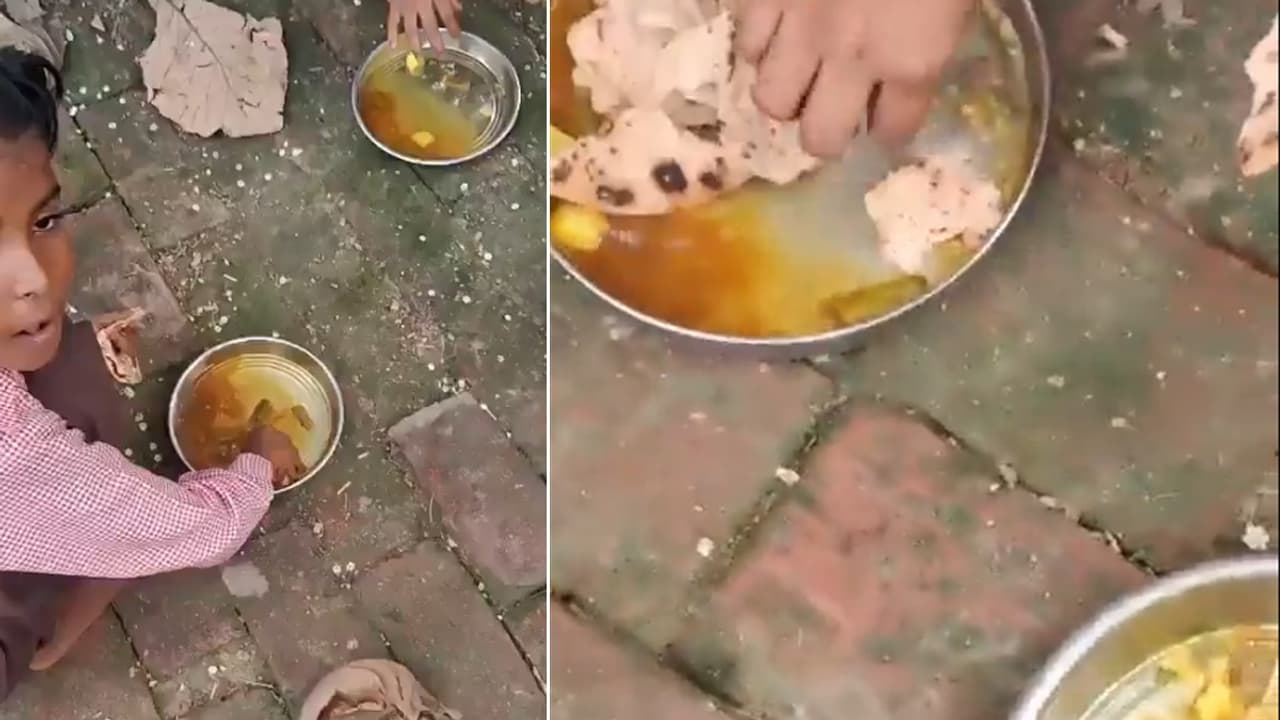
A short clip from a government primary school in Sitapur, Uttar Pradesh, has become the latest Sitapur school food video to trigger national outrage. The footage showed children being served a thin, watery vegetable curry and burnt rotis, prompting questions about UP school food safety, the quality of the mid-day meal, and whether monitoring systems meant to protect children had failed.[1][2][4][7]
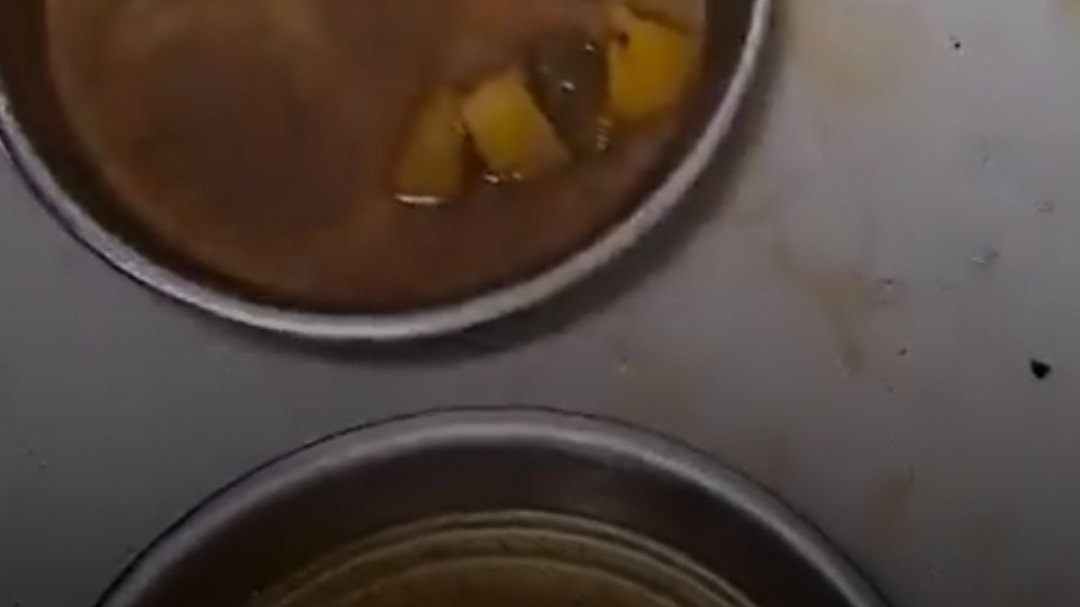
What makes the Sitapur mid day meal viral video different from a routine complaint is the speed of the official response. Multiple outlets reported that district officials traced the footage to Chhangapur village in Mahmoodabad block, found it genuine after a preliminary inquiry, suspended the headmistress, dismissed the cook, and ordered further action, including an FIR.[2][4][7][9]
Sitapur mid day meal viral video: what the footage showed
The viral clip circulated with captions describing “water curry burnt roti viral video” and showed what appeared to be a meagre school lunch: watery potato-vegetable curry, burnt rotis, and in one version of the footage, a roti dropped on the ground and then picked up again.[2][4][7][8]
According to reporting by Moneycontrol and Hindustan Times, the school was identified as a government primary school in Chhangapur village under Mahmoodabad block in Sitapur district.[4][7] The Hindustan Times report said the video was said to be from July 3 and quoted officials saying the preliminary inquiry found it genuine.[7]
There is an important distinction here: the meal quality shown in the video is verified by officials, but some social-media captions and reposts added allegations that went beyond what the video itself clearly established.[2][7][11][12] The confirmed facts are the school location, the administrative response, and the authenticity finding, not every extra claim made in reposts.
What officials verified, and what they did not
The most authoritative reporting in the available material says officials visited the school, spoke to students and villagers, and concluded that the footage was genuine.[2][4][7] Moneycontrol reported that the Basic Shiksha Adhikari and Block Development Officer carried out the inquiry, after which the headmistress was suspended, the cook was dismissed, and an FIR was registered.[4]
Hindustan Times added that the district administration held the headmistress and cook responsible for failing to serve food and milk according to prescribed norms despite receiving adequate supplies.[7] India Today later reported the same core action: suspension of the headmistress, termination of the cook, and an adverse entry against the Block Education Officer.[9]
The key point for consumers is that the video was not treated as a hoax. Officials publicly acted on it, which strongly suggests the school-level lapse was real even if some viral commentary exaggerated the wider systemic context.[2][4][7][9]
Why this became a national food-safety story
The mid day meal viral news angle spread because it touched a nerve that is bigger than one school. For millions of families, the PM POSHAN scheme is not a minor welfare programme; it is a daily nutrition intervention for children in government schools.
When meals are visibly inadequate, the outrage is about more than taste. It raises questions about calorie adequacy, food safety, hygiene, cooking supervision, and whether funds and supplies are actually reaching the kitchen.
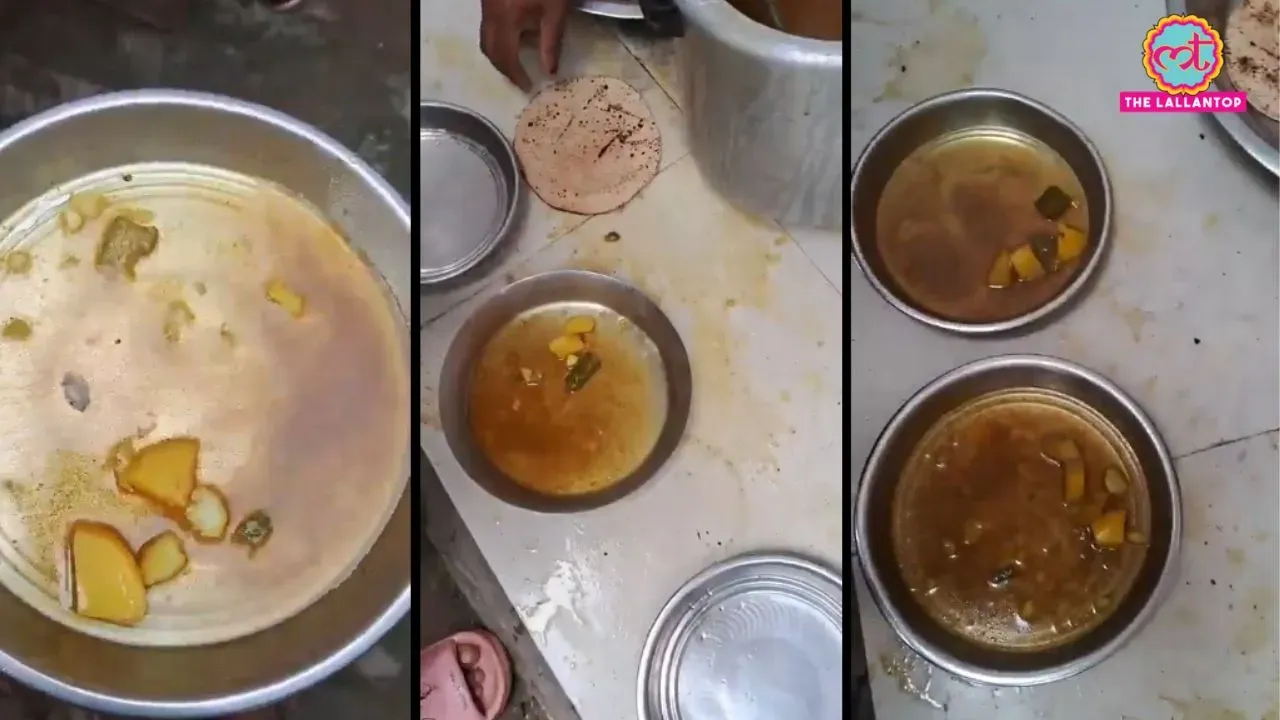
In the Sitapur case, the optics were especially damaging because the video suggested not just poor quality but severe poor quality: diluted curry, charred bread, and a plate that looked incapable of meeting even basic expectations. That is why the clip spread quickly on YouTube and X, and why it was picked up by national media.[1][2][4][8][11]
What India’s mid-day meal standards actually require
India’s school meal programme is now run under PM POSHAN. The scheme’s purpose is to provide hot cooked meals to eligible schoolchildren and improve nutrition, attendance, and classroom concentration.
The central government’s guidelines require meals that are hygienic, freshly cooked, and nutritionally meaningful. State administrations are expected to ensure quality control, local monitoring, and food-safety oversight. In practice, that means school meals should not be watery substitutes for vegetables, burnt rotis, or food that is visibly unfit to eat.
The Sitapur incident is therefore not just a disciplinary problem. It is a direct violation, at least on the face of the video and the official finding, of the basic expectation that a child’s school lunch should be edible, safe, and appropriate for consumption.
Why the viral edits matter
Some reposts of the Sitapur school food video framed it as proof that the entire mid-day meal system is broken everywhere. That is not what the verified evidence shows.
What is verified is narrower but still serious: one school, one meal episode, official confirmation that the video was genuine, and disciplinary action against named staff members and a supervising officer.[2][4][7][9]
What is not established from the provided reporting is that all schools in Sitapur, or all schools in Uttar Pradesh, serve meals of this quality. It is also not established that the video alone proves theft, unless supported by a separate audit or criminal finding. The core issue is demonstrable negligence in food preparation and supervision at the school level.
Consumer impact: why parents should care
For ordinary parents, the Sitapur case is a reminder that school food quality can fail suddenly and locally, even inside a government scheme that exists to protect children.
If your child receives a mid-day meal, the practical risks are straightforward:
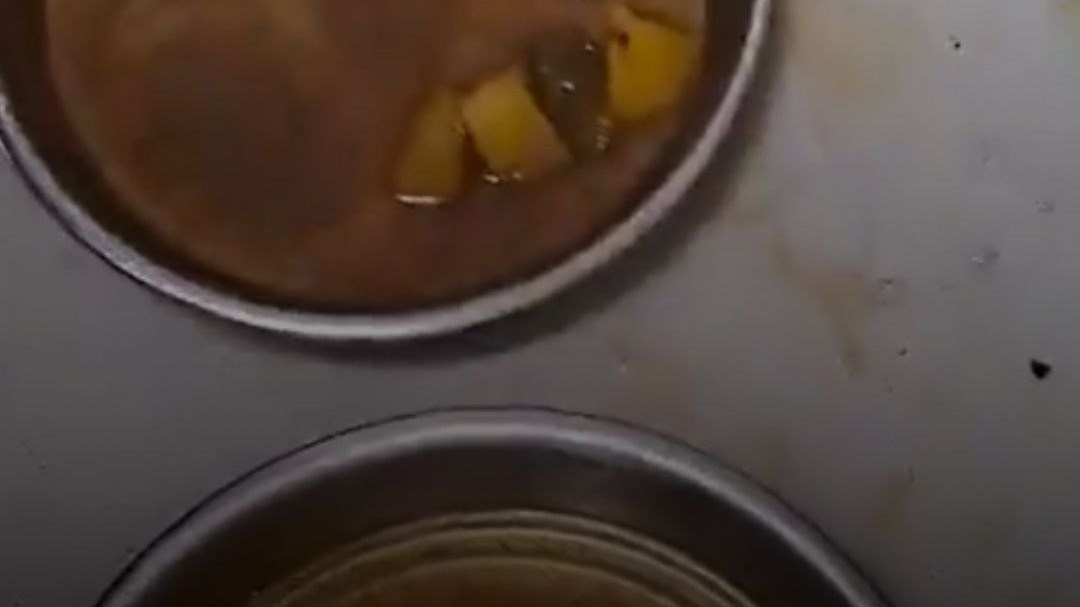
- Food safety risk from unhygienic cooking, contamination, or stale ingredients.
- Nutrition risk when meals are too thin, too small, or poorly prepared to meet dietary needs.
- Trust risk when schools and supervisors do not record or correct repeated lapses.
If a meal looks unsafe or clearly inadequate, parents should document it, raise it with the school head, and escalate to the local education office or district grievance mechanism. In a case like Sitapur, the presence of a video made it much harder for officials to dismiss the complaint.
What the Sitapur action says about accountability
The response reported by multiple outlets matters because it shows the state can act quickly when public evidence is clear.[2][4][7][9] The headmistress’s suspension, the cook’s dismissal, the FIR, and the adverse entry against the Block Education Officer together indicate that accountability is not limited to the person in the kitchen.
That said, disciplinary action after a viral video is reactive. The harder question is why regular supervision did not catch the problem earlier. Moneycontrol reported that officials later instructed Block Education Officers and Block Development Officers to visit schools, sit with students, and eat the meal themselves so quality checks become more than paperwork.[2]
That instruction is revealing. It suggests a recognition that inspection chains often fail unless senior officials see the meal firsthand.
What parents should do if they see a similar problem
If a school meal looks unsafe, stale, undercooked, or grossly insufficient, parents can take the following steps:
- Photograph or record the meal and note the date, school name, and class level.
- Raise the issue immediately with the head teacher or school management committee.
- Escalate in writing to the Block Education Officer or district education office if the response is weak.
- Ask for records of meal supply, menu rotation, and inspection visits.
- Watch for repeat patterns rather than one-off incidents, because repeated lapses point to a deeper supply or supervision failure.
The larger lesson for UP school food safety
The Sitapur episode is a useful case study in how food-safety scandals now spread. A local lapse becomes a public crisis when children, school food, and video evidence collide. In that sense, the viral clip acted as a watchdog, but it also amplified claims that needed to be separated from the facts.
The verified story is serious enough without embellishment. A government school in Sitapur served a visibly poor meal, officials confirmed the video was genuine, and the administration moved against the headmistress and cook.[2][4][7][9] For parents, the takeaway is not panic but vigilance: school meals need public scrutiny, and when they fail, evidence matters.
Frequently Asked Questions
Was the Sitapur mid-day meal viral video real?
Yes. Multiple reports said district officials inspected the school, spoke to students and villagers, and found the footage genuine. The administration then suspended the headmistress and took action against the cook.[2][4][7][9]
What exactly was shown in the Sitapur school food video?
The clip showed children being served watery vegetable curry and burnt rotis. One report also said a roti fell on the ground and was picked up again before being placed on a plate.[2][4][7][8]
What action was taken after the viral video?
Reports say the headmistress was suspended, the cook was dismissed or terminated, an FIR was lodged, and an adverse entry was issued against the Block Education Officer.[4][7][9]
Does this mean all mid-day meals in Uttar Pradesh are unsafe?
No. The verified evidence concerns one government primary school in Sitapur. The incident shows a serious local failure in monitoring and food preparation, but it does not by itself prove that all schools in the state have the same problem.[2][4][7][12]
What should parents do if they suspect poor mid-day meal quality?
Parents should document the meal, report it to the school head and local education officials, and ask for follow-up inspection. If the problem repeats, escalation to district authorities is appropriate because repeated lapses suggest a supervision failure rather than a one-time mistake.