Surat railway station rat video: What it reveals about your platform snacks
A 30‑second clip of a rat calmly eating a puff inside a Surat railway station tea stall has exposed deeper cracks in India’s railway food safety system.
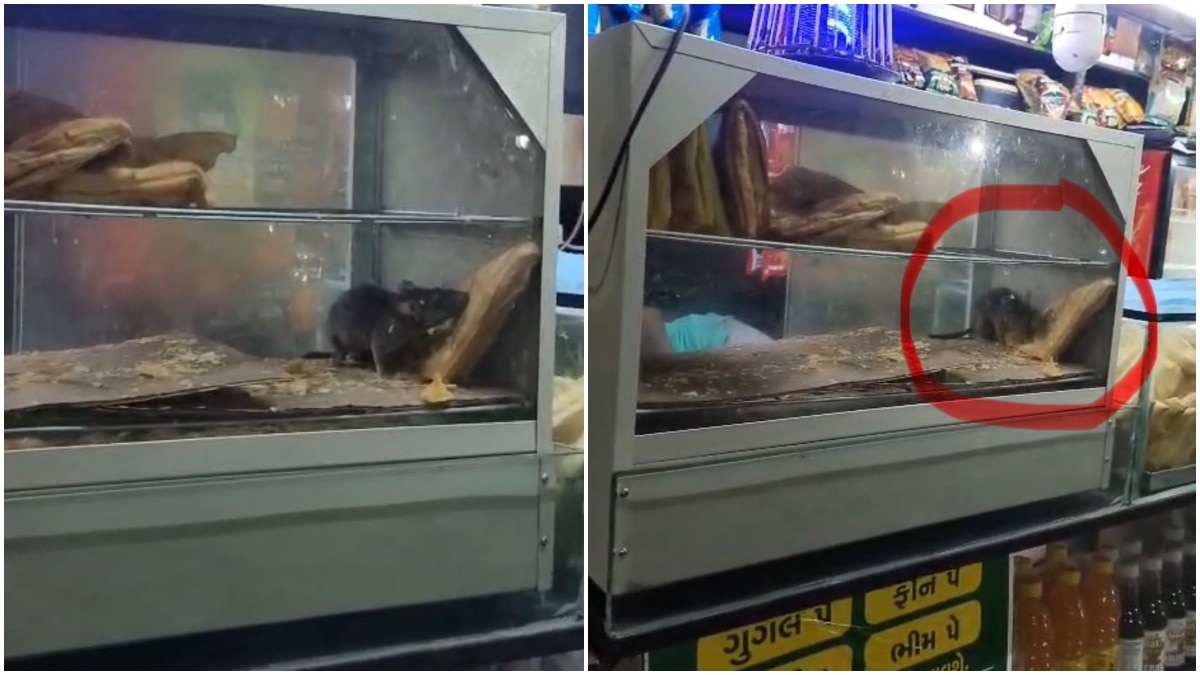
A glass display case, a tray of puffs, and a rat calmly eating its way through your midnight snack.
That 30‑second clip, now known everywhere as the “Surat railway station rat video”, has turned a routine tea‑stall stop into a national food‑safety wake‑up call. Within hours of the rat eating puff tea stall viral clip spreading on WhatsApp, X, Instagram and TV news, Western Railway sealed the stall at Surat railway station’s Platform 1 and began proceedings to cancel the contractor’s licence.[1][2][3]
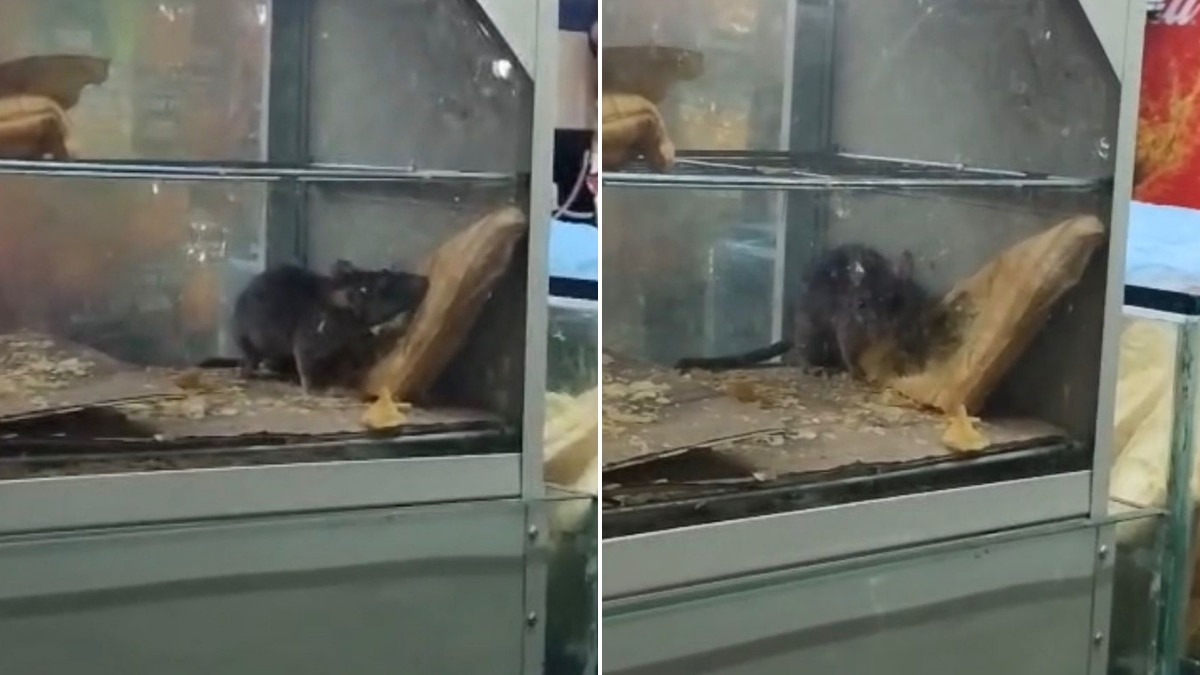
Surat railway station rat video: What the viral clip shows
Sometime between 3:15 am and 3:42 am on 29 August 2026, a passenger waiting at Surat station filmed what many Indian travellers have long feared but rarely seen so clearly on camera.[1][3][9]
Inside the glass display of “M/s Dinesh Associates Tea Stall” on Platform 1, a rat can be seen perched on a puff (also described as patty/pastry), nibbling steadily, surrounded by other exposed food items meant for passengers.[1][2][3][9]
Reports say the video is about 30 seconds long, recorded by a passenger around 3.30 am, roughly when trains such as the Kolhapur–Ahmedabad Express and Dadar–Ektanagar Express halt at Surat.[1][3] The clip quickly spread across social media and messaging apps, labelled in many posts as “rat eating puff at Surat railway station stall viral” or “platform snacks hygiene viral video”.
The outrage was immediate. Many viewers questioned how a rat could enter the display case at all, and whether similar scenes were playing out at other stalls when passengers were not filming.
Western Railway stall sealed after rat: What action did authorities take?
The stall in question is a licensed catering unit on Platform 1 of Surat railway station, operated under the name Dinesh Associates Tea Stall.[1][3][7][9]
After the Surat railway station rat video went viral, Western Railway officials say they moved quickly:
- Stall sealed and shut down: Western Railway’s Public Relations Officer (PRO) stated that the outlet was sealed as soon as officials became aware of the video, and operations were stopped.[1][2][4][7][9]
- Cleaning and sanitation: The stall was reportedly cleaned and sanitised after being shut.[2][4][7]
- Licence‑cancellation proceedings: Western Railway initiated proceedings to cancel the contractor’s licence, with officials indicating that permanent termination and blacklisting are on the table.[1][2][3][4][7][9]
- Wider checks ordered: Local reports from Surat say an order was issued to re‑examine food safety standards at all other stalls at the station.[3]
Western Railway officials have also hinted that financial penalties will be imposed, apart from the licence action.[1][3]
The incident has come at a particularly sensitive moment. Days earlier, Western Railway reported that it had closed 39 food, catering and juice stalls over just eight days (16–24 August) for hygiene and quality violations, with 19 still shut as of 24 August.[11] Across Indian Railways, more than ₹5.13 crore in penalties have reportedly been levied on defaulting caterers over the last three years for food‑safety violations, with contracts terminated and some licensees debarred.[13][14]
Railway station food safety in India: How common is this problem?
The Surat video feels shocking, but it did not emerge from nowhere.
Recent inspections and enforcement drives show that the railway station food safety India story is bigger than a single rat or a single stall.
- On 25 August 2026, just days before the Surat video surfaced, local reports from Surat itself documented that four catering stalls at Surat station had been sealed earlier for stale food, poor hygiene and unsanitary conditions.[10]
- Western Railway and Central Railway are currently running a 10‑day inspection drive to check the quality of food and drinking water, including Rail Neer, at stations.[11]
- During this drive, WR alone shut 39 stalls temporarily for violations; some were allowed to reopen after paying penalties and rectifying issues, while 19 remained closed pending compliance.[11]
- In Karnataka, the South Western Railway has launched a 14‑day Special Food Safety Drive focused on hygiene, FSSAI licences, expiry dates and food‑handling at catering units.[12]
In other words, the Surat incident is part of a broader pattern uncovered by recent crackdowns: stale food, dirty kitchens, improper storage and poor pest control at some railway catering units.
The anger around the Western Railway stall sealed rat case is amplified because the contamination is not hidden. It is visible, undeniable evidence of a failure in basic hygiene barriers that are supposed to protect millions of passengers who buy “safe” chai and puffs on platforms every day.
What the law says: FSSAI rules, IRCTC contracts and railway obligations
Food sold at railway stations is regulated under the same national law as any other food business in India: the Food Safety and Standards Act, 2006 and its regulations, enforced by the Food Safety and Standards Authority of India (FSSAI).
On paper, a stall like the Surat tea counter sits under two overlapping regimes:
- FSSAI licensing and hygiene regulations
- Food in display counters must be protected from dust, insects and pests, generally via enclosed cases and proper maintenance.
- Indian Railways / IRCTC catering contracts
- These contracts typically include clauses on cleanliness, quality, use of branded ingredients and compliance with FSSAI norms, with penalties and termination for violations.[13][14]
- Railways say they conduct regular and surprise inspections, and can impose fines, suspend operations, or cancel contracts where serious violations are found.[13][14]
Indian Railways has recently emphasised improvements in monitoring:
- QR‑coded meal packets with packaging date and FSSAI licence details for on‑train catering.[13]
- CCTV‑equipped base kitchens, with live monitoring of food preparation.[13]
- Deployment of Food Safety Supervisors and IRCTC inspectors on trains and at major kitchens.[13]
But these measures are much stronger for onboard meals and base kitchens than for the thousands of small platform stalls and tea counters, where everyday snacks are sold in semi‑open conditions.
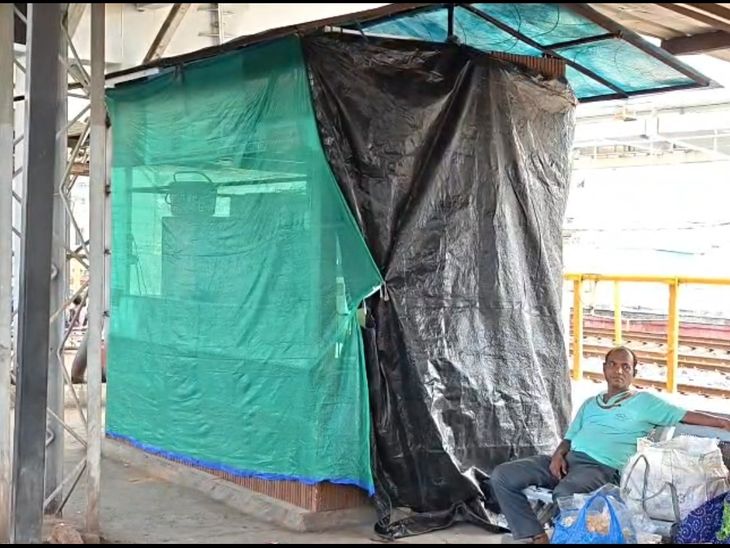
The Surat case highlights a weak link: even if a stall has a licence, enforcement between inspections can be lax, and basic housekeeping like closing display cases properly, controlling pests and discarding contaminated food can still fail.
How risky is a “rat eating puff” incident for your health?
From a microbiological standpoint, a rat inside a food display is not just disgusting; it is a real, documented health hazard.
Rats and mice are known carriers of multiple pathogens that can contaminate food:
- Salmonella and other bacteria causing diarrhoea, vomiting and fever.
- Leptospira (leptospirosis), transmitted via urine and contaminated surfaces.
- Various parasites and viruses.
If a rat is seen directly eating a puff, that food item and any items it contacted should be discarded immediately, and the surfaces thoroughly cleaned and disinfected. The problem, of course, is that passengers at a busy station may not know that contamination has happened when they buy the next puff.
The risk depends on several factors:
- How long the food stayed there after contamination.
- Temperature and storage (warm, humid conditions allow faster bacterial growth).
- Whether the food was reheated to a high enough temperature to kill pathogens. Most puffs are served warm but not always at a reliably safe core temperature.
For a healthy adult, a low dose of common foodborne bacteria may cause only mild or self‑limiting illness, but for children, elderly people, pregnant women and people with weakened immunity, the consequences can be more serious.
What this means for the average Indian railway passenger
The viral platform snacks hygiene viral video from Surat has prompted many to ask a basic question: “If this can happen at a major A‑1 station like Surat, what about smaller stations?”
Several practical realities emerge from the incident and recent crackdowns:
- Inspections are happening, but gaps remain. The fact that 39 stalls were shut on Western Railway in just eight days of checks suggests that violations are widespread, not rare.[11]
- Passengers rarely see the kitchen. At many stations, cooking and storage happen out of sight. The front counter may look clean while the back area has pests, stagnant water or poor waste management.
- Open snacks are more vulnerable. Items like puffs, samosas, kachoris, sandwiches and uncovered sweets are directly exposed to flies, dust and rodents when displays are not properly maintained.
- Packaged food is safer but not foolproof. Sealed branded products (biscuits, chips, packaged namkeen, factory‑sealed bottled water) generally carry lower contamination risk, provided you check intact packaging and expiry dates. However, overcharging, counterfeit products or improper storage (e.g., water bottles kept in the sun) are separate concerns.
In short, the Surat clip confirms what many travellers have suspected: you cannot assume that every platform snack is safe just because it is sold under a railway licence.
Safer choices on the platform: Practical checklist for chai and snacks
If you are still going to buy food at stations – and most people will – you can tilt the odds in your favour.
1. Prefer sealed and packaged items where possible
When in doubt, packaged often beats open counters:
- Factory‑sealed biscuits, chips, namkeen, chocolates from known brands.
- Sealed bottled water from reputable brands, including Rail Neer where available.
- Packaged juices, tetra‑packs, soft drinks with intact caps/seals.
Check that:
- Packaging is not puffed, leaking, torn or resealed.
- Expiry date and batch details are clearly printed and valid.
- The product carries FSSAI licence number and manufacturer details.
2. If you buy fresh snacks, use these hygiene cues
If you still want that hot puff or bhajiya, pause for 30 seconds and look:
- Display protection: Are snacks kept inside a closed glass case without obvious gaps where rodents or flies can enter? The Surat case involved a rat inside the display – the worst‑case example of what can go wrong when this barrier fails.
- Cleanliness: Is the counter visibly clean, or are there crumbs, stains, flies and overflowing bins nearby?
- Food handling: Are staff using tongs or gloves to handle food, or bare hands? Are they taking money and touching food with the same hand?
- Reheating: Are items served freshly fried/baked or properly reheated, or are they pulled cold from the display?
If the answer to any of these questions makes you uncomfortable, walk away. At a big station, you usually have alternatives.
3. Be cautious with late‑night and early‑morning food
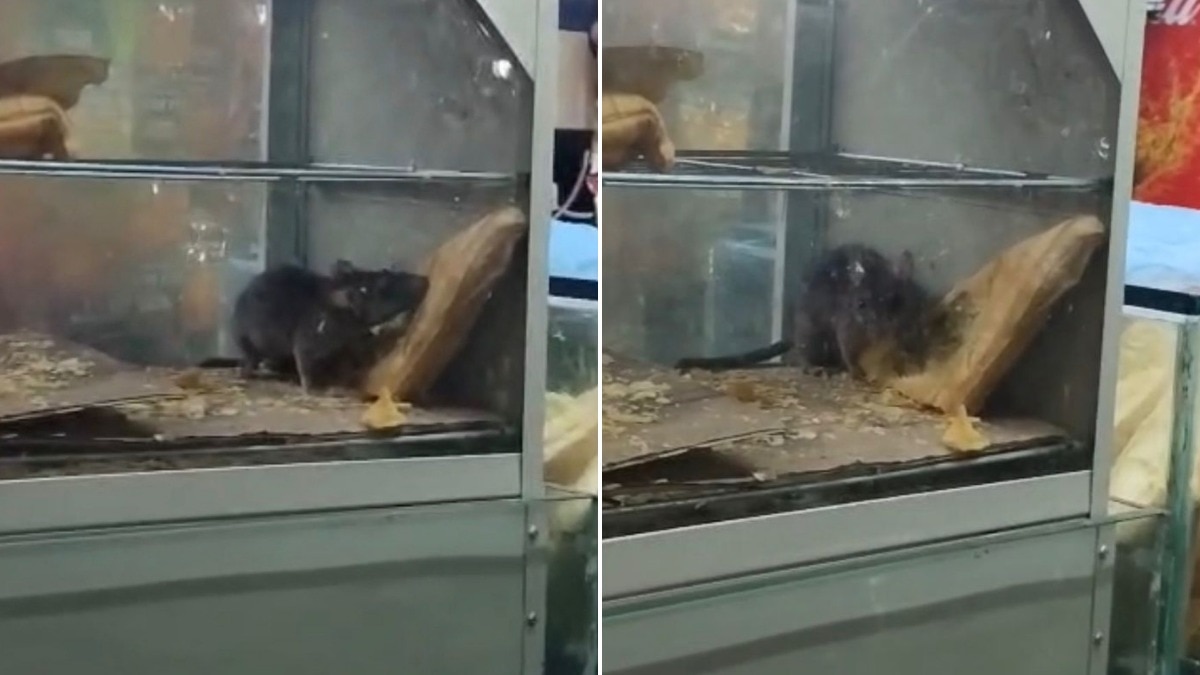
The Surat railway station rat video was filmed around 3.30 am.[1][3] This timing matters.
At odd hours:
- Staff may be fewer, and cleaning less frequent.
- Food may have been sitting for hours since the last batch was prepared.
- Pests are more active when crowds thin out.
If you must buy food at such times, stick to sealed packaged items as far as possible.
4. Know how to complain – and why it matters
The Surat incident came to light only because a passenger filmed and shared what they saw. You do not have to go viral to hold stall owners accountable.
If you see:
- Rodents or insects near food.
- Clearly stale or foul‑smelling items.
- Staff handling food in visibly unhygienic ways.
You can:
- Note the stall name, platform number, station name and time.
- Use the Rail Madad platform or helplines to file a written complaint.
- Tag official railway handles on social media with specific details and images.
Written complaints and tagged posts create a record that departments cannot ignore as easily as verbal protests at the counter.
Will this change how railways monitor food stalls?
Indian Railways has responded to food safety issues before with centralised initiatives – revamped base kitchens, Rail Neer plants, online feedback, QR codes and CCTV.[11][13][14]
Where the system still struggles is last‑mile enforcement:
- Thousands of small stalls are spread across 7,000+ stations, many in crowded, ageing facilities.
- Local enforcement depends on a mix of railway commercial staff and state food‑safety officers, whose capacity and proactiveness vary widely.
- Financial pressures and thin margins can tempt some stall owners to cut corners on pest control, cleaning and wastage.
The very public embarrassment of a rat eating puff tea stall viral clip at an A‑1 station, however, raises the cost of inaction.
Western Railway has already ordered re‑inspection of other stalls at Surat, and broader special drives across zones send a signal that the Railway Board wants visible improvement.[3][11][12][14] The fact that WR recently closed 39 stalls in eight days and that more than ₹5 crore in fines were imposed nationwide over three years shows that cancellation and penalties are now part of the toolkit, not rare exceptions.[11][13][14]
Whether this translates into consistently cleaner stalls at your home station will depend on how sustained these drives are – and how often passengers demand better.
What to do as a consumer, in one glance
If you are about to buy food on a platform and this story is on your mind, here is a quick decision tree:
- Thirsty?
- Avoid loose water from unlabelled cans or jugs unless you fully trust the source.
- Hungry for a snack?
- If buying fresh items, inspect the display, cleanliness and handling. If it looks anything like the Surat clip, do not buy.
- Need a meal?
- Spot something wrong?
The Surat video is disturbing. But it also shows the power of one passenger’s camera to push a system as large as Indian Railways to act.
Frequently Asked Questions
What exactly happened in the Surat railway station rat video?
A passenger at Surat railway station filmed a rat inside the glass display counter of M/s Dinesh Associates Tea Stall on Platform 1, nibbling on a puff or patty kept among other food items. The roughly 30‑second clip, shot around 3.30 am on 29 August 2026, went viral on social media and news channels.
What action did Western Railway take against the Surat tea stall?
Western Railway officials say the stall was immediately sealed and shut once the video came to their notice, and the outlet was cleaned and sanitised. Proceedings have been initiated to cancel the contractor’s licence permanently, with potential penalties and blacklisting also under consideration.
Is it safe to eat puffs and snacks from railway station stalls now?
The incident shows that hygiene lapses do occur, even at major stations, so there is some risk with open, ready‑to‑eat snacks like puffs, samosas and sandwiches. You can reduce the risk by choosing sealed packaged items when possible, and by checking displays, cleanliness and food handling carefully before buying fresh snacks.
What are the rules for railway station food safety in India?
Railway stalls must comply with FSSAI food‑safety regulations, which require valid licences, pest control, safe storage and protection from contamination. They also operate under Indian Railways or IRCTC contracts that mandate hygiene and allow the railways to inspect stalls, impose fines and terminate licences for violations.
Should I stop buying food from railway platforms altogether?
You do not necessarily have to stop, but you should be more selective and alert. Prefer sealed branded products and sealed water, avoid visibly unhygienic stalls, and use official complaint channels if you see serious lapses like pests, spoiled food or unsafe handling.