Swiggy Instamart FSSAI notice details: expired groceries and quick‑commerce safety
Nine FSSAI notices over alleged expired and contaminated groceries have put Swiggy Instamart under the scanner and raised wider questions about quick‑commerce food safety.
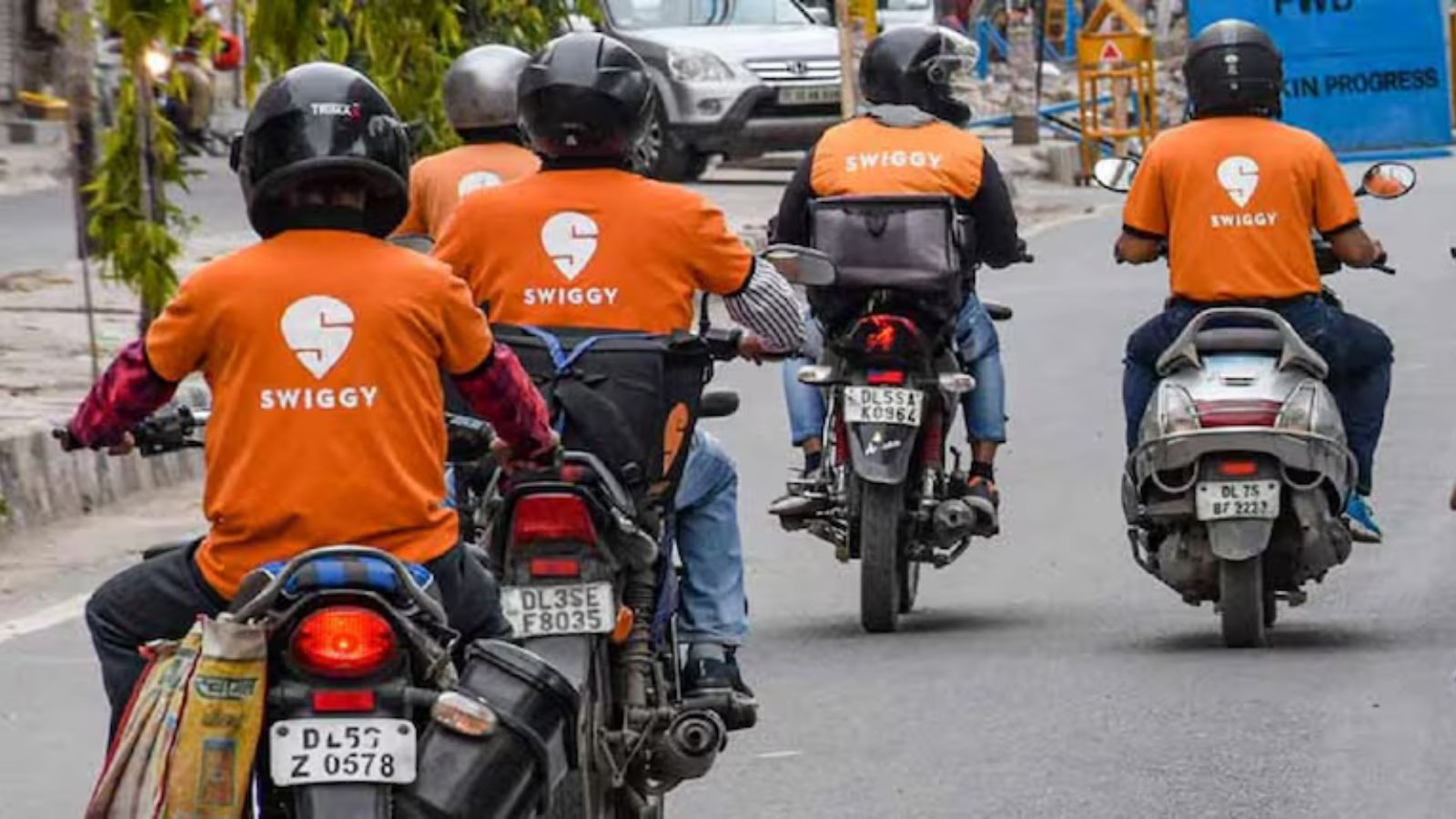
Nine notices from India’s top food regulator to one of the country’s biggest quick‑commerce platforms is not a routine compliance story.
On social media and WhatsApp, screenshots of alleged expired infant formula, protein powder and rotten eggs ordered via Swiggy Instamart are being forwarded with a single anxious question: “If Instamart can send this, how safe is any quick‑commerce grocery?”
Swiggy Instamart FSSAI notice details: What exactly happened?
On the basis of multiple consumer complaints, the Food Safety and Standards Authority of India (FSSAI) has issued nine separate notices to Swiggy Instamart under the Food Safety and Standards Act, 2006.[1][2]
According to FSSAI’s public statement, these complaints allege that Swiggy Instamart supplied expired, spoiled, rotten, contaminated and otherwise unsafe food products to consumers.[1][2] The notices refer not just to single incidents, but to patterns of alleged lapses.
In its Facebook communication, the regulator says the food business operator (FBO) – Swiggy Instamart – has been directed to submit a detailed explanation and compliance report, failing which appropriate legal action will be initiated.[2] The Indian Express, citing FSSAI documents, reports that Instamart must provide:
- Root cause analysis of the reported incidents[1]
- Details of corrective and preventive actions (CAPA)[1]
- Evidence of consumer grievance redressal measures[1]
- Steps taken to prevent recurrence, all backed by documentary proof[1]
The compliance report must be submitted within a stipulated period; failure to do so can trigger enforcement under the Food Safety and Standards Act, 2006.[1][2]
What kind of complaints: Swiggy Instamart expired food complaints
The heart of the controversy lies in what consumers say they received at their doorstep after ordering groceries from Instamart.
According to coverage based on FSSAI’s notices and summaries circulated by business media:[1][3][4]
- Expired products: Multiple complaints allege that food items were delivered after the printed “expiry” or “use‑by” date.
- Spoiled or rotten items: Consumers reported rotten eggs, spoiled milk, and foul‑smelling perishables.[1][3][4]
- Contaminated food: Some complaints describe contaminated eggs and milk, though public documents do not yet detail the exact contaminants.[1]
- Damaged packaged foods: Reports mention damaged packaging of snacks and other grocery items, which can compromise safety through exposure or tampering.[1][3]
- High‑risk categories: Among products flagged in media summaries are whey protein, packaged snacks, milk, and infant food formulations.[3][4]
A business news explainer on the Swiggy Instamart FSSAI notice details notes that concerns extend beyond the specific items to systemic issues such as inventory management, storage standards, hygiene practices and grievance handling.[3]
The regulator has also raised issues about incorrect, invalid or non‑existent FSSAI licence numbers associated with sellers on the platform, and food business entities allegedly being listed under names different from those in their registrations.[1][3][4] This goes to the heart of traceability in quick commerce.
FSSAI action against Swiggy Instamart: What powers does the regulator have?
Under the Food Safety and Standards Act, 2006, FSSAI can:
- Issue notices directing food business operators to explain alleged violations and submit compliance reports[1][2]
- Issue Prohibition Orders restricting certain activities or platforms where regulatory conditions are not met[1]
- Pursue legal action, including penalties and possible suspension or cancellation of licences in serious or repeated violations[1][2]
In parallel to the Instamart case, Swiggy recently clarified in a BSE filing that it received a Prohibition Order dated July 6, 2026, related to its separate food ordering platform “Toing”. Swiggy said this matter involved updation of licence particulars and “no food safety concerns”, but the proximity of that order to the nine Instamart notices has amplified public anxiety.[1]
The notices to Instamart focus squarely on food safety. FSSAI’s communication requires Swiggy to furnish details of:
- Quality checks and inventory management systems[3][4]
- Storage and hygiene standards across fulfilment centres[3]
- Seller verification and licence details on the platform[1][3]
- Consumer grievance redressal mechanisms and how complaints were handled[1][3]
FSSAI has publicly warned that failure to submit an adequate compliance report within the stipulated time could invite legal actions under the Food Safety and Standards Act.[2][3]
Why this is spooking markets and consumers
Economic Times and other business outlets have reported that Swiggy’s shares fell after news of the nine notices became public, reflecting investor concerns over regulatory risk and reputational damage.[user context]
At the same time, LinkedIn posts by sports medicine specialist Dr Manan Vora and others, citing expired infant food and supplements delivered via quick‑commerce platforms, have gone viral among urban professionals.[user context] Twitter discussions and Google Trends data show spikes in searches for “Swiggy Instamart expired food complaints”, “Instamart infant food expired kya hua” and “quick commerce grocery safety India”.[user context]
This combination – formal regulatory action plus vivid anecdotal complaints – is driving a broader distrust of quick‑commerce groceries, where orders are packed and dispatched from dark stores in under 10–20 minutes.
How quick commerce works – and where safety can fail
Platforms like Swiggy Instamart, Zepto, Blinkit and Dunzo operate “dark stores” – mini‑warehouses embedded in neighbourhoods.
In theory, these dark stores should comply with all standard food‑safety rules:
- Proper FSSAI licensing for the entity operating the store
- Adequate cold chain for milk, dairy, meat and other perishables
- Strict first‑expiry‑first‑out (FEFO) inventory rotation
- Regular pest control, cleaning and hygiene checks
The issues flagged in FSSAI’s action against Swiggy Instamart point to breakdowns at multiple points:[1][3][4]
- Inventory rotation: Expired products should be systematically removed before their use‑by date; if not, they can slip into orders.
- Supplier and licence verification: If sellers listed on the app have incorrect or non‑existent FSSAI licence numbers, traceability and accountability are seriously weakened.[1]
- Quality checks at dispatch: Dark‑store staff must visually inspect eggs, milk pouches and fragile packaging; damaged or foul‑smelling items should never be packed.
- Complaint handling: One FSSAI notice reportedly cites a case where a consumer was offered only a refund, with no follow‑up on the alleged food‑safety issue.[1] From a regulatory perspective, this is not enough.
Quick commerce’s core promise – speed – can make quality control harder if systems are not robust. The faster you move inventory, the more disciplined your safety systems need to be.
Why expired and spoiled products are risky – especially infant food
From a scientific and regulatory standpoint, “expired” is not just a date on a label.
For many packaged foods, the “expiry” or “use‑by” date marks the point beyond which safety cannot be guaranteed. After this date:
- Microbial growth (bacteria, moulds, yeast) can make products unsafe
- Nutrient levels can drop below what is declared, especially in infant food and supplements
- Packaging integrity (seals, laminates) can weaken, increasing contamination risk
Some categories are particularly sensitive:
- Infant formula and baby foods: These are tightly regulated. Using expired infant products can mean nutritional inadequacy and higher risk of microbial contamination for babies with immature immune systems.
- Milk and dairy: Even before the expiry date, poor cold‑chain can cause spoilage, souring and bacterial growth.
- Eggs: Rotten eggs may harbour pathogenic bacteria and produce gases; they are not just unpleasant but unsafe.
- Protein powders and supplements: While some deterioration is sensory (smell, taste), prolonged storage or poor humidity control can affect safety and efficacy.
The viral “Instamart infant food expired kya hua” conversation reflects genuine concern: parents expect zero tolerance for expiry lapses in any product given to babies.
What this means for the average Indian shopper
The nine notices do not mean that all Swiggy Instamart orders are unsafe, nor that quick‑commerce grocery safety in India is uniformly poor. They do mean:
- FSSAI has received enough serious complaints to launch a formal, multi‑notice action against one of the largest players.[1][2]
- The regulator sees systemic issues – not just one odd rotten egg – in areas like licensing, inventory, and grievance handling.[1][3]
- Other platforms may also come under closer scrutiny as FSSAI examines the quick‑commerce model.
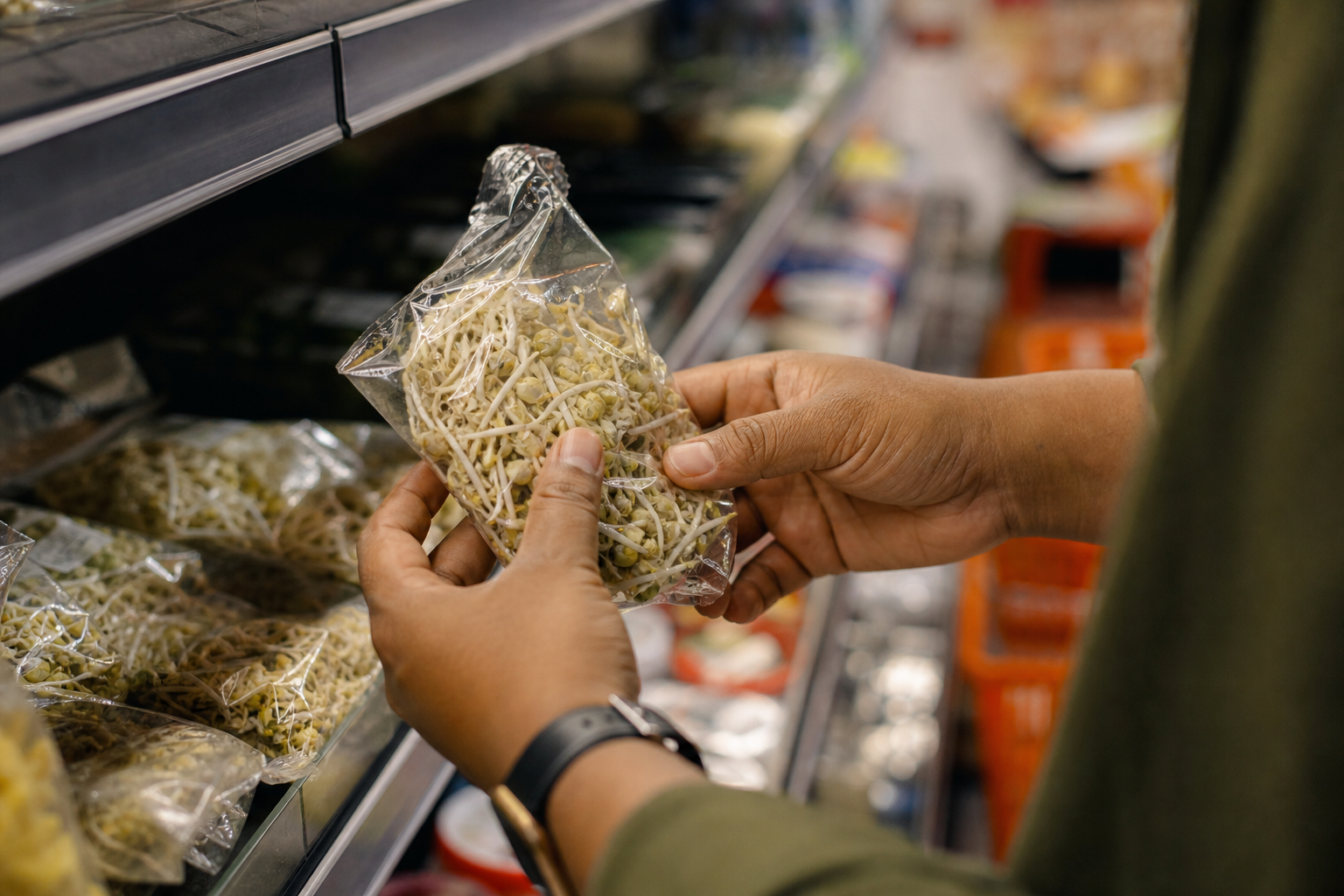
For consumers, the practical takeaway is two‑fold:
- Do not assume app convenience equals safety. Packaged groceries ordered via Instamart or competitors must be checked just as rigorously as those bought in a physical supermarket.
- Complaints matter. The current action arose because consumers documented and escalated their experiences to FSSAI. That is the pathway by which individual incidents can lead to structural change.
How to verify packaged groceries from quick‑commerce apps
Whether you use Swiggy Instamart or any other platform, adopt a personal safety checklist for every delivery:
1. Check dates and labels immediately
- Look for “Manufactured on” (Mfg), “Best before” and “Use‑by/Expiry” dates.
- For high‑risk items like infant food, milk, paneer, meat, fish and eggs, do not accept anything even close to expiry if storage has been uncertain.
- If the date is smudged, missing or inconsistent with the product type, treat that as a red flag.
2. Inspect packaging integrity
- Reject products with torn seals, swollen packs, punctured tetra bricks, and dented cans near seams.
- For eggs, open the tray and visually inspect for cracks, dirt or foul smell before putting them in your fridge.
3. Verify FSSAI licence details where visible
- Many branded packaged foods print an FSSAI licence number.
- You can cross‑check licence status on the regulator’s public portal.
- If the number seems fake or the product lists a different company than the brand name, photograph it and consider filing a complaint.
4. Be firm on replacements – not just refunds
- If you receive expired or spoiled items, insist on product replacement and formal complaint registration, not just a refund.
- Photograph the product’s label, date, packaging, and order ID before discarding anything.
5. Know how to escalate to FSSAI
If platform support feels inadequate or brushes off safety concerns, you can escalate directly to the regulator via:
- FSSAI’s Food Safety Connect app
- Email and helpline details published on its official site
Provide clear evidence: photos, order details, timelines and health symptoms if any. In the Instamart case, such consumer documentation is precisely what triggered FSSAI action.[1][2]
How regulation may evolve for quick‑commerce grocery safety in India
The Instamart notices fit into a broader pattern: regulators worldwide are catching up with new delivery models that move faster than traditional oversight.
For India, likely regulatory directions include:
- Stricter dark‑store licensing: FSSAI may demand clearer, separate licences and inspections for quick‑commerce dark stores rather than treating them like ordinary retail outlets.
- Platform accountability for sellers: The issues around invalid licence numbers and mismatched entity names suggest FSSAI will push platforms to strengthen KYC and compliance checks for all sellers.[1]
- Mandatory traceability logs: Quick commerce could be required to maintain detailed batch and dispatch records, enabling recalls and investigations when complaints arise.
- Enhanced grievance redressal standards: The regulator’s emphasis on CAPA and root cause analysis indicates that just refunding consumers will no longer be acceptable where safety violations are alleged.[1]
For now, FSSAI’s nine notices to Swiggy Instamart are a clear signal: speed of delivery cannot come at the cost of food safety and regulatory compliance.
Frequently Asked Questions
Is it safe to order groceries from Swiggy Instamart right now?
FSSAI’s nine notices highlight serious complaints and require Swiggy Instamart to explain and correct its systems, but they do not amount to a blanket shutdown. Consumers should continue to inspect every delivery carefully and report expired, spoiled or contaminated items to both Swiggy and FSSAI.
What did FSSAI say in its notices to Swiggy Instamart?
FSSAI stated that multiple consumer complaints allege Instamart supplied expired, spoiled, rotten, contaminated and unsafe food products, and raised concerns about licence details and grievance handling.[1][2] It has directed the company to submit a detailed explanation, root cause analysis and corrective action plan, failing which legal action may follow.[1][2][3]
Which products are most risky in quick-commerce grocery orders?
Products with short shelf life or high safety sensitivity are most risky: infant food and formula, milk and dairy, eggs, meat and fish, and ready-to-eat chilled items. These require strict cold-chain and inventory rotation, so even minor lapses in dark stores or delivery can lead to spoilage or unsafe contamination.
How can I check FSSAI licence details for products I receive?
Most packaged foods carry an FSSAI licence number on the label. You can cross-check this number using FSSAI’s public licence search on its official portal to verify whether the licence is valid and which company holds it. If the licence appears invalid or mismatched with the brand, document it and consider filing a complaint.
What should I do if I get expired or spoiled infant food from Instamart?
Do not feed the product to your child under any circumstances. Take clear photos of the package, dates and order details, contact Swiggy Instamart support asking for replacement and escalation, and then submit a formal complaint to FSSAI with the evidence so the regulator can investigate systemic lapses.