Swiggy Instamart Rotten Eggs Video: Are Online Egg Deliveries Safe?
What the viral allegation establishes, what it cannot prove yet, and how Indian consumers should document unsafe egg deliveries.
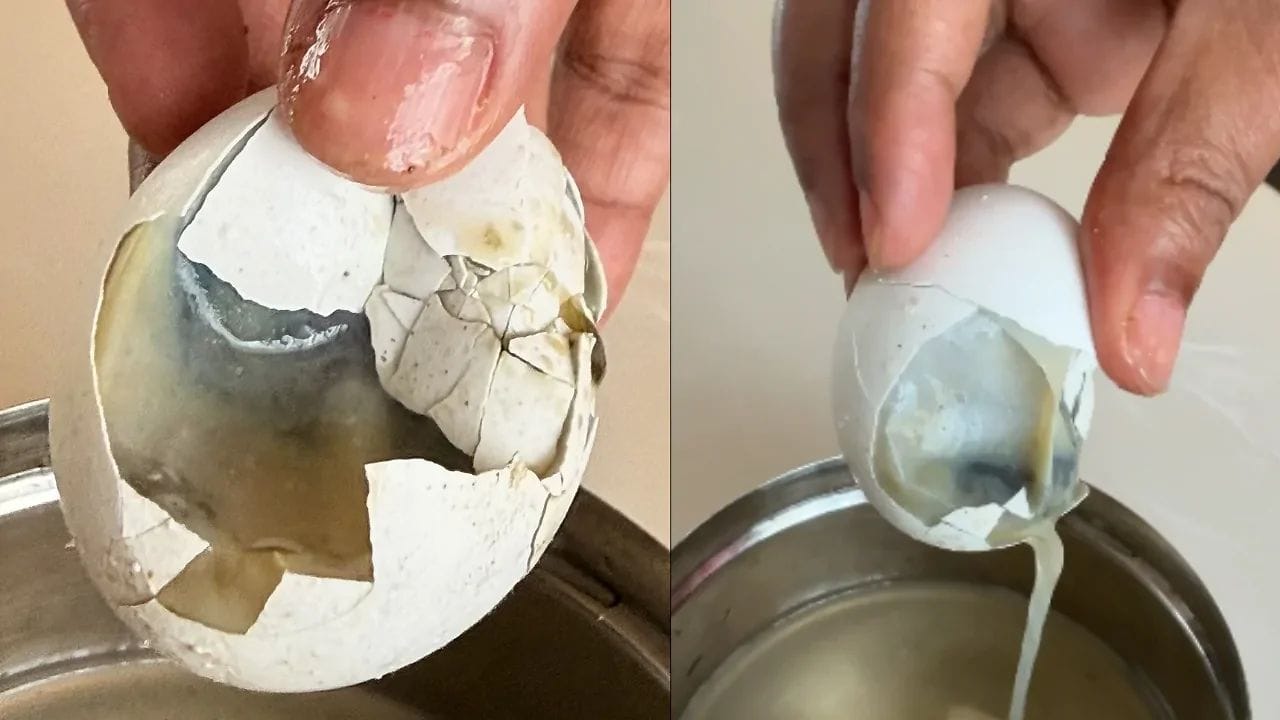
A tray of Dr Hen eggs ordered through Swiggy Instamart became the centre of a food-safety debate after journalist Sushant Sinha posted a video on X on September 30 showing eggs he said were rotten. Times Now reported that the post crossed 317,000 views within a day, turning the “Swiggy Instamart rotten eggs video” into a widely shared question: are online egg deliveries safe?[1]
The evidence currently establishes one customer’s alleged bad delivery—not that every Instamart egg, or Dr Hen eggs generally, is contaminated. The crucial unanswered question is where the failure occurred: at the farm, during packing, in a warehouse, during delivery, or after purchase.
Swiggy Instamart rotten eggs video: what happened
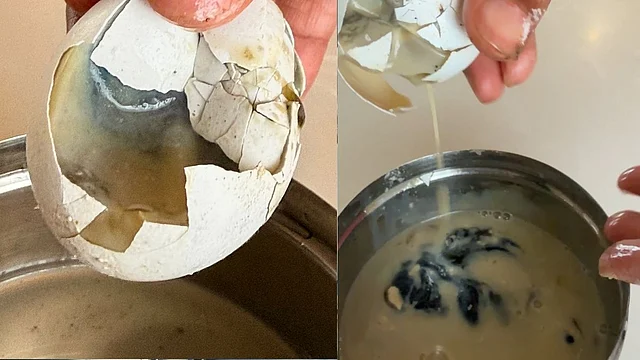
Sinha said he ordered a tray of Dr Hen eggs using Swiggy Instamart. In the video and accompanying photographs, he cracked open multiple eggs and showed dark, abnormal contents, alleging that “almost every egg” was spoiled.[1][2]
What is independently reported so far:
- The order: Sinha identified Dr Hen as the egg brand and Swiggy Instamart as the delivery platform.[1]
- The date: He posted the material on X on September 30, 2026.[1][2]
- The reach: Times Now said the post had received more than 317K views.[1]
- The visible evidence: News reports describe a video showing eggs with unusual, apparently spoiled interiors after being cracked.[1][2]
- The response: Swiggy Cares reportedly acknowledged the customer’s distress, apologised for the experience and said the matter would be examined on priority.[2]
The reports do not establish laboratory testing, the eggs’ exact production date, the temperature history of the order, or whether the entire batch was affected. “Rotten eggs delivered online” is therefore a fair description of the allegation, but not yet proof of a farm-wide or brand-wide contamination event.
What the video can—and cannot—prove
A visibly decomposed egg is a valid reason to reject a delivery and seek a refund. It cannot, by itself, identify the cause of spoilage or prove that the eggs were unsafe before leaving the producer.
Possible failure points include:
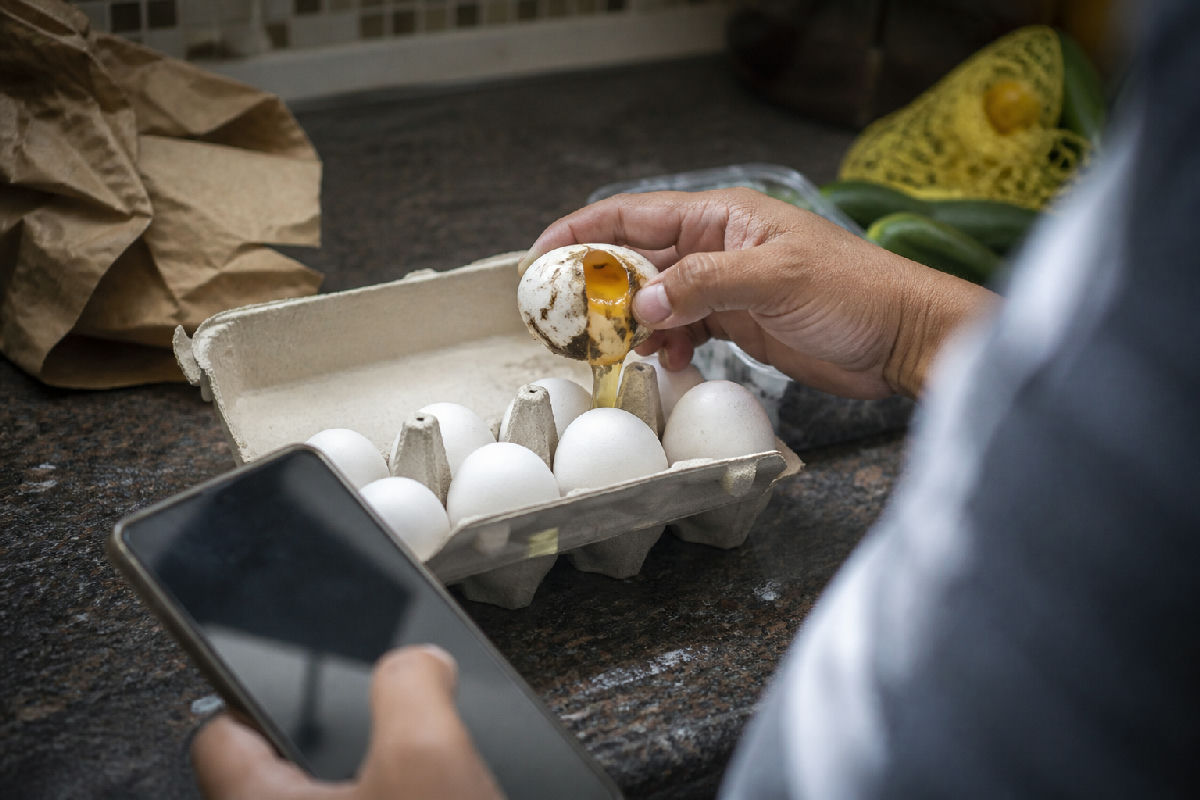
- Pre-existing spoilage: Eggs may have been old, cracked, contaminated or improperly stored before reaching the fulfilment centre.
- Warehouse conditions: Heat, moisture, poor stock rotation or damaged packaging can reduce quality, particularly for perishable goods.
- Transport exposure: A delivery delay or high ambient temperature may worsen an already compromised product, although it would not automatically explain every case of internal spoilage.
- Batch-level defect: Several affected eggs from one tray could indicate a packing or supply-chain problem, but that requires batch records and testing.
- Post-delivery handling: Time spent unrefrigerated after delivery matters, so the timeline from doorstep to opening should be documented.
Neither Swiggy nor Dr Hen had, in the reports reviewed, published a detailed public explanation of the batch, storage logs or laboratory findings. Until those facts emerge, consumers should separate the documented customer experience from broader claims about all online egg deliveries.
Sushant Sinha rotten eggs: what this means for shoppers
The incident matters because quick-commerce apps increasingly sell food that consumers expect to arrive ready for immediate use. A platform’s responsibility does not end with displaying a product: perishable goods also require stock rotation, hygienic handling, suitable storage and a usable complaint trail.
For the average shopper, the practical risks are specific:
- A sealed tray is not proof of freshness. Shells can look normal while the contents have deteriorated.
- A low delivery time does not guarantee safe handling. The relevant chain includes the producer, distributor, dark store and rider.
- A single viral post is a warning signal, not a prevalence study. It supports investigation, not a conclusion that all Dr Hen or Instamart eggs are bad.
- Refunds and safety complaints are different. A refund addresses the transaction; a food-safety complaint helps regulators identify recurring or batch-level failures.
Food-safety decisions should be based on the product in front of you. Do not taste an egg to check it, and do not mix a suspect raw egg with other ingredients.
What to do if rotten eggs are delivered online
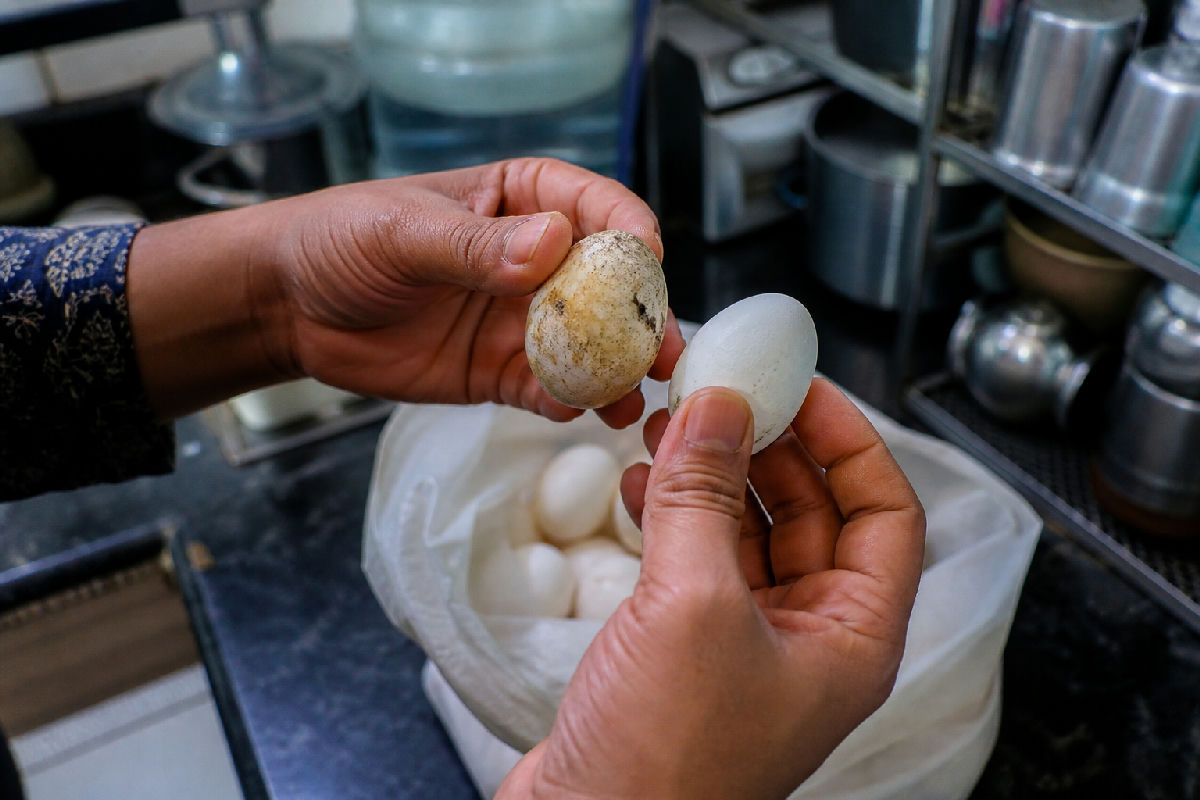
Use this checklist before discarding the evidence:
- Stop using the tray. Keep the eggs separate from other food, avoid tasting them and wash hands and contaminated utensils with hot soapy water.
- Record the order immediately. Save the order number, delivery time, seller or store name, product listing, quantity, price and invoice.
- Photograph the packaging. Capture the brand, batch or lot code, packing date, best-before date, FSSAI licence details if printed, barcode and any cracks or leakage.
- Film the condition before disposal. Take clear photographs or video in good light, including the whole tray and individual eggs. Do not rely only on a screenshot of a social-media post.
- Contact the app in writing. Use Instamart support, select the food-quality or damaged-product category, request a refund and ask for escalation to the food-safety or quality team.
- Ask for traceability information. Request confirmation of the fulfilment store, batch review, whether other orders from the same lot were affected and what corrective action was taken.
- Keep the product when practical. If the platform or regulator asks for a sample, seal it separately and refrigerate it without opening further; follow official instructions rather than sending food to an unknown address.
- Escalate repeated or serious failures. File a complaint through the National Consumer Helpline and report suspected unsafe food to the relevant state food-safety authority or FSSAI channels, attaching the invoice and evidence.
For an Instamart egg refund, consumers should first use the in-app order record, but a refund should not be treated as a finding that the product was safe or unsafe. Ask for a complaint reference number and preserve all chat transcripts.
How to check eggs at home
A foul smell, leaking shell, cracks, slimy residue or unusual colour after cracking are reasons not to consume an egg. The water-float test may indicate age, but it is not a reliable safety test and cannot replace visual inspection, date checks or proper cooking.
Store eggs according to the package instructions and keep them away from ready-to-eat foods. If an egg has been exposed to heat, contamination or damage, cooking is not a dependable way to “rescue” a visibly spoiled product.
What regulators and science can establish
Egg spoilage can result from microbial growth, shell damage, age or unsuitable temperature and humidity conditions. The appearance in a viral video may justify testing, but only laboratory analysis can identify a pathogen or establish the precise cause.
A proper investigation would compare the affected eggs with unopened eggs from the same lot, examine packing and dispatch records, review storage temperatures and inspect the relevant fulfilment location. It should also establish whether the problem was isolated to one tray, one store, one delivery route or a wider batch.
Consumers should be cautious with claims that the video proves a particular company’s entire supply is unsafe. At the same time, a platform should not dismiss a case involving multiple apparently spoiled eggs as an ordinary one-item refund without checking traceability and stock from the same lot.
Frequently Asked Questions
Are Dr Hen eggs rotten or unsafe?
The viral post documents Sushant Sinha’s allegation that several Dr Hen eggs delivered through Instamart were spoiled. It does not establish that all Dr Hen eggs are unsafe; that requires batch records, inspection and laboratory testing.
Is it safe to order eggs from Swiggy Instamart?
Online egg delivery can be safe when the producer, warehouse and delivery chain maintain suitable hygiene, stock rotation and storage. Inspect the tray on arrival and do not consume eggs that are cracked, leaking, foul-smelling or visibly spoiled.
How can I get an Instamart egg refund?
Open the order in the Swiggy app, report the product under food quality or damaged items, upload photographs and request a refund. Save the complaint number and chat record, especially if the product appears unsafe or several eggs are affected.
What should I do if rotten eggs are delivered online?
Do not eat or taste them. Photograph the tray, labels, batch details and opened eggs, preserve the invoice, request a refund and escalate to consumer or food-safety authorities if the response is inadequate or the issue appears repeated.
What did Swiggy say about the rotten eggs video?
Reports said Swiggy Cares apologised for the customer’s experience and said the issue would be examined on priority. A detailed public finding about the batch, storage conditions or laboratory testing had not been reported in the coverage reviewed.