Worms in Maggi Packet: What Nestlé Has Confirmed So Far
A Kalyan consumer’s video has triggered fresh questions about an in-date packet, but the evidence remains an allegation awaiting examination.
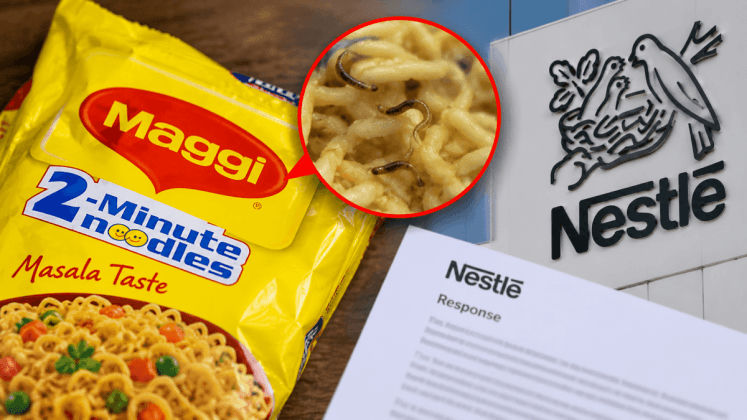
A video from Kalyan, Mumbai, alleging live worms and insects inside an in-date Maggi noodles packet has spread across social media and news reports. The packet reportedly carried a February 2027 expiry date, but as of September 29, 2026, neither the allegation nor the cause of the reported contamination has been independently established.[1][2]
Worms in Maggi packet: what the viral video actually establishes
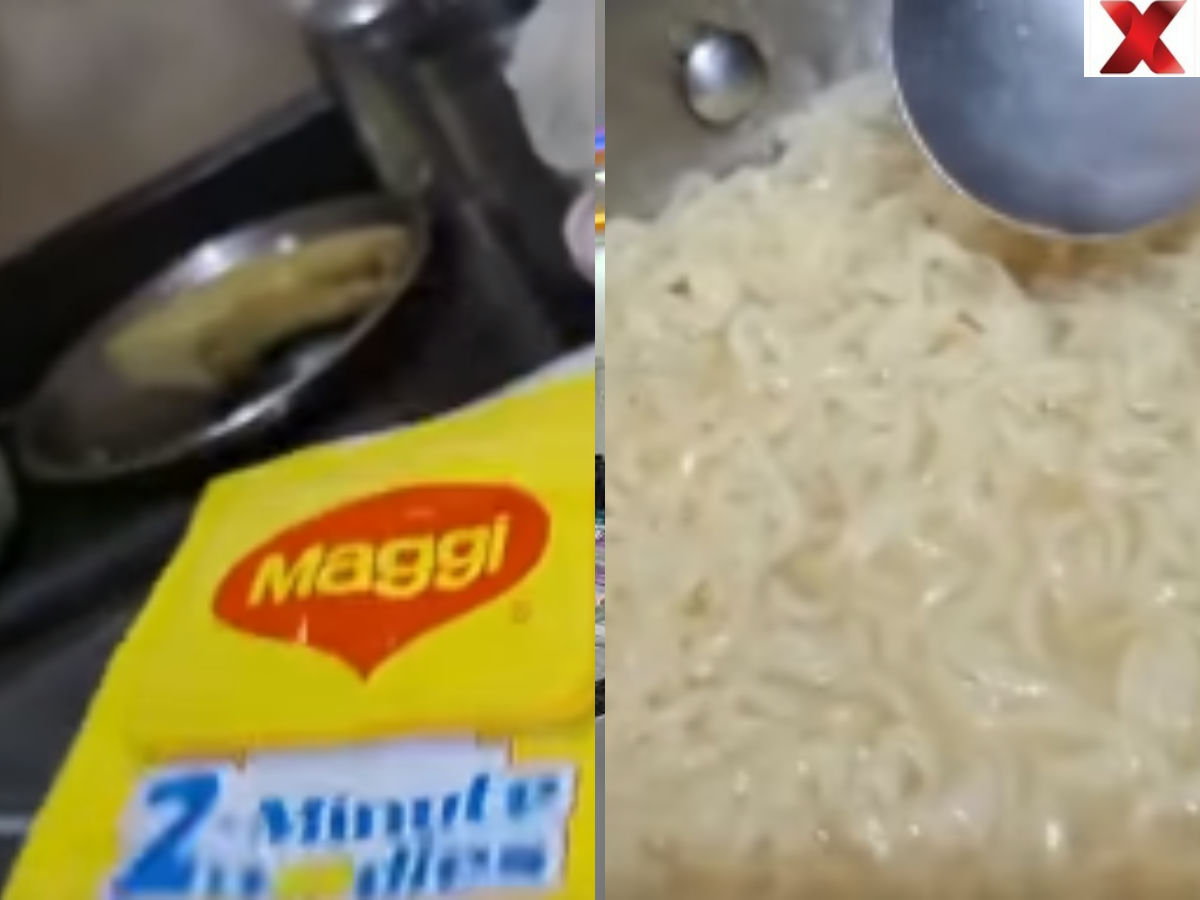
The reported incident involves a Kalyan consumer who allegedly opened a Maggi packet while preparing the noodles and found material described in reports as live worms, larvae or insects. A video showing the alleged contamination was circulated online and subsequently reported by Madhyamam, NDTV and IB Times.[1][2][3]
The key point is the distinction between an allegation and a verified food-safety finding. The available reports do not establish that the material came from the factory, confirm the product’s batch history, identify the organisms, or record an inspection or laboratory result.
Three facts are currently documented:
- The complaint concerns one reported packet. News reports identify the consumer as being from Kalyan, in the Mumbai metropolitan region.[1][2]
- The packet was reportedly in date. Reports say its stated shelf life extended to February 2027, which is why the video prompted questions about how insects could appear before expiry.[1][3]
- The video was amplified, not independently authenticated. Coverage confirms that it circulated widely enough to prompt media reporting, but no available report provides a verified view count, laboratory certificate or regulatory finding.[1][2]
The expiry date alone cannot prove that a product was safe when opened. Conversely, a disturbing video alone cannot prove manufacturing contamination. Storage conditions after purchase, damage to packaging, humidity, handling and the possibility of counterfeit or improperly stored stock would all need to be investigated before assigning a cause.
Nestlé Maggi insect complaint: what Nestlé has confirmed
Nestlé India’s response, reported on September 27–28, is narrower than many social-media posts suggest. The company said it learned of the matter through media reports and that neither the consumer nor authorities had contacted it directly at that stage.[1][2]
Nestlé said it could not comment on the authenticity of the concern without receiving a direct complaint or the product for examination. It also said its products undergo quality and food-safety checks from raw-material sourcing through manufacturing and packaging.[2][3]
That means Nestlé has not confirmed that worms were present, and it has not confirmed that the packet was contaminated at manufacture. Its public statement is a position on the status of the investigation: the company says it has not received the evidence needed to authenticate the claim.
The company’s general description of quality controls is not a test result for the packet shown in the video. A meaningful investigation would require the unopened or opened product, the complete packaging, batch and manufacturing details, purchase information and, ideally, an intact comparison sample from the same batch.
Maggi packet February 2027 expiry: what it means for shoppers
An in-date label is important, but it is not a guarantee that every packet has remained undamaged or properly stored. Consumers should read the date together with the packet’s physical condition and traceability information.
For the average shopper, the viral claim has four practical implications:
- Do not eat visibly contaminated noodles. If you see insects, larvae, webbing, unusual movement, foul odour or damaged contents, stop using the product.
- Do not rely on boiling to make it acceptable. Cooking may kill some organisms, but it does not resolve possible contamination, spoilage or chemical risks.
- Do not discard the evidence immediately. Throwing away the packet makes it harder for the manufacturer or food-safety authorities to investigate.
- Do not generalise from one allegation. The reports concern a specific claimed packet; they do not establish that all Maggi products or all packets from the same brand are contaminated.[1][2]
Dry noodles and seasoning are typically protected by sealed packaging, but a compromised seal, puncture, moisture exposure or poor storage can change the risk. A retailer, distributor and manufacturer may each need to examine the chain of custody.
What to do if you find worms or insects in Maggi
Preserve the product before contacting the company or authorities. Use this checklist:
- Stop eating and isolate the packet. Keep the noodles, seasoning sachet and any visible material away from children and pets. Do not mix them with other food.
- Photograph everything clearly. Take close images and video of the alleged worms or insects, the noodles, inner sachet, outer packet, seal, batch or lot code, manufacturing details, expiry date and barcode.
- Keep the original packaging. Place the product in a clean, sealed container or bag without washing, drying or chemically treating it. Do not throw away the packet or transfer the contents unnecessarily.
- Record the purchase trail. Note the shop, location, date and time of purchase, date opened, storage conditions and whether the packet appeared swollen, torn, damp or resealed. Keep the bill, delivery record or payment proof.
- Report it directly. Contact Nestlé India through its official consumer-care channel and ask for a complaint number and instructions for sample collection. You may also report suspected unsafe food to the relevant state food-safety authority or FSSAI’s consumer complaint system.
- Seek medical advice if symptoms occur. Persistent vomiting, diarrhoea, abdominal pain, fever, breathing difficulty or an allergic reaction after eating warrants prompt medical attention. Keep the product and medical records available.
Do not post personal contact details or accuse a shopkeeper or manufacturer of criminal conduct before an investigation. Public allegations can spread faster than the evidence needed to test them.
Are Maggi noodles safe after the viral video?
The available reporting does not establish a blanket recall, a confirmed batch-wide contamination event or a regulatory order against Maggi in connection with this allegation. It also does not provide enough evidence to declare the specific packet authentic, contaminated at source or safe.[1][2][3]
Consumers who choose to buy packaged noodles should inspect the seal, avoid packets that are wet, punctured, swollen or unusually damaged, and retain the batch details until the product is consumed. If a packet looks or smells abnormal, do not taste it to check.
Are Maggi noodles safe to eat after the worms viral video?
The reports available so far do not confirm widespread contamination or a recall. Do not consume any packet that is damaged, damp, infested or otherwise abnormal; preserve it and report the problem instead.[1][2]
What did Nestlé say about the worms in Maggi packet claim?
Nestlé India said it learned about the matter through media reports and had not been contacted by the consumer or authorities at the time of its response. The company said it could not comment on authenticity without direct access to the complaint and product.[2][3]
Does a February 2027 expiry date prove the Maggi packet was safe?
No. It indicates the printed shelf-life date had not passed, but it does not establish how the packet was stored, whether the seal was intact, or whether the product was genuine. Those questions require examination of the product and supply chain.
What should I do if I find insects in a Maggi packet?
Stop eating it, preserve the packet and contents in a sealed container, photograph the batch and expiry details, retain purchase proof, and report it to Nestlé India and the relevant food-safety authority. Seek medical advice if anyone develops symptoms.
Has the Maggi worms viral video been independently verified?
No independent laboratory or regulatory verification is identified in the available coverage. The video and the consumer’s account have been reported, while the authenticity and source of the alleged contamination remain unresolved.[1][2]