Hajmola Lab Test Video Crosses 1.3 Million Views: What It Shows
The viral video raises legitimate questions about ingredients and testing, but its claims need batch-specific evidence and independent confirmation.
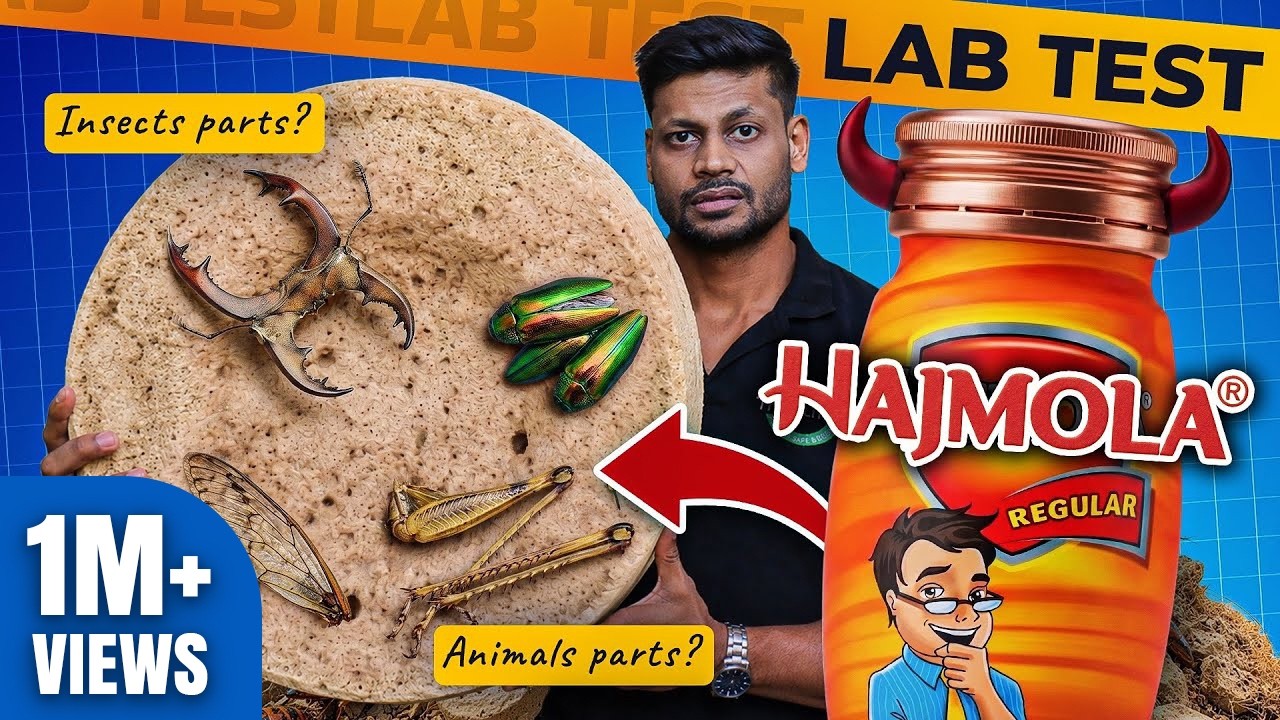
A YouTube video titled “Dabur Hajmola Lab Test” has crossed 1.33 million views, making Hajmola one of the most searched packaged-food stories circulating on YouTube, Google and WhatsApp. But virality is not the same as verification: the video is a consumer lead, not by itself proof that every Hajmola product is unsafe or that its findings apply to every flavour and batch.
Hajmola lab test: what the viral video actually establishes

The strongest public evidence is the existence and reach of the Trustified video. A November 2026 topic tracker listed 1,334,290 views, 74 ranking videos across 66 YouTube channels and approximately 374,697 Hajmola-related YouTube views per day during the week of November 7.[1]
That answers one question clearly: consumers are actively looking for an independent check of a familiar digestive tablet. It does not answer whether the tested sample represents all Hajmola sold in India.
5 things viewers should separate
- The video is a screening claim, not a regulatory order. A creator’s laboratory report can raise a legitimate question, but enforcement requires a competent authority to examine sampling, chain of custody, test method and laboratory accreditation.
- The sample matters. A result can be affected by flavour, manufacturing location, batch number, packaging condition and storage. Without those details, viewers cannot responsibly generalise from one jar to every Hajmola tablet.
- A detected ingredient is not automatically illegal. Food additives may be permitted under Indian standards at specified conditions and limits. “Found” and “unsafe” are different conclusions.
- Acidity is not the same as corrosiveness. Sourness or a low pH may explain Hajmola’s taste, but risk depends on concentration, exposure, quantity consumed and the person’s health condition.
- The video needs independent replication. The viral report should be compared with a second test from a suitably accredited laboratory using a sealed, traceable sample. Independent confirmation of the specific findings was not available in the material reviewed for this article.
What the public product information says
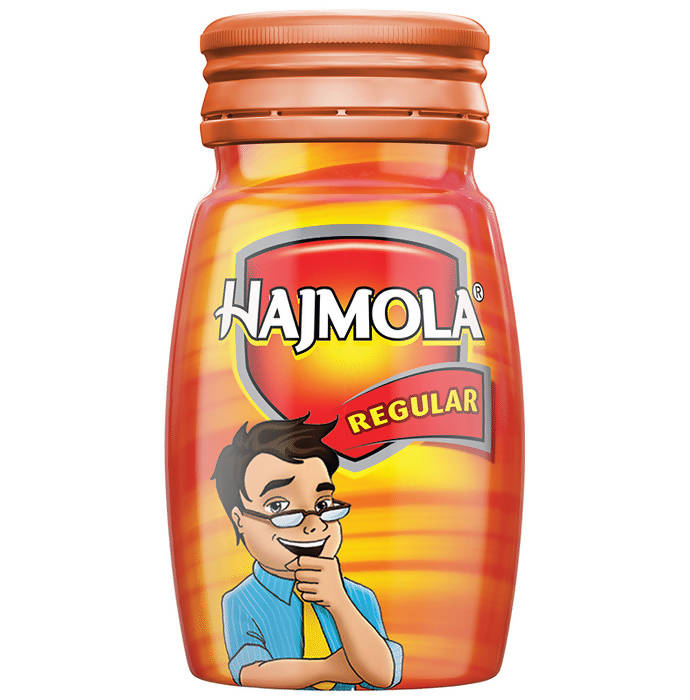
Retail listings describe Hajmola as a chewable digestive tablet made with combinations of edible salts, spices and a sugar base. Depending on the flavour, listed ingredients can include black salt, cumin, ginger, black pepper, long pepper, lemon, sugar and flavouring substances; formulations vary, so the pack in a consumer’s hand remains the controlling source.[2][6][9]
That variation matters. Regular, Imli, Anardana, Chatcola, Pudina and other versions should not be treated as chemically identical. A test of one product cannot establish the composition or safety profile of another.
Hajmola ingredients and Hajmola made of what: the label is the evidence
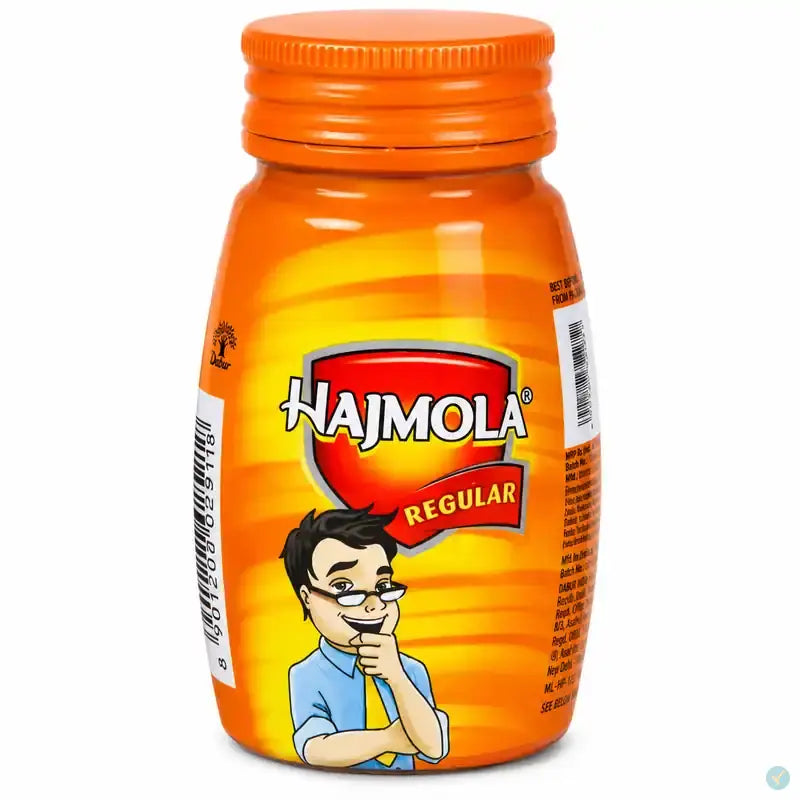
Consumers searching “Hajmola ingredients” and “Hajmola made of what” should start with the back label, not a viral thumbnail. Check the exact flavour, net quantity, batch or lot number, manufacture date, best-before date, FSSAI licence details, nutrition panel and full ingredient declaration.
A practical reading guide:
- Edible salts: Black salt and other salts contribute to the strong savoury taste. People limiting sodium should count Hajmola as a salty food, not as a medicine exempt from dietary limits.
- Sugar or sweetening base: Some listings identify a sugar base. This is relevant for people monitoring sugar intake, diabetes or total daily calories.
- Spices and botanicals: Cumin, ginger, black pepper and related ingredients are food components, but “traditional” does not mean universally suitable for everyone.
- Acidulants and flavouring: These may create the tangy profile. The label should identify them according to applicable labelling requirements; a laboratory result must still quantify what was found.
- Additives: An additive’s presence requires context: its permitted use, maximum level where applicable, analytical uncertainty and the amount a person actually eats.
Online listings are useful orientation, but they can be incomplete or outdated. Packaging can change by flavour and batch, and one retailer explicitly advises buyers to check the physical pack for the full ingredient, allergen and nutrition information.[4]
Hajmola side effects: what consumers can reasonably infer
The most defensible concern is not that one tablet is automatically dangerous. It is that frequent or excessive consumption can add salt, sugar, acids and concentrated spices to the diet, while people with reflux, sensitive teeth, mouth irritation or sodium restrictions may notice symptoms sooner.
Possible consumer complaints can include heartburn, stomach discomfort, mouth irritation or dental sensitivity, but a social-media video cannot establish how common these effects are or prove that Hajmola caused a particular illness. Anyone with persistent symptoms should stop the product and seek medical advice rather than self-diagnose from online claims.
What this means for an average Indian shopper
- Treat Hajmola as a confectionery-style digestive tablet, not a treatment. “Digestive” branding does not replace medical advice or prove that a product cures indigestion.
- Portion size matters. Eating several tablets repeatedly changes exposure to salt, sugar, acids and flavouring compounds.
- Children need supervision. Keep the jar away from unsupervised young children and follow the pack’s serving guidance.
- Health conditions change the calculation. People with hypertension, kidney disease, diabetes, reflux or dental sensitivity should check the label and ask a clinician or dietitian if they consume it regularly.
- Do not confuse a failed-looking demonstration with a failed food-safety test. Colour changes, fizzing, burning sensations or pH strips can be useful demonstrations, but they do not substitute for validated chemical and microbiological analysis.
Is Dabur Hajmola safe? A consumer checklist
No blanket safety conclusion can be drawn from the viral video alone. Use this five-step check before buying or consuming the product.
- Match the report to the pack. Note flavour, batch number, manufacturing date and pack size. If the video does not disclose these, treat broad claims cautiously.
- Read the ingredient panel. Look specifically for salt, sugar, acidulants, colours, flavouring substances and declared additives.
- Check the seal and storage. Reject damaged, leaking, tampered or unusually discoloured packs. Keep the jar dry and closed.
- Control frequency. Follow the label rather than eating tablets continuously as a snack. Stop if it causes discomfort.
- Demand the missing evidence. For a serious claim, look for the complete laboratory report, test standard, lab credentials, sample chain of custody, measured values and a response from the manufacturer or regulator.
A video can be valuable even when it is not conclusive: it may prompt a brand, FSSAI or an independent laboratory to publish verifiable results. Until that happens, the responsible position is neither “the product is proven toxic” nor “nothing needs checking.”
Frequently Asked Questions
What did the Hajmola lab test video find?
The Trustified video titled “Dabur Hajmola Lab Test” became viral and was listed with 1,334,290 views in November 2026.[1] The public information available here does not independently verify the video’s specific laboratory findings, so viewers should not treat its claims as final proof about every Hajmola product.
Is Dabur Hajmola safe to eat?
The viral video alone does not establish that Hajmola is unsafe. Safety depends on the exact formulation, batch, amount consumed, applicable standards and verified test results; consumers should follow the label and avoid it if it causes symptoms.
What is Hajmola made of?
Product listings describe flavour-dependent combinations of edible salts, sugar or a sugar base, cumin, ginger, black pepper and other spices or flavouring ingredients.[2][6][9] The ingredient list printed on the specific pack is the most reliable answer because formulations vary.
Does Hajmola have side effects?
Regular or excessive intake may be unsuitable for people managing salt or sugar intake and may aggravate symptoms such as reflux, mouth irritation or dental sensitivity in some consumers. Persistent or severe symptoms require medical advice rather than interpretation of a social-media video.
Should I stop buying Hajmola?
There is not enough independently verified evidence here to recommend a blanket boycott. Check the label, buy sealed products from reliable retailers, limit consumption and wait for a complete, independently reproducible report before making a product-wide safety judgment.