The India Story food adulteration real facts: what’s true?
The film’s teasers amplify real fears about adulteration, but the cancer-linked number circulating online is not established public-health evidence.

# The India Story food adulteration real facts: What’s true about the viral cancer claim?
When a film teaser begins with milk, spices and vegetables and ends with a claim that one in three Indian families is battling cancer, it is designed to shock. The upcoming film The India Story has done exactly that, using hard-edged food-adulteration imagery and social-media clips that are now being shared as if they were public-health evidence.[1][3][5]
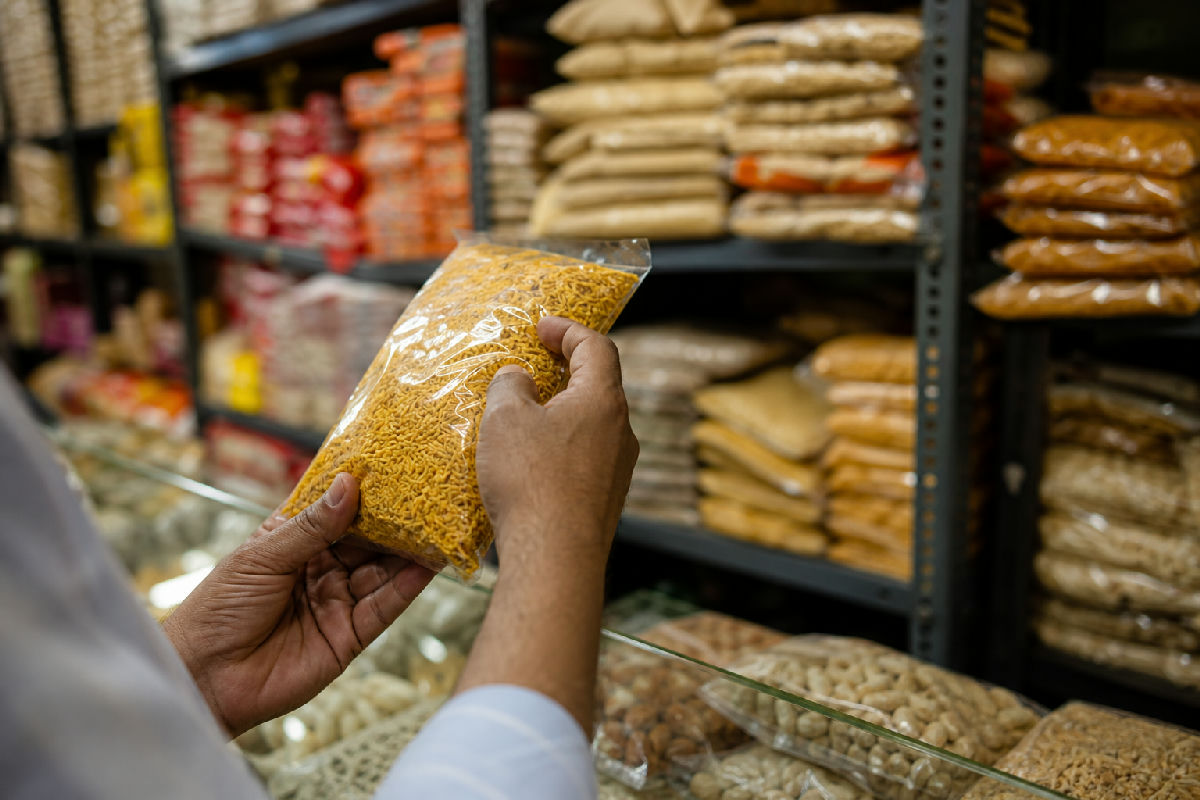
That is where consumers need a pause. India does have a long record of food adulteration, pesticide misuse, contamination scandals and uneven enforcement. But the viral claim that 1 in 3 Indian families has cancer because of adulterated food is not established by the film’s promotional material, nor by the public health and regulatory sources available today.[1][5]
The India Story food adulteration real facts
The teaser for The India Story has been reported as a socio-political drama built around India’s food-adulteration crisis, including misuse of pesticides and chemicals in daily consumed food items.[1] The film is scheduled for release in Telugu, Hindi and Tamil on 24 July 2026.[1]
The viral hooks around the movie are not subtle. Promotional Reels and posts are circulating phrases such as “the true price of food fraud,” “1 in 3 families fighting cancer,” and warnings about milk, vegetables and packaged foods.[3][5][6][7] That language is powerful, but it blurs a crucial difference between documented food safety risks and a causal cancer claim that would require strong epidemiological evidence.
The public record does support a narrower, more defensible statement: India has recurring problems with food adulteration and contamination, and regulators periodically act against unsafe products and distributors. The record does not support reducing cancer in Indian families to a single cause or implying that most packaged groceries are literally “poison.”
What the viral clips claim, and what the evidence actually shows
One widely shared promotional post claims that “two people are dying every minute” and that “one in three families is affected by cancer,” tying that directly to food adulteration.[5] Another teaser-focused post says the film exposes harmful chemical injections and pesticides in everyday food.[1][3][7]
Those claims need to be separated into three parts:
- Food adulteration exists in India. This is well documented through enforcement actions, court cases, consumer complaints and routine testing by food regulators.
- Pesticide misuse is a real concern. Excess residues, unsafe application practices and poor supply-chain controls are part of the food-safety conversation.
- “1 in 3 Indian families cancer adulterated food claim” is not established as fact. The promotional content does not provide a public, verifiable scientific source for that number, and it should not be treated as a national health estimate.[1][5]
A movie teaser is not a clinical study. If a cancer statistic is going to be used in public debate, it should be tied to population-based cancer registry data, peer-reviewed analysis and a clear methodology. Without that, the number is best understood as a dramatic framing device, not an evidence-backed public-health estimate.
Are Indian groceries full of pesticides?
This is one of the most searched questions around the viral clips, and the honest answer is: not uniformly, but pesticide exposure is a legitimate concern. India’s food system includes millions of small farms, variable pesticide practices, and supply chains where residue monitoring is not equally strong everywhere.
That does not mean all produce is unsafe. It means consumers should distinguish between:
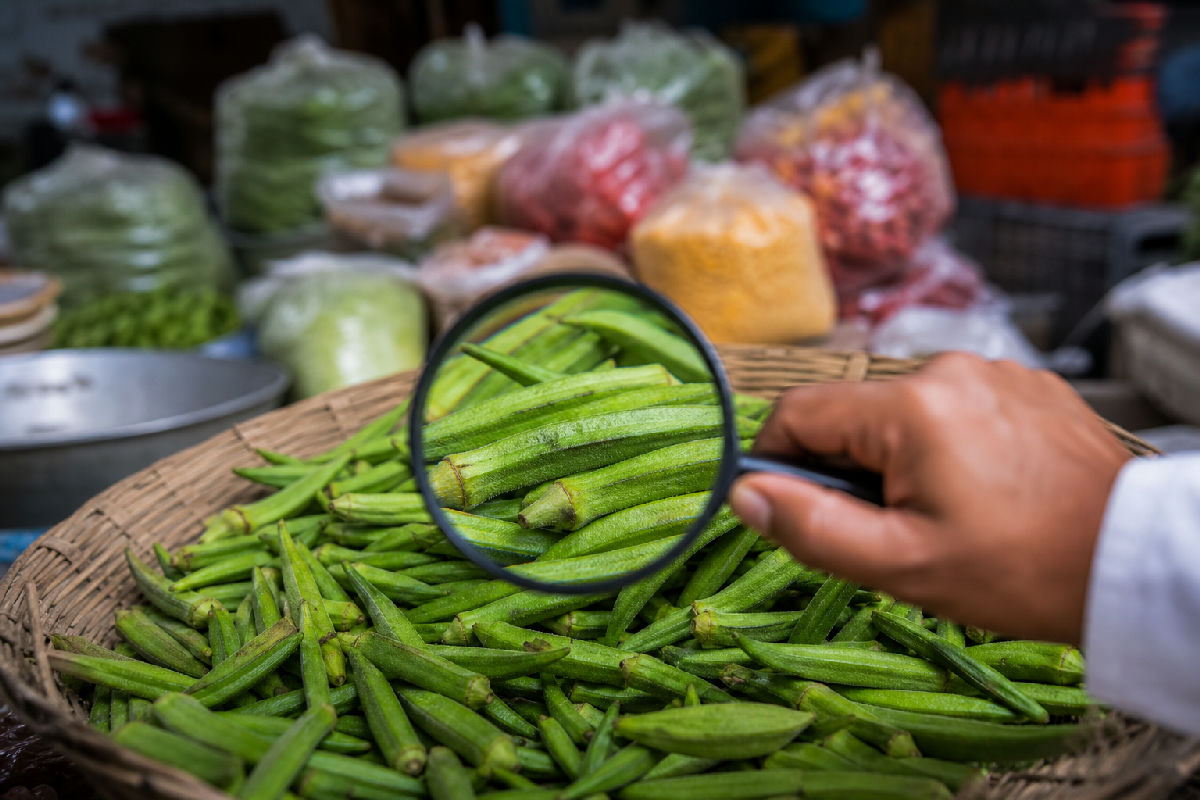
- Residue above legal limits, which can trigger regulatory action.
- Trace residues below legal limits, which may still worry consumers but are treated differently by regulators.
- Misuse or overuse, which can create higher-risk situations and is the main problem that activists and public-health advocates are highlighting.
The viral content’s strength is that it points to a real issue. Its weakness is that it often collapses every contamination risk into one alarming claim about cancer, without showing the underlying data.
Is packet milk in India adulterated?
For consumers asking “is packet milk in India adulterated,” the answer is more specific than a yes-or-no headline. Packaged milk is not presumed adulterated, but milk is one of the most frequently discussed foods in adulteration cases because it is easy to dilute, reconstitute or contaminate if supply chains are weak.
Indian regulators have repeatedly warned about food adulteration in the dairy sector, and media coverage around enforcement actions continues to fuel public anxiety.[2][8] But suspicion should not replace testing. The safety of any particular milk pack depends on brand controls, cold-chain integrity, licensing, local handling and whether the product has passed required standards.
Consumers should also remember that “adulteration” can mean several things: dilution with water, addition of neutralizers, use of fat substitutes, poor hygiene, or mislabelling. These are different violations, and they carry different health risks.
Why this topic is viral now
The current wave is being driven by promotional Instagram Reels that frame The India Story as an expose of hidden food fraud.[3][4][5][7] The posts are being stitched, commented on by health creators and shared in parenting circles because they tap into a pre-existing fear: that ordinary Indian groceries may be silently harming families.
That fear is understandable. Food scandals have a long shelf life in India because they affect everyday habits, not abstract policy. A bad batch of milk or contaminated spice can feel more intimate than many other consumer risks.
But virality is not proof. The fact that a clip gets tens or hundreds of thousands of views does not validate every number inside it.
Regulatory background: what India can and cannot guarantee
India’s food-safety framework is built around standards, testing and enforcement, but it is not perfect. The Food Safety and Standards Authority of India, state food departments and local enforcement teams all play a role, yet the system depends heavily on inspection capacity and sample testing.
That is why food-adulteration stories keep returning. They expose a gap between legal standards and everyday market reality. In practice, consumers often discover problems only after media investigations, court orders, whistleblowers or raids.
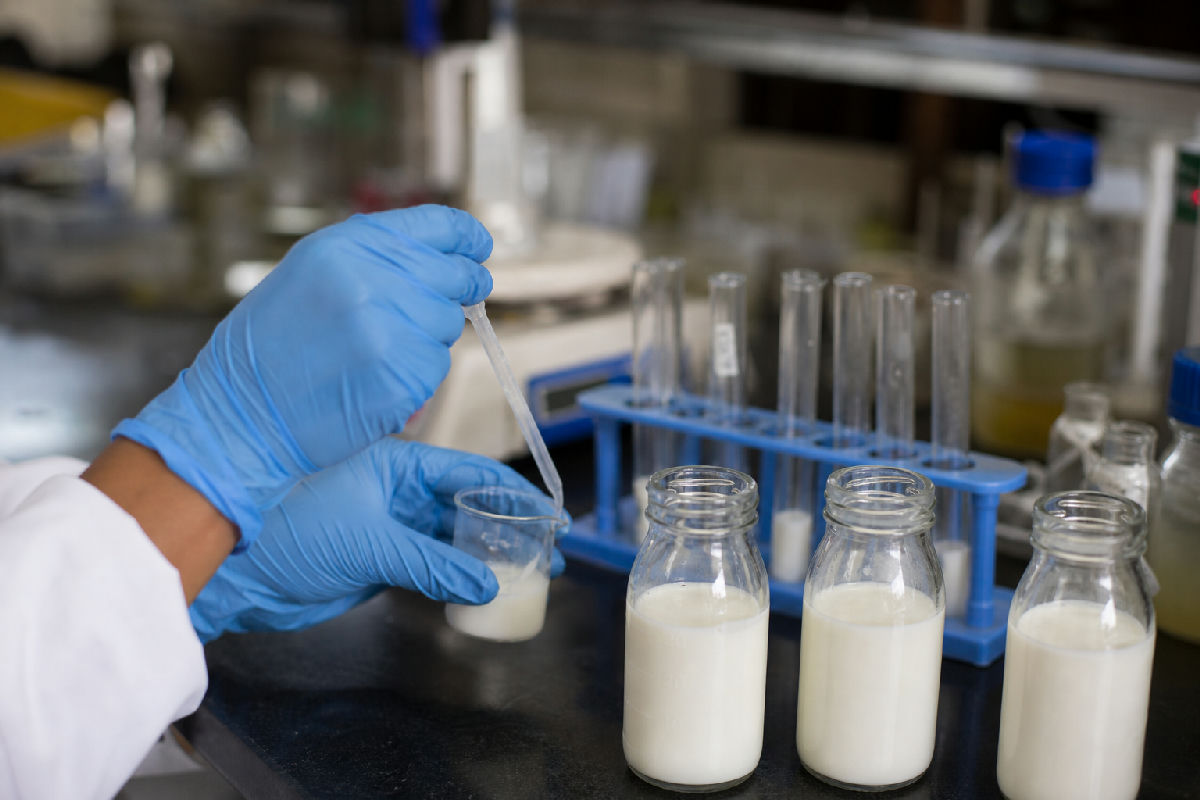
The Better India’s coverage of the film’s themes highlights the long-standing public attention to adulteration examples such as fake milk, detergent in ice cream and adulterated spices and edible oils.[2] Those examples are not proof that all groceries are unsafe. They do show why the public remains receptive to a film that markets itself as a warning.
What consumers should do now
If you are asking what to change in your shopping basket, the practical answer is simple: be careful, not panicked.
- Buy sealed, labelled products from reputable sellers.
- Check for batch number, FSSAI licence number, ingredient list and expiry date.
- Be cautious with loose milk, open spices and unlabelled oils from sources you cannot verify.
- If a product tastes, smells or looks wrong, preserve the pack and report it to the seller and the local food-safety authority.
- Use home checks only as a rough screening tool, not as proof of safety or contamination.
A lot of “how to check food adulteration at home” content circulates online, but many tests are crude and can mislead. A positive result in a kitchen test should be treated as a reason to seek formal testing, not as definitive legal evidence.
How to check food adulteration at home
Home tests can sometimes catch obvious problems, but they have limits. They may help spot visible dilution, fake colour, added starch or some surface contamination, yet they do not reliably detect pesticide residues, heavy metals, antibiotic residues or many modern adulterants.
The safest consumer approach is to combine observation with documentation:
- Photograph suspicious packaging.
- Keep the invoice or seller details.
- Note smell, texture and unusual separation.
- Report concerns to the retailer and food-safety authorities.
If the issue involves a packaged brand, do not assume the entire category is unsafe. One failed sample does not prove a universal problem; it does justify scrutiny of that specific batch, plant or supply chain.
What the film gets right, and where it overreaches
The film campaign appears to get one big thing right: food adulteration in India is a genuine public concern.[1][2][8] It also correctly understands that images of milk, spices and staples can trigger immediate consumer recognition.
Where it overreaches is in implying a direct, nationwide cancer story without publicly visible evidence. Cancer has many risk factors, including genetics, tobacco use, alcohol, infections, environmental exposures, obesity and delayed diagnosis. Food contamination can matter, but a single viral figure should not be mistaken for a full causal explanation.
For consumers, the best takeaway is not fear. It is vigilance backed by standards, labels and credible testing.
Frequently Asked Questions
Is the “1 in 3 Indian families cancer adulterated food claim” true?
No public scientific source in the promotional material supports that number as a verified national estimate. Treat it as a claim from film marketing unless it is backed by a peer-reviewed study, registry data or an official health report.
Are Indian groceries full of pesticides?
No single answer fits all groceries. Pesticide misuse and residue concerns are real in India, but that does not mean every product is unsafe or above legal limits.
Is packet milk in India adulterated?
Not by default. Packaged milk can still be compromised by poor handling, dilution or mislabelling, so consumers should buy sealed products from trusted brands and check the pack carefully.
What did The India Story actually claim?
Its promotional posts frame the film as an expose of food adulteration, pesticide misuse and hidden contamination in everyday food items.[1][3][5][7] The cancer-linked number circulating online is part of that promotional ecosystem, not an independently verified public-health conclusion.
How can I check food adulteration at home?
Simple kitchen tests can sometimes flag obvious issues, but they do not detect all forms of adulteration. Use them only as a first screen, then rely on packaging details, purchase records and formal complaints if something looks wrong.