Are Protein Bars Actually Healthy in India? Decoding the Hype
Influencers say India’s “high protein” bars hide sugar and additives. We decode labels, lab findings and FSSAI rules to separate real nutrition from smart marketing.
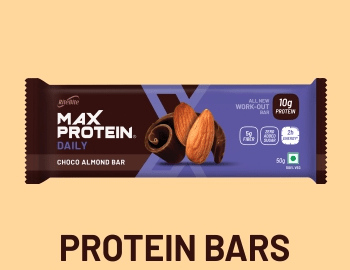
Protein shelves in Indian supermarkets today look less like snack aisles and more like mini pharmacy displays.
Shiny wrappers promise “20g protein,” “no added sugar,” “high protein snacks India” and “keto-friendly,” while influencers on Instagram and YouTube warn that your favourite bar is “just candy with hidden protein and additives.”
So are these protein bars and high-protein snacks in India actually healthy, or are we buying expensive chocolate bars in athleisure packaging?
This investigation looks beyond marketing claims to lab data, regulations and ingredient lists, so you know when a “best protein bar in India” is genuinely useful – and when you’re just paying for buzzwords.
Best protein bars in India: what the labels really promise
The phrase “best protein bars in India” is now a full-blown search category.
Big brands like RiteBite Max Protein, Yogabar, The Whole Truth, MuscleBlaze and newer players like Upnourish compete to offer 10–30 g protein per bar, plant-based options, and sugar-free claims.[2][5][7]
A typical Indian protein bar today claims:
- 10–30 g protein per bar, often from whey, soy, casein or pea protein[2][5][7]
- High protein front-of-pack statement
- Added fibre (inulin, soluble corn fibre)
- “No added sugar” or “zero added sugar” but still 15–20 g total carbs[3][4]
- “No maida,” “no palm oil,” “no trans fat” badges on newer brands[1][4]
Independent reviewers and nutrition blogs that have tested multiple brands in India point out a key pattern: many bars fail basic quality checks despite strong marketing.[3][5]
Those checks usually include:[3][5]
- At least 15 g protein from a named complete source (whey, milk, soy, egg)
- Carb-to-protein ratio under 2:1
- Sugar under about 8 g, even if dates or syrups are used[3]
- Clear protein content per bar, not just “per 100 g” or vague “high protein” wording[1][3]
In other words, a bar calling itself “high protein” does not automatically mean it delivers useful protein for your body.
Are protein bars healthy – or just expensive candy?
When you search “are protein bars healthy”, the honest answer is: some are, many are not – and it depends on how you use them.
According to Indian nutrition reviewers and brand guidance:[2][3][5]
- A genuinely useful protein bar usually offers 15–25 g protein from complete sources, with controlled sugar and a sensible calorie load (around 200–250 kcal).[3][5]
- Many bars in Indian retail deliver only 6–10 g protein, but still carry 200+ calories and 15–20 g carbs – effectively a chocolate bar with a protein claim.[3][5]
- Some “no added sugar” bars skip white sugar but still pack 15+ g carbs from dates, fruit concentrates or syrups.[3]
One comparative review of Indian protein bars notes that “plenty of Indian ‘protein bars’ fail two or three tests — 6–10 g protein against 200+ calories and 15–20 g carbs is a chocolate bar with a claim.”[3]
For most reasonably active Indian adults (around 60–70 kg body weight), expert guidance suggests 15–20 g protein per bar as a sensible range, with over 30 g at once offering diminishing returns for muscle protein synthesis.[5]
Protein bars can help when:[2][5]
- You struggle to hit daily protein targets through regular meals
- You have no time for a proper snack between work, commute, and gym
- You need a portable post-workout option or emergency travel snack
They are less helpful when:
- You use them as full meal replacements day after day
- You assume “protein” equals “healthy,” ignoring sugar and additives
- You treat them as a dessert but still count them as “clean food”
Used occasionally and chosen carefully, protein bars can be a practical supplement, but they are not magic health foods.
High protein snacks in India: what’s inside the wrapper?
Beyond bars, Indian shelves now carry high protein snacks: protein cookies, bhujia, chips, breakfast cereals and granola marketed with “12 g protein per serving.”
Common protein bar ingredients and high-protein snack components include:[2][3][5]
- Protein sources: whey concentrate or isolate, soy protein isolate, milk protein, casein, pea protein, rice protein
- Sweeteners: sugar, glucose syrup, fructose, honey, dates, jaggery, maltitol, sorbitol, erythritol, and “no added sugar” blends using sugar alcohols
- Fats: palm oil, vegetable oils, cocoa butter, sometimes nut butters
- Binders and fibres: inulin, soluble corn fibre, various gums
- Flavours and additives: artificial flavours, emulsifiers, stabilisers, preservatives
Independent Indian reviewers highlight two recurring issues with local formulations:[3][5]
- Under-delivered protein vs claim
- Sugar-alcohol side effects
One review warns that “bars with over 10 g sugar alcohols often cause bloating in tropical climates” and suggests choosing erythritol or allulose instead when possible.[5]
Whey protein snacks side effects: what should you watch for?
Searches for “whey protein snacks side effects” usually reflect three worries:
- Is whey safe for daily consumption?
- Will high-protein snacks damage kidneys or liver?
- Why do some bars cause stomach issues?
Current scientific and regulatory consensus is more nuanced:
- Whey protein itself is generally safe for healthy adults when consumed within recommended daily protein limits.[5]
- Indian guidance often suggests 0.8–1.2 g protein per kg body weight per day for most adults, higher for athletes – which can be met through a mix of food and supplements.
- Kidney concerns mainly arise for people with pre-existing kidney disease; such individuals should consult doctors before adding high-protein supplements.
The more immediate side effects people experience from protein bars and whey snacks are usually related to formulation rather than the protein itself:[5]
- Digestive discomfort from sugar alcohols (maltitol, sorbitol) or large doses of inulin fibre
- Bloating or gas when a bar combines heavy sweeteners, fibre, and concentrated protein in one small product
- Acidity or nausea when consumed on an empty stomach during rushed commutes
For children, plant-based options are increasingly promoted as gentle alternatives.
For example, an Indian plant-protein bar using peas, lentils, brown rice and seeds describes such protein as safe for children and a “great addition” to their diet when used as part of balanced meals.[6]
The bottom line: side effects usually stem from how much and how fast you consume, and from sweetener/fibre choices, not from protein alone.
The regulatory backdrop: what FSSAI requires on labels
Unlike influencer content, packaged protein bars and high-protein snacks in India sit under the Food Safety and Standards Authority of India (FSSAI).
For consumers, a few rules are critical:[5]
- Every protein bar or snack must display a 14-digit FSSAI licence number on its pack.[5]
- You can verify this number on FSSAI’s online portal, checking for expired licences or mismatched manufacturer details.[5]
- Products must declare nutrition per 100 g and per serving, including protein, carbohydrates, sugar, fat and energy.
Reviewers advise consumers to reject bars with expired licences or unclear manufacturer details.
This is non-negotiable for basic safety, especially in an exploding market where new “Instagram brands” appear quickly.[5]
However, within these rules, there is still plenty of room for creative marketing:
- “High protein” is not always tightly defined in consumer language; it may simply mean higher than a regular biscuit.
- “No added sugar” still allows high natural sugar from dates, honey or fruit concentrates.
- “Net carb” calculations on some imported or niche bars can hide the actual total carbohydrate load, which is what matters for blood sugar.[3]
That is why reading the back panel – not the front claim – is essential.
How Indian lab tests and reviewers separate hype from substance
Independent Indian reviewers who have physically tested and compared multiple bars provide practical tools consumers can apply instantly.[1][3][4][5]
Some key heuristics they suggest:
- Demand exact grams of protein per bar.
- Do the carb-to-protein math.
- Aim for at least twice as much protein as sugar.
- Check protein percentage.

- Watch sugar-alcohol load.
- Calculate cost per gram of protein.
Collectively, these checks show that most Indian bars are closer to candy than their wrappers suggest, while a smaller group of products genuinely deliver concentrated protein with controlled sugar.[3][5]
What this means for the average Indian shopper
If you are a typical Indian consumer today – juggling office, commute, family and maybe some gym time – the protein shelf can feel overwhelming.
Here’s the practical impact:
- You cannot assume “protein” equals “healthy.”
- Price is not a guarantee of quality.
- Kids’ products need special scrutiny.
- Your digestive comfort matters.
Used wisely, protein bars can be one more tool to increase your daily protein intake.
Used carelessly, they can add extra sugar, calories and cost without improving your diet.
How to choose protein bars and high protein snacks in India
To make all of this concrete, here is a simple checklist for choosing healthier protein bars in India.
1. Start with the protein number per bar
- Look for 15–25 g protein per bar from clear sources like whey, milk, soy or egg.[3][5]
- Be cautious with bars under 10 g protein unless they are deliberately “mini” snacks for children or very light use.[4]
2. Check the carb-to-protein ratio and sugar
- Aim for carbohydrate-to-protein under 2:1.
- Keep sugar in single digits, ideally under 8 g total sugar.[3]
- Don’t rely on “no added sugar” alone; look at total carbohydrates and sugar.
3. Read the ingredient list, not just the claims
- Prefer bars with named protein sources (e.g., “whey protein concentrate”) rather than vague “protein blend.”[3]
- Notice palm oil, artificial flavours, and long lists of emulsifiers or stabilisers – they aren’t automatic dealbreakers but show higher processing.[1][4]
4. Watch sweeteners and fibre
- If you have digestive issues, limit bars using high amounts of maltitol, sorbitol and very high inulin fibre.[5]
- Consider bars using erythritol or small amounts of regular sugar if that suits you better.[5]
5. Verify FSSAI licence and brand transparency
- Check the 14-digit FSSAI number and verify manufacturer details on the official site.[5]
- Prefer brands that publish or at least mention third-party lab testing for their protein content claims.[5]
6. Use bars as supplements, not primary meals
- Treat protein bars as occasional tools to top up protein, not daily meal replacements.
- Pair them with real food (fruit, nuts, dal, curd, eggs) across the day.
If you apply just these checks whenever you pick a “high protein snack,” you will automatically filter out most of the misleading products.
Frequently Asked Questions
Are protein bars healthy for daily use in India?
Protein bars can be healthy when they provide 15–25 g protein, controlled sugar and clean ingredients, and are used as supplements rather than meal replacements.[2][3][5] For most healthy adults, occasional daily use within overall protein and calorie limits is fine, but relying on bars instead of regular meals is not advisable.[2][5]
How do I choose the best protein bars in India?
Look for bars with at least 15 g protein from named sources, carb-to-protein ratio under 2:1 and sugar under 8 g.[3][5] Check the 14-digit FSSAI licence, read the ingredient list for sweeteners and additives, and calculate cost per gram of protein to judge value.[4][5]
What are the common side effects of whey protein snacks?
Most side effects come from sugar alcohols and fibre rather than whey itself, causing bloating, gas or digestive discomfort in some people, especially above about 10 g sugar alcohol per bar.[5] Healthy adults usually tolerate whey protein well within recommended daily protein intake, but those with kidney disease should consult a doctor before adding high-protein snacks.
Are high protein snacks in India safe for children?
Moderate, well-formulated high protein snacks — including some plant-based bars using peas, lentils and seeds — can be safe for children as part of balanced meals.[6] However, many “kids’ protein” products are still quite sugary, so parents should check protein per bar, sugar content and overall diet rather than relying on marketing claims.
Should I stop buying protein bars after hearing about hidden ingredients?
You do not need to stop completely, but you should become more selective: focus on bars with clear protein grams per bar, transparent ingredients and sensible sugar and carb levels.[1][3][5] Treat protein bars as occasional, informed choices rather than automatic “healthy” snacks, and prioritise whole-food protein sources in your daily diet.