FSSAI notice to The Whole Truth, Yoga Bar and others: are “clean label” snacks really healthy?
FSSAI’s notices to The Whole Truth, Yoga Bar and other clean-label D2C brands collide with a Supreme Court push for red warning labels, leaving Indian shoppers confused about what “healthy” snacks really mean.
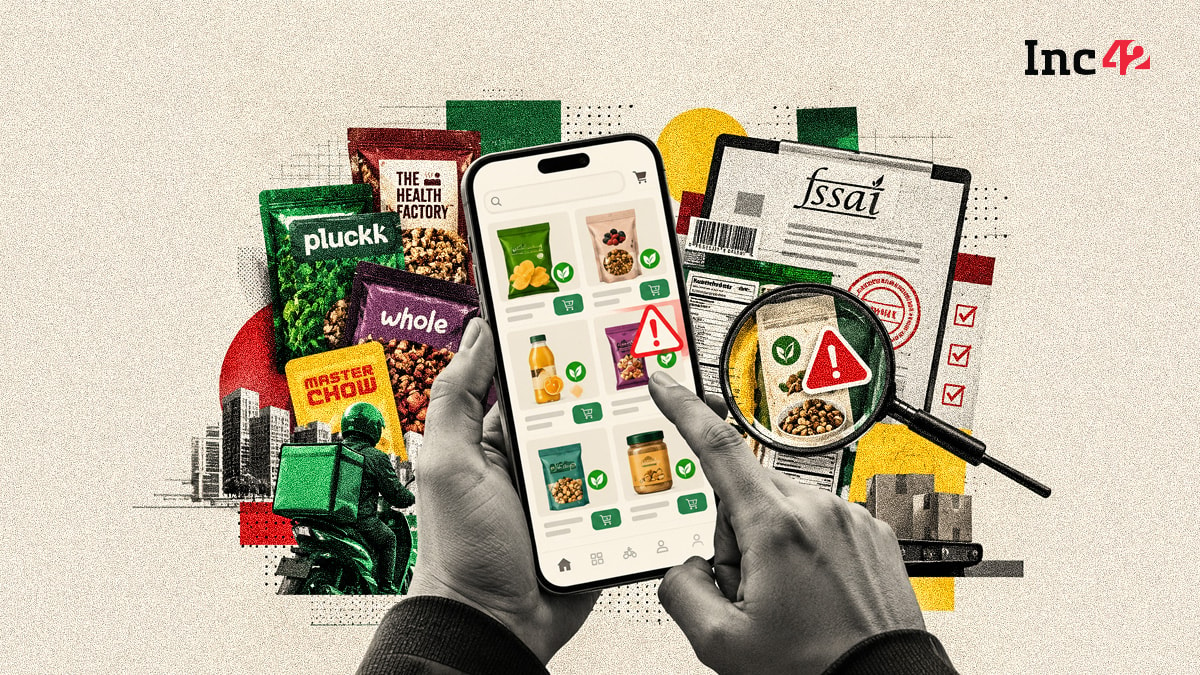
Indian shoppers are asking: if FSSAI is issuing notices to “clean label” brands, are any “healthy” snacks really clean? At least 20 D2C brands — from The Whole Truth to Yoga Bar, MasterChow, and Raw Pressery — have been pulled up since May 2026 over front-of-pack claims, just as the Supreme Court pushes for red warning labels on high sugar, salt and fat foods.[1][14]
FSSAI Notices: What Happened
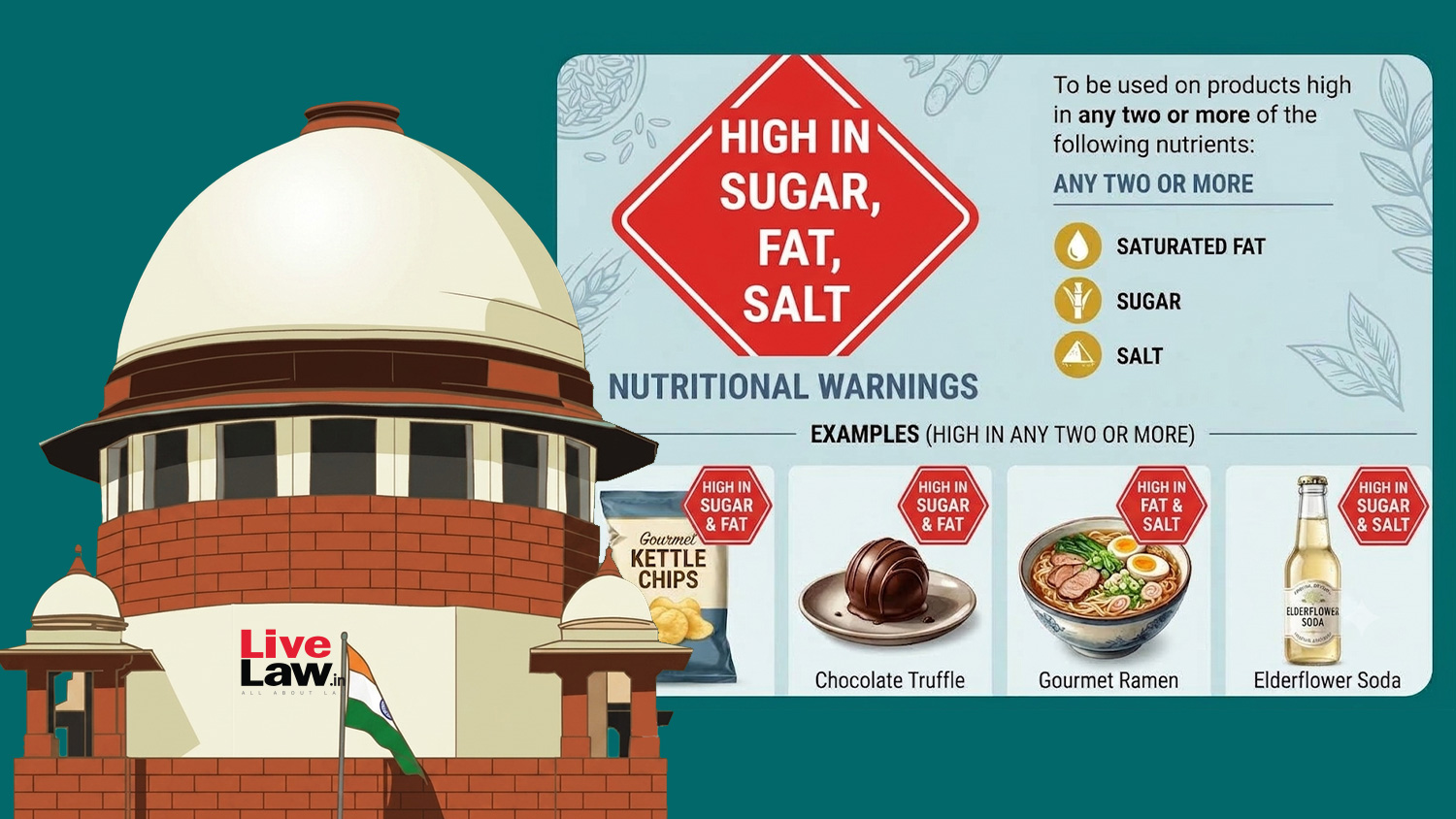
* Wave of notices since May 2026: Inc42 reports FSSAI has issued notices to at least 20 D2C brands over labelling and marketing claims, including The Whole Truth, MasterChow, Pluckk, Raw Pressery, Two Brothers Organic Farms, Troovy, Healthy Master, and Neuherbs. A separate June action flagged 15 kids’ nutrition brands like Storia, PLAN B, and The Health Factory for misleading terms like “healthy,” “organic,” and “zero maida.”[1][14]
* The Whole Truth label change: A key case involved The Whole Truth’s chocolate bars. After an FSSAI notice prompted by a complaint from chocolate maker Paul & Mike, the bars’ “No Added Sugar” claim was changed to “Sweetened with Dates,” acknowledging their high sugar content.[1][12]
* Link to Supreme Court case on warning labels: The notices are part of a larger crackdown ahead of new front-of-pack warning labels. In August 2026, FSSAI proposed red hexagonal warnings for foods high in added sugar, saturated fat, and salt to the Supreme Court. The Court has called the matter one of “national interest” and is pushing FSSAI for a faster rollout and stricter rules.[2][3][6][7][11]
* The “no added sugar” debate: Public debate, sparked by Paul & Mike’s challenge, focuses on products sweetened with dates, honey, jaggery, or fruit concentrates that claim to be low-sugar. This has expanded to protein bars, granola, and kids’ snacks from brands like Yoga Bar and Troovy.[12]
The Science and Law on Sugar Claims

* Proposed warning labels and thresholds: FSSAI proposed to the Supreme Court a red hexagonal warning for products high in two or more “nutrients of concern”—added saturated fat, added sugar, and salt—based on the Dietary Guidelines for Indians 2024. The regulator suggested a phased rollout, but the Centre has since told the Court it is open to requiring red warnings if even one nutrient exceeds the limit.[2][4][10][11]
* The ultra-processed food (UPF) debate: The Supreme Court and health activists have questioned why ultra-processed foods are not being treated more strictly than other packaged foods. Reuters reports the $100+ billion packaged food industry opposes strong warnings, while activists argue proposed thresholds are too lenient. FSSAI has not released an official list of UPFs; proposals focus on nutrient content, not processing levels.[4][5][9][15]
* The science of sugar and marketing claims: Under food science norms, sugars from dates, honey, jaggery, or fruit juice concentrates act as free sugars once added to foods, carrying the same health risks as table sugar. FSSAI is now treating front-of-pack claims like “no added sugar” and “100% natural” as potentially misleading if the product remains high in sugar, regardless of the source.[12][14]
What This Means for Shoppers
- “Clean label” doesn’t mean low sugar or low processing: Many D2C snacks are high in sugar, salt, or fat from sources like dates or ghee. The FSSAI crackdown indicates that marketing language and front-of-pack claims are now under scrutiny.[1][12]
- Kids’ snacks and protein bars are under scrutiny: Brands selling children’s products and protein bars with claims like “no maida” or “high protein” have been flagged. These items may still exceed upcoming warning thresholds for sugar or fat.[14]
- Big Food and D2C face similar rules: Criticism once focused on legacy food companies, but now D2C brands built on trust are also receiving notices. Expect more label changes across the industry.[1][12][14]
- Red warning labels are coming: With the Supreme Court calling this a “national interest” issue and demanding timelines, front-of-pack red warnings for HIGH SUGAR, HIGH SALT, and HIGH FAT are likely to appear in phases soon.[3][6][10][11]
- “Health halos” are fading: Words like “healthy,” “organic,” and “100% natural” are being questioned when a product’s nutrient profile is poor. Brands will need to use more cautious language.[14]
How to Read Labels Now: A 7-Step Checklist
- Start with the nutrition table, not the front story. Check per 100 g or 100 ml values for total sugar, saturated fat, and sodium (salt). These numbers will trigger FSSAI’s future warnings.[2][11]
- Treat dates, jaggery, and honey as sugar. If a product is sweetened with dates, date paste, jaggery, honey, coconut sugar, or fruit concentrates, it contributes free sugar, just like table sugar.
- Be wary of “no added sugar” on sweet foods. A sweet-tasting product claiming “no added sugar” likely uses concentrated fruit or date sweeteners. If the total sugar grams are high, it is not a low-sugar product.[1][12]
- Check portion sizes. Some products show low sugar “per serving” but use tiny serving sizes. Calculate the sugar and calories for the portion you actually eat.
- Ignore buzzwords; follow the numbers. Terms like “clean label,” “100% natural,” and “high protein” don’t reveal if a product is high in sugar or salt. Focus on the ingredient list and the nutrition table.[14]
- Compare similar products. When choosing between two bars, compare their sugar and fibre content directly, rather than relying on one brand’s “healthy” halo.
- Watch for sudden label changes. A shift from “no added sugar” to “sweetened with dates” often follows regulatory pressure. Treat it as a cue to re-evaluate the product.[1][12]
Frequently Asked Questions
Did FSSAI issue a notice to The Whole Truth and Yoga Bar?
Inc42 and other reports confirm that FSSAI has issued notices to The Whole Truth and multiple other new-age clean label brands over front-of-pack claims since May 2026.[1][12][14] Yoga Bar is widely discussed in the same consumer conversations, though individual notices and their contents have not all been made public.[1]
Is my protein bar really healthy according to FSSAI?
FSSAI’s focus is not on the word “healthy” alone but on whether products are high in added sugar, salt or saturated fat and whether front claims mislead consumers.[2][11][14] Many protein bars are being scrutinised for sugar content and bold health claims, so you should check grams of sugar and fat rather than rely on branding.
What will the new FSSAI red warning labels look like?
FSSAI has proposed a red, hexagonal front-of-pack symbol carrying declarations such as “HIGH FAT”, “HIGH SUGAR”, “HIGH SALT” or “HIGHLY SWEETENED BEVERAGE” for products exceeding nutrient thresholds.[2][4][11] The Supreme Court is now pushing for these warnings to apply even when only one nutrient is high, and for faster implementation.[3][6][10]
Does FSSAI have an official ultra processed food list?
Current proposals focus on nutrient thresholds (added sugar, salt, saturated fat) rather than a formal public list of ultra-processed foods.[2][11][15] The Supreme Court has questioned how ultra-processed foods are grouped with other packaged foods, but no official “FSSAI ultra processed food list” is available yet.[4][15]
Should I stop buying clean-label D2C snack brands?
The recent crackdown does not mean all clean-label D2C snacks are unsafe; it means their claims and labels are being tested more rigorously.[1][12][14] Instead of avoiding them entirely, use nutrition tables and ingredient lists to judge sugar, fat and salt content, and treat marketing buzzwords with caution.